




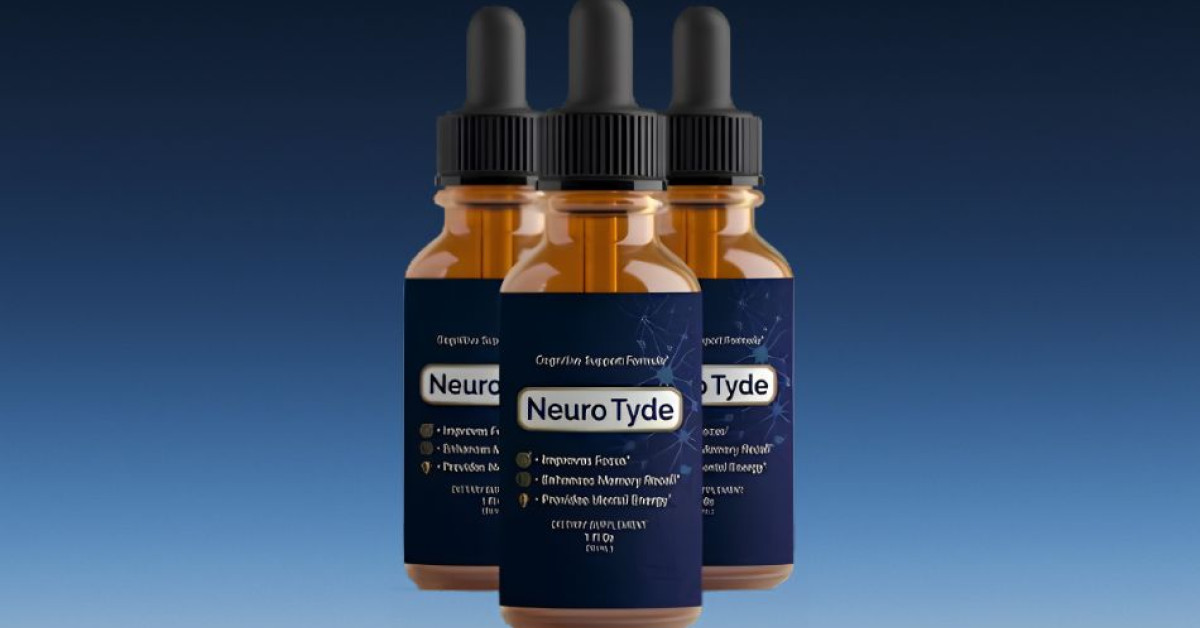
AURORA, Colo., April 30, 2026 (Newswire.com)
–
Disclaimers: This article contains affiliate links. If you purchase through these links, a commission may be earned at no additional cost to you. This content is for informational purposes only and does not provide medical advice. NeuroTyde is a dietary supplement and is not intended to diagnose, treat, cure, or prevent any disease. Always consult a qualified healthcare professional before starting any new supplement. Results vary by individual.
NeuroTyde: What to Know About This Liquid Brain Health Supplement and Its Ingredient Profile
You just saw the NeuroTyde ad. Maybe it was on Facebook, Instagram, YouTube, or TikTok. Something about it caught your attention – the brain fog angle, the memory piece, the idea of a liquid brain supplement that could help you think more clearly again.
And now you are here, doing exactly the right thing: looking it up before you buy.
This guide is written specifically for that moment. Not a generic supplement overview. Not recycled marketing copy. A thorough, honest review of what NeuroTyde actually is, what is in it, what the ingredient research actually shows, what it costs, how the guarantee works, and – most importantly – whether it is the right product for your specific situation.
By the end of this article, you will know enough to make a decision you feel confident about, whichever direction that takes you.
Check out NeuroTyde on the official website here
Disclosure: If you buy through this link, a commission may be earned at no extra cost to you.
What Is NeuroTyde? The Quick Answer for Ad-Response Searchers
If you are Googling NeuroTyde after seeing an ad and want a fast orientation before reading further: NeuroTyde is a liquid brain health dietary supplement sold in dropper bottles. It is distributed through ClickBank, a long-standing digital marketplace that processes transactions for a wide range of products. The formula contains a blend of B-vitamins, antioxidant vitamins, trace minerals, and a cognitive support complex that includes several nootropic compounds – Bacopa Monnieri, phosphatidylserine, Huperzine A, DMAE, DHA, and others.
It is not a prescription drug. It is not FDA-approved. It is a dietary supplement, which means it operates under DSHEA (the Dietary Supplement Health and Education Act) – the same regulatory framework that governs every supplement on store shelves. Dietary supplements in the United States are regulated under DSHEA, which does not require pre-market approval by the FDA but does require that all claims remain within structure-function boundaries and that the product is safe for its intended use.
According to the official website, the brand/operator is listed as NeuroTyde Research. Their published return address is 19655 E 35th Drive, Suite 100, Aurora, CO 80011. Customer support is at support@neurotyde.com. The product is sold exclusively online, not through retail stores.
No independent clinical trial has been conducted on NeuroTyde as a finished formula. The ingredient-level research behind its individual compounds is discussed in detail below. That distinction – between studying ingredients and studying a finished product – is important and will come up throughout this review.
Is NeuroTyde Legit? Addressing the Verification Question Directly
This is the search query that brings many people to articles like this one, so it deserves a direct answer up front rather than buried at the end.
The verification question in this context is: Does the official website show a functioning business with a published support process and a stated refund policy? And does the formula’s ingredient list have research support behind it?
On the first question: The official website lists a customer support email (support@neurotyde.com), a published refund page, a physical return address, and identifies ClickBank as the retailer listed as processing transactions for this product – a long-standing digital marketplace that processes transactions for a wide range of products. The official website focuses on structure-function supplement positioning rather than explicit disease-treatment claims, which is the appropriate framing for a dietary supplement under DSHEA. The brand’s published return policy and contact information are accessible on the official website. Buyers should verify current terms directly before ordering.
Regarding the second question: NeuroTyde’s ingredient list includes several compounds with supporting ingredient-level research. Bacopa Monnieri has been studied in double-blind trials. Phosphatidylserine is the subject of an FDA-qualified health claim. DHA is among the more consistently researched brain-supportive nutrients at the ingredient level. Assuming the brand’s ingredient list is accurate, the formula does not rely on unsupported concepts – several of its compounds have ingredient-level research supporting them.
What NeuroTyde does not have is a published clinical trial on the finished product itself. No study has tested this specific formula at these specific doses in a controlled trial. That is a limitation shared by virtually every multi-ingredient nootropic supplement on the market – it is not unique to NeuroTyde, but it is honest to name it.
The bottom line: The official NeuroTyde website lists a product offer, a support email, a stated refund process, and a return address. Its ingredient list – as provided by the brand – includes several compounds with supporting research at the ingredient level. It is not a guarantee of results, nor is it a pharmaceutical-grade cognitive treatment. It is a dietary supplement with a nutritional rationale worth understanding, sold through ClickBank with a stated money-back window. Read the current refund policy before you order.
Who Is This Supplement Actually For? Understanding the Target Reader
The NeuroTyde ad is targeting a specific person, and recognizing whether you match that profile is the most useful thing this review can do for you.
The ad is most likely speaking to adults in their 40s, 50s, and 60s who have noticed that their mental performance is not what it used to be. The experience is usually some combination of: taking longer to recall words or names, struggling to maintain focus during demanding tasks, feeling mentally sluggish or foggy in ways that were not characteristic a decade ago, and finding that caffeine is doing less while the fatigue is doing more.
It is also speaking to a secondary audience: adults in their 30s who are dealing with the cognitive effects of chronic stress, poor sleep, or demanding professional or family lives – people who feel older than their age mentally and are looking for a natural daily-use option without stimulant-dependent solutions.
NeuroTyde is specifically not designed for: people managing diagnosed neurological or psychiatric conditions (these require physician oversight, not direct-to-consumer supplements), people looking for immediate stimulant-like effects (this formula does not work that way), or people on certain prescription medications without first consulting their physician.
The self-qualification section later in this guide will help you make a more specific assessment. But in broad terms: if the ad resonated because it described your experience accurately, you are in the intended audience. Whether the product delivers on that resonance is what the rest of this review is for.
Brain Fog, Mental Fatigue, and Why Adults Start Searching for Cognitive Support
To understand why NeuroTyde exists and who it is genuinely built for, it helps to understand the experience that drives the search. The ad works because it accurately names something real.
Brain fog is not a medical diagnosis. It does not appear in the DSM or the ICD. But the experience it describes is legitimate and widely reported: a sense of mental cloudiness, slower-than-usual processing, difficulty retrieving words or names on demand, reduced ability to hold multiple things in working memory simultaneously, and a subjective feeling of operating below full capacity. It is the experience of a brain that is not performing the way you expect it to.
For adults in their 40s and 50s, this often emerges gradually and is easy to initially attribute to stress, aging, or just being busy. The experience often intensifies with poor sleep, high-stress periods, or after major life transitions. It tends to be noticed most sharply in cognitively demanding contexts: professional problem-solving, learning new skills, creative work, or conversations where retrieval speed matters.
Understanding what is actually happening neurologically during this experience is valuable – because it maps directly to what the ingredients in a formula like NeuroTyde are designed to address.
What Is Actually Happening in the Brain
Several biological processes converge to produce the experience of cognitive fatigue and reduced mental clarity in midlife.
Neurotransmitter availability shifts. The synthesis of key neurotransmitters – dopamine, acetylcholine, serotonin – is directly dependent on dietary precursors and nutritional cofactors. L-Tyrosine provides the upstream precursor for dopamine and norepinephrine. Choline (which DMAE supports) serves as a precursor for acetylcholine. B-vitamins serve as essential cofactors throughout these synthesis pathways. When any of these inputs are insufficient, the neurochemical environment for sharp, focused thinking is compromised. This is not metaphorical. It is basic nutritional biochemistry.
Oxidative load accumulates. The brain’s high metabolic activity generates a substantial free radical load. The antioxidant defenses of neural tissue – dependent in part on Vitamin C, Vitamin E, selenium, and glutathione – can be strained by poor diet, chronic stress, and aging. Accumulating oxidative stress in neural tissue is associated with declining cognitive function over time, according to research. This is a slow process, which is why dietary antioxidant status is most relevant for long-term maintenance of brain health rather than acute cognitive performance.
Homocysteine rises without adequate B vitamins. Homocysteine is an amino acid intermediate that, when it accumulates in excess, is directly toxic to blood vessels and neurons. The primary dietary regulators of homocysteine are B6, folate, and B12 – through the methylation cycle. When these vitamins are deficient, homocysteine levels rise. Elevated homocysteine has been associated in population studies with increased risk of cognitive decline, white matter lesions, and neurovascular damage over time. This is one of the most replicated findings in nutritional neuroscience and represents a genuinely modifiable risk factor through supplementation.
Cerebral blood flow changes with lifestyle. The brain’s cerebrovascular health – the quality of blood flow delivering oxygen and glucose to neurons – is influenced by dietary patterns, physical activity, and metabolic health. Ingredients like bilberry extract and DHA in the NeuroTyde formula are associated with vascular health and the maintenance of cerebral circulation in ingredient-level research. Compromised cerebral blood flow is a documented contributor to cognitive slowing in midlife populations.
DHA availability and dietary intake. The brain is approximately 60% fat by dry weight, and DHA is its dominant structural fatty acid. Research consistently shows that the brain does not efficiently synthesize DHA from short-chain precursors – dietary sources, particularly fatty fish, are the primary supply route. In people who eat limited fatty fish, dietary DHA intake tends to be low. Research at the ingredient level associates DHA with neuronal membrane fluidity, synapse function, and neurotransmitter receptor activity, though these are ingredient-level findings and do not establish that NeuroTyde, as a finished product, will produce specific effects. This is ingredient-level research only.
These biological processes are the underlying story that the NeuroTyde ad references when it talks about brain fog, memory, and focus. The formula’s ingredient selection is conceptually aligned with these mechanisms at the ingredient level. Whether any specific individual will experience meaningful benefit depends on where they currently are on each of these dimensions, which is why the self-qualification framework in this guide matters as much as the ingredient research.
Why Foundational Habits Come First – And What Supplements Can and Cannot Do
One of the most useful things an honest supplement review can do is put the supplement in its correct place in the hierarchy of cognitive interventions. Because the supplement industry has a long history of positioning products as if they were the entire solution, rather than one potential tool within a broader framework.
Sleep is the single most impactful lever for cognitive performance. During sleep – specifically during slow-wave and REM stages – the brain consolidates memories, clears metabolic waste through the glymphatic system, restores neurotransmitter balance, and processes emotional experience. Even mild chronic sleep restriction (six hours per night versus eight, sustained over weeks) produces measurable deficits in attention, working memory, processing speed, and emotional regulation that compound over time. No supplement – including any compound in the NeuroTyde formula – compensates for chronic sleep debt.
Physical activity is an intervention with particularly strong research support for brain health. Aerobic exercise increases BDNF (brain-derived neurotrophic factor), a protein often described as the brain’s growth hormone – it supports neurogenesis, synaptic plasticity, and the maintenance of existing neural circuits. Multiple well-designed studies have shown cognitive benefits from regular aerobic exercise across age groups, with effect sizes that exceed those documented for most supplement ingredients. The evidence here is genuinely strong.
Chronic stress directly suppresses cognitive function. Elevated cortisol – the primary stress hormone – impairs hippocampal function, disrupts memory consolidation, narrows attentional focus, and, over prolonged periods, can cause structural changes to neural circuits involved in memory and executive function. Stress management is not a soft lifestyle concept when it comes to brain health – it is a hard biological necessity.
Dietary patterns shape cognitive aging trajectories over decades. The MIND, Mediterranean, and DASH diets have been associated with reduced rates of cognitive decline in large observational studies. Their common features – high in omega-3-rich fish, leafy greens, berries, nuts, legumes, and low in ultra-processed foods – map directly onto the nutritional mechanisms discussed above. Supplementation cannot replicate the full benefit of a high-quality dietary pattern.
None of this means supplementation is without a place in the picture. It means the place is defined: supplementation is most defensible as a tool for filling specific, identifiable nutritional gaps that diet alone is not adequately addressing. For someone whose diet is short on DHA, B12, Vitamin D, and magnesium – which describes many adults in modern environments – supplementing these nutrients has a legitimate nutritional rationale. NeuroTyde’s formula addresses exactly this nutritional gap profile, in addition to its nootropic compound layer.
The people likely to get the most from this type of formula are those who have the foundational habits in reasonable order and are using the supplement as a targeted nutritional complement – not those who are hoping a liquid supplement can do the work that sleep, exercise, and diet need to do.
NeuroTyde Ingredients: What Is Actually in the Formula
Important disclosure before this section: everything below is ingredient-level research. NeuroTyde, as a finished product, has not been independently clinically studied. The research cited here refers to individual compounds studied in isolation or in other formulations. These findings do not mean NeuroTyde will produce equivalent results. This is not a substitute for professional medical advice. Always consult your physician before starting any new supplement.
At the time of publication, the official NeuroTyde website does not publicly display a full Supplement Facts panel. The ingredient overview below is based on brand-provided product materials and should be independently verified with the brand before purchase. If exact ingredient identities or doses matter to your decision – and for High-YMYL health decisions, they should – request the Supplement Facts panel directly from the brand at support@neurotyde.com before ordering. This ingredient overview should not be interpreted as a complete or authoritative representation of the product label and must not be relied upon as a substitute for the official Supplement Facts panel provided by the brand.
With that context on the table, here is the ingredient profile as described in the brand’s product materials:
The B-Vitamin Complex: B6, B9, and B12
These three B-vitamins are among the more research-supported nutrients for long-term brain health in the supplement category. Their primary mechanism in this context involves homocysteine regulation – elevated homocysteine is one of the most consistently replicated biological markers associated with accelerated cognitive decline in aging populations. B6, folate (B9), and B12 work together to keep homocysteine in check through the methylation cycle.
B6 additionally serves as a cofactor in the synthesis of serotonin, dopamine, and GABA – the neurotransmitters most directly involved in mood, motivation, and anxiety regulation. B12 is essential for maintaining the myelin sheath around nerve fibers, which enables fast, efficient neural signal transmission. Folate is critical for DNA synthesis and repair in brain cells and for one-carbon metabolism throughout the nervous system.
Deficiency in this trio is more common than most people realize. B12 deficiency is particularly widespread in adults over 50 (due to declining gastric acid production), in people on metformin, and in anyone following plant-based diets. Subclinical B12 insufficiency – below the level that triggers a clinical deficiency diagnosis – can still impair cognitive function over time. Supplementing the B-vitamin complex addresses one of the most common and most correctable nutritional gaps affecting brain health. This is ingredient-level research; NeuroTyde as a finished product has not been clinically studied.
Antioxidant Vitamins: C and E
The brain uses roughly 20% of the body’s oxygen supply while accounting for only 2% of the body’s weight. That metabolic intensity generates substantial free radical load, and the brain has comparatively modest intrinsic antioxidant defenses. Oxidative stress accumulation over time is one of the key mechanisms proposed to underlie age-related cognitive decline.
Vitamin C is the primary water-soluble antioxidant in neural tissue and is found at brain concentrations substantially higher than in blood plasma, suggesting active, purposeful uptake. Vitamin E, as a fat-soluble antioxidant, provides complementary protection in the lipid-rich environment of neuronal membranes. Observational research consistently links higher antioxidant status to better cognitive outcomes over time, though clinical trial results for antioxidant supplementation specifically have been more mixed. This is ingredient-level research; individual results from NeuroTyde will vary.
Vitamin D and Vitamin A
Vitamin D receptors are distributed throughout the brain, suggesting functional roles beyond bone metabolism. Observational data link vitamin D insufficiency with increased risk of cognitive decline across multiple large population studies. Vitamin D is involved in neurotrophin synthesis, including BDNF (brain-derived neurotrophic factor) – a protein that supports neuroplasticity and the maintenance of neural circuits. Vitamin D insufficiency is remarkably common in modern populations, particularly in those with limited sun exposure, darker skin tones, or who live at northern latitudes.
Vitamin A broadly supports immune function and cellular differentiation, with indirect implications for neuroinflammatory regulation. This is ingredient-level research; NeuroTyde as a finished product has not been independently studied.
Magnesium and Zinc
Magnesium is directly involved in NMDA receptor function, which regulates synaptic plasticity – the brain’s ability to strengthen and form new connections. It also plays a central role in regulating the stress response system, and magnesium depletion has been linked in research to increased anxiety and impaired sleep, both of which independently impair cognitive performance. Magnesium is chronically under-consumed in diets heavy in processed foods.
Zinc is concentrated in the hippocampus – the brain structure most critical for forming new memories – where it acts as a cofactor for enzymes involved in neurotransmitter synthesis. Zinc insufficiency has been associated with impaired memory and attention in research. Both minerals represent common dietary gaps with direct cognitive implications. This is ingredient-level research; NeuroTyde as a finished product has not been clinically studied.
Trace Minerals: Iron, Selenium, and Copper
Iron is required for oxygen transport to the brain via hemoglobin. Iron deficiency – even below clinical anemia thresholds – has been associated with cognitive deficits in attention and executive function in research. Selenium is an essential cofactor for glutathione peroxidase, a key antioxidant enzyme that protects neural tissue. Copper participates in enzymatic reactions involved in the synthesis of dopamine and norepinephrine.
People with hemochromatosis (iron overload) or Wilson’s disease (a copper metabolism disorder) should not supplement these minerals without a physician’s guidance. This is ingredient-level research only.
Bacopa Monnieri
Bacopa is the ingredient in this formula with the most direct, ingredient-level research relevance to the core NeuroTyde ad promise – memory support. It is an adaptogenic herb from Ayurvedic medicine whose active compounds, the bacosides, have been studied in multiple double-blind, placebo-controlled trials for effects on memory and learning in healthy adults. Trials using standardized Bacopa extract have shown associations with improved delayed memory recall in the populations studied.
The important caveat: Bacopa consistently shows meaningful effects in trials running 12 weeks or more. Short-term use has not produced the same results in the literature. This means the NeuroTyde evaluation timeline needs to be measured in months, not days. This is ingredient-level research; these findings do not guarantee equivalent results from NeuroTyde as a finished formula. This is not medical advice.
Phosphatidylserine
Phosphatidylserine (PS) is a phospholipid that forms a core structural component of neuronal cell membranes, particularly at synaptic junctions where neurotransmitter release occurs. It is one of the most clinically researched nootropic compounds in this formula and one of the very few dietary supplement ingredients to have received a Qualified Health Claim from the FDA – the FDA has acknowledged that limited and preliminary scientific research suggests phosphatidylserine may reduce the risk of cognitive dysfunction in the elderly. This is a qualified claim, meaning the evidence is recognized but described as limited and preliminary.
Research has focused most on PS in the context of age-related memory support, attention, and the maintenance of cognitive function under stress. This is ingredient-level research; NeuroTyde as a finished product has not been studied clinically.
DMAE (Dimethylaminoethanol)
DMAE is a naturally occurring precursor to choline, which is in turn a building block for acetylcholine – the neurotransmitter most directly responsible for learning, attention, and working memory. DMAE has been included in cognitive formulas for decades based on the hypothesis that it supports acetylcholine availability, though the pathway by which it does so involves several conversion steps. Standalone research on DMAE is less extensive than on some other compounds in this formula, and evidence is primarily preliminary.
People with epilepsy or bipolar disorder should consult their physician before use, as DMAE may theoretically affect neuronal excitability. This is ingredient-level research only.
L-Glutamine and L-Tyrosine
L-Glutamine is a precursor to both glutamate (the brain’s primary excitatory neurotransmitter) and GABA (the primary inhibitory neurotransmitter). Maintaining the balance between excitation and inhibition is foundational to stable mood, focus, and stress resilience. L-Tyrosine is a precursor to dopamine and norepinephrine – the neurotransmitters most central to motivation, alertness, and the ability to sustain cognitive performance under pressure.
Research on L-Tyrosine is particularly relevant for the NeuroTyde audience: multiple studies have shown that tyrosine may help maintain working memory and processing speed under cognitive stress – exactly the conditions that cause people to notice their mental performance declining. Effects in unstressed, well-rested conditions are less pronounced in the literature. This is ingredient-level research; individual results from NeuroTyde will vary.
Bilberry Fruit Extract
Bilberry (Vaccinium myrtillus) is rich in anthocyanosides – flavonoid antioxidants that have been studied for effects on vascular health and blood flow, including cerebral circulation. Adequate blood flow to the brain ensures consistent delivery of oxygen and glucose, the brain’s primary energy sources. Some research also explores bilberry’s role in supporting visual function, which shares overlapping vascular mechanisms with brain circulation. This is ingredient-level research; NeuroTyde as a finished product has not been independently studied.
Huperzine A
Huperzine A is derived from Chinese club moss and is one of the pharmacologically most active compounds in this formula. It functions as a reversible acetylcholinesterase inhibitor – it blocks the enzyme that breaks down acetylcholine, thereby extending acetylcholine’s activity at synapses and supporting the neurochemical environment for learning and memory. This is the same basic mechanism used by several FDA-approved Alzheimer’s medications, though Huperzine A is a supplement ingredient, not an approved drug, and has not been approved to treat any disease.
Because of its relative pharmacological potency within the supplement category, Huperzine A warrants special attention: people taking cholinergic medications, Alzheimer’s drugs, or certain anesthetic agents should discuss Its Use with their physician before use. Some practitioners also recommend periodic breaks (cycling). This is ingredient-level research; NeuroTyde as a finished product has not been clinically studied.
Inositol
Inositol participates in cellular signal transduction as a secondary messenger in serotonin, dopamine, and norepinephrine pathways. Research has investigated inositol in the context of mood regulation and anxiety, where some studies have found positive effects at higher doses. Its inclusion supports the formula’s coverage of the mood-cognition interface. This is ingredient-level research.
DHA (Docosahexaenoic Acid)
DHA is an omega-3 fatty acid and the single most important structural nutrient for the brain. It makes up approximately 97% of the omega-3 fatty acids in brain tissue and roughly 25% of the brain’s total fat content. DHA is essential for neuronal membrane fluidity, synapse formation, and receptor function – essentially, the physical infrastructure through which all brain communication occurs.
DHA is among the most consistently researched structural nutrients in brain health science, with decades of population research linking higher omega-3 status to better cognitive outcomes across the lifespan. Its supplementation rationale is strongest for people who do not regularly consume fatty fish (salmon, mackerel, sardines, herring) – which describes the majority of the Western population. People with fish or shellfish allergies should verify the DHA source with the brand before purchasing.
This is ingredient-level research; NeuroTyde as a finished product has not been independently clinically studied. These individual ingredient findings do not mean NeuroTyde is a replacement for any prescribed treatment.
See current NeuroTyde pricing and package options here
Why Liquid Drops? Understanding the Delivery Format
The decision to formulate NeuroTyde as a liquid tincture in dropper bottles rather than capsules is worth understanding, as it affects how you use the product and what you can expect.
Liquid supplements bypass the disintegration step tablets and capsules require, so the active ingredients reach the digestive system more quickly. For water-soluble ingredients – B-vitamins and amino acids – liquid delivery can support faster absorption. For fat-soluble ingredients like DHA and Vitamin E, the carrier medium and emulsification approach matter for absorption. NeuroTyde has not published detailed bioavailability data comparing their formula to capsule equivalents, so the specific advantage for fat-soluble components cannot be independently verified.
The practical advantages of liquid delivery include convenience for people who dislike swallowing capsules, the ability to add drops to beverages, and the potential for flexible dosing. The storage considerations are real: liquid formulas – particularly those containing DHA, which is susceptible to oxidation – require proper storage away from heat and light. Follow the label instructions carefully.
Dosing precision matters with a dropper format. The active ingredient concentrations in NeuroTyde are calibrated for the recommended serving size listed on the label. Follow the label instructions and do not exceed the recommended amount without consulting your healthcare provider.
NeuroTyde Pricing: Every Package Explained
The following pricing tiers were observed on the brand’s checkout interface at the time of writing but may not be consistently displayed across all sessions or regions. Pricing is subject to change at any time without notice. Always verify current pricing directly on the official website before ordering – what you see at checkout is the only number that matters.
Try Two – 60-Day Supply, 2 Bottles $79 per bottle – $158 total, plus $9.99 shipping
Good Value – 90-Day Supply, 3 Bottles $69 per bottle – $207 total, with free shipping
Best Value – 180-Day Supply, 6 Bottles $49 per bottle – $294 total, with free shipping
The pricing logic is straightforward: larger orders reduce the per-bottle cost and eliminate shipping charges. Given the research timeline for key ingredients – particularly Bacopa monnieri, which has shown effects most consistently in trials lasting 12 weeks or more – the 3-bottle (90-day) or 6-bottle (180-day) options provide a more scientifically appropriate evaluation window than the 2-bottle option.
The 2-bottle option does fall within the 60-day money-back window, making it the lower-commitment entry point if you want to test the formula before committing to a larger purchase. However, 60 days may not be sufficient to observe the effects of ingredients like Bacopa, which require extended use. This is a genuine tension in the product’s structure worth noting.
All pricing and promotional offers mentioned were accurate at the time of publication (April 2026) but are subject to change without notice. Always verify current pricing on the official NeuroTyde website before completing your purchase.
View current NeuroTyde pricing on the official website
The 60-Day Money-Back Guarantee: What It Actually Covers
The guarantee deserves its own section because it is one of the most common questions for first-time buyers in this category – and because the actual terms matter more than the headline.
According to the brand’s published refund policy, here is how the NeuroTyde guarantee works:
Important: NeuroTyde’s refund and shipping pages use slightly different language regarding the 60-day window and refund processing time. The refund page references 60 days from your shipping date; the shipping page references 60 days from your original purchase date. Processing time is listed as 5 to 10 business days on one page and 3 to 5 business days on another. Verify the current and complete refund policy directly on the official website before purchasing – do not rely solely on this summary, as terms may have been updated and the two pages may reflect different versions. Use your email confirmation or packing slip to document the relevant dates.
To start a return, email support@neurotyde.com with “Refund Request” in the subject line before shipping anything back. Per the company’s website, customer service responds within 48 hours. Get confirmation before returning.
You must return all bottles – including any empty ones – to 19655 E 35th Drive, Suite 100, Aurora, CO 80011 USA. Include your full name, order number, email address, and a valid tracking number. You pay the return shipping costs.
Once received and processed, a full refund will be issued and should appear on your statement within approximately 5 to 10 business days.
The most important practical note: The policy requires that all bottles be returned, including empties. Many buyers do not realize this and discard bottles as they finish them. Keep every bottle from the day your order arrives.
This guarantee structure is consistent with the standard ClickBank seller policy. ClickBank is listed as the retailer processing transactions for this product, and their role as retailer does not constitute an endorsement of the product or its claims.
Is NeuroTyde Worth It? The Honest Framework for Deciding
This is the question that the entire article has been building toward. Here is an honest, structured answer.
The Research Case for NeuroTyde
The formula contains multiple compounds with legitimate ingredient-level support. DHA is among the most extensively researched brain-supportive nutrients and is chronically underconsumed in Western diets. The B-vitamin complex addresses one of the most common and correctable nutritional gaps affecting long-term cognitive health. Phosphatidylserine carries an FDA Qualified Health Claim. Bacopa has shown memory-related effects in controlled trials. Huperzine A has well-characterized cholinergic activity.
For someone with genuine dietary gaps in these specific nutrients – and many adults do have gaps in B12, Vitamin D, DHA, and magnesium – there is a reasonable nutritional rationale for this formula independent of any nootropic effect.
The Honest Limitations
No clinical trial has been conducted on NeuroTyde as a finished formula. Individual results will vary, and could range from meaningful to minimal depending on your baseline nutritional status, lifestyle factors, and individual biochemistry. The formula contains Huperzine A, which warrants physician review for people on relevant medications. Per-ingredient dosages are not publicly disclosed on the product page, limiting the ability to compare this formula with the doses used in specific research studies. The guarantee is real, but requires keeping all empty bottles and covering return shipping yourself.
Who This Is Most Defensibly Suited For
Adults over 35 who are proactively focused on long-term brain health. People who eat limited fatty fish, have reduced sun exposure, or have reason to believe their diet is short on B12, magnesium, or Vitamin D. People who prefer a liquid delivery format. People who are comfortable using a supplement as one component of a health-supportive lifestyle, not as a workaround for poor sleep, chronic stress, or a nutritionally deficient diet.
Who Should Pause First
Anyone on prescription medications that interact with cholinergic pathways, including certain Alzheimer’s medications and anesthetic agents. Anyone managing a diagnosed cognitive or psychiatric condition. Pregnant or nursing individuals. Anyone with hemochromatosis, Wilson’s disease, or fish allergies. If any of these apply, speak with your physician before purchasing.
Who NeuroTyde May Be Right For: A Self-Assessment Framework
Use this section to self-qualify. It is not a guarantee of outcomes – it is a tool for matching the right product to the right person.
NeuroTyde May Align Well With People Who:
Eat limited fish and suspect they are low in DHA and omega-3s: The single most well-supported nutritional intervention for brain health is adequate DHA intake. Most people who do not regularly eat fatty fish are chronically under-consuming it. NeuroTyde’s DHA component alone addresses a common and meaningful nutritional gap.
Are over 40 and thinking about long-term cognitive maintenance: The ingredients with particularly relevant age-associated research coverage – Bacopa, phosphatidylserine, DHA, the B-vitamin complex – have been studied in contexts related to supporting brain function as we age. If protecting long-term cognitive health is a priority, these ingredients have a defensible place in that conversation.
Notice that mental fatigue and brain fog are affecting daily function: L-Tyrosine has shown some evidence for maintaining cognitive performance under stress and sleep deprivation. Magnesium may support stress system regulation and sleep quality. These are not guaranteed outcomes, but they represent a logical nutritional angle on the fatigue and fog experience.
Prefer a liquid supplement format: For people who have difficulty swallowing capsules, who want flexible dosing, or who prefer liquid delivery, the dropper format is a practical advantage.
Want a broad-spectrum formula rather than managing multiple separate supplements: The breadth of NeuroTyde’s formula – covering antioxidants, B-vitamins, structural lipids, amino acid precursors, and herbal nootropics – reduces the number of individual products needed for similar nutritional coverage.
Other Options May Be Preferable For People Who:
Are you managing a diagnosed neurological or psychiatric condition? NeuroTyde is a dietary supplement and is not a treatment for any medical condition. Diagnosed conditions require physician-supervised care. Do not substitute this product for prescribed treatment.
Take prescription medications affecting cholinergic function: Huperzine A has real pharmacological activity and can interact with medications in the same pathway. This requires physician clearance before use.
Expect results within the first week or two: The research timelines for Bacopa in particular suggest a minimum of several weeks to months of consistent daily use before the types of effects studied in clinical literature are expected to emerge. If you want a rapid stimulant-like boost, this formula is not that.
Have iron overload or copper metabolism conditions: The trace mineral complex includes both iron and copper, which are contraindicated in hemochromatosis and Wilson’s disease respectively.
Are pregnant or nursing: Consult your physician before any supplementation during pregnancy or nursing.
Questions Worth Asking Yourself
Before purchasing, consider these honestly:
Am I getting adequate sleep? No supplement compensates for chronic sleep debt, and if sleep is the root issue, addressing it directly will deliver better cognitive returns than any supplement.
Am I eating any fatty fish? If not, a standalone high-quality DHA supplement may be a simpler, more cost-effective starting point than a full nootropic formula.
Have I discussed this with my doctor? Especially if you take any prescription medications or have any diagnosed health conditions.
Am I willing to commit to consistent daily use for at least 60 to 90 days? If not, this type of formula is unlikely to receive a fair evaluation.
Your answers to these questions matter more than any ingredient review for determining whether NeuroTyde fits your actual situation.
Safety Considerations Before You Start
This overview is a high-level summary only and is not a complete list of risks or precautions. It does not replace the product label, the information provided by your pharmacist, or guidance from your healthcare provider.
NeuroTyde contains a broad range of active ingredients. At the recommended labeled dose, the formula is generally expected to be well-tolerated by healthy adults. The following considerations are specifically worth noting:
Huperzine A is the ingredient that warrants the most attention from a medication-interaction perspective. It inhibits acetylcholinesterase – the same enzyme targeted by several Alzheimer’s medications. If you take donepezil, rivastigmine, galantamine, or any other cholinesterase-inhibiting drug, do not use this product without physician clearance. Certain anesthetic agents also interact with this mechanism.
Vitamin E at supplemental doses has mild anticoagulant properties. If you are on warfarin, aspirin therapy, or any other anticoagulant, discuss vitamin E supplementation with your physician.
DHA (omega-3 from fish oil) may also have mild blood-thinning properties and is relevant for those on anticoagulant medications.
B6 at high doses over extended periods has been associated with peripheral neuropathy in some cases. Use as directed – do not double the dose in an attempt to accelerate effects.
Iron and copper in this formula are contraindicated in hemochromatosis and Wilson’s disease respectively. If either condition applies to you, do not use this product without physician guidance.
DHA is typically fish-derived. If you have a fish or shellfish allergy, verify the specific DHA source with the brand at support@neurotyde.com before purchasing.
Pregnant or nursing individuals should consult their physician before use. Vitamin A at higher doses and Huperzine A warrant particular attention in this context.
Do not use this product to delay evaluation of serious cognitive symptoms. If you are experiencing significant memory deterioration, confusion, personality changes, or neurological symptoms that concern you, see a physician. These warrant medical evaluation, not supplementation.
This is not a replacement for prescribed medical treatment. Always consult your physician if you have health concerns, take other medications, or have any questions before starting.
NeuroTyde and Cognitive Aging: The Bigger Picture
Understanding why a supplement like NeuroTyde appeals to the people it is marketed to requires understanding what is actually happening cognitively in midlife and beyond – because the marketing works by accurately naming a real experience.
Cognitive changes in the 40s and 50s are real, documented, and normal. Processing speed gradually slows in the third decade of life. Working memory capacity shows measurable changes from midlife onward. Word retrieval – the tip-of-the-tongue experience – becomes more frequent. These are not diseases or signs of impending dementia for the vast majority of people. They are normal features of a brain that is reorganizing and consolidating, and they are highly sensitive to lifestyle conditions.
Lifestyle factors amplify or dampen these changes dramatically. Chronic stress elevates cortisol, which directly impairs hippocampal function – the brain structure most central to memory formation and retrieval. Sleep deprivation prevents the brain from consolidating memories and clearing metabolic waste products through the glymphatic system. Sedentary behavior reduces blood flow and BDNF production. Diets low in omega-3s, B vitamins, and antioxidants remove key structural and functional resources from the brain over time.
The NeuroTyde formula addresses several of these nutritional dimensions: DHA for structural brain health, the B-vitamin complex for homocysteine regulation and neurotransmitter synthesis, magnesium for stress system regulation and sleep quality, and antioxidant vitamins for oxidative protection. These are logical nutritional angles on the cognitive aging challenge, even if no finished-product clinical trial confirms the specific formula’s efficacy.
What a supplement cannot do – and what is worth stating plainly – is restructure sleep architecture, reduce chronic stress, or replicate the neuroplasticity benefits of regular aerobic exercise. The supplement is most coherent as a complement to these foundational factors, not as an alternative to them.
Common Questions About NeuroTyde
Is NeuroTyde FDA-approved?
No. NeuroTyde is a dietary supplement. The FDA does not review or approve dietary supplements for safety or efficacy before they reach the market. The Dietary Supplement Health and Education Act (DSHEA) governs this category. Supplement manufacturers are responsible for ensuring their products are safe and that claims are truthful, but pre-market FDA approval does not apply. This is the same regulatory status as every other supplement on store shelves.
Is NeuroTyde a drug or medical device?
No. NeuroTyde is not classified as a drug or medical device and has not undergone FDA drug approval processes. It is a dietary supplement, which means it is regulated under DSHEA rather than under the FDA’s drug or medical device frameworks. The structure-function claims on its labeling describe how ingredients may support normal body function – they are not medical claims and have not been evaluated by the FDA for the treatment, cure, or prevention of any disease or condition.
Does NeuroTyde actually work?
At the ingredient level, several compounds in the formula have been studied in controlled research and have shown associations with cognitive outcomes in specific populations. Bacopa monnieri has shown memory-related effects in double-blind trials. Phosphatidylserine carries an FDA Qualified Health Claim. DHA is a structural brain nutrient with decades of research. Whether the finished NeuroTyde formula produces measurable effects for any individual depends on their baseline nutritional status, consistency of use, lifestyle context, and individual response. No clinical trial has tested this specific formula. Results will vary.
Is NeuroTyde a scam?
The official NeuroTyde website lists a product offer, a support email, a stated refund policy, and a physical return address. ClickBank is listed as the retailer processing transactions for this product. Whether any specific buyer gets value from the product depends on the factors discussed throughout this review. Do your research, understand the refund terms before you buy, keep your empty bottles, and use the 60-day window as intended.
How long until I might notice something?
Based on the research literature for the formula’s key ingredient, Bacopa monnieri, trials showing memory-related effects ran at minimum 12 weeks. This is a formula designed for consistent, longer-term nutritional support – not for immediate acute effects. Individual experiences vary. There is no published timeline specific to NeuroTyde as a finished product, and not all users report noticeable changes.
Can I take NeuroTyde with coffee or caffeine?
Based on the published ingredient list, NeuroTyde does not appear to contain caffeine itself. The formula does not include typical stimulants. Whether it interacts with caffeine consumption is not specifically documented, though no obvious interaction concern exists for the ingredient class. If you have concerns about any specific combination, consult your healthcare provider.
Can I take NeuroTyde with other supplements?
Combining NeuroTyde with other cholinergic supplements – alpha-GPC, citicoline, CDP-choline, or other products containing Huperzine A – may produce additive effects on acetylcholine pathways. This is not necessarily dangerous but warrants caution and ideally physician input. Stacking multiple supplements affecting the same neurochemical system without guidance is not advisable.
Is NeuroTyde available in Canada, the UK, or Australia?
According to the brand’s shipping policy on its website, international shipping is available, though delivery to some countries can take 4 to 6 weeks, and in some cases 8 to 12 weeks. Additional shipping fees may apply for certain locations. The company notes it is not responsible for customs delays. Verify international shipping availability and costs on the official website.
Can NeuroTyde cure or prevent dementia or Alzheimer’s disease?
No. NeuroTyde is a dietary supplement and has not been approved to treat, cure, or prevent any disease, including Alzheimer’s disease or any other form of dementia. The FDA has not evaluated these claims. If you are concerned about cognitive decline or dementia risk, the appropriate step is a conversation with your physician – not a supplement purchase.
What happens if I want a refund?
Email support@neurotyde.com with “Refund Request” in the subject line within 60 days of your order’s ship date. Wait for confirmation before returning anything. Ship all bottles – empty or not – to the return address with a tracking number. You pay the return shipping. Full refund is issued after receipt and review.
Is NeuroTyde suitable for vegans or vegetarians?
Based on the published ingredient list, the formula includes DHA, which is typically derived from fish oil. The formula does not appear to be positioned as vegan. Individuals following plant-based diets should contact support@neurotyde.com to verify the sources of DHA and any other animal-derived ingredients before purchasing.
How does NeuroTyde differ from a regular multivitamin?
NeuroTyde extends well beyond a standard multivitamin by including nootropic compounds – Bacopa monnieri, phosphatidylserine, DMAE, Huperzine A – that are not found in typical multivitamins. It also includes a meaningful DHA component that most standard multivitamins omit. The formulation intent is specifically cognitive support, whereas a standard multivitamin targets broad general health. Whether this specialization is worth the price difference over a multivitamin plus a separate omega-3 supplement depends on how your specific nutritional gaps align with NeuroTyde’s formula emphasis. Comparing per-ingredient doses to research-used amounts – available from the brand on request – is the most direct way to make that assessment.
Before You Buy: A Practical Verification Checklist
This checklist is for the reader who wants to do their due diligence properly before committing to a purchase. It takes about ten minutes and closes the information gaps that this article – by its nature as a third-party review – cannot fully close for you.
Step 1: Request the Supplement Facts panel. The official NeuroTyde website does not currently display a full Supplement Facts panel publicly. Before purchasing, email support@neurotyde.com and ask for the complete Supplement Facts panel with per-ingredient doses. Compare the doses to the amounts used in the ingredient research discussed above – particularly for Bacopa monnieri and Huperzine A, where the research dose matters considerably.
Step 2: Confirm the DHA source. The formula includes DHA, typically derived from fish oil. If you have a fish or shellfish allergy, are vegan, or prefer algae-derived DHA, confirm the source with the brand before ordering. A single email to support@neurotyde.com with a direct question will get you a factual answer.
Step 3: Screenshot your pricing at checkout. Pricing on the brand’s checkout interface was observed at $79, $69, and $49 per bottle for the respective package tiers at the time of writing, but pricing can change and may vary by session or region. Before completing your order, take a screenshot of the final checkout price. This gives you a documented record if any discrepancy arises.
Step 4: Verify the start date of the refund window. The brand’s refund and shipping policy pages contain slightly different language about whether the 60-day window runs from the ship date or the purchase date. When your order confirms, note both dates from your email confirmation and packing slip, and calculate your 60-day window conservatively from the earlier of the two.
Step 5: Confirm current return policy terms. Policy pages can be updated. Before purchasing, read the current refund policy at neurotyde.com – not this article’s summary of it – and confirm you understand what is required (returning all bottles, including empties, covering return shipping, providing a tracking number, and contacting support before returning anything).
Step 6: Talk to your physician if any of the following apply. Do you take any prescription medications (especially those that affect cholinergic pathways)? You have a diagnosed neurological or psychiatric condition. You have hemochromatosis or Wilson’s disease. You are pregnant or nursing. You have a fish or shellfish allergy. For any of these, a quick conversation with your healthcare provider before starting a new supplement is worth more than any article.
If you complete this checklist and the answers point toward a good fit, the 60-day guarantee gives you a reasonable window to evaluate the product against your own experience. If the answers raise concerns, you have the information to make a different decision – which is exactly what a verification checklist is for.
How to Get Started With NeuroTyde
If you have read through this guide and determined that NeuroTyde fits your situation, the ordering process is straightforward.
Visit the official website and select your package. The 6-bottle option delivers the best per-bottle price and free shipping. The 3-bottle option is a practical middle ground for a 90-day committed trial. The 2-bottle option is the lowest-commitment entry point, though its 60-day window is shorter than the research timeline for Bacopa specifically.
Payment accepts Visa, Mastercard, Discover, and American Express, according to the checkout page. Processing takes 1 to 2 business days per the company’s shipping policy. Domestic orders ship via UPS.
When your order arrives, start your dosage on the day it arrives and note the ship date from your email confirmation – that is when your 60-day guarantee window begins. Follow the dosage instructions on the label. Keep every bottle.
Get started with NeuroTyde here
Practical Guide to Using NeuroTyde Day to Day
If you decide to try NeuroTyde, here is a practical framework for getting a fair evaluation from it.
Consistency Over Everything
The research behind Bacopa monnieri – the formula’s most directly relevant ingredient for the memory and focus claims in the NeuroTyde ad – is built on daily supplementation sustained over 12 weeks or more. This is not optional context. Trials that showed improvements in delayed memory recall used standardized Bacopa extract taken consistently every day for a minimum duration. Missing doses frequently, stopping and starting, or evaluating the product after two weeks is not a fair test.
Set a daily reminder. Take it at the same time each day. Treat it as a committed 90-day trial, not an open-ended experiment.
Food and Timing
NeuroTyde contains DHA and other fat-soluble compounds. Taking the product with a meal containing some dietary fat supports the absorption of these components. Most B vitamins and amino acids are water-soluble and less timing-sensitive, but consistent meal-based timing supports compliance.
If you notice any sleep disruption after starting, consider shifting to morning use. Huperzine A’s effect on acetylcholine activity can, in sensitive individuals, affect sleep quality when taken in the evening. This is not universally reported, but it is worth noting as a troubleshooting step if sleep changes occur.
Keeping a Simple Log
Because the changes associated with this ingredient class are gradual and can be subtle, personal tracking matters. Before you start, spend five minutes writing down your current subjective baseline: typical focus quality, how often you experience tip-of-the-tongue word retrieval failures, average mental energy by mid-afternoon, how well you retain information from reading or conversations. Rate each on a simple 1-10 scale.
Revisit that log at 30, 60, and 90 days. Subjective impression without a baseline is almost meaningless for assessing gradual change. A simple log is not rigorous science, but it is far more informative than trying to remember how you felt three months ago.
Storage
Liquid supplements are more sensitive to storage conditions than encapsulated products. DHA in particular is prone to oxidation when exposed to heat, light, or oxygen. Follow the storage instructions on the product label. Store in a cool, dark location. Check the expiration date and note it when you receive the product.
When to Stop and Reassess
If you experience any unusual neurological symptoms – mood changes, significant sleep disruption, headaches, or anything that feels out of the ordinary – discontinue use and speak with your physician before continuing. While the formula is expected to be well-tolerated by healthy adults at the recommended dose, Huperzine A has more potent pharmacological activity than most supplement ingredients and individual responses vary.
Do not continue using the supplement as a substitute for professional medical evaluation if you develop concerning symptoms.
The Nootropic Supplement Landscape in 2026: Where NeuroTyde Fits
The cognitive supplement market is large and growing, and it is worth understanding what NeuroTyde is and is not relative to the broader landscape.
The category includes everything from single-ingredient supplements (standalone Bacopa, standalone DHA, standalone phosphatidylserine) to highly complex multi-compound stacks with 20 or more active ingredients, to stimulant-based products that produce acute effects through caffeine or other CNS stimulants. NeuroTyde occupies the liquid multi-ingredient nootropic segment – a formula that covers multiple cognitive support mechanisms in one daily-use product, without relying on stimulants for its effect profile.
This positioning has real advantages for the target audience. Adults who are sensitive to caffeine, who have already maxed out their caffeine tolerance, or who want a sustainable daily practice rather than a stimulant dependency will find the non-stimulant approach more appealing. The multi-ingredient coverage reduces the burden of supplement management compared to stacking individual products.
The honest limitation in this segment, including for NeuroTyde, is that multi-ingredient formulas are rarely studied as finished products in clinical trials. The research behind each individual ingredient is real. The interaction effects of all ingredients combined – whether they are additive, synergistic, or in some cases competing – are not empirically established for this specific formula.
Consumer due diligence standards in 2026 have appropriately increased. The FTC and FDA have both taken enforcement actions against supplement companies making unsubstantiated cognitive health claims. Legitimate products in this category use structure-function language – supports memory, supports focus – rather than disease claims. NeuroTyde operates within this framework. The claims on its marketing materials reflect what dietary supplement regulations allow: structure-function support claims that have not been evaluated by the FDA for the treatment of any disease.
The Aurora, Colorado fulfillment address serves multiple ClickBank supplement products. This type of fulfillment structure is commonly used by direct-to-consumer supplement brands – it does not represent anything unusual about NeuroTyde specifically. The ClickBank retailer relationship provides some consumer protection framework through their standard seller policies, including the refund process described in detail earlier in this guide.
For buyers who want the deepest possible assurance before purchasing, requesting the full Supplement Facts panel (with per-ingredient dosages) from the brand at support@neurotyde.com before ordering is a reasonable step. Comparing those doses to the amounts used in the underlying ingredient research is the most rigorous pre-purchase evaluation available, given the absence of a finished-product clinical trial.
What NeuroTyde Cannot Do: Honest Expectations Before You Buy
This section exists because the most trustworthy thing this article can do is be direct about limitations before you spend money. The supplement industry’s credibility problem is almost entirely caused by overclaiming. So here is the honest version.
NeuroTyde cannot reverse cognitive decline. If you are experiencing clinically significant memory loss, confusion, or neurological symptoms, a dietary supplement is not the appropriate intervention. Those experiences require medical evaluation. Full stop.
NeuroTyde is not a treatment for any neurological or psychiatric condition. It is not approved, studied, or positioned to treat Alzheimer’s disease, dementia, ADHD, depression, anxiety disorders, or any other diagnosed condition. If you have a diagnosed condition of this kind, the appropriate course is to consult a licensed healthcare provider.
NeuroTyde cannot compensate for chronic sleep deprivation. Sleep is the primary mechanism through which the brain consolidates memories and clears metabolic waste. If you regularly get five or six hours of sleep, no supplement will close that gap. Address the sleep first.
NeuroTyde will not produce the same experience for every person. The ingredients operate through nutritional and neurochemical mechanisms that depend heavily on your baseline status. Someone who is significantly deficient in B12 or DHA may notice more from supplementing those nutrients than someone who already has adequate dietary intake of both. Individual responses vary, and there is no published clinical trial on this specific formula to predict what you will experience.
NeuroTyde is not a substitute for medical care. If you have concerns about your cognitive health – memory, attention, or neurological function – they deserve a conversation with your physician, not a supplement purchase. A supplement is not a diagnostic tool. It is not a treatment. It is a nutritional support product, and it belongs in that category alone.
Putting these boundaries on the table is not a reason not to try the product if it fits your situation. It is the context that makes the rest of this review honest.
Final Verdict: NeuroTyde Review Summary for 2026
For the ad-response searcher who came to this page wanting a definitive answer:
NeuroTyde is a dietary supplement with a formula that, according to the brand-provided ingredient information, contains several compounds with ingredient-level research support. Its strongest cases are DHA (brain structural nutrition, widely under-consumed), the B-vitamin complex (addresses a common and correctable gap with meaningful long-term implications), and Bacopa combined with phosphatidylserine (the most clinically credible nootropic compounds in the formula). The liquid delivery format has practical advantages for certain users. The official website publishes a 60-day refund policy – verify the current terms and conditions before purchasing, as the two policy pages differ in language.
The honest limitations are equally worth understanding. No clinical trial has been conducted on the finished NeuroTyde formula. Individual results vary and cannot be predicted. The formula contains Huperzine A, which requires physician review for people on certain medications. Per-ingredient dosages are not publicly disclosed, which limits direct comparison to research doses. The guarantee requires returning empty bottles at your own cost.
For the reader who matches the profile this supplement is built for – an adult over 35 with genuine nutritional gaps in DHA, B-vitamins, or magnesium, who is committed to consistent daily use over several months, and who is using a supplement as a complement to rather than a substitute for foundational sleep and stress management – there is a reasonable case for trying it.
For the reader who is managing diagnosed conditions, taking relevant medications, expecting rapid results, or hoping a supplement can fill a gap better addressed by lifestyle changes, other approaches are likely to serve better.
The 60-day guarantee provides enough runway to begin an honest evaluation, though Bacopa’s research timelines specifically suggest that 90 days or more is a more appropriate commitment for a fair trial. If you do order, the single most important operational step is keeping every bottle from the day your shipment arrives. The guarantee requires returning all bottles – including empty ones – and that requirement catches many buyers off guard when they try to request a refund.
If you are still on the fence, request the Supplement Facts panel from the brand before committing. Compare the per-ingredient doses to the research doses for the compounds most relevant to your specific concerns. That comparison – between what is in the formula and what was used in the underlying research – will give you the clearest possible picture of what you are buying. Contact the brand at support@neurotyde.com; per their website, responses arrive within 48 hours.
Important Note: The dietary supplement category broadly has faced increased scrutiny from the FTC and FDA regarding cognitive health claims in recent years. Before purchasing any brain supplement, review the most recent information on the product’s compliance, ingredient transparency, and manufacturing standards. Verify details directly with NeuroTyde and your healthcare provider before making a decision.
See the current NeuroTyde offer on the official website here
Contact Information
Company: NeuroTyde
Email: support@neurotyde.com
Response time: Within 48 hours
Return address: 19655 E 35th Drive, Suite 100, Aurora, CO 80011 USA
Disclaimers
FDA Health Disclaimer: These statements have not been evaluated by the Food and Drug Administration. This product is not intended to diagnose, treat, cure, or prevent any disease. Always consult your physician before starting any new supplement, especially if you have existing health conditions, take medications, or are pregnant or nursing.
Professional Medical Disclaimer: This article is educational and does not constitute medical advice. NeuroTyde is a dietary supplement, not a medication. If you are currently taking medications, have existing health conditions, are pregnant or nursing, or are considering any major changes to your health regimen, consult your physician before starting NeuroTyde or any new supplement. Do not change, adjust, or discontinue any medications or prescribed treatments without your physician’s guidance and approval.
Results May Vary: Individual results will vary based on factors including age, baseline cognitive health, dietary intake, sleep quality, stress levels, consistency of supplement use, genetic factors, current medications, and other individual variables. While some individuals report improvements in their subjective experience of focus and mental clarity with the ingredient classes found in this formula, results are not guaranteed.
FTC Affiliate Disclosure: This article contains affiliate links. If you purchase through these links, a commission may be earned at no additional cost to you. This compensation does not influence the accuracy, neutrality, or integrity of the information presented. All descriptions are based on published ingredient research and publicly available information from the brand’s official website.
ClickBank Retailer Disclosure: ClickBank is the retailer of this product. CLICKBANK® is a registered trademark of Click Sales, Inc., a Delaware corporation located at 1444 S. Entertainment Ave., Suite 410 Boise, ID 83709, USA and used by permission. ClickBank’s role as retailer does not constitute an endorsement, approval, or review of this product or any claim, statement, or opinion used in promotion of this product.
Ingredient Research Separation Notice: The ingredient-level research cited throughout this article refers to individual compounds or similar formulations studied in independent scientific literature. These findings do not mean NeuroTyde as a finished product will produce equivalent results. NeuroTyde has not been independently clinically studied as a finished formula.
Pricing Disclaimer: All prices, discounts, and promotional offers mentioned were accurate at the time of publication (April 2026) but are subject to change without notice. Always verify current pricing and terms on the official NeuroTyde website before making your purchase.
Publisher Responsibility Disclaimer: The publisher of this article has made every effort to ensure accuracy at the time of publication based on publicly available information. A commission may be earned at no additional cost to you if you purchase through links in this article. We do not accept responsibility for errors, omissions, or outcomes resulting from the use of the information provided. Readers are encouraged to verify all details directly with NeuroTyde and their healthcare provider before making decisions.
Ingredient Interaction Warning: Some ingredients in NeuroTyde may interact with certain medications or health conditions. Huperzine A may interact with cholinergic medications and Alzheimer’s drugs. Vitamin E and DHA may have mild blood-thinning properties, which may be relevant for those on anticoagulants. Iron and copper supplementation is contraindicated in hemochromatosis and Wilson’s disease respectively. Always consult your healthcare provider before starting any supplement, especially if you take prescription medications or have any chronic health conditions.
SOURCE: NeuroTyde
Source: NeuroTyde