




Obesity leaves chemical marks inside helper immune cells long after body weight falls, according to new research.
The discovery may help explain why the health risks tied to obesity can outlast successful weight loss.

Claudio Mauro, a professor of inflammation and aging at the University of Birmingham, linked past obesity to persistent immune behavior.
His team found that samples of blood, fat tissue, and mouse cells carried the clearest traces of the long-lived immune signal.
The same pattern appeared after drug-driven weight loss, in genetic obesity, and after diet reversal in mice.
What cells remembered
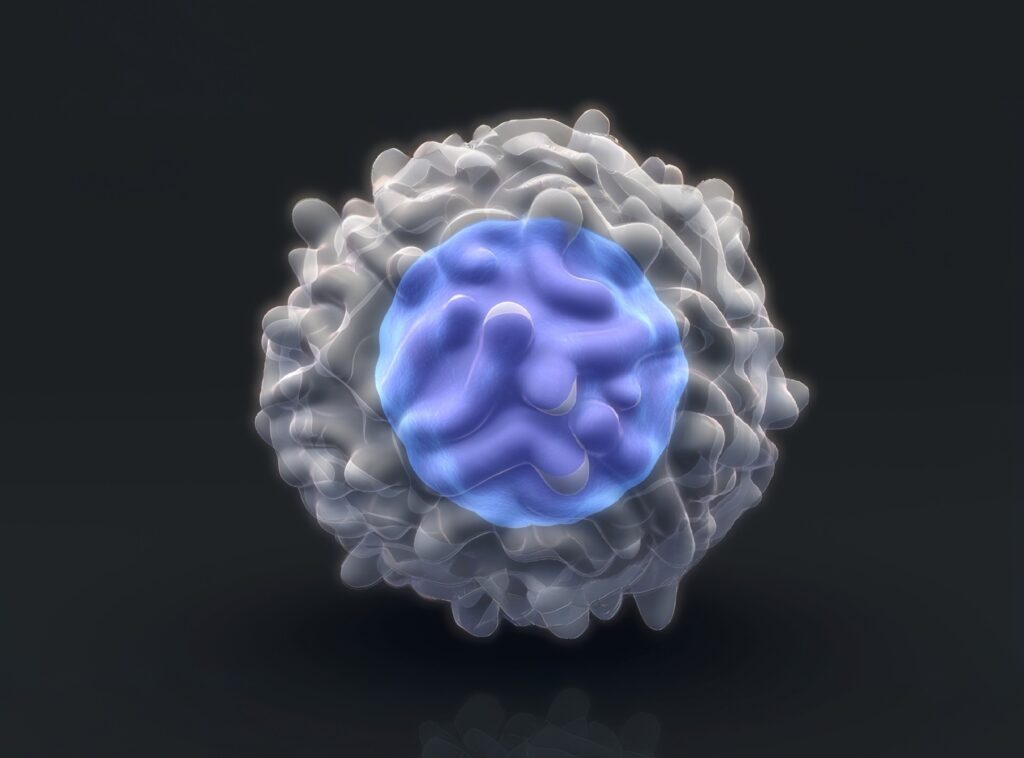
At the center of the study were CD4 T cells, helper immune cells that coordinate defense and inflammation.
During obesity, these cells tilted toward an effector memory state, a fast-reacting mode that can fuel inflammation.
After weight loss, their numbers and behavior did not quickly return to the calmer pattern seen in lean controls.
Because obesity affects one in eight people worldwide, this slow reset matters beyond any one clinic.
The immune memory did not come from rewritten genes, but from DNA methylation, chemical tags that tune gene activity.
Tags changed the activity of genes without rewriting the DNA code, so cells acted as if old conditions still mattered.
Reduced DNA methylation near a gene involved in cellular cleanup drew attention because it may help sustain the altered immune state.
A second gene tied to cellular aging indicated that older immune traits may persist longer than expected.
Cleanup and aging
Two cell routines carried the memory forward, starting with autophagy, the cleanup process cells use to break down waste.
In mice that lost fat after a high-fat diet, this cleanup signal stayed unusually active in inflammatory T cells.
Immune senescence, aging that leaves immune cells less flexible, also remained higher after weight loss.
Those routines may protect cells in short bursts, but long persistence can keep immune responses off balance for years.
What the human evidence showed
Human evidence came from four groups of patients, volunteers, and surgical tissue donors, giving the team several routes into the same immune problem.
One group had Alstrom syndrome, a rare genetic disorder causing early obesity, and another used weight-loss injections.
A 10-week exercise trial changed fitness, yet the CD4 memory pattern did not reset in blood or fat tissue.
Such results do not make exercise pointless; they show that immune repair follows a longer clock.
Fatty acids pushed
Lab tests pointed to palmitate, a saturated fat molecule common in high-fat diets, as one possible trigger.
Palmitate made CD4 T-cell membranes more ordered and less fluid, which can change signals moving from the cell surface to the nucleus.
Once those signals reached DNA control regions, methyl tags decreased near a gene involved in cellular cleanup in the tested cells.
Oleic acid – a common unsaturated fat – acted differently, showing that not every fat produced the same immune effect.
When genes were removed
Mouse experiments tested STK26 more directly by removing the gene and feeding animals normal or high-fat diets.
Without that gene, inflammatory effector memory T cells expanded less after an immune challenge.
Autophagy also weakened, showing that the gene helped power the cleanup pathway tied to the memory.
Even so, aging-like immune cells rose, so blocking one route did not fully restore balance.
Why disease risk lingers
Disease risk lingers when immune cells keep sending inflammatory signals into tissues that handle sugar, fat, and repair.
“The findings suggest that short-term weight loss may not immediately reduce the risk of some disease conditions associated with obesity, including type 2 diabetes and some cancers. Instead, ongoing weight management following loss will see the ‘obesity memory’ slowly fade,” said Mauro.
The team estimated that fading could take 5 to 10 years, a boundary future long-term studies must test.
Future research directions
One treatment clue involves SGLT2 inhibitors, diabetes drugs that may help immune cells remove aged cells.
Related work found that one drug in that family helped reduce senescent cells, aged cells that can fuel inflammation, in obese mice.
Researchers still need to prove in carefully designed trials whether SGLT2 inhibitors can safely speed immune recovery after human weight loss.
Long studies must test whether SGLT2 inhibitors or other cleanup-targeting routes reduce disease risk after sustained weight loss.
The lasting immune imprint connects weight history, DNA tagging, cell cleanup, and immune aging into one slow recovery process.
Care after major weight loss may need to monitor inflammation for years as researchers work to safely speed immune recovery.
The study is published in the journal EMBO Reports.
—–
Like what you read? Subscribe to our newsletter for engaging articles, exclusive content, and the latest updates.
Check us out on EarthSnap, a free app brought to you by Eric Ralls and Earth.com.
—–