




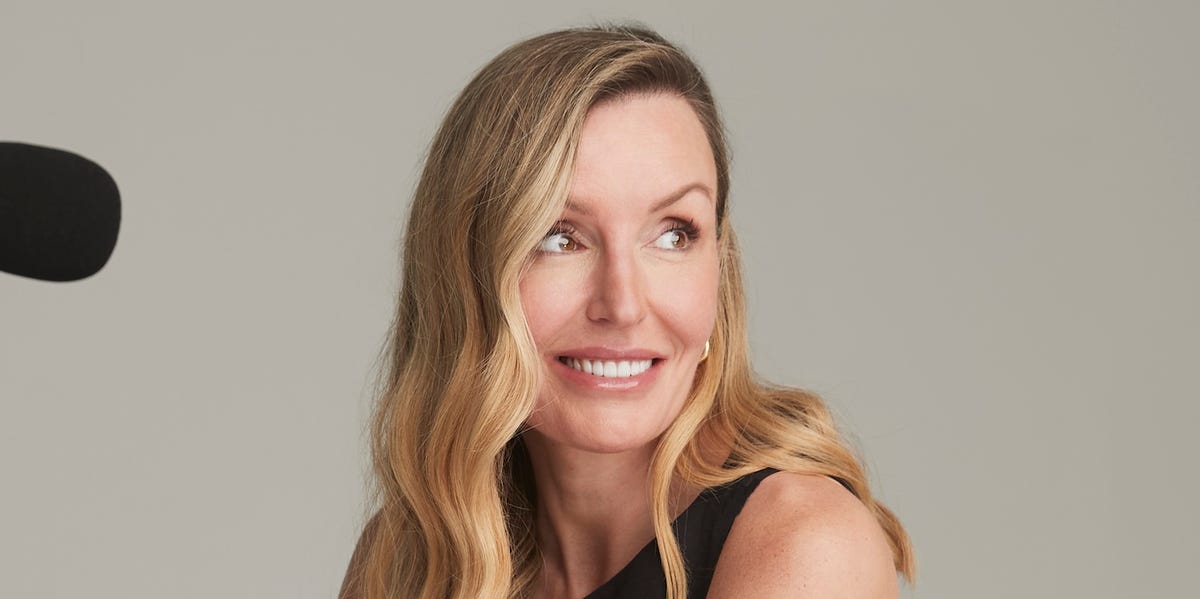
As an editor-in-chief, my professional life is one of visibility: my photograph appears in this magazine every single month; my interviews with high-profile guests for the Women’s Health podcast are conducted on camera; and I deliver talks to hundreds of people. Put simply: I am on show. And my confidence is operational. It fuels my decision-making, sharpens my communication skills and steadies the room.
For years, there was one constant. I was fortunate to have naturally white, relatively straight teeth and even when my body confidence wavered, I knew I could rely on my smile. A quick scroll through the research goes some way towards explaining why. Smiling triggers the release of dopamine, serotonin and endorphins, lowering cortisol and stress levels while boosting mood.
It’s self-perpetuating, too; it’s thought that activating the facial muscles involved in a smile sends feedback signals to the brain, particularly to areas associated with emotional processing. This ‘facial feedback’ loop suggests that the brain interprets the physical expression as a sign of happiness, and in response, adjusts neurochemical activity accordingly. In other words, the body leads and the mind follows.

I’m regularly on camera for Women’s Health podcast, Just As Well, with guests including cover star Jessie J
But as I moved into my late forties, my teeth began to change. The natural whiteness dulled. Staining crept in and whitening treatments offered only temporary improvement. Before long, my gums became uneven; my teeth started showing wear at the edges; and a silver filling from my teens grew more visible through thinning enamel. I told myself it was normal ageing – and it is.
Research published in the Journal Of Dental Sciences found that hormonal changes during perimenopause and menopause can significantly affect oral health. Oestrogen receptors are present in gum tissue and salivary glands, meaning declining hormones can lead to a dry mouth, gum inflammation and higher bacterial levels while increasing the risk of cavities and periodontal disease.
Naturally, I tried not to let it bother me. But I felt the insecurity rising – and showing up where it wasn’t welcome. I started smiling less and less, covering my mouth in meetings and when meeting someone new. If first impressions matter in leadership – and they do – I felt mine slipping.
In a survey by the British Academy of Cosmetic Dentistry, around 45% of UK adults said they were unhappy with their smile, while online searches for ‘smile makeover’ in the UK were up by nearly 50% between 2022 and 2024.
So, when I met Sam Jethwa, founder of Bespoke Smile and former president of the British Academy of Cosmetic Dentistry, I was assured by his approach. He’s renowned for his ultra-thin Feather Veneers – of which I had nine fitted on my upper teeth. Unlike traditional veneers, his are minimally invasive, preserving natural enamel while refining shape, colour and symmetry.
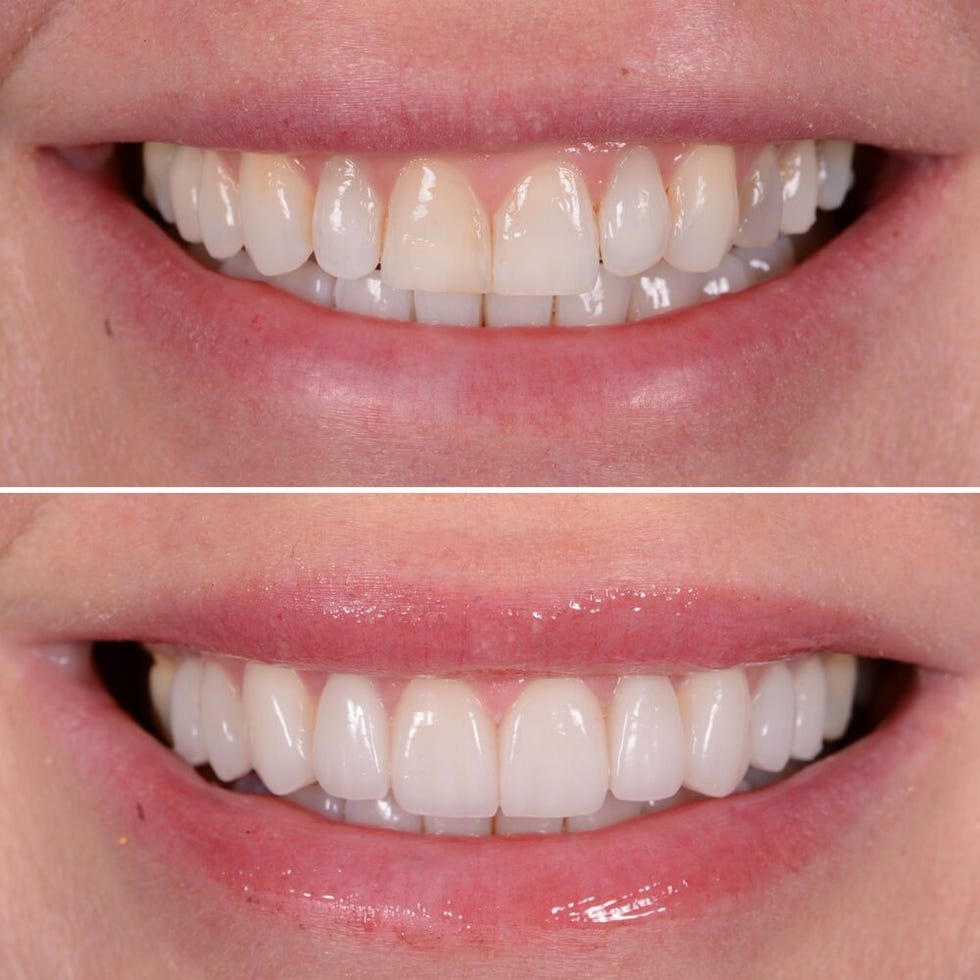
Claire’s teeth before and after Dr Sam Jethwa added Feather Veneers
After evaluating my entire face, Dr Jethwa assured me my experience was common. His plan included widening my smile, adjusting colour and performing subtle laser gum contouring. Next came the trial smile – a temporary version I could ‘test drive’.
When fitting day arrived, next to nothing was removed from the surface of my natural teeth, and the veneers felt and looked natural. But even I was surprised by the reaction: compliments in meetings, at events, even from strangers.
Now, I smile without thinking and I feel comfortable taking up space. I’m not suggesting veneers – nor any cosmetic treatment – are a cure for ailing confidence; self-belief is built on more than enamel. But when you smile, the world really does feel like a better place.
Dr Sam Jethwa’s tips for choosing veneers 1. Don’t be led by price alone
Low-cost veneers can mean compromise on materials, planning or craftsmanship. Ask how much of your natural tooth will be preserved – the goal should be to retain as much healthy enamel as possible.
2. Don’t play copycat
A smile that suits one face won’t necessarily suit another. Bone structure, lip shape, symmetry and proportions all influence what looks natural.
3. Master maintenance
Veneers typically last 15 to 20 years, but maintenance matters. Brush twice daily with a soft-bristled brush and non-abrasive fluoride toothpaste. Regular hygiene appointments are essential.
Claire received complimentary treatment from Dr Jethwa for the purposes of review.
RELATED STORIES
Claire Sanderson is the multi award-winning editor-in-chief of Women’s Health.
She is responsible for the strategy and direction of the entire brand across all platforms. Claire is a regular contributor to TV, radio and podcasts. She also speaks at universities about improving social diversity in the media and has worked with the government to improve health outcomes of women and girls as the only media representative on the Women’s Health Taskforce.
Claire is mum to sport obsessed Zak, 10 and Nell, 7 who is Strictly’s biggest fan. In her very little spare time you’ll find her on her Peloton bike.