




If you’ve ever felt tempted by a “miracle” weight loss pill promising fast results with minimal effort, you’re not alone. There are plenty of supplements on shelves promising quick fixes for your weight loss woes, but the unfortunate truth is that many fall short when it comes to sustainable results.
According to Dr. Kezia Joy, some of the most popular weight loss supplements on the market are not only ineffective, but also be misleading, expensive, and even counterproductive. Here are four weight loss supplements she says aren’t worth your money—and what to focus on instead.

Say Bye To Wrinkles And Fine Lines — This LED Mask Is The Skin Rejuvenation Game-Changer You Need!
shutterstock
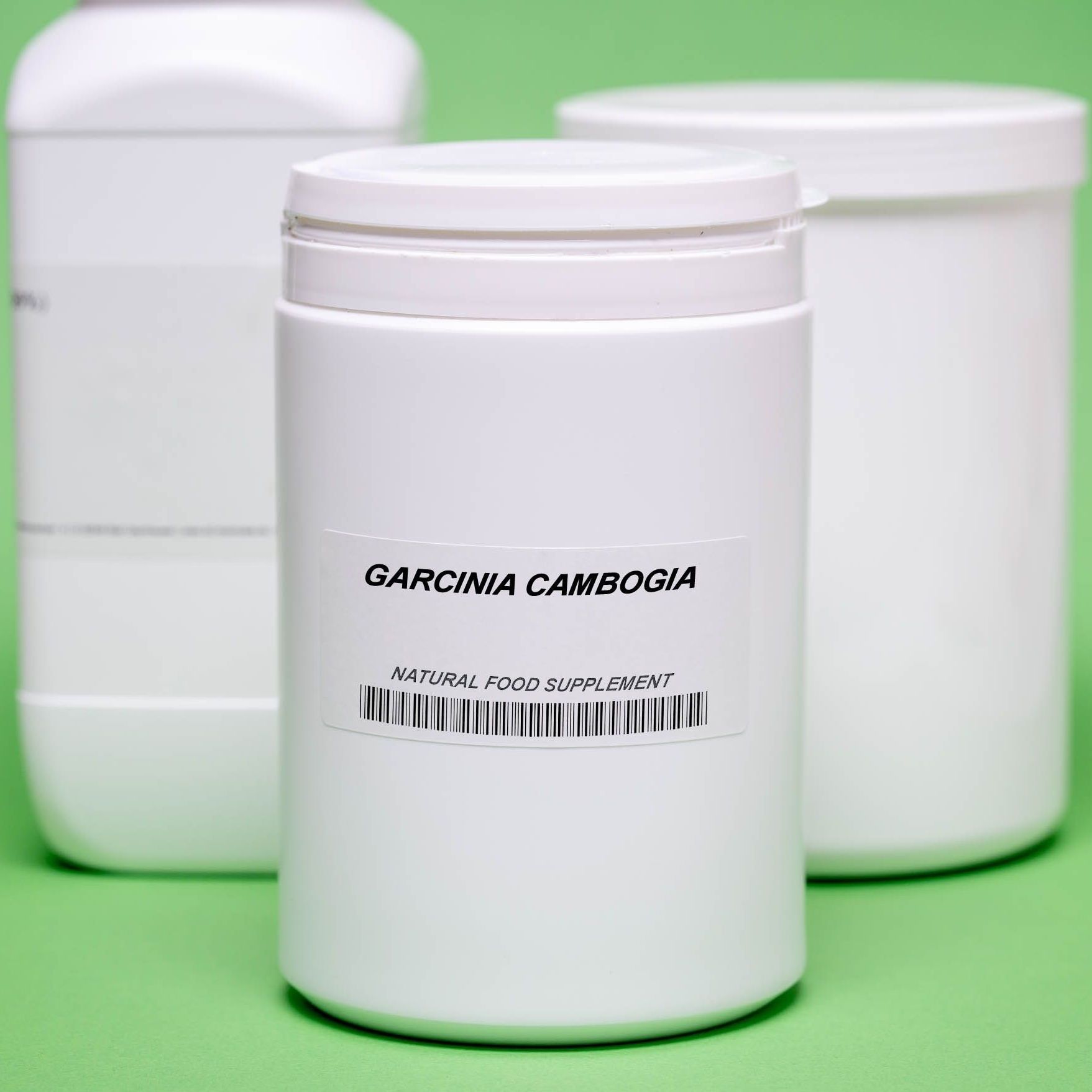
1. Garcinia Cambogia
Garcinia Cambogia is often marketed as an appetite suppressant and fat blocker. But according to Dr. Joy, it’s not the best option for real weight management. Instead, she recommends an approach focused on whole foods rather than supplements.
“In addition to whole food diets that are high in protein and fiber and are low-calorie, some of the most effective ways to prevent or manage obesity include focusing on increasing your intake of fruits and vegetables,” she explains. “Fruits and vegetables provide important vitamins, minerals and fiber that can help you feel fuller longer.”
She adds that these foods also contain compounds like beta-carotene and lycopene, which “may help reduce inflammation in the body,” which is something no pill can replicate as effectively.
raspberry ketonesraspberry ketones@iherb.com
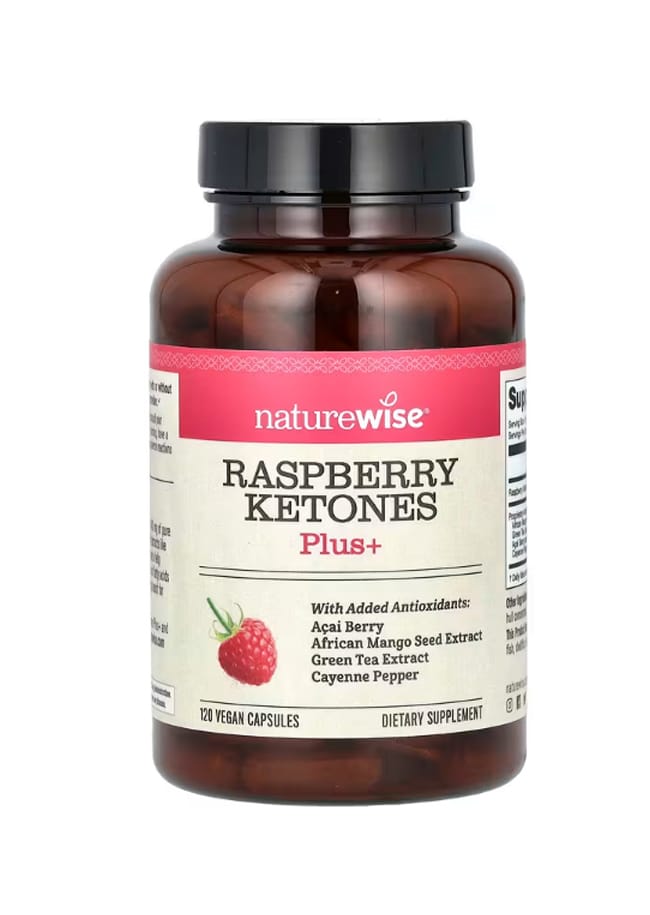
2. Raspberry Ketones
Raspberry ketones are often advertised as fat-burning compounds that speed up metabolism, but the science doesn’t necessarily back up the promised results.
“The benefits of raspberry ketone to increase the rate at which your body burns fat have been studied mostly on animals and in test tubes,” Dr. Joy explains. “The effects of taking raspberry ketone have not shown consistent weight loss results.”
Some users report unpleasant side effects, too. “Many people who take this product report feelings of jitters,” she notes.
“A safer way to lose weight is by doing steady amounts of exercise along with eating enough protein daily,” she says. “Doing strength training and some type of daily movement will not only allow you to keep as much muscle mass as possible while losing unwanted fat, but it can also be done consistently over an extended period of time.”
shutterstock
3. Detox Teas and Fat-Burning Teas
Detox teas may make you feel lighter quickly, but that doesn’t mean they’re helping you lose fat.
“Many detox tea products use laxatives or diuretics as their active ingredients to induce a temporary loss of body fluid, as opposed to a loss of body fat,” Dr. Joy explains. “As such, many people experience an initial feeling that they are losing weight.”
This isn’t real weight loss, and it can come with downsides. “Over time, this approach can cause dehydration and/or disrupt the normal balance of the digestive system due to excessive use,” she warns.
Instead, she recommends a much simpler approach: “Using plain old water for hydration, along with consuming high-fiber, natural foods (such as fruit, oatmeal and seeds) will support your overall digestion and metabolic health far better than relying on short-term solutions.”
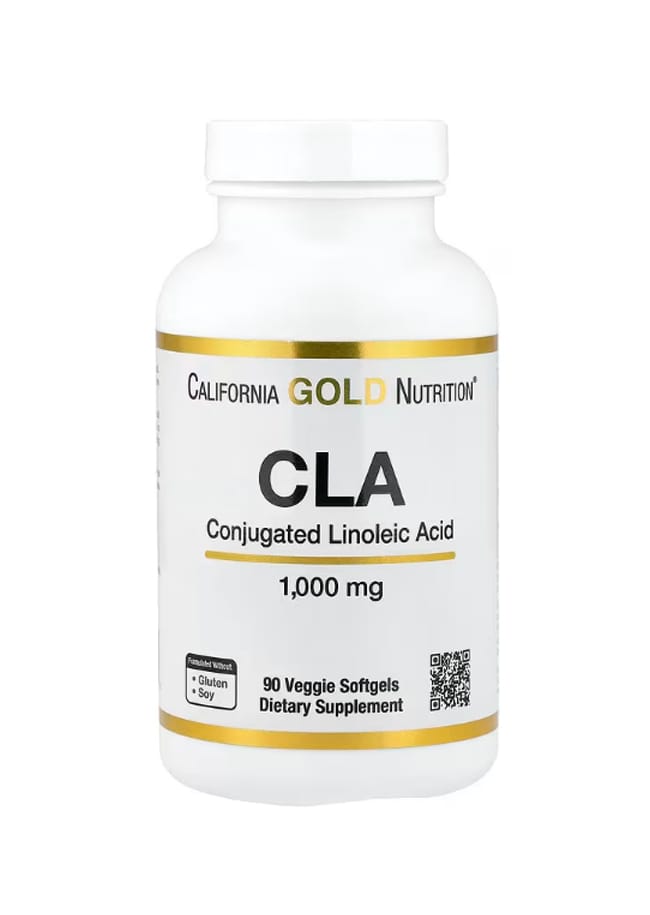
Conjugated Linoleic Acid (CLA)@iherb.com
4. Conjugated Linoleic Acid (CLA)
CLA supplements are widely promoted for fat loss, but according to Dr. Joy, the evidence just isn’t there.
“There has been a lot of marketing on CLA supplements for weight loss; however, it seems that very little evidence exists to support this claim,” she says.
And in some cases, they may even cause unwanted effects. “There does seem to be some minor effects of using CLA supplements in terms of affecting blood sugar levels (potentially negative) or being uncomfortable with digestion at certain high dose ranges.”
The good news is that you don’t need a supplement to get similar benefits. “You can get your body the same benefits as CLA by consuming a variety of different fats such as those found in nuts, seeds and olive oil,” she explains.
Good to know!