




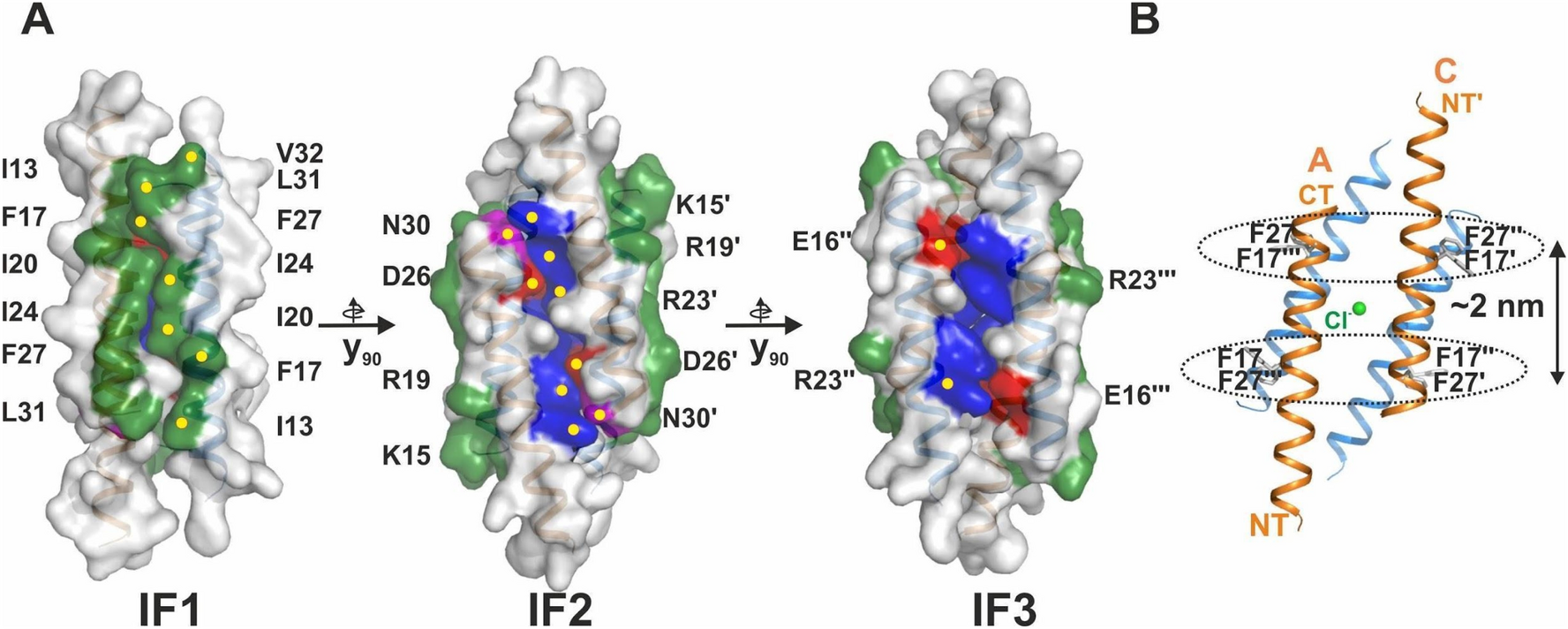
LL-37 is a cationic, amphipathic peptide belonging to the cathelicidin family, a conserved group of host-defense peptides identified across multiple species. LL-37 originates from the C-terminal cleavage of the precursor protein hCAP-18 (cationic antimicrobial protein of 18 kDa). Unlike many peptides that operate within narrowly defined biochemical pathways, LL-37 is believed to occupy a unique molecular niche. Research indicates that it may participate in antimicrobial defense, immune modulation, angiogenic signaling, and tissue remodeling, positioning it as a subject of intense scientific interest across immunology, microbiology, oncology, regenerative biology, and bioengineering.
This article explores the structural properties, mechanistic hypotheses, and expanding research domains associated with LL-37, emphasizing its multifunctional molecular identity and speculative translational implications.
Structural Architecture and Biophysical Identity
LL-37 consists of 37 amino acids and begins with two leucine residues, hence the name LL-37. The peptide adopts an alpha-helical conformation under physiological ionic conditions, particularly in membrane-like environments. Its amphipathic configuration—containing both hydrophobic and positively charged domains is believed to allow it to interact with negatively charged lipid membranes. This electrostatic interaction is theorized to underlie many of its antimicrobial properties.
Biophysical investigations suggest that LL-37 may oligomerize in solution and upon membrane contact. This self-association has been hypothesized to facilitate pore formation or membrane destabilization in microbial membranes. Unlike classical antibiotics that target specific enzymatic pathways, LL-37 appears to operate through biophysical membrane perturbation combined with immune signaling functions. This dual identity differentiates it from conventional antimicrobial compounds and aligns it with the broader class of innate immune peptides.
Antimicrobial and Antiviral Properties in Research Contexts
LL-37 has been widely characterized for its antimicrobial spectrum. Research indicates that the peptide may interact with bacterial membranes by binding to anionic phospholipids, potentially leading to membrane destabilization, altered permeability, and structural disintegration. Studies suggest that the peptide might also translocate into microbial cytoplasm under certain conditions, interfering with intracellular processes.
In addition to antibacterial activity, investigations purport that LL-37 might display antiviral properties through interactions with viral envelopes or through modulation of host immune signaling pathways. It has been hypothesized that the peptide may interfere with viral entry processes by altering membrane fluidity or binding to viral particles. Furthermore, LL-37 is thought to participate in nucleic acid-sensing pathways by forming complexes with extracellular DNA or RNA, influencing toll-like receptor signaling cascades.
The antifungal dimension of LL-37 has also attracted attention. Research suggests that the peptide may alter fungal membrane integrity and interfere with biofilm formation. Given the increasing interest in antimicrobial resistance, LL-37 is frequently examined as a molecular template for designing synthetic analogues that retain antimicrobial properties while enhancing stability or selectivity.
Immunomodulatory Signaling and Inflammatory Hypotheses
Beyond its antimicrobial attributes, LL-37 appears deeply integrated into immune regulation. Investigations purport that the peptide may act as a chemoattractant for immune cells, including neutrophils, monocytes, and T lymphocytes. This recruitment is believed to involve interactions with formyl peptide receptor-like 1 (FPRL1), also known as FPR2.
Research indicates that LL-37 might influence cytokine expression profiles depending on environmental context. Under certain conditions, the peptide may enhance pro-inflammatory signaling, while in other contexts it might attenuate excessive inflammatory responses. This dual potential has led to the hypothesis that LL-37 may function as an immunological modulator rather than a simple activator.
One of the more intriguing dimensions of LL-37 biology involves its possible interaction with extracellular nucleic acids. The peptide seems to bind self-DNA or microbial DNA and facilitate its uptake into immune cells, thereby influencing toll-like receptor pathways such as TLR9. This property has generated discussion in autoimmune research domains, where LL-37–DNA complexes are theorized to contribute to dysregulated immune signaling in specific inflammatory disorders.
Angiogenesis and Tissue Remodeling Studies
Research indicates that LL-37 has been implicated in vascular biology and tissue regeneration research. Investigations purport that the peptide may promote endothelial cell migration and proliferation in research models. It has been hypothesized that LL-37 may interact with growth factor pathways or modulate vascular endothelial growth factor (VEGF) expression, thereby influencing angiogenic processes.
In wound-healing research contexts, LL-37 is often described as a mediator of epithelial cell migration and re-epithelialization. Investigations purport that the peptide might stimulate keratinocyte proliferation and influence extracellular matrix remodeling through indirect modulation of matrix metalloproteinases. These properties have positioned LL-37 as a molecule of interest in biomaterial science, where it may be integrated into scaffolds or coatings designed to promote regenerative microenvironments. Research indicates that LL-37 may also influence fibroblast activity and collagen deposition. Such interactions suggest a broader regulatory role in tissue architecture beyond its antimicrobial identity.
Oncology Research and Tumor Microenvironment Dynamics
LL-37 has been hypothesized to occupy a complex position within oncology research. Investigations purport that the peptide may exert context-dependent impacts on tumor biology. In certain cancer research models, LL-37 expression appears elevated within tumor microenvironments. It has been hypothesized that LL-37 might influence cellular proliferation, migration, and angiogenesis through receptor-mediated pathways.
Findings imply that the peptide may interact with epidermal growth factor receptor (EGFR) signaling or other proliferative cascades, thereby influencing cellular growth dynamics. Conversely, under different experimental conditions, LL-37 has been theorized to exhibit cytotoxic properties against specific transformed cells through membrane-disruptive mechanisms.
This apparent duality has stimulated discussion regarding LL-37’s microenvironment-dependent behavior. Rather than acting uniformly as pro- or anti-tumorigenic, the peptide appears to function as a contextual modulator influenced by receptor expression patterns, extracellular matrix composition, and local immune signaling networks.
Conclusion: A Peptide Beyond Antimicrobial Identity
LL-37 represents a compelling example of molecular multifunctionality within innate immunity. Research indicates that the peptide may operate simultaneously as an antimicrobial agent, immunomodulator, angiogenic mediator, and regulator of tissue remodeling. Its context-dependent behavior within tumor microenvironments further underscores its biological complexity. Licensed professionals may find the best research materials here.
References
[i] Gudmundsson, G. H., Agerberth, B., Odeberg, J., Bergman, T., Olsson, B., & Salcedo, R. (1996). The human gene FALL39 and processing of the cathelicidin precursor to the antibacterial peptide LL-37 in granulocytes. European Journal of Biochemistry, 238(2), 325–332. https://doi.org/10.1111/j.1432-1033.1996.0325q.x
[ii] Lande, R., Gregorio, J., Facchinetti, V., Chatterjee, B., Wang, Y.-H., Homey, B., Cao, W., Su, B., Nestle, F. O., Zal, T., Mellman, I., Schröder, J.-M., Liu, Y.-J., & Gilliet, M. (2007). Plasmacytoid dendritic cells sense self-DNA coupled with antimicrobial peptide. Nature, 449(7162), 564–569. https://doi.org/10.1038/nature06116
[iii] Koczulla, R., von Degenfeld, G., Kupatt, C., Krötz, F., Zahler, S., Gloe, T., Issbrücker, K., Unterberger, P., Zaiou, M., Lebherz, C., Karl, A., Raake, P., Pfosser, A., Boekstegers, P., & Bals, R. (2003). An angiogenic role for the human peptide antibiotic LL-37/hCAP-18. The Journal of Clinical Investigation, 111(11), 1665–1672. https://doi.org/10.1172/JCI17545
[iv] De Yang, Chen, Q., Schmidt, A. P., Anderson, G. M., Wang, J. M., Wooters, J., Oppenheim, J. J., & Chertov, O. (2000). LL-37, the neutrophil granule– and epithelial cell–derived cathelicidin, utilizes formyl peptide receptor–like 1 (FPRL1) as a receptor to chemoattract human peripheral blood neutrophils, monocytes, and T cells. The Journal of Experimental Medicine, 192(7), 1069–1074. https://doi.org/10.1084/jem.192.7.1069
[v] Heilborn, J. D., Nilsson, M. F., Sørensen, O., Ståhle-Bäckdahl, M., Kratz, G., Weber, G., & Sørensen, O. E. (2005). The cathelicidin antimicrobial peptide LL-37 is involved in re-epithelialization of human skin wounds and is lacking in chronic ulcer epithelium. The Journal of Investigative Dermatology, 124(3), 559–567. https://doi.org/10.1111/j.0022-202X.2005.23635.x