




Spotify has quietly launched what feels like a quiet declaration of war on independent fitness creators. The music streaming giant is no longer content with dominating audio — it’s expanding aggressively into guided workouts, yoga sessions, Pilates classes, and full fitness programming. All of it lives inside the same Spotify app millions already pay for.
What’s New
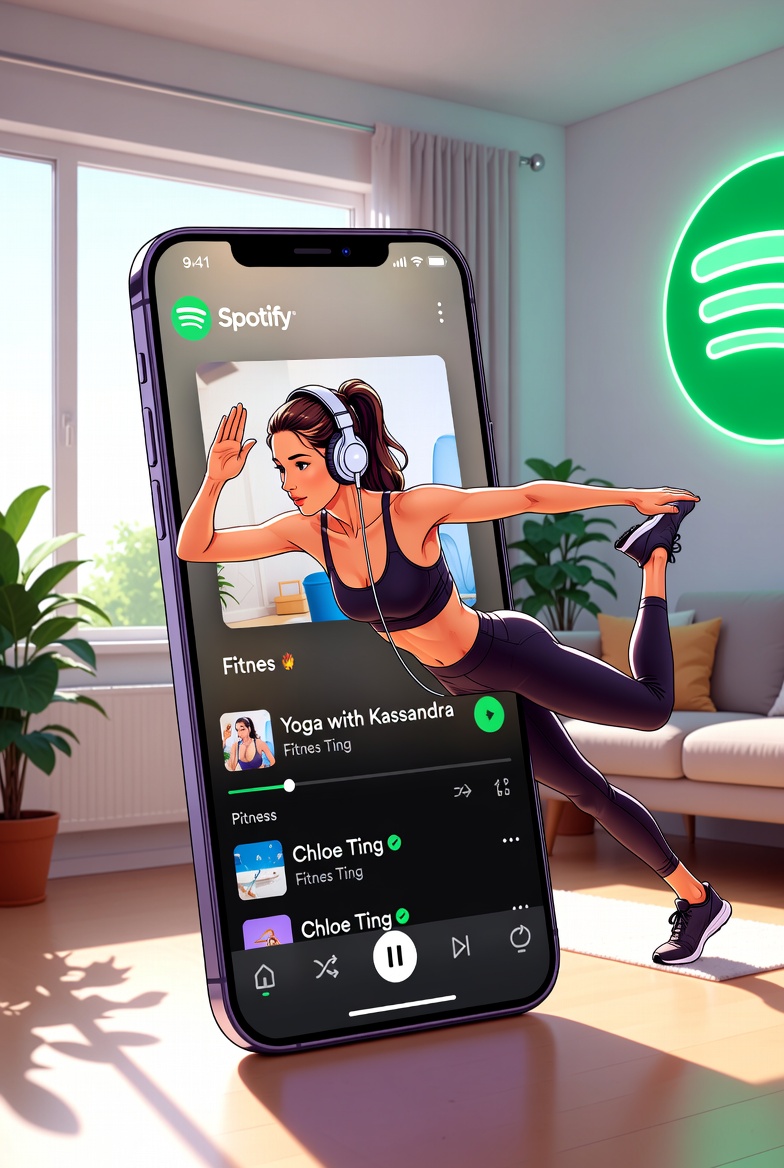
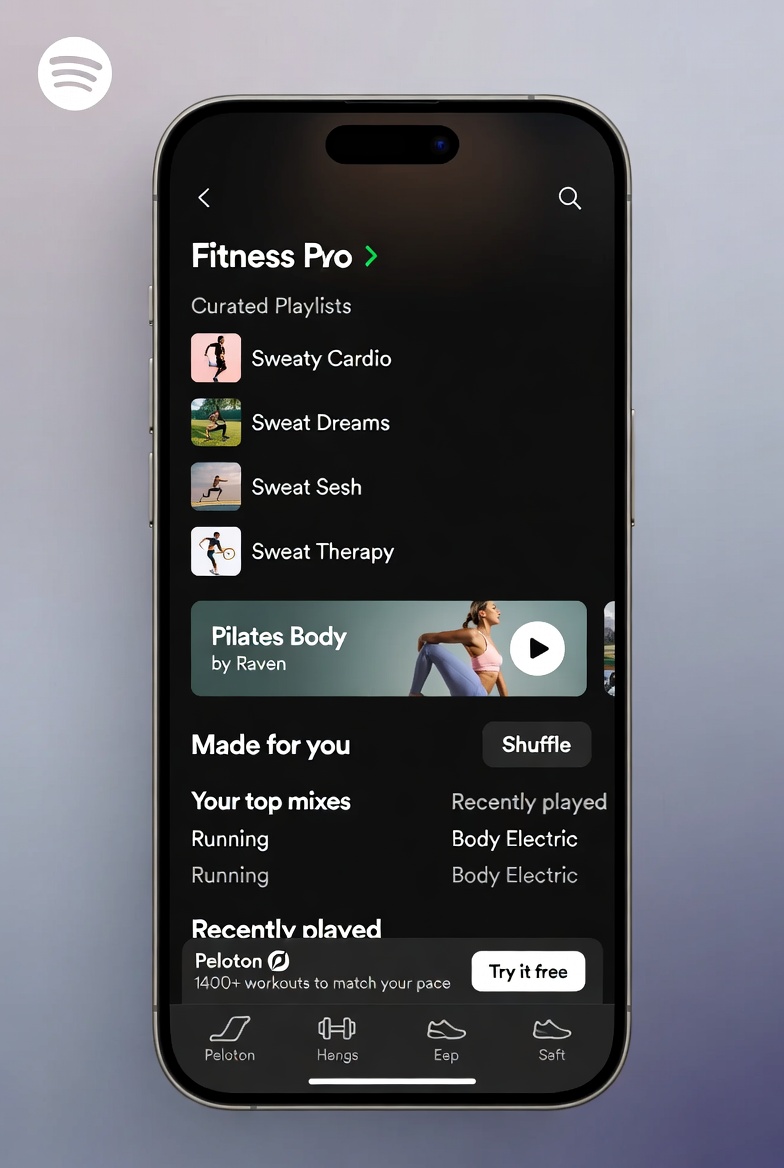
 Premium users can now browse dozens of curated fitness playlists and on-demand audio workouts featuring popular creators such as:
Yoga with Kassandra;
Caitlin K’eli Yoga;
Sweaty Studio;
Chloe Ting Home Workouts;
Pilates Body by Raven;
Abi Mills Wellness;
Sophiereidfit.
…and many others. The content ranges from short energizing sessions to full-length classes.
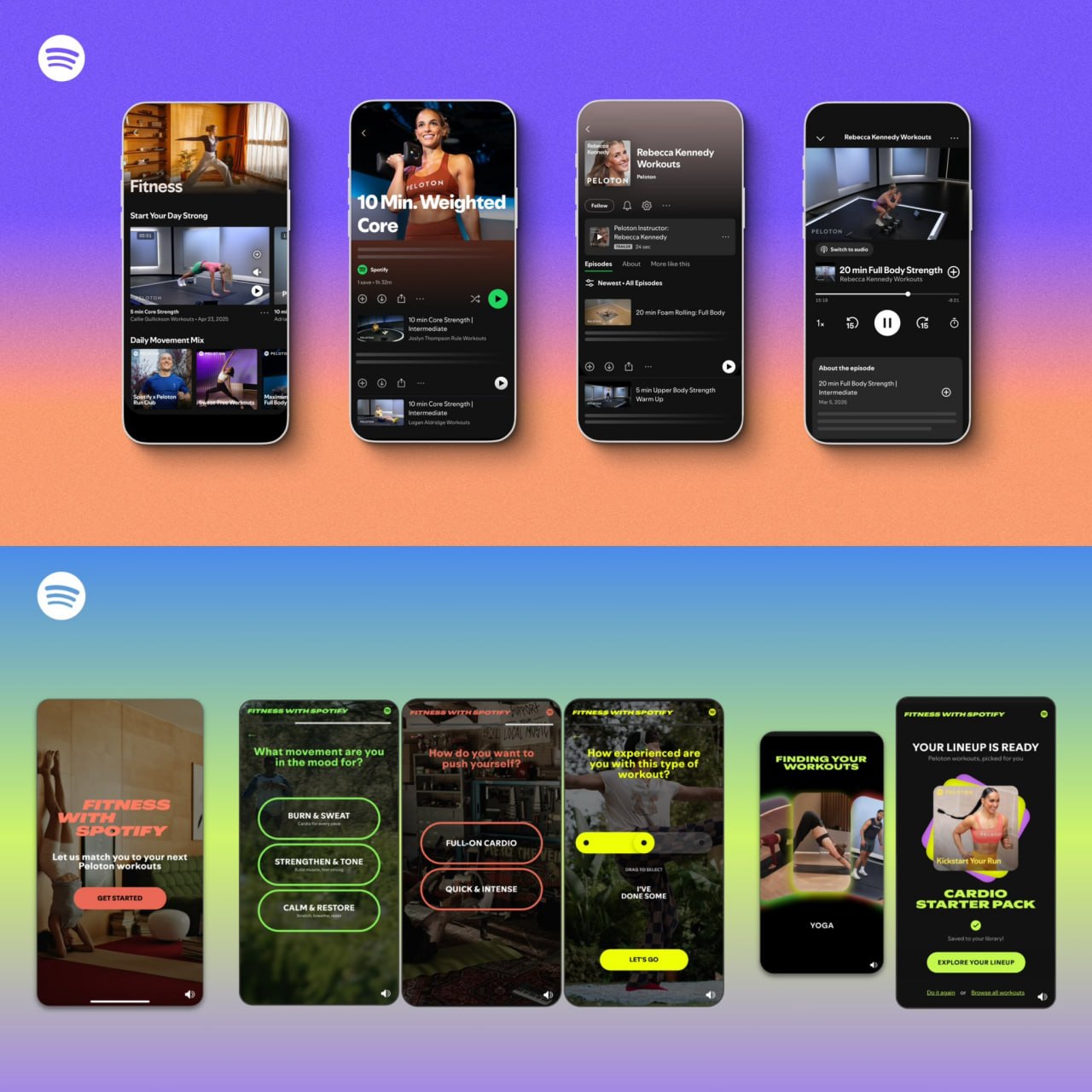
Even bigger is Spotify’s new partnership with Peloton. Premium subscribers now get access to over 1,400 workouts — running, cardio, strength training, yoga, meditation, and more — without any additional subscription. No need to open a separate Peloton app or pay their monthly fee. Everything plays natively inside Spotify.
This is a massive convenience play. One app, one subscription, music + workout guidance.
Why Spotify Is Doing This
 The business logic is obvious and ruthless:
Fitness is a gigantic market. The global wellness industry is worth hundreds of billions and still growing fast.
Their users already work out. Internal data and analyst estimates show that roughly 70% of Spotify Premium users exercise at least once a month.
Organic demand already exists on the platform. There are reportedly 150 million workout-related playlists created by users. Spotify isn’t creating demand — it’s capturing and owning it.
By bundling fitness content into the existing Premium tier, Spotify increases perceived value, reduces churn, and opens a new content vertical without needing to raise prices (at least not yet).
The Creator Problem
Here’s the part that should worry every independent fitness creator, YouTuber, and Substack wellness writer.
 This is the same playbook we’ve seen before with YouTube and Instagram:
Creators pour years into building an audience.
Big platforms notice the engagement.
Platforms start hosting the content themselves.
They keep the relationship with the user and most of the revenue.
Creators are left hoping some percentage of that audience will follow them to their own paid membership, Patreon, or website.
Spotify isn’t killing the creators mentioned above — many are likely getting paid licensing deals. But the long-term ownership shift is clear. The audience now discovers and consumes the workout inside Spotify. The platform controls the recommendation algorithm, the notifications, the data, and the payment relationship. Creators become content suppliers rather than brand owners.
It’s the classic “upload here first, then try to pull them to your own thing later” funnel — except the platforms keep getting better at making “later” unnecessary for most users.
Also read:
The Bigger Picture
Spotify is transforming from a music streaming service into a full lifestyle audio platform: podcasts, audiobooks, sleep sounds, now fitness. Each new vertical makes Premium more sticky.
For users, this is mostly good news — more value for the same (or slightly increasing) subscription price. For independent creators who built their businesses outside the platforms, it’s another reminder that distribution is everything and ownership is increasingly illusory.
The next niches are probably already in Spotify’s crosshairs: cooking, language learning, meditation libraries, or even niche hobby content. Wherever there’s high engagement and repeatable consumption, the platform will move in.
Welcome to the new reality: the platforms don’t just host your content anymore. They’re becoming the entire experience — and they’re getting very good at it.