



Open social media, and you will be bombarded with videos where elderly people in their 60s, 70s, and 80s are hitting the gym. From a 75-year-old grandmother doing barbell squats to 84-year-old veteran Bollywood actor Ranjeet performing cable chest fly at the gym, they clearly show that age is just a number. While these videos have inspired people around the world, they also raise important questions about safety guidelines, common mistakes, and best practices. In conversation with HT Lifestyle, Sumit Dubey, fitness expert and the Founder of Sumit Dubey Fitness (SDF), explained the benefits, risks and what seniors should keep in mind.
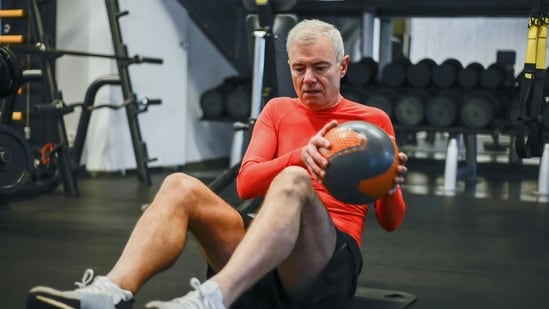
 Hitting gym at old age requires awareness and precautions. (Pexel)
Also read | 75-year-old dadi refuses to slow down at the gym: Inside her impressive workout, from squats to barbell training
How safe is gymming for seniors?
Sumit said, “There is a lot of evidence that supports the benefits of hitting the gym, even after 60, if done properly. It’s no surprise that exercise routines offer clear advantages for elderly individuals.”
However, ensuring safety is also important. According to Sumit, safety depends on proper technique, tailored programs, and appropriate supervision. Physical activity in controlled environments often leads to improved strength, balance, and mobility. The key lies in gradual progression and awareness of personal limits.
Benefits of the gym
Sumit highlighted that regular exercise plays a crucial role in maintaining strength, mobility, and independence. With passing years, muscles shrink, and bones thin out gradually. Resistance work, light dumbbells included – slows these shifts, steadies posture control, and lessens chances of stumbling. Heart-friendly motion, like paced steps indoors or pedalling steadily, lifts stamina levels over time.
What seniors should keep in mind?
Beyond everything else, safety remains top priority. “When dealing with ongoing conditions – say, heart trouble, tight muscles, or unstable glucose levels – a complete health screening comes first,” Sumit told HT Lifestyle. He suggests easing into activity by moving lightly at the start; that way, tension doesn’t build too fast.
Start small and focus on form
With time, small jumps in intensity fit right in. A trainer who knows body mechanics can shape your form well, which also keeps injuries farther away. Just as vital comes flexibility and balance in routines. Through stretching, yoga, or basic stability tasks, joint movement and body control grow stronger. Often ignored, these aspects support daily physical function later in life.
Recovery is important
For older adults, rest periods between exercise sessions often need extending; pushing too hard brings risk.
Awareness matters
Paying attention to signals like tiredness or pain shapes safer routines. The body speaks when limits approach. Respect follows from noticing.
Eat right
Water intake, suitable shoes, and well-rounded meals play roles in staying safe during workouts. Muscle condition benefits when food includes enough protein. Performance remains steady if fluids are kept up throughout the day.
Ultimately, exercising during later years proves both secure and strongly advised if approached with care. When guided properly, performed consistently, and followed by suitable methods, older adults gain greater strength, enhanced well-being, and live more fully each day.
Note to readers: This article is for informational purposes only and not a substitute for professional medical advice. Always seek the advice of your doctor with any questions about a medical condition.