




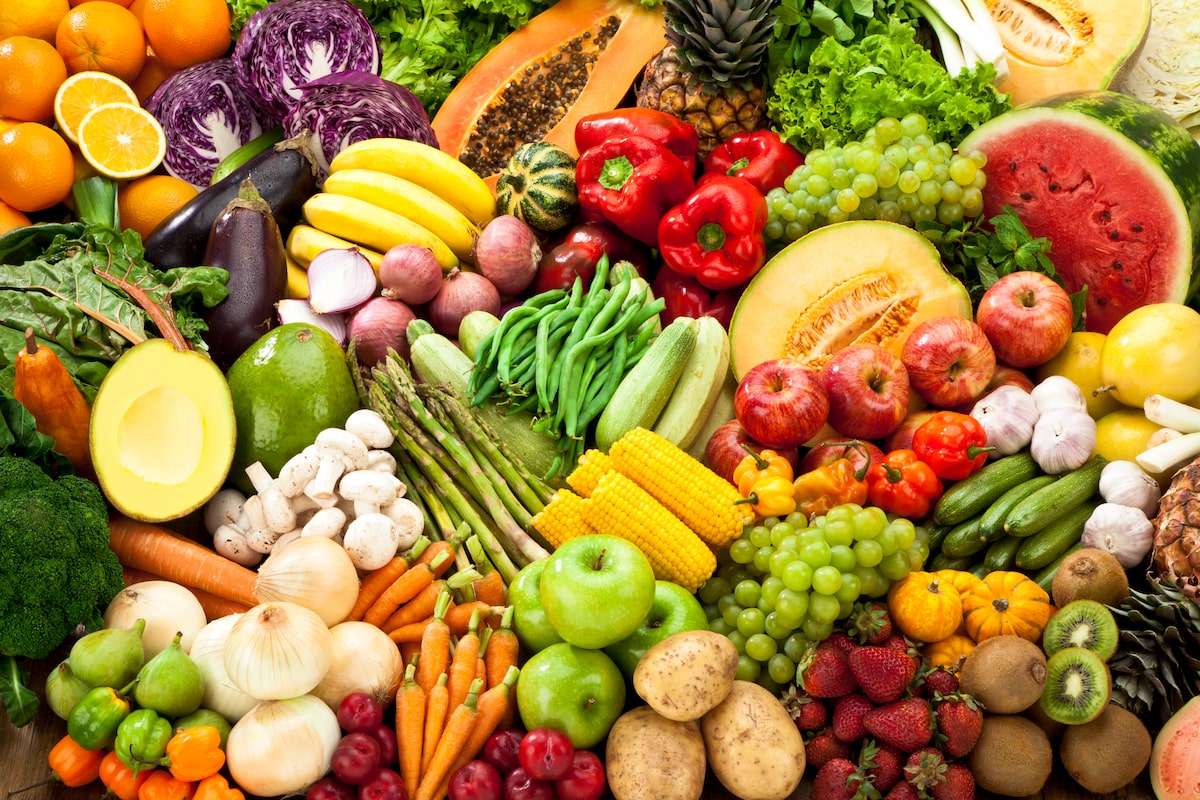
Diets rich in vegetables are consistently tied to better health.carlosgaw/iStockPhoto / Getty Images
We’re told repeatedly to eat plenty of vegetables – and for good reason.
Diets rich in vegetables are consistently tied to better health, including a lower risk of heart disease, stroke, Type 2 diabetes, colorectal cancer, cognitive decline and premature death.
Their benefits stem from a protective mix of vitamins, minerals, fibre, antioxidants and other bioactive plant compounds.
Here’s how to maximize their nutritional properties.
Eat them cooked
Cooking increases the bioavailability of heart- and brain-protective carotenoids, such as beta-carotene, lutein and lycopene, in vegetables. That’s because heat breaks down plant cell walls, making more carotenoids available for your body to absorb.
You’ll consume more usable carotenoids from cooked (versus raw) carrots, sweet potato, winter squash and spinach (beta-carotene), leafy greens such as kale, Swiss chard, collards and spinach (lutein) and tomatoes (lycopene).
Plant-rich diets linked to lower risk of Alzheimer’s, but quality matters
A study published in the peer-reviewed British Journal of Nutrition in 2012, for example, showed that the bioavailability of beta-carotene from carrots increased from 11 per cent when eaten raw to 75 per cent when eaten cooked.
Cooking, especially boiling, also reduces oxalates, plant compounds that bind to minerals in vegetables.
For higher-oxalate vegetables like spinach, okra and sweet potatoes, this can improve the absorption of calcium and, to a lesser extent, iron.
Cooking method matters
Some cooking methods do a better job of retaining nutrients than others.
Boiling vegetables rich in vitamin C and folate – such as cauliflower, cabbage, broccoli, asparagus and bell peppers – can lead to a loss of these water-soluble nutrients because they leach in the cooking water.
Boiling can also reduce some phytochemicals, including certain anti-inflammatory flavonoids, especially when they’re cooked for long periods or in large amounts of water.
If you do boil or blanch vegetables, using minimal water and shorter cooking times to help to retain more water-soluble vitamins and flavonoids.
Fatty liver? Here’s what to eat and what to avoid
Steaming vegetables helps preserve water-soluble nutrients and many phytochemicals since they don’t come into direct contact with the cooking water.
Other cooking methods that use little water and short cook times – roasting, grilling, quick sautéing and microwaving – can also help minimize nutrient losses.
The case for raw vegetables
Raw or lightly cooked cruciferous vegetables – broccoli, cauliflower, cabbage and Brussels sprouts, for example – can provide higher amounts of isothiocyanates, phytochemicals with anti-cancer properties.
That’s because heat can deactivate myrosinase, an enzyme that’s needed to convert natural compounds in these vegetables, called glucosinolates, into beneficial isothiocyanates. (Some conversion of glucosinolates to isothiocyanates can still occur in the gut after cooking.)
Eating garlic raw, rather than cooked, provides more allicin, a phytochemical with antioxidant, anti-inflammatory and antimicrobial properties. It also may help lower LDL cholesterol and blood pressure.
Garlic contains a heat-sensitive enzyme called alliinase, which triggers the formation of allicin. Heating inactivates alliinase.
The good news, though, is that letting crushed or chopped garlic sit for five to 10 minutes before cooking allows allicin to form before heat interferes with the enzyme.
To get the most of these beneficial phytochemicals from garlic, add it raw to salad dressings, pesto and dips and add chopped garlic that’s been left to sit briefly to sautéed vegetables and marinara sauces.
Pair veggies with healthy fat
Whether raw or cooked, combining vegetables with a little fat allows your body to better absorb fat-soluble phytochemicals and nutrients, such as vitamin E, vitamin K and carotenoids.
In a 2016 study published in The Journal of Nutrition, adding whole eggs to a salad containing baby spinach, romaine lettuce, carrot and tomato increased the absorption of vitamin E by four- to seven-fold compared to eating the same salad without eggs.
The researchers had reported in 2015 that including whole eggs in the salad enhanced the absorption of carotenoids by as much as eight-fold.
Another small study published the same year showed that adding vegetable oil to a green salad significantly increases the absorption vitamin K, vitamin E and carotenoids.
The more oil, the greater the absorption. Without any added fat, absorption of these nutrients was minimal.
Sauté or roast vegetables with a healthy plant-based oil. When eating salad, add an oil-based dressing, avocado, nuts or seeds.
Don’t overlook frozen
For out-of-season vegetables (and fruit), consider buying frozen produce.
They’re typically flash frozen soon after harvest, when nutrient levels are at their peak.
Plus, frozen produce is economical and convenient. With minimal preparation required, it can make it easier to eat more vegetables.
Bottom line
Include a mix of cooked and raw vegetables in your diet to maximize their nutritional benefits – and pair them with healthy fats to improve the absorption of fat-soluble vitamins.
Ultimately, though, it’s the consistency of eating a vegetable-rich diet – not how vegetables are prepared – that matters for healthy aging.
Leslie Beck, a Toronto-based private practice dietitian, is director of food and nutrition at Medcan.