




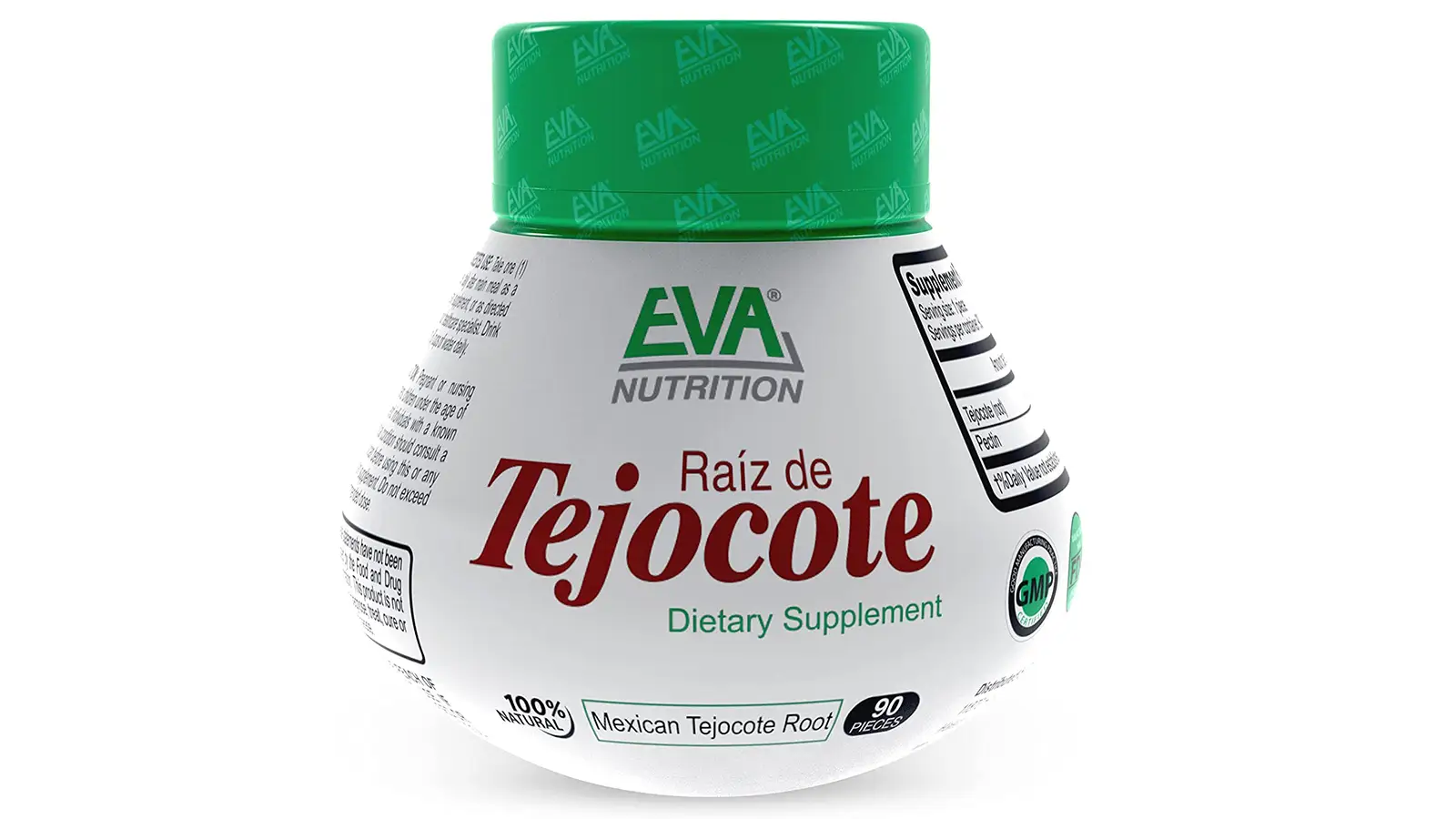
When a 24-year-old woman took a dietary supplement called “raiz de tejocote,” she encountered some dangerous and unpleasant side effects.
On arrival to the emergency department, she was experiencing confusion, nausea, vomiting, diarrhea, whole-body numbness, pain in her abdomen, and generalized malaise. She had taken four tejocote root pills 14 hours earlier to help trigger a bowel movement. She had never tried the pills before and had not eaten anything else with tejocote, reported Catherine Kiruthi, PharmD, of Johns Hopkins Bayview Medical Center in Baltimore, and co-authors in Annals of Internal Medicine Clinical Cases.
The patient was afebrile, pale, and appeared toxic on arrival, the authors noted. Her blood pressure was low at 82/59 mm Hg, and her heart rate was slow at 53 bpm, or 39 bpm at its lowest. Laboratory tests revealed that her potassium was low (6.1 mmol/L), and her white blood cell count was abnormally high (14 × 109/L). An ECG showed sinus bradycardia with sinus arrhythmia and nonspecific ST-T wave changes described as “scooped ST segments.”
In 2024, the FDA warned that certain supplements marketed as tejocote root actually contained toxic yellow oleander, a poisonous plant found in Mexico and Central America.
Yellow oleander’s clinical effects are similar to digoxin, one of the oldest cardiac drugs, which has a very narrow therapeutic window — too much can be fatal.
Digoxin-like toxicity can be difficult to spot, Noah G. Berland, MD, of NYC Health + Hospitals in Brooklyn, New York, told MedPage Today, but key signals include an ECG with bradycardia, scooped ST segments, and hyperkalemia. A response to digoxin-specific antibody infusions is itself a signal of toxicity, he added.
In a 2023 case, Berland described a toddler who experienced serious heart problems after accidentally ingesting weight-loss supplements that, while marketed as tejocote root, contained yellow oleander.
There is no high-quality evidence indicating that tejocote itself has any toxicity, he pointed out. After purchasing 10 similar weight-loss supplements online in 2022, Berland’s team found nine of them contained yellow oleander.
Just as with the supplements he and his team tested, “there is likely no tejocote in what was ingested [by this patient] and this was entirely yellow oleander-related toxicity,” Berland said.
Given the lack of required FDA testing, consumers should be wary of supplements, particularly weight-loss supplements, he stressed.
“For clinicians, we need to be forever vigilant that patients might be purchasing mislabeled substances that could contain cardiac glycosides such as yellow oleander, and know how to treat it with digoxin-specific antibody fragments,” Berland explained.
Having observed a number of signals of digoxin-like toxicity, the medical team gave the patient 10 vials of digoxin-specific antibody infusion (400 mg). Her blood pressure improved to 102/60 mm Hg; however, she remained bradycardic with a heart rate between 40 to 60 bpm. Her hyperkalemia also improved.
She was admitted to the cardiac intensive care unit (ICU) for observation and given IV fluids for hypotension, nausea, and vomiting. Importantly, her serum digoxin level, which was 0.6 ng/mL when she was admitted (within the therapeutic range of 0.5-1.1 ng/mL), fell to 0.4 ng/mL, indicating that her electrolyte imbalance had normalized.
Serial ECG results also showed improved sinus bradycardia and normalization of ST-T wave changes. Her vital signs, including her blood pressure, continued to improve and her heart rate ranged from 60 to 70 bpm on discharge.
“As seen in this case and previous case reports, tejocote root consumption can lead to severe cardiotoxic outcomes, particularly when co-ingested with yellow oleander,” wrote Kiruthi and team.
Berland noted that “this wasn’t the first and won’t be the last [case] until we better regulate the supplement industry.”