




MISSION VIEJO, Calif. — The growth of diabetes-aware eating in the U.S. consumer base is one of the steadiest demand drivers in fresh produce that almost nobody on the supply side talks about as such. The 38 million Americans with a diabetes diagnosis, the roughly 100 million more with prediabetes, and the larger population that has adopted low-carb or Mediterranean-style eating without a clinical reason all behave similarly at the produce shelf: more avocados, more leafy greens, more berries, more nuts, more pulses, and fewer high-glycemic fruits than the general consumer. The aggregate effect on demand is real, durable, and underappreciated as a market category.
What follows is a look at the demand side, the produce categories that have responded, what consumer-facing nutrition messaging is driving the behavior, and where growers, processors, and ag professionals should be watching. The trend isn’t a fad. It’s been compounding for two decades and is structurally tied to a chronic disease prevalence that isn’t reversing.
The Demand Side: How Many Americans Are Eating With Diabetes in Mind
The prevalence of diabetes among U.S. adults runs to roughly 38 million diagnosed cases plus an additional 8.7 million undiagnosed, with another 97 million adults meeting prediabetes criteria. Combined, that’s a population larger than any single age cohort or income demographic — and one that’s actively making purchasing decisions through a clinical lens. Roughly half of diagnosed diabetics receive specific dietary guidance from a clinician or registered dietitian, and a majority of those are taught some version of carbohydrate counting and substitution-style meal planning.
Layered on top of the diabetic and prediabetic populations is a much larger group that has adopted low-carb, Mediterranean, or DASH-style eating without a clinical diagnosis — driven by family history, weight management goals, fitness culture, or general health preference. Diet-related chronic disease prevalence among Americans sits higher than most growers realize, with more than 60% of U.S. adults living with at least one chronic condition and 40% managing two or more. The dietary preferences across that broader chronic-condition population overlap heavily with diabetes-aware eating, and the produce purchasing behavior is similar.
Why Avocados, Berries, Leafy Greens, and Pulses Have Outperformed
The produce categories that have grown fastest in this consumer segment are the ones that fit the diabetes-friendly profile: low net carbohydrates per serving, high fiber, healthy fat content, low glycemic index, and the kind of nutrient density that supports satiety. Avocados sit at the top of the list. Per capita consumption in the U.S. has roughly quadrupled over the last thirty years, with the steepest growth coming in the years after low-carb and keto-style eating moved from niche to culturally mainstream. Berries follow a similar trajectory; blueberry production and consumption have climbed year over year in part because of the diabetes-friendly profile. Leafy greens, pulses (lentils, chickpeas, beans), and tree nuts have all outperformed broader fresh-produce growth.
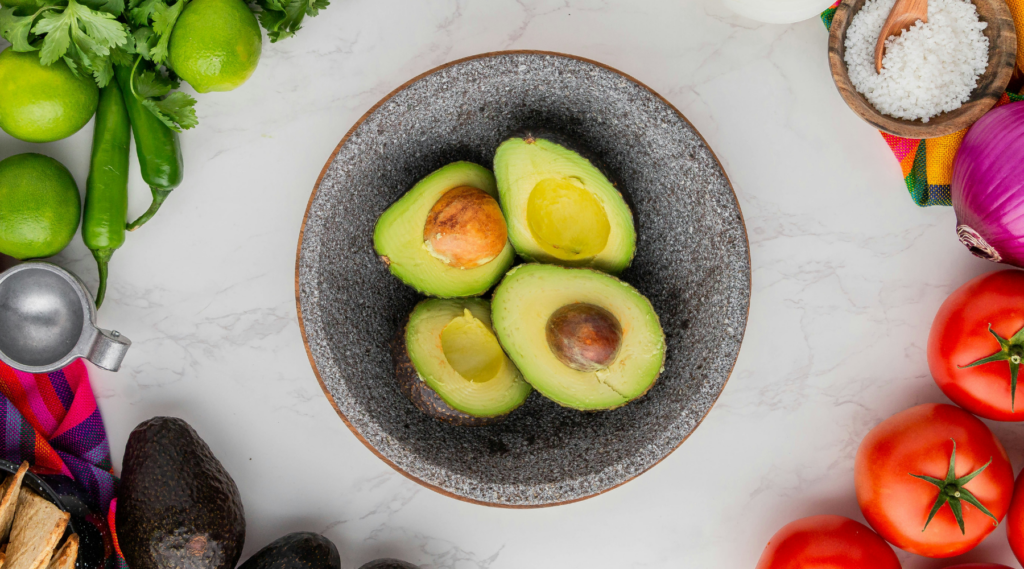
Avocados in particular deliver roughly 3 grams of net carbohydrates and 5 grams of fiber per half-fruit with mostly monounsaturated fat content, and practical avocado guidance for diabetic eating consistently presents those numbers in carbohydrate-counting terms the diagnosed consumer can use directly. That specificity — not generic “healthy fats” marketing — is part of what has driven the category’s outperformance among diabetic and diabetes-aware shoppers, who treat the food as a fixed line item in the weekly produce budget rather than a discretionary choice.
USDA data is the cleanest reference point for produce-trend analysis. USDA fruit and tree nut consumption data tracks per capita consumption across categories over time, and the categories that diabetes-aware consumers buy disproportionately have outpaced their category averages consistently across the last two decades. The growth curves don’t look like a fad. They look like a structural reallocation of consumer produce spending toward foods that fit a clinical eating pattern.
Where the Supply Side Has Responded — and Where It Hasn’t
The consumer making this purchase is doing it deliberately and with a specific health rationale in mind. They’re not impulse-buying. They’re price-sensitive but not strictly price-driven; they’ll pay a meaningful premium for quality and reliability because the food is part of a clinical management strategy. That changes the marketing math for produce that fits the profile, and it changes the relative importance of clinically-credible messaging compared with lifestyle-led messaging.
Some categories have responded well to that shift. The avocado industry, through the Hass Avocado Board and the California Avocado Commission, has built sustained consumer-marketing infrastructure that emphasizes nutritional profile alongside flavor and versatility. California avocado production forecasts and demand data routinely cite the nutrition story as a structural driver of the demand curve, not a marketing add-on. The blueberry industry has done similar work over the last fifteen years. The pulses industry has been making the case for two decades through USA Pulses and similar trade groups, with mixed but improving results.
Other categories have responded less well. Pulses, despite excellent nutritional credentials for the diabetes-aware consumer, remain underconsumed in the U.S. relative to their fit. Some leafy greens get over-supplied during certain windows because growers haven’t fully adjusted to the year-round demand pattern that diabetes-aware consumers create rather than the seasonal pattern that broader produce demand follows. And several traditional commodity fruits — especially the higher-glycemic varieties — have lost per-capita share at a measurable rate without the affected growers explicitly attributing the loss to the dietary shift.
What Growers and Ag Pros Should Watch For
Several practical observations are worth pulling out for the supply side. Diabetes-aware demand is durable — it doesn’t track with food fads, and it doesn’t drop sharply during economic downturns the way some premium-produce categories do, because the consumer is buying for clinical reasons. The demand is also age-skewed older, which interacts with overall demographic trends in ways that favor produce in the diabetes-friendly profile over the next decade-plus.
The marketing channels that reach this segment are different from the ones that reach the general fresh-produce consumer. Diabetes educators, registered dietitians, primary care offices, and the medical content channel are meaningful influences alongside the standard grocery and culinary channels. Branded marketing tied to clinical credibility — third-party nutrition data, dietitian partnerships, content collaborations with diabetes-focused publishers — outperforms purely lifestyle-led marketing in this segment, and the gap appears to be widening.
Where the Trend Is Going
The medium-term trajectory is set by demographics and chronic disease prevalence rather than by consumer preference. With diabetes prevalence projected to keep rising as the U.S. population ages and prediabetes rates continuing to climb, the produce categories that fit the diabetes-friendly profile have a structural tailwind that doesn’t depend on cultural fashion. The supply-side opportunity is to be positioned for that consumer with quality, supply consistency, and credible health-side marketing — and to recognize that the relevant consumer doesn’t behave like the general produce buyer.
For growers in produce categories that don’t fit the profile — high-sugar tropical fruits, certain stone fruits in their higher-glycemic varieties, juice-grade fruit at the volume end — the pressure on per-capita consumption isn’t a temporary blip. It’s the slow effect of a consumer base that has been told, by clinicians and by years of dietary education, that some categories are better-suited to their health than others.
The diabetes nutrition shift in the U.S. consumer base isn’t an emerging trend. It’s a twenty-year compounding shift in produce purchasing patterns that’s now large enough to be the central demand factor in several categories and a meaningful one in many more. Growers and ag professionals who treat it as such — rather than as a fad or a niche — are better positioned to plan for the next decade of produce demand than ones still working from an older assumption that consumers buy on price and flavor alone.
-The Hass Avocado Board