




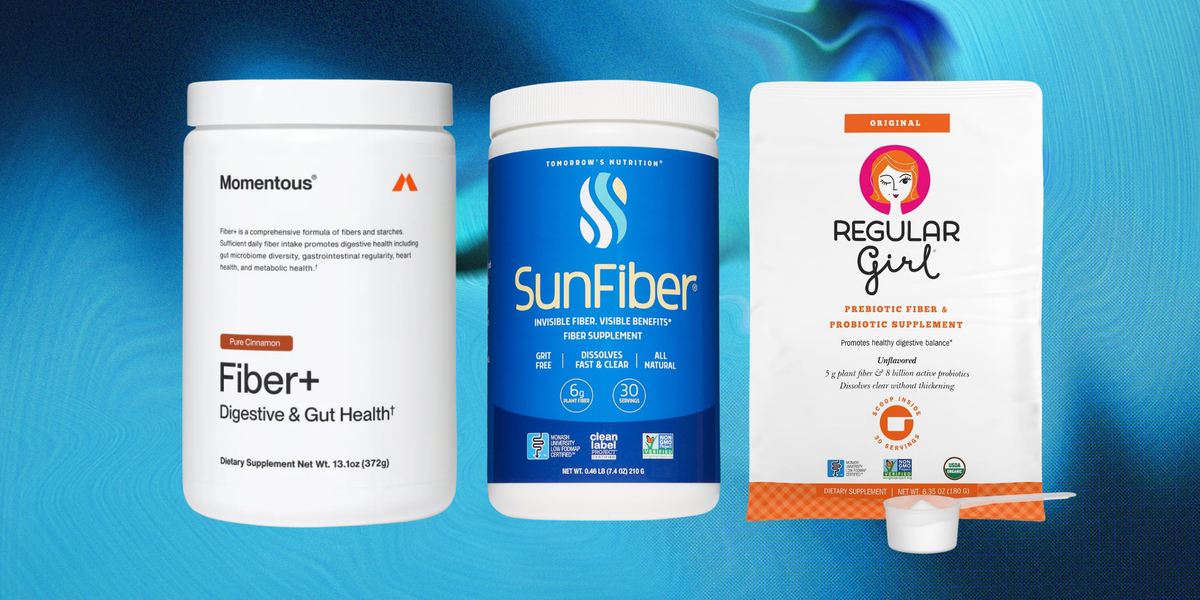
Food first is always the goal when meeting your daily fiber needs. Whole foods don’t just provide fiber, but also come with vitamins, minerals, and antioxidants that supplements can’t fully replace.
That said, fiber supplements can be a helpful backup if you’re not quite getting enough through diet alone. If you do choose a fiber supplement, here are a few key things to keep in mind:
✔️ Form: Fiber comes in powders, capsules, and gummies, so there’s flexibility depending on preference. Powders can be mixed into liquids or food, while capsules and gummies are more convenient but often require multiple servings per day. Always follow label directions and take fiber with plenty of fluid. Some supplements can thicken in liquid, so if you have any swallowing concerns, check with a healthcare provider first.
✔️ Amount: More is not better when it comes to fiber. Even though there’s no official upper limit, increasing too quickly can cause gas, bloating, or cramping. Start low, go slow, and increase water intake as you go. Spreading doses throughout the day can also help tolerance.
✔️ Type and ingredients: Not all fiber supplements are the same—some are soluble, others insoluble, and some contain blends or added ingredients like prebiotics. The best choice depends on your individual goals and tolerance.
✔️ Quality and testing: Because supplements aren’t approved by the FDA before hitting the market, third-party testing can add an extra layer of confidence. Look for seals from organizations like USP and NSF International, which help verify purity and quality. Transparent labeling and reputable manufacturing practices are also good signs.
✔️ Price: Costs vary widely, but a higher price doesn’t always equal higher quality. Focus on ingredients, testing, and brand transparency over price alone.