

A seaweed-derived compound can dramatically reduce methane emissions from beef cattle in extensive grazing systems, Australian researchers have demonstrated.
The compound was also found to not harm calves.
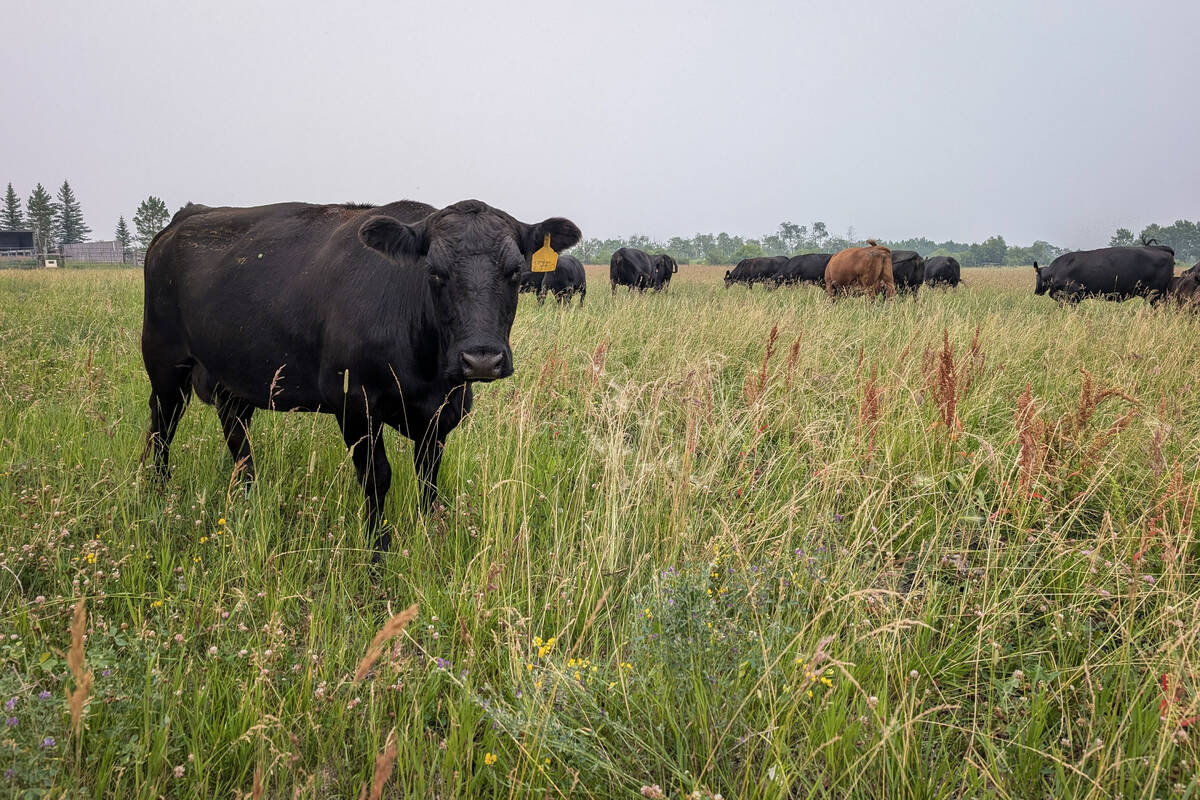
The study from Adelaide University looked at the use of bromoform extract oil, made with a red seaweed called Asparagopsis, in 80 pregnant and lactating Angus cows. The study is among the first to test the supplement in grazing conditions.
Read Also
OPINION: We found a way to turn Canada goose poop into chicken feed and crop fertilizer
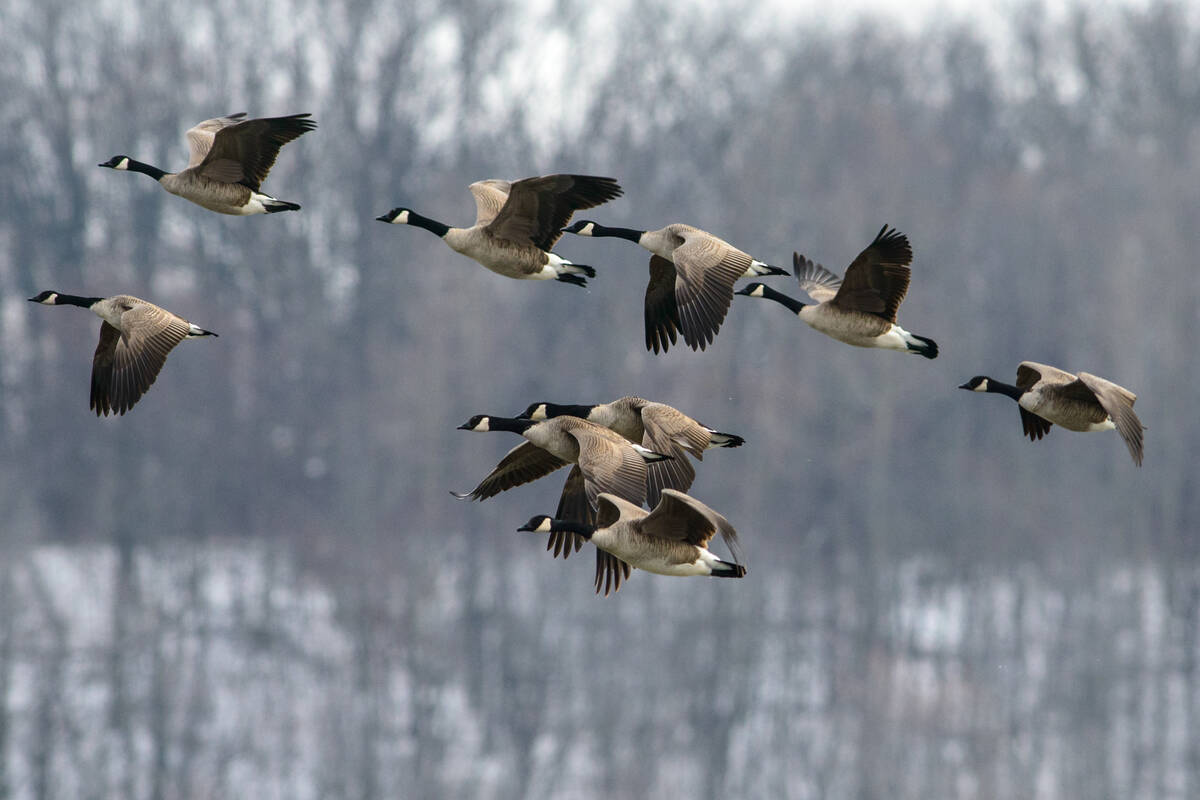
Our research findings, published in the Journal of Environmental Management, suggest that goose poop could be used to create both a source of protein for animal feed and an agricultural fertilizer — using one of nature’s recycling powerhouses, the black soldier fly.
Across the eight-week trial, researchers found methane emissions were reduced by between 49 and 77 per cent in the cows receiving the supplement.
“This is a substantial reduction, particularly in an extensive system where delivering consistent supplementation can be difficult,” PhD student Kellie Wenham said in a university news release.
Methane is a potent greenhouse gas. In agriculture, it’s primarily produced from food digestion in ruminant animals such as cattle.
Weights, weight gain normal
In the study, researchers split a herd of 80 pregnant Angus cows between two 22.5-hectare (55.6-acre) paddocks. Supplementation of the study group began 21 days before the earliest calving date.
No pasture was available, so the cows were provided with water and hay to eat as desired.
To prevent the calves from eating the supplemented feed, the cow-calf pairs were moved to a third non-experimental paddock 21 days after calving.
The study group of cows received 75 milliliters of a commercially-sourced bromoform extract oil per day with feed and mineral and vitamin supplements. The control cattle received non-supplemented canola oil.
Calves born to the supplemented cows gained weight normally from birth through 150 days and saw no negative effects in development.
The cows also maintained stable weights despite consuming slightly less food while taking the bromoform oil, the release said.
However, the researchers also noted some changes in the supplemented cows’ blood chemistry including a spike in alkaline pH levels.
“These changes were generally within acceptable ranges, but they highlight the need for further research into long-term health impacts and optimal dosing,” said lead researcher Mariana Caetano.
“Minor” changes were also noted in the calves’ blood markers.
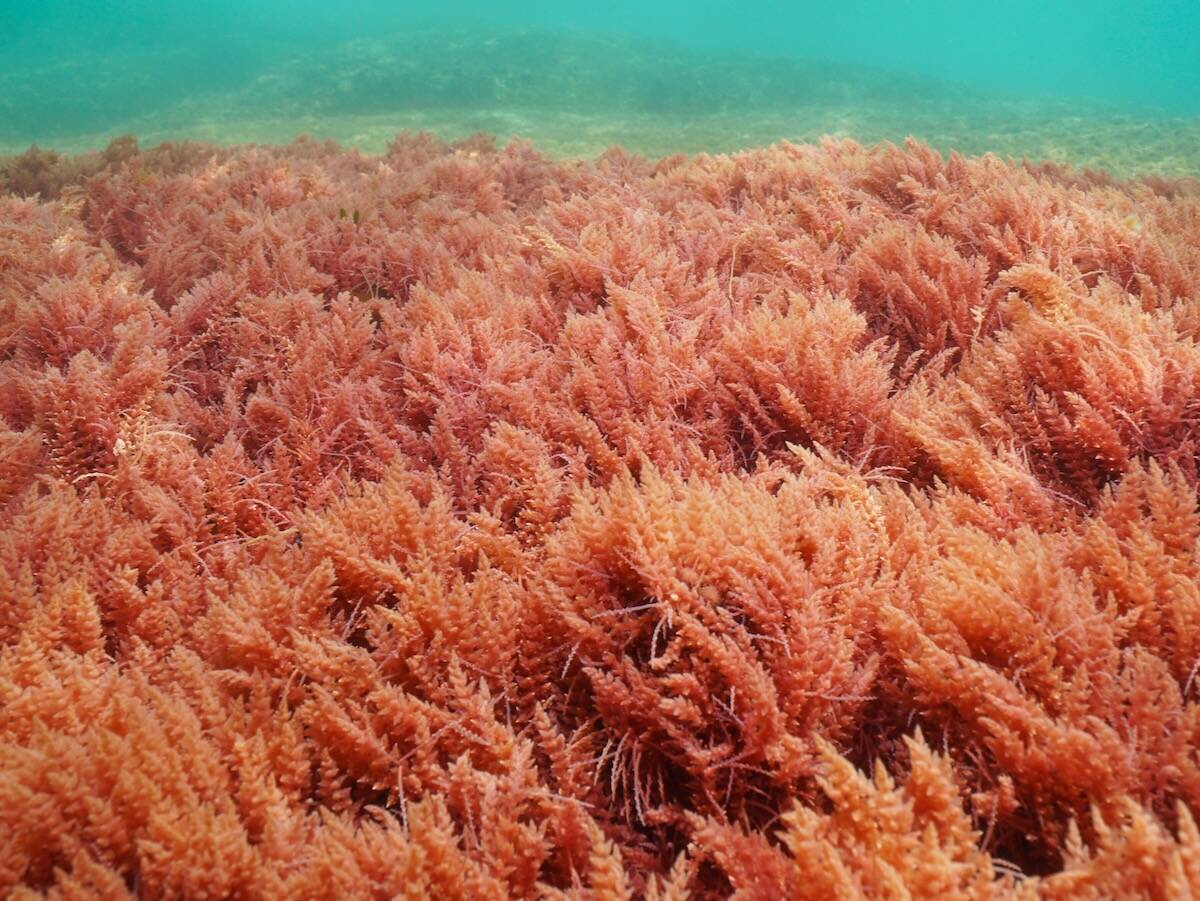
“Our findings show that bromoform-based supplements can be effective beyond feedlots, including in pasture-based systems that dominate Australian beef production,” Caetano said.
The researchers noted a need for more research into delivery methods, dosage and long-term impacts on animal health.
Pressure to reduce emissions
Between 1981 and 2021, methane emissions from agriculture rose by five per cent, according to AAFC data. However, for more than a decade emissions have been in decline. AAFC attributes this to a shrinking cattle herd.
About 84 per cent of Canada’s methane emissions come from oil and gas, transportation, buildings, heavy industry and electricity according to a 2021 report from the University of Calgary’s Simpson Centre for Food and Agricultural Policy. Of the remaining 16 per cent, 10 per cent comes from agriculture.
However, Canada’s beef and dairy sectors have felt pressure to reduce emissions. For example, in 2023 the federal government issued the Agricultural Methane Reduction Challenge, which offered funding to projects that would find innovative ways to reduce emissions.
Dairy Farmers of Canada in 2022 set a goal to reach net zero emissions by 2050. The Canadian Cattle Association set a goal to reduce emissions by 33 per cent by 2030. New technology factored into both organizations’ plans.
Methane-reducing feed additives and projects, such as research into a methane-inhibiting vaccine, have struggled to gain traction.
Feed additive Bovaer was registered in Canada in 2024. It purports to reduce methane emissions by 30 per cent in dairy cows and 45 per cent in beef cattle. However, in late 2025, product manager DSM-Firmenich said it wasn’t seeing much interest from Canadian farmers.
Part of the issue is the difficulty of feeding the supplement while cattle are on pasture, AAFC Lethbridge researcher Tim McAllister said.
Cattle producers also lack financial incentives to use methane inhibitors, former AAFC researcher Karen Beauchemin told Glacier FarmMedia in September 2025.