




What Is Beef Tallow?
How Beef Tallow Is Used in Cooking
Cardiovascular Concerns
What Research Shows About Saturated Fats and Heart Health
Beef Tallow vs. Other Fats
Practical Guidance
References
Further Reading
Current research shows that while beef tallow contains fatty acids with varying metabolic effects, its overall impact on health is largely shaped by how it is used within broader dietary patterns and nutrient substitutions.
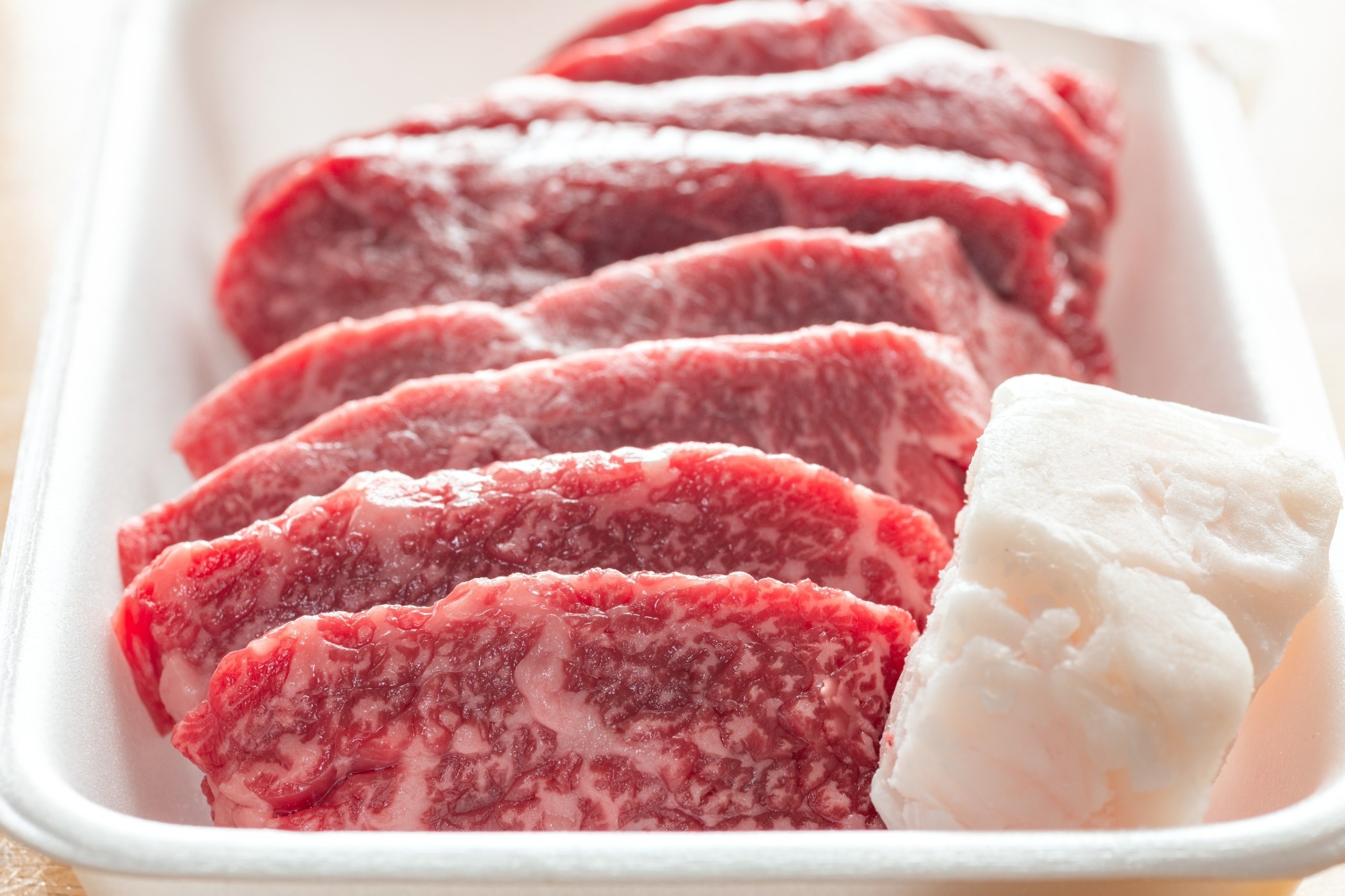 Image Credit: Trialist / Shutterstock.com
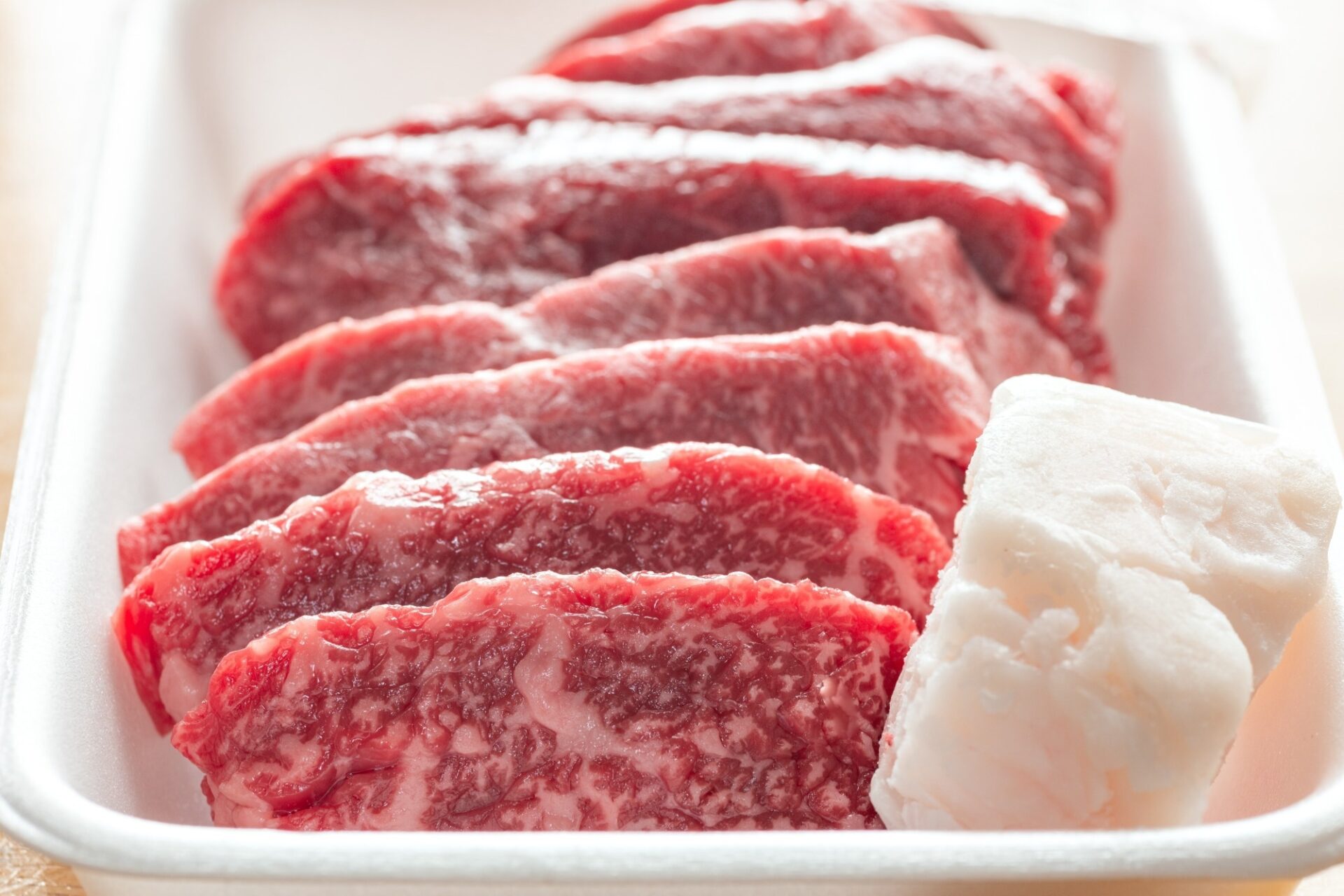
Beef tallow is a rendered fat obtained after heating and purifying bovine adipose tissue to remove water and impurities. This article discusses the nutritional composition of beef tallow, potential benefits and risks associated with ingestion, and how current scientific evidence and dietary guidelines view its role in a healthy diet.
What Is Beef Tallow?
Beef tallow primarily consists of saturated fatty acids (SFAs), the most notable of which include palmitic and stearic acids. This fat product also contains significant monounsaturated fatty acid (MUFAs) content, particularly oleic acid, as well as relatively small amounts of polyunsaturated fatty acids (PUFAs).1,3
Beef tallow is a high-fat food that contains very limited micronutrients when consumed in typical dietary amounts. Trace amounts of cholesterol are found in beef tallow, along with bioactive compounds like conjugated linoleic acid (CLA), which has been explored for potential metabolic effects, although human evidence remains limited and inconsistent.2-5
How Beef Tallow Is Used in Cooking
The high smoke point and oxidative stability of beef tallow make it a suitable option for high-temperature cooking such as frying. Specifically, the high saturated fat content increases the stability of beef tallow, thereby reducing its susceptibility to oxidation and degradation during heating compared to more oxidation-prone polyunsaturated-rich oils.1
Beef tallow may also be a source of CLA, a bioactive component with possible metabolic and anti-inflammatory effects. Nevertheless, current evidence from human studies is limited, inconsistent, and preliminary; therefore, there is not enough evidence to support any definitive health claims regarding the use of beef tallow.
Overall, any benefits associated with the use of beef tallow must be viewed with caution and in the overall context of diet quality.1,3
Tallow vs. Lard: What’s the Real Difference? [ID2101]Play
Video credit: historyofsimplethings / Youtube.com
Cardiovascular Concerns
The high SFA content in beef tallow can increase low-density lipoprotein (LDL) cholesterol levels, a key biomarker of atherosclerosis and cardiovascular disease (CVD). As a result, dietary guidelines suggest limiting saturated fat intake to promote healthy lipid profiles and reduce the risk of CVD.1
Controlled feeding studies indicate that beef tallow raises LDL cholesterol compared with unsaturated fats. However, its effect may be less pronounced than that of some other saturated fats due to its stearic acid content. Although some studies suggest a complex relationship between saturated fats and CVD, influenced by both fat source and overall dietary patterns, there is insufficient evidence to promote the health benefits of beef tallow conclusively.1-4
What Research Shows About Saturated Fats and Heart Health
Both clinical trials and observational studies demonstrate that reducing saturated fat intake, especially if replaced by PUFAs, is associated with improvements in lipid profiles and lower levels of CVD. Replacing saturated fats with unsaturated fats provides cardiovascular benefit, whereas replacing them with refined carbohydrates does not confer the same benefit.1,3
However, emerging evidence suggests that the relationship between saturated fats and cardiovascular outcomes is more complex than previously understood. Some large meta-analyses and cohort studies report no clear association between total saturated fat intake and CVD or mortality, while others show modest effects. Large studies show that total saturated fat intake has a relatively modest effect on CVD mortality, highlighting the influence of both food source and overall diet quality. Individual SFAs also differ in their biological effects; for example, stearic acid appears to have a less pronounced impact on LDL cholesterol compared with other SFAs.1,2,3
Overall, current evidence emphasizes that health outcomes are shaped more by overall dietary patterns than by single nutrients. Dietary quality, food sources, and nutrient replacement strategies play critical roles in determining cardiovascular risk.1,2,3
Beef Tallow vs. Other Fats
Beef tallow is comparable to other saturated fat sources, such as butter, lard, and tropical oils like coconut oil, all of which contain high levels of SFAs. Although some differences exist among individual SFAs and food matrices, the overall effect of diets high in saturated fats is typically less favorable for cardiovascular health than diets rich in unsaturated fats.1,3
Replacing saturated fats with polyunsaturated fats reduces LDL cholesterol and cardiovascular risk, whereas their replacement with refined carbohydrates offers little to no benefit. In contrast, unsaturated fats, particularly those found in olive, soybean, and sunflower oils, are associated with improved lipid profiles and reduced cardiovascular risk. As a result, these plant oils are recommended as primary dietary fat sources in heart-healthy eating patterns, highlighting the importance of overall dietary composition rather than focusing on single fat sources.1,3
 Image Credit: Farooq San / Shutterstock.com
Practical Guidance
Beef tallow can be safely incorporated into some meals; however, moderate use is advised as part of an overall healthy diet. Evidence-based recommendations encourage the use of unsaturated fat sources, particularly olive, soybean, and sunflower oils, which are associated with improved lipid profiles and reduced cardiovascular risk.1
The infrequent culinary use of beef tallow is generally considered safe, particularly when prepared at high temperatures; however, this fat product should not replace healthier sources. The overall emphasis should be on maintaining a high-quality diet, creating an energy balance with food intake, and selecting minimally processed foods.1
References
Lichtenstein, A. H., Appel, L. J., Vadiveloo, M., et al. (2021). 2021 dietary guidance to improve cardiovascular health: a scientific statement from the American Heart Association. Circulation 144(23); e472-e487. DOI: 10.1161/CIR.0000000000001031. https://www.ahajournals.org/doi/full/10.1161/CIR.0000000000001031
Denke, M. A. (1994). Role of beef and beef tallow, an enriched source of stearic acid, in a cholesterol-lowering diet. The American Journal of Clinical Nutrition 60(6); 1044S-1049S. DOI: 10.1093/ajcn/60.6.1044S. https://www.sciencedirect.com/science/article/abs/pii/S0002916523185819
Astrup, A., Magkos, F., Bier, D. M., et al. (2020). Saturated fats and health: a reassessment and proposal for food-based recommendations: JACC state-of-the-art review. Journal of the American College of Cardiology 76(7); 844-857. DOI: 10.1016/j.jacc.2020.05.07. https://www.jacc.org/doi/10.1016/j.jacc.2020.05.077
Denke, M. A., & Grundy, S. M. (1991). Effects of fats high in stearic acid on lipid and lipoprotein concentrations in men. The American Journal of Clinical Nutrition 54(6); 1036-1040. DOI: 10.1093/ajcn/54.6.1036. https://www.sciencedirect.com/science/article/abs/pii/S0002916523319476
R Russell, M. F., Sandhu, M., Vail, M., et al. (2024). Tallow, rendered animal fat, and its biocompatibility with skin: a scoping review. Cureus 16(5). DOI: 10.7759/cureus.60981. https://www.cureus.com/articles/209121-tallow-rendered-animal-fat-and-its-biocompatibility-with-skin-a-scoping-review#!/
Further Reading
Last Updated: May 5, 2026