




Americans fork out loads of money each year on improving their wellness. The U.S. wellness economy is now valued over $2.1 trillion according to the Global Wellness Institute, with the per capita amount spent at nearly $6,300 in 2024. On vitamin and mineral supplements alone, Americans spend over $12 billion annually.
Roughly half of all adults regularly take some form of supplement to boost their vitamin and mineral intake. However, after researching the benefits of these supplements, nutrition experts at John Hopkins say they would be better off with an improved diet and keeping a healthy weight.
“Pills are not a shortcut to better health and the prevention of chronic diseases”
Evidence from a series of long-term studies the researchers poured over showed no benefits from multivitamins in reducing the risk of cancer or heart disease, even at high doses. Nor did taking the supplements lower the risk of mental decline or preventing early death.
“Other nutrition recommendations have much stronger evidence of benefits—eating a healthy diet, maintaining a healthy weight, and reducing the amount of saturated fat, trans fat, sodium and sugar you eat,” said director of the Johns Hopkins Welch Center for Prevention, Epidemiology and Clinical Research Larry Appel. “Pills are not a shortcut to better health and the prevention of chronic diseases.”
In fact, the nutrition experts noted that beta-carotene and vitamin E supplements, especially at high doses, appear to be harmful according to prior studies.
The only exception that Appel pointed out was for women of child-bearing potential. Multivitamins can provide them with supplemental folic acid and iron. Taking folic acid before and during early pregnancy helps prevent neural tube defects in babies. The daily recommended dose is 400 micrograms of folic acid.
Appel, who doesn’t take any supplements routinely, doesn’t recommend any other supplements for people. Instead, he says that “if you follow a healthy diet, you can get all of the vitamins and minerals you need from food,” eating three healthy meals per day.
His own healthy diet includes plenty of fresh fruits and vegetables, of which he tries to have two or more servings at every meal. He also consumes low-fat or fat-free dairy which “provide calcium, magnesium, potassium and other nutrients,” Appel says. Additionally, he eats whole grains.
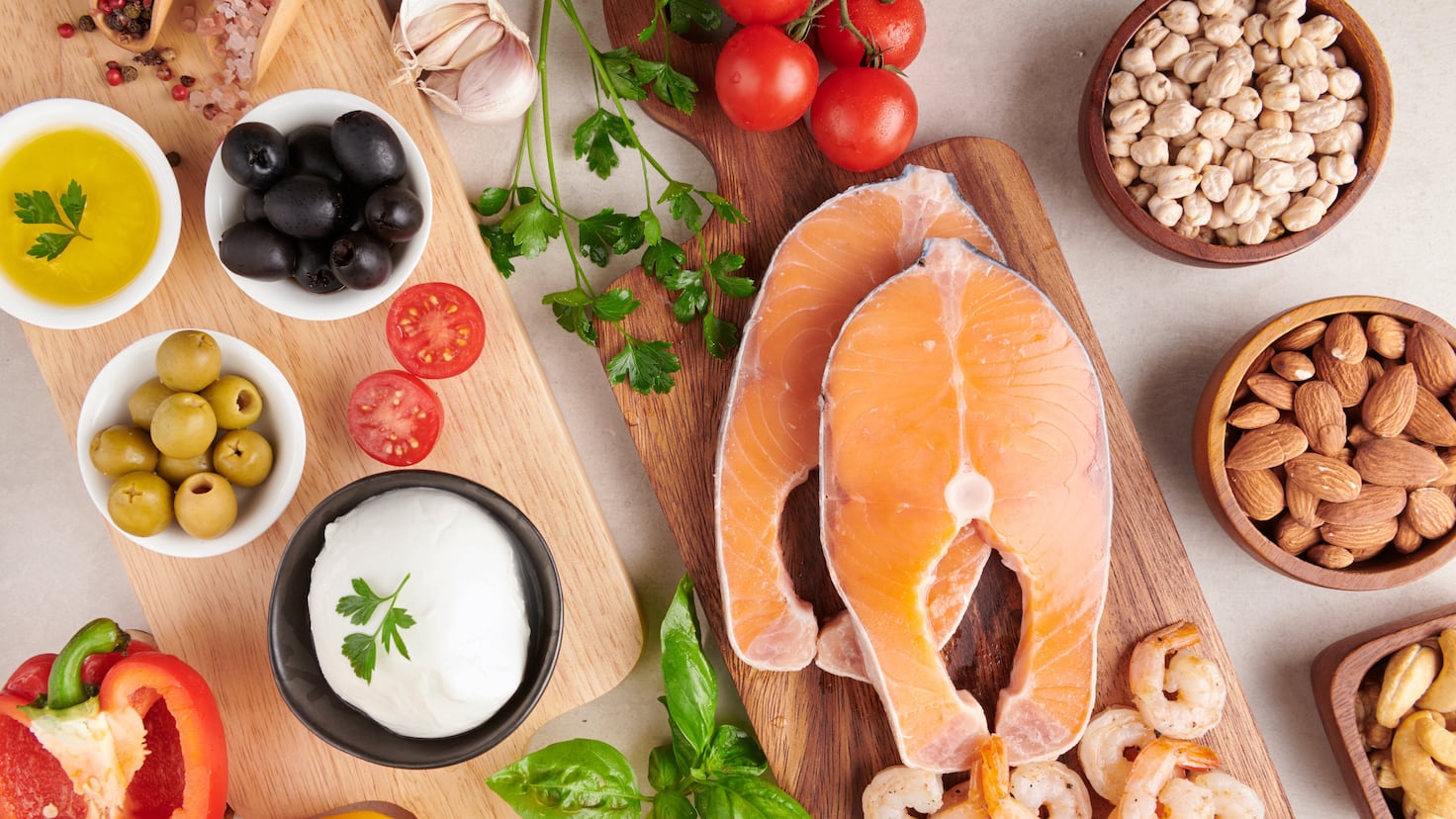
He also includes meat in his diet to provide protein, typically in the form of chicken and fish, limiting his meat consumption. His eating habits are much like those in the Mediterranean diet which has been found to provide numerous health benefits.
Related stories
Get closer to the game! Whether you like your soccer of the European variety or that on this side of the pond, our AS USA app has it all. Dive into live coverage, expert insights, breaking news, exclusive videos, and more. Plus, stay updated on NFL, NBA and all other big sports stories as well as the latest in current affairs and entertainment. Download now for all-access coverage, right at your fingertips – anytime, anywhere.
And there’s more: check out our TikTok and Instagram reels for bite-sized visual takes on all the biggest soccer news and insights.