




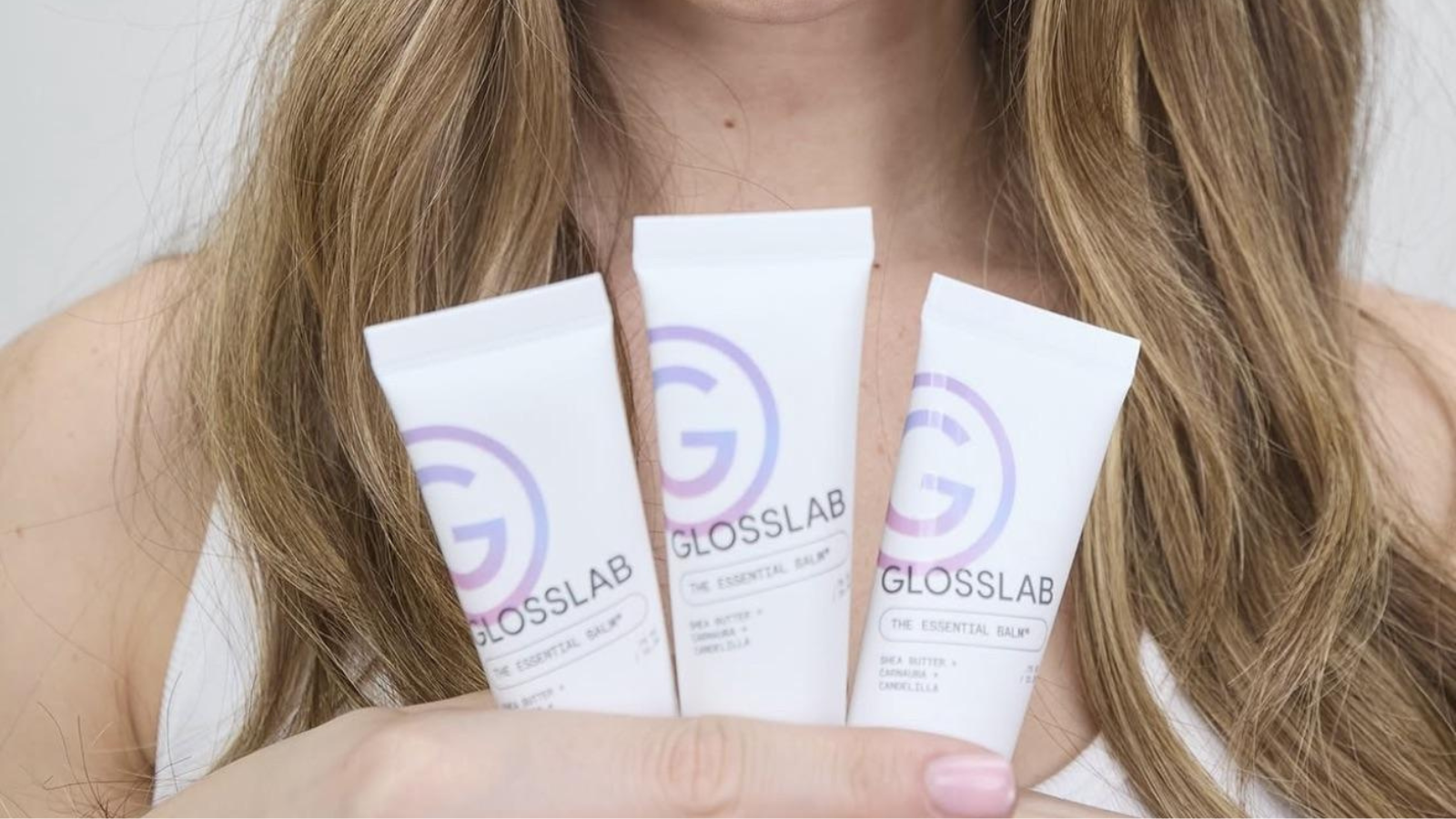
Photo courtesy of GLOSSLAB.
Opinions expressed by Digital Journal contributors are their own.
The beauty industry is no stranger to failed launches. BeautyMatter, an industry trade publication that tracks beauty brand bankruptcies and closures, recorded 22 brand failures in 2025, 25 in 2024, and 28 in 2023. The pattern behind those numbers is familiar to anyone paying attention. A celebrity attaches her name to a line. A contract manufacturer produces a wide SKU count. A launch campaign generates a spike of interest. Twelve to eighteen months later, the brand is quietly discontinued or sold at a loss.
The structural issue is that the brand was never built to last. It was built to launch.
A different approach has started to emerge. A new generation of beauty brands is putting the product first and building the business around it. One brand offering a useful window into this shift is GLOSSLAB, which relaunches as a global beauty and lifestyle company in spring 2026 under new ownership and a leadership team built specifically for the long view.
Building for durability
GLOSSLAB was originally founded in 2018 before going through Chapter 11. In March 2025, the brand’s intellectual property was acquired by entrepreneur Adam Weitsman, the founder and CEO of Upstate Shredding, Weitsman Recycling, one of the largest privately held scrap metal processors on the East Coast. Rather than rushing a launch, the team used the following year to rebuild the brand from the ground up. That approach, taking time before going to market, is becoming more common in a category that has historically rewarded speed over preparation.
The reasoning is straightforward. A brand that launches before its product, team, and operational infrastructure are ready tends to spend its first year fixing problems it created by launching too early. The cost of that approach has become more visible as the category’s failure rate has risen.
A narrow product line
The second shift visible in GLOSSLAB’s approach is the decision to launch with a deliberately small product lineup. The debut collection includes four products: Superboost, Kit No. 1, The Hand Cream, and The Essential Balm.
The products are built around a concept the brand calls transfer bag essentials, a new take on travel beauty essentials designed to simplify the modern beauty routine. Items designed to move with the user from work to dinner to the gym to a flight. The thinking is that modern consumers do not have separate routines for different parts of their day, and that multi-use formulations in portable formats serve real behavior better than specialized products that sit unused at home.
A narrow launch lineup is also an operational decision. A four-product line is easier to manufacture consistently, easier to merchandise, and easier to tell a clear story about. It stands in contrast to the wide SKU counts common in the last decade of beauty, where brands often launched with many more products than they could explain or support.
The leadership structure
What a brand launches with matters less than who is running it six months later. The beauty industry is full of brands that had a strong debut and collapsed when the operational reality caught up with the marketing promise.
GLOSSLAB has built its leadership team around a structure that separates business, creative, and industry expertise. Elizabeth Woods serves as President, bringing an entrepreneurial background to the operational side. Her daughter, Jordyn Woods, the model and beauty entrepreneur, serves as Chief Creative Director and sets the brand’s creative direction. Her involvement positions GLOSSLAB as one of the more closely watched new beauty brand launches heading into 2026. Martine Williamson, a former Revlon executive, joins as Chief Marketing Officer and brings decades of institutional beauty industry experience.
This structure, where business leadership, creative leadership, and category expertise are held by different people working together, tends to produce more resilient brands than the alternative. Collapsing all three roles into a single founder or celebrity often creates bottlenecks that the brand cannot scale past.
What this signals
The beauty industry is in the middle of a generational reset. Product discipline, operational discipline, and leadership discipline are replacing marketing spectacle as the primary drivers of what survives in the makeup, skincare, and personal care categories. The brands taking these lessons seriously are the ones that will define the next decade of the category.
GLOSSLAB’s spring 2026 launch offers an early window into what the new playbook looks like when it is applied end to end. The brand’s debut collection will be available through its ecommerce platform at launch.