




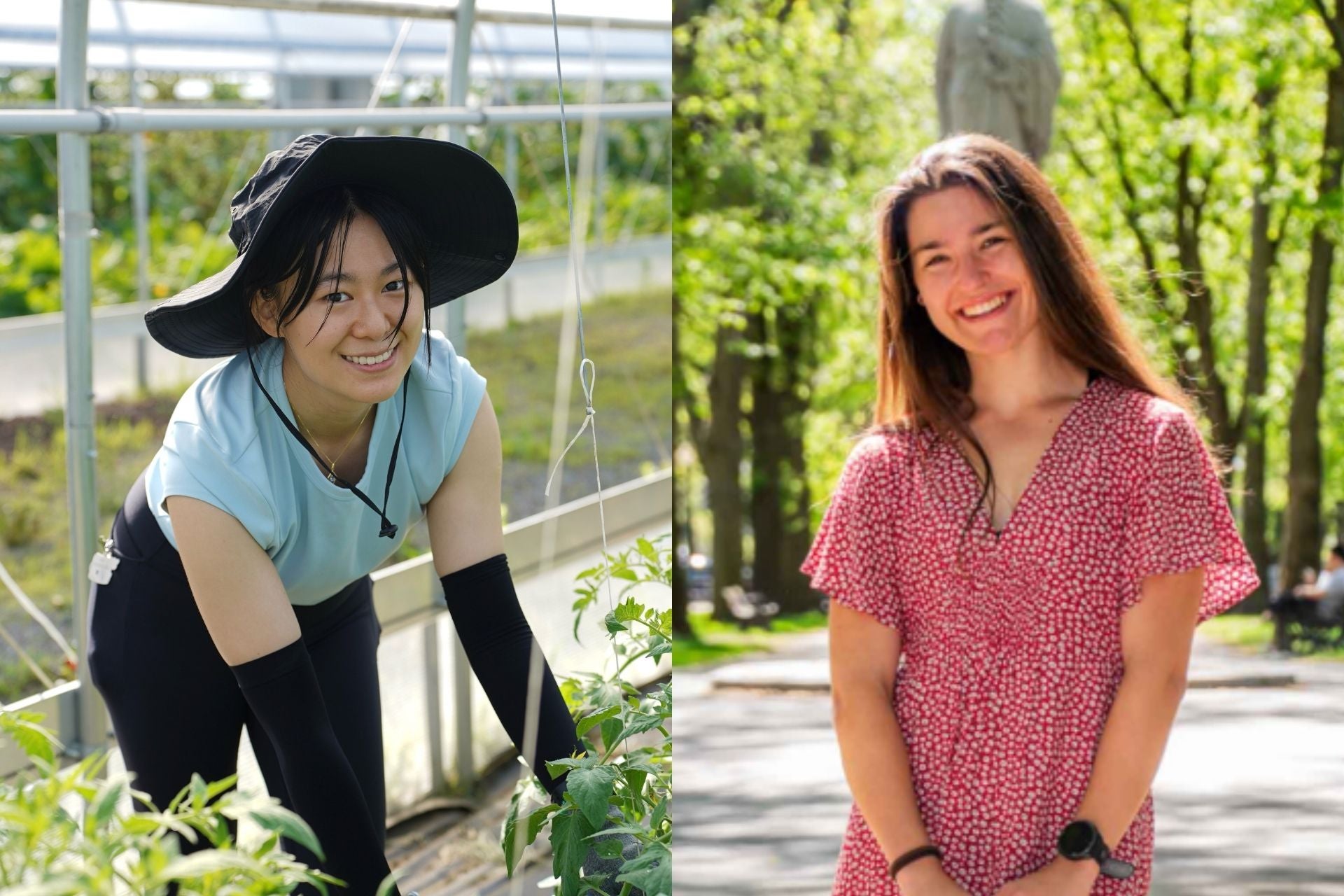
Starting my studies earlier opened more opportunities to explore specific intersections of nutrition that I’m genuinely interested in—and made me feel more confident in how I connect the pieces. One of the most surprising and meaningful things I’ve learned so far is how often nutrition problems aren’t just about knowing what is “healthy,” but about the real-world constraints that shape people’s options—especially cost, access, and systems-level tradeoffs.
A course activity that really stuck with me was the least-cost diet exercise in Economics of Food, Agriculture, and Nutrition. I expected it to be technical—I didn’t expect it to change how I think. Trying to model a diet that meets nutrient needs at the lowest cost made nutrition feel extremely practical—and it highlighted how economic forces can shape health outcomes in ways that aren’t always visible when we talk about nutrition purely in terms of individual choice. That exercise helped me see the importance of considering economics when making connections between nutrition and public health.
Each course I took added a different perspective and helped me see nutrition as an inherently interdisciplinary field. The more lenses I gain—economics, agriculture, modeling, public health—the better I can understand the whole system and where interventions can actually make a difference.
This program has prepared me to move forward in nutrition and food systems work in a way that is both grounded and flexible. Academically, I’ve gained tools that help me think about the food system at multiple levels—zooming out to understand the full system and zooming in to analyze specific components and mechanisms. I’ve also developed practical skills, including exposure to different analytical approaches and software/tools that are commonly used in the field.
One of the most important parts of my experience has been connecting learning to real-world work. My internship with the New Entry Sustainable Farming Project has been especially influential. It gave me hands-on experience on a farm, allowing me to work on materials and projects that connect classroom skills to real challenges. The work of supporting new and beginning farmers as they build livelihoods in the U.S. felt tangible and meaningful, and it helped me understand how training, technical support, and food system structures affect farmer success and broader food access.
The Friedman School offers many opportunities for students to gain experience beyond the classroom—through internships, applied projects, and field learning. One part I really appreciate is that no matter which direction within food and nutrition you want to explore—research, policy, program implementation, agriculture, or systems modeling—there are courses and opportunities to help you build that pathway. The Accelerated Master’s program has helped me feel more confident that I can contribute to the nutrition field—because I’m not only learning concepts, but also building the practical skills and real-world perspective to apply them.