




 6 min read
Oregano is a perennial herb with a strong taste and aroma. Available in both fresh and dried forms, it’s commonly used in sauces, soups, marinades, and many Mediterranean-style dishes, too.
Aside from their delicious use in recipes, both oregano and oregano oil have also been touted for purported medicinal properties and health benefits for centuries. Oregano oil, which is not simply oil steeped in oregano, is typically extracted through a distillation process that concentrates the active compounds found in the leaves of the herb, such as carvacrol and thymol. These compounds are believed to contribute to oregano oil’s antimicrobial, antifungal, and antioxidant properties. Oregano itself has a long history of use, dating back to ancient Egypt, where it was valued as both a preservative and an antidote to poison. This rich history underscores oregano’s enduring reputation as more than just a culinary staple.
Fast forward to today, and oregano oil has become a popular supplement, frequently found on the shelves of health food stores and vitamin shops. Praised for its potential antimicrobial and antioxidant properties, it’s marketed as a natural remedy for a variety of ailments, including respiratory infections and digestive issues. Some proponents also claim it can help with skin conditions, immune support, and even combating harmful bacteria. But are these benefits backed by science, or are they just hype? Here’s everything you need to know about oregano oil, from its potential health advantages to its possible side effects.
What is oregano oil?
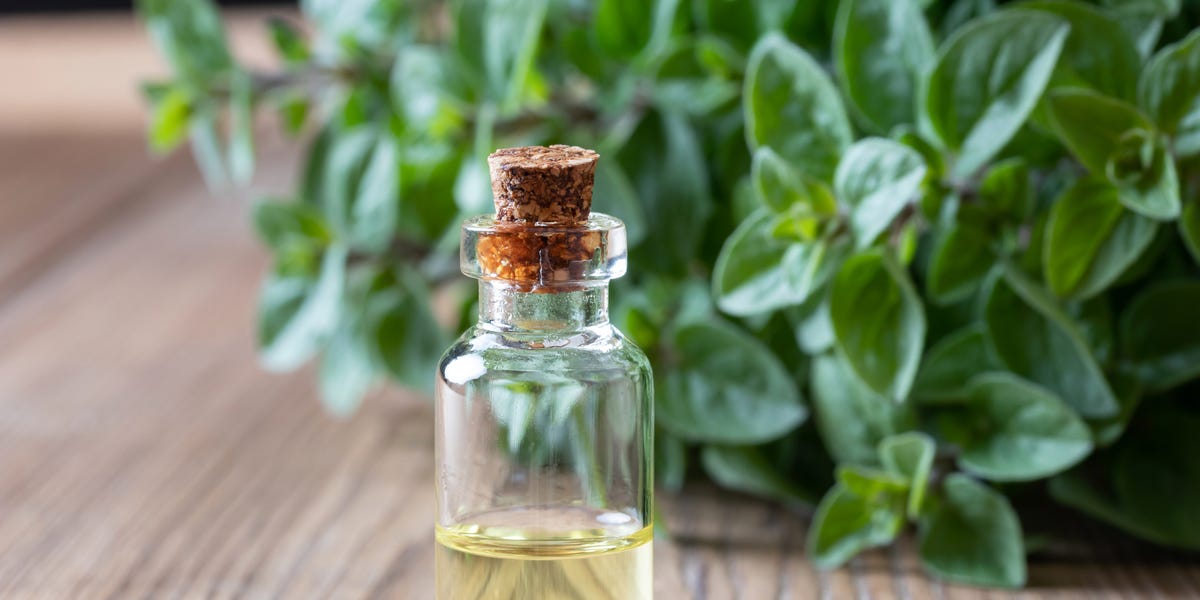
Oregano oil is made from the oregano plant through a process that typically involves steam distillation or cold pressing of the leaves and flowers to extract its active compounds. “It provides the benefits of oregano in a more concentrated way,” says Vanessa Rissetto M.S., R.D., C.D.N. and cofounder of Culina Health. You can find oregano oil in pill, capsule, and liquid form at most health food and vitamin stores. It can be ingested orally or applied to the skin, depending on the intended use, but it’s important to note that oregano oil is not the same as oregano essential oil. The latter, used in aromatherapy, is far more concentrated and should never be ingested due to its potency and potential toxicity.
Oregano oil benefits
Westend61//Getty Images
While the jury is still out on the slew of benefits swirling around on TikTok, there are a handful of claims about oregano oil that may have some merit. Some potential health benefits of oregano oil include that it:
May fight infection: Oregano, including oregano-containing products like oregano oil, contains carvacrol and thymol, two compounds that provide natural antibiotic and antifungal properties, according to Rissetto. “Studies have shown that oregano oil also contains powerful anti-viral properties and anti-bacterial properties,” explains Tricia Pingel, N.M.D., an Arizona-based naturopathic physician. This makes oregano oil a potential ally in supporting the body’s defenses against common infections and harmful pathogens.May provide temporary relief from a sore throat: “According to a 2011 study, people with an upper respiratory infection who used a throat spray containing oregano oil along with other essential oils experienced symptom relief within 20 minutes of using the spray,” Dr. Pingel shares. While this study involved a blend of oils, it’s important to note that the oregano oil used in such sprays is typically diluted and specifically formulated for safe use, unlike oregano essential oil, which should not be ingested due to its high concentration and potential toxicity.May have cancer-fighting properties: “Oregano oil may have cancer-fighting properties as it also contains rosmarinic acid, which helps to stop the proliferation of free radicals that may cause cancer,” Rissetto explains. While free radical damage has been linked to the development of certain cancers, it’s important to note that no single food or supplement, including oregano oil, can directly prevent or treat cancer. Instead, its antioxidant effects may play a small role in supporting overall cellular health as part of a balanced diet and healthy lifestyle.May combat inflammation: “Preliminary research indicates that it helps with inflammation, so oregano oil may help with diabetes and cholesterol,” Rissetto says. Inflammation plays a role in the development of both conditions, suggesting that oregano oil’s anti-inflammatory properties could provide valuable support in their management. Animal studies have demonstrated anti-inflammatory benefits of the compound carvacrol, as well.Oregano essential oil may promote skin health: “Oregano essential oil has been shown to help relieve skin inflammation as well as fight acne,” Dr. Pingel shares. She also adds that oregano essential oil may provide an alternative to commercial bug sprays. “Studies have supported the fact that using it on your skin (diluted with a carrier oil) repels bed bugs more effectively than DEET.” For those looking for a natural option, oregano essential oil may offer some benefits, but it’s important to approach this with caution, especially in areas where insect-borne diseases are a concern. Traditional repellents like DEET are extensively tested and remain the gold standard for protection in high-risk environments.
While these findings are promising, it’s important to note that much of the research on oregano oil is still in its early stages. The existing studies, though exciting, are limited and not yet robust enough to draw definitive conclusions. More comprehensive human trials are needed to confirm these potential health benefits and fully understand the scope of oregano oil’s effects.
How to use oregano oil safely
Westend61//Getty Images
Since oregano oil is classified as a dietary supplement, it is not approved by the FDA, and there is no regulation on its purity or dosage. To ensure safety and quality, look for products that have undergone third-party testing. Keep in mind that some preparations may be more concentrated than others, so it’s best to consult your doctor before taking oregano oil in any form and to get recommendations on appropriate dosage. Just a reminder: Oregano oil is not the same as oregano essential oil, which should never be ingested due to its potency and potential toxicity.
If taking oregano oil orally, the liquid form is typically diluted with water or juice to reduce its strong taste and to prevent potential irritation, such as burning or discomfort in the mouth, throat, or stomach lining. A common recommendation—often cited by supplement manufacturers or natural health practitioners—is to mix 1-2 drops of oregano oil with at least 4 ounces of liquid. However, always follow the dosage instructions provided by your healthcare provider. For those sensitive to its taste, capsules or softgels offer a more convenient and controlled way to take oregano oil orally.
If you are experiencing respiratory-related issues, Dr. Pingel suggests putting a few drops of liquid oregano oil into a hot bowl of water or a diffuser and inhaling the steam. This method may help open airways and provide temporary relief by delivering the oil’s aromatic compounds directly to the respiratory system.
Oregano oil can also be used topically, but it’s crucial to dilute it with a carrier oil—such as coconut oil or olive oil, which are neutral oils used to safely dilute essential oils—before applying it to the skin. This helps prevent skin irritation, which can include redness, itching, or a burning sensation. Even with dilution, it’s wise to test the mixture on a small patch of skin first, especially if you have sensitive skin.
One caveat that may surprise you is that both Rissetto and Dr. Pingel advise against cooking with oregano oil. This is because its concentrated nature and strong flavor can overpower dishes, and high heat may degrade its beneficial compounds. Instead, stick to fresh or dried oregano herbs to enjoy their antioxidant properties and health benefits in whole food form.
Who should not take oregano oil?
Oregano oil isn’t suitable for everyone, as some people may experience an upset stomach and GI distress, Rissetto says.
Pregnant or breastfeeding women should avoid oregano oil, as it contains compounds that may trigger uterine contractions and potentially lead to preterm labor, says Dr. Pingel.
“If you are on medications or have a history of bleeding disorders, make sure to speak with your physician first as well, since oregano is known to stimulate bleeding,” she adds. Additionally, individuals who have an allergy to plants in the Lamiaceae family, such as basil, hyssop, lavender, marjoram, mint and sage should avoid using oregano or oregano oil.
The bottom line
Oregano oil has found it’s way back into the wellness, thanks to its potential health benefits and long history of medicinal use. From its antimicrobial and anti-inflammatory properties to its possible role in supporting skin health and combatting infections, oregano oil offers a range of promising applications. However, it’s not without its caveats. The lack of FDA regulation on supplementation, potential side effects, and limited research mean it’s essential to approach oregano oil with caution. While it may sound promising, it is certainly not a magic bullet for supporting your health.
If you’re considering adding oregano oil to your wellness routine, consult with your healthcare provider to ensure it’s safe and appropriate for you. As with any supplement, balance and informed decision-making are key to reaping its potential benefits safely.