




The UN World Food Programme (WFP), Novo Nordisk Foundation, and Grundfos Foundation have launched the third-phase scale-up of their flagship school meals program. WFP notes it represents the “largest private sector commitment” to school meals in its history.
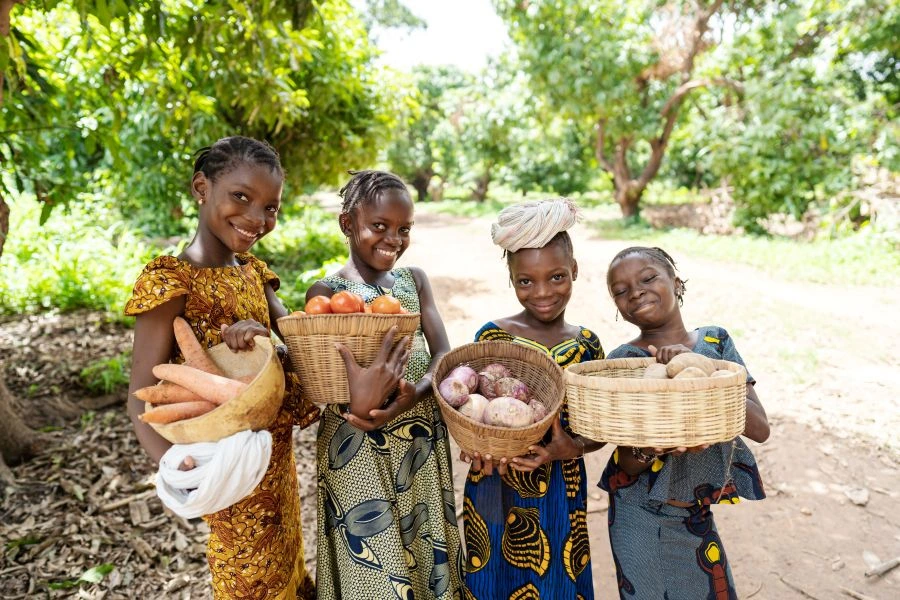
The foundations’ contribution aims to strengthen WFP’s Home-Grown School Feeding models in Uganda, Kenya, and Ethiopia. This initiative provides children with healthy, safe meals while sourcing food from local, smallholder farms to both reduce hunger and strengthen local agricultural economies.
The partners’ contribution will connect schools with local farmers, clean energy solutions, and food systems built to withstand climate shocks. In total, the program will support 366,000 children with nutritious, locally sourced meals and create stable and predictable markets for more than 57,500 smallholder farmers over the next five years.

“School meals are one of the best investments a government can make in a nation’s future — and the results speak for themselves,” says Cindy McCain, WFP executive director.
“We know school meals keep children learning. We know buying food locally strengthens livelihoods for farmers, as well as the markets and communities around them. And we know this can be done in ways that are good for people and good for the planet. This record contribution shows what is possible when partners come together.”
The Novo Nordisk Foundation will provide grants of up to US$77.75 million, while the Grundfos Foundation will contribute US$3.1 million over three years.
Homegrown school meals
The grants are split into three installments, of which the last (US$15.4 million) is subject to approval from the Novo Nordisk Foundation. WFP says this commitment represents a “record-high” contribution to its school meals program from a private sector partner.
“Healthy diets in childhood are the foundation for lifelong health,” comments professor Mads Krogsgaard Thomsen, the Novo Nordisk Foundation’s CEO. “This partnership brings our existing commitment to supporting homegrown school feeding programs in Eastern Africa to a new level.”
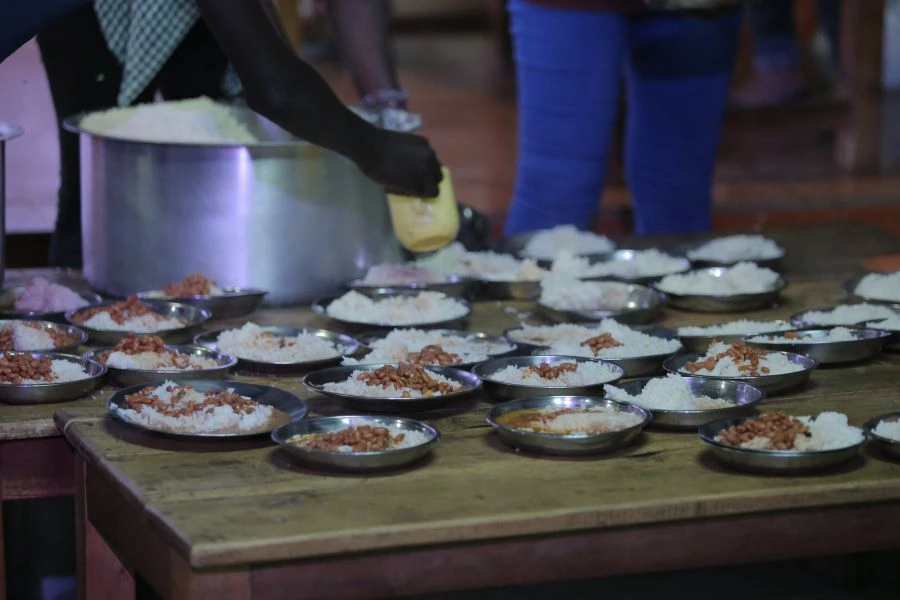 The program will support 366,000 children with nutritious, locally sourced meals and create stable markets for over 57,500 smallholder farmers.Last year, Nutrition Insight spoke with the author who reviewed the Home-Grown School Feeding programs in Africa. Johan Verheyden, senior research expert and CEO at Aries Consult, told us the programs hold “immense potential,” but need to confront hidden tensions in invisible labor, weak supply chains, and fragile cooperatives to create lasting change.
With the contributions, the WFP school meals program enters its third phase, working across three areas: sourcing food from regenerative, locally grown agriculture; improving the nutritional quality of meals; and making school kitchens more climate-friendly.
Combined, these aspects are designed to get nutritious meals on the table while helping governments fortify sustainable food systems that will outlast the partnership.
Scaling school meals
WFP and the Novo Nordisk Foundation first worked together in Rwanda and Uganda before expanding to Kenya. The program’s Phase II is reaching 321,400 students in 375 schools across the region, while Phase III takes the program to Ethiopia for the first time.
The new contributions also support the School Meals Accelerator, a global initiative of the School Meals Coalition that is designed to help governments with catalytic technical assistance to scale national school feeding systems and unlock improved meals for an additional 100 million children by 2030.
“By scaling up climate-smart, inclusive Home-Grown School Feeding programs, WFP and partner countries can build resilient local food systems that deliver lasting benefits for both children in schools and smallholder farmers,” says Kim Nøhr Skibsted, Grundfos Foundation CEO.
 WFP underscores that school meals are recognized as an educational intervention and a health, food systems, and nutrition investment.“Safe and reliable water supply is essential for school feeding programs: it enables local food production, preparation of safe and nutritious meals in schools, and strengthens communities’ ability to withstand climate shocks,” he adds.
Impact on health and education
WFP underscores that school meals are recognized as an educational intervention and a health, food systems, and nutrition investment. For example, recent research estimated that healthy, sustainable school meal programs could cut global undernourishment by 24% and prevent over one million diet-related deaths each year.
“Today, 466 million children receive school meals: 80 million more than just four years ago,” details the organization.
The UN organization highlights that global funding for school meals has nearly doubled since 2020 — from US$43 billion to US$84 billion annually. Of these resources, 99% is financed through domestic budgets.
At the same time, WFP cautions that many countries still struggle to secure sustainable financing or integrate school meals into national systems. With the expansion of the Home-Grown School Feeding program, Novo Nordisk Foundation, Grundfos Foundation, and WFP aim to demonstrate how nutrition-sensitive, locally sourced school meals can drive broader food systems change.
“If hundreds of millions of children can receive a nutritious, locally produced meal every day, this model can help shift entire food systems toward healthier diets, better nutrition, and reduced chronic disease,” concludes WFP.