



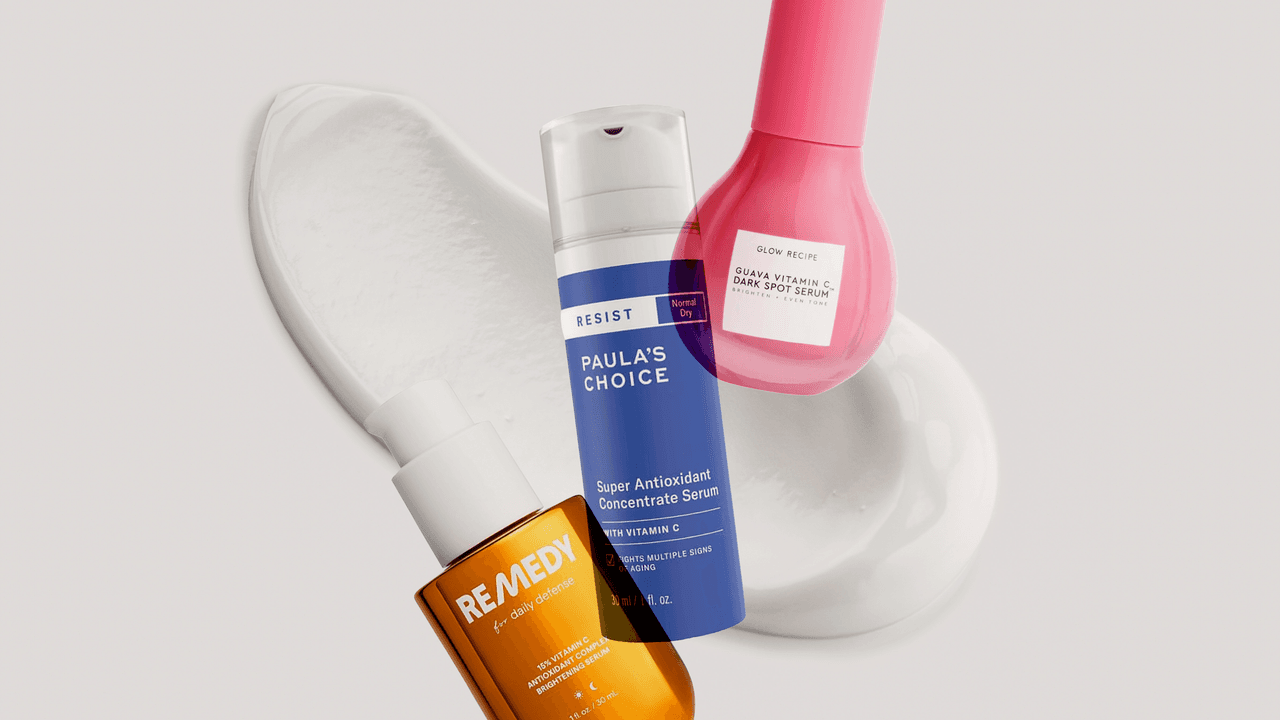
And of course, there’s a built-in antioxidant support system—ferulic acid and vitamin E to boost efficacy, plus ergothioneine, green tea, and turmeric to neutralize a wide range of free radicals. It also features calming, barrier-friendly properties thanks to panthenol, allantoin, cica, and ectoin, with hydration from glycerin, squalane, and hydrolyzed hyaluronic acid. Just as importantly, it’s the kind of formula that feels as good as it performs: “It has a very smooth finish,” adds Dr. Vieira.
AccordionItemContainerButtonType of vitamin C: 3-O-ethyl ascorbic acid (15% vitamin C complex)Other key ingredients: ferulic acid, vitamin E, ergothioneine, green tea, turmeric, panthenol, allantoin, cica, ectoin, glycerin, squalane, hydrolyzed hyaluronic acidFragrance-free: yesFrequently Asked Questions
Can vitamin C be used with retinol?
You can use vitamin C and retinol in your routine, but not at the same time—especially if you have sensitive skin, says Jessica Weiser, MD, a board-certified dermatologist based in New York City and Aspen, Colorado. The combo works “if the antioxidant is applied in the morning (which is ideal to prevent free radical damage during the day) and retinoids at bedtime (also ideal because retinoids are not UV stable),” she adds.
It’s a split schedule that lets both ingredients do their best work without increasing irritation.
Can people with sensitive skin use L-ascorbic acid?
Yes, with conditions.“The form of vitamin C with the strongest scientific data is L-ascorbic acid, but the challenge for sensitive skin is tolerability,” says Dr. Humphrey. That doesn’t mean it’s off the table—it just requires a more strategic approach when choosing vitamin C products. Opt for lower concentrations (think 5–10% instead of 15–20%) and ease in gradually, starting a few times a week before working up to daily use.
Or consider a gentler vitamin C derivative that offers similar brightening benefits with less risk of irritation. “While the ideal concentration of L-ascorbic acid is 15–20% to see the best results, people with sensitive skin are better off using a lower concentration that they can tolerate daily than intermittently using a higher concentration that shatters the skin barrier,” adds Dr. Vieira.
Meet the experts
Chelsea Hoffman, MD, a board-certified dermatologist at Hudson Dermatology and Laser Surgery based in New York City.Shannon Humphrey, MD, a board-certified dermatologist and co-founder of Humphrey & Beleznay Cosmetic Dermatology, based in British Columbia, CanadaSandra Oska, MD, a board-certified dermatologist at Dermatology Institute & Skin Care Center, based in Los Angeles and Santa Monica, CaliforniaCarlos Vieira, a board-certified dermatologist at The Dermatology Specialists based in PhiladelphiaJessica Weiser, MD, a board-certified dermatologist and founder of Weiser Skin MD, based in New York City and Aspen, ColoradoCarina Woodruff, MD, a board-certified dermatologist at Epiphany Dermatology based in Dallas and Rockwall, Texas
How we test and review products
Before reviewing any makeup, we ask questions about a number of factors: What ingredients are in it? Does the brand offer a wide shade range inclusive of consumers with all skin tones and undertones? Is it safe for readers who have sensitive skin or wear contact lenses? Is it on the affordable side or more of a splurge? Is its packaging consciously designed or needlessly wasteful?
For our review of the best vitamin C serums, we enlisted the help of multiple editors, writers, contributors, and makeup artists to review the products. This ensures our testing base spans different skin tones, genders, and dermatological conditions. We considered each product’s performance across four primary categories: ingredients, wear and longevity, packaging, and inclusivity. For more on what’s involved in our reporting, check out our complete reviews process and methodology page.
Our staff and testers
A beauty product is a personal purchase. You might be searching for a face cream to address persistent dryness or a new nail product to add to your Sunday self-care routine; you may simply be browsing around for the latest launches to hit the hair market. No matter what you seek or your individual needs and concerns, Allure wants to ensure that you love anything we recommend in our stories. We believe that having a diverse team of writers and editors—in addition to the wide range of outside testers and industry experts we regularly call upon—is essential to reaching that goal.
After all, can we really say a skin-care product is the “best” for people over 50 if the only testers we’ve solicited opinions from folks who have yet to hit 30? Can we honestly deem a high-end diffuser worthy of your hard-earned cash if it’s never been tested on curls? We’re proud that our staff spans a wide range of ages, skin tones, hair textures, genders, and backgrounds, which means that we are able to fairly assess any beauty product that comes into the beauty closet.
Read more ways to make your skin shine: