



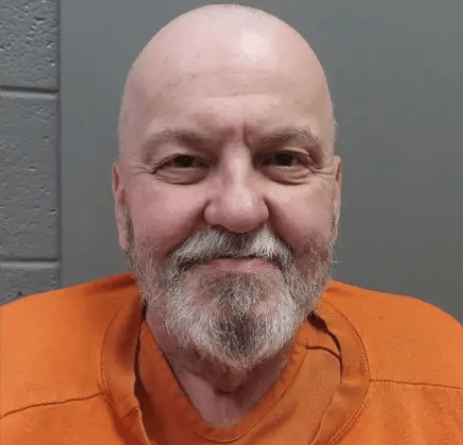
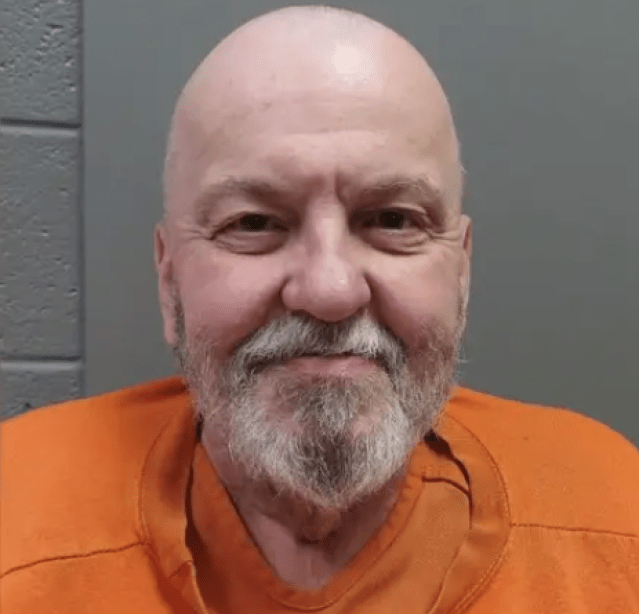

Smilin’ Jerry Wayne Ross, the poster boy for how a positive attitude won’t make you fitter or keep you out of jail/ Cherokee County Sheriff’s Office
And the wreck of science
Confidence in scientists, which slipped in this country during the Covid-19 pandemic, is reported to be climbing once again, but you have to wonder why.
Not because science is a bad thing. Science is a very, very good thing. Science is what made the modern world the comfortable place in which we live today.
But scientists don’t necessarily adhere to science these days. Way too many of them have gone the way of journalists and seem happy to sacrifice the scientific method on the alters of politics, good intentions, so-called “social justice,” or God knows what else.
For someone with a lifelong love of science, this has been painful to watch.
Oh, if only….
The goal of the study, in the authors’ words, was to “contradict a dominant belief about aging held by scientists, health care professionals, and the lay public that it is a time of inevitable and universal decline in functioning.”
That age erodes us all is, unfortunately, a dominant belief because the science is clear. We all get old, and we all die due to inevitable physical and/or mental decay. Yes, there are things people can do – starting with regular physical activity and a healthy diet – to increase the odds of slowing the process both in terms of the rate of decline and length of life.
But time will catch up with us all, and no amount of “positive age belief” is – on its own – going to alter the equation. As an old guy, I guess I should be overjoyed that Dr. Martin Slade and behavioral scientist Becca Levy want to push back against ageism, which the American Psychological Association has labeled “one of the last socially acceptable prejudices.”
But fitness isn’t about attitude; it’s about effort.
If you want to get stronger mentally, you study. If you want to get stronger physically, you exercise. You might hate the study. It might seem like painfully hard work. But if you stick with it, you will learn.
People with positive beliefs about the necessity of doing the work to learn or to get fit are likely to be more willing to put in the effort. This would easily explain the data Slade and Levy found indicating that a significant number of older folk do manage to slow the physical and mental declines associated with age and sometimes claw back some of what they lost when they embraced the now all-too-common “sedentary lifestyle.”
Do the work
Personally, I’m a big believer in both positive thinking and the mind-body connection. A long association with athletes and athletics taught me that in the physical arena, you can only accomplish what you believe you can accomplish.
Belief won’t ensure anything, but if you’re chasing an athletic objective that you don’t believe possible, you’re never going to get there. Even if the training data says that you’re physically equipped to reach the goal, your brain is going to let your body down if you don’t believe.
Slade and Levy obviously found some believers willing to do the work in order to be able to report that “45.15 percent of persons (in their sample) improved in cognitive and/or physical function over this period, and positive age beliefs predicted these two types.”
The problem with suggesting “positive age beliefs” rather than “positive efforts” led to these improvements is the old one of confusing correlation with causation. Now, in fairness to Slade and Levy, this has become rather common in medical research today.
The old adage that “correlation is not causation” is now regularly ignored. All too many 21st century medical studies, in fact, ignore key confounders that could well undermine their claims as to causes. And o ne of the biggest of these confounders often unaccounted for is the lack of physical activity in a country where the machines have taken over and physical activity is ever fading or, in many cases, gone.
Their argument, basically summarized, is that we have fallen victim to our machines and our drugs, and it’s not healthy.
“Beyond preventing or slowing muscle loss, aerobic and resistance exercise also increases insulin sensitivity, enhances mitochondrial density and function, reduces ectopic fat, and stimulates myokines such as interleukin 6 and irisin, which improve metabolism and decrease inflammation,” they wrote.
This is not exactly news. The broad, health benefits of regular physical activity have long been known, but many medical researchers now seem to want to ignore those old findings and blame this country’s failing health on everything else.
If you’re a regular reader of The New York Times, you might have noticed its return to reporting on studies of alcohol as if lobbying for a second coming of Prohibition, one of the great accomplishments of the old Progressive movement. The Times has had no problem finding studies blaming alcohol for this, that and the other, either.
What The Times has ignored, however, is a key, 2016 study that looked at the correlation between physical activity and alcohol consumption. After doing this, Canadian, Australian, Norwegian and English scientists publishing in the peer-reviewed British Journal of Sports Medicine, reported finding that “the association between alcohol intake and mortality risk was attenuated (all-cause) or nearly nullified (cancer) among individuals who met the physical activity recommendations.”
That was one way of looking at the data. Another way might have been to consider that all the studies citing spikes in all-cause mortality and cancer due to alcohol consumption simply failed to account for the lack of physical activity among the people studied.
It would appear that what many of those studies might have found is a stronger likelihood of ill health among people who spend a lot of time drinking while sitting on the sofa watching TV or hanging out on a bar stool.
Surprise, surprise.
Four years after this British Journal of Sports Medicine study came out questioning how dangerous alcohol really is when consumed by people who actually get off the sofa, the Covid-19 pandemic hit. It was destined to produce a mountain of ‘science,’ most of which somehow managed to overlook the importance of physical activity despite an early, peer-reviewed study from England indicating a huge difference in risk for the fit and the unfit.
Instead of telling people to get out in the fresh air an exercise to start improving their fitness to protect against Covid, the world’s medical masterminds were suggesting locking people in their homes.
It wouldn’t be until three years into the pandemic that researchers who looked at the medical records of nearly 200,000 Americans reported the “substantially higher odds of hospitalization, deterioration events, and death, with lower amounts of self-reported physical activity in a stepwise fashion for adults infected with COVID-19.
“Striking” might be an understatement.
If you take this nearly fourfold difference in mortality and apply it to the more than 1.24 million Americans reported dead of Covid-19 during the pandemic, the death count falls to approximately 310,000.
But who cares? So what if improving the fitness of Americans could have saved nearly a million lives?
This is a society technologically devoted to minimizing physical labor, and thus many in this country now think of physical activity, or what is also called “exercise,” as work. And who wants to “work’ in their “leisure time”?
There has to be a easier way, right? Enter positive age beliefs. Put them right up there with GLP-1 drugs, the weight-loss wonder drugs of the day now credited with helping improve a long list of chronic illnesses linked to obesity and lack of exercise.
They will get you thinner, and they may protect you against some diseases linked to obesity. But they won’t get you fitter, or offer as much protection as good, old, physical activity.
The key to health
Swiss and Austrian researchers have reported finding that older individuals “who continued to engage in regular vigorous endurance exercise, training and competitions” during “time of inevitable and universal declines” reduced the average 10 percent per decade loss of physical fitness to the 5 to 6.5 percent level.
You wouldn’t expect someone who has let their fitness slip for years or decades to get back on track with these people by starting a fitness program today, but the approximately two-fold difference in the rate of decline between those who engage in vigorous endurance exercise and training and those who don’t clearly indicates a lot of room for improvement for those in the don’t category.
The researchers could measure fitness by tracking the VO2max levels of older athletes. The Primary MD website calls VO2max “a report card on how well your body supports the life you’re building. The stronger your cardiovascular system, the longer and sharper you stay in every area that matters, such as work, focus, and vitality.
“And the best part? You can improve it at any age with the right plan, data, and medical insight.”
What the Environmental and Public Health researchers studying older athletes found jives with that view. Those researchers also reported that the “decline in endurance-trained individuals usually does not occur gradually over decades but rather consists of a ‘slow component’ related to aging per se and a ‘rapid component’ due to training reduction/cessation.”
The “rapid component due to training…cessation” is the natural response to what has come to be called the “sedentary lifestyle.”
The American Heart Association, a decade ago issued a “science advisory” warning that the time Americans of all ages spends sitting at desks or on sofas or in motor vehicles has led to a steady rise in the risks of cardiovascular disease, metabolic syndrome (a national epidemic), obesity (another national epidemic), diabetes mellitus (yet one more national epidemic), and a variety of other diseases, including many cancers and, most of all, preamture death.
In a country where technology has made life so, so easy, way too many people end up on the track to this lifestyle, and their health suffers because, well, “exercise is medicine,’‘ and they’re not taking their medicine.
Fortunately, what the Swiss and Austrian researchers found is that accelerations in the downward trend in health can be altered, and most especially so among older people. In seniors, they reported, “VO2max. rapidly improves after a few weeks of training…when training starts from a sedentary status.”
Against this backdrop, the Slade and Bevy findings of physical health improvements among a significant cohort of older Americans should come as no surprise. Some folks in their study were, no doubt, encouraged by their doctors to change their lifestyles or prepare for early deaths. Others might simply have found more time to devote to a healthier, more active lifestyle after retirement.
I know more than a few old folks in that category. They retired from their 9-to-5 jobs, started doing the work needed to improve fitness, and saw the results in improved fitness. Whoever would have guessed?
But none of them stopped the slide toward the inevitable end awaiting us all because that is impossible. They only altered the steep a slide I know too well.
A personal history
I have training journals and logs going back for decades that well document the age decline. I started keeping them late in my 30s after setting a goal of running a sub-3-hour marathon.
I wouldn’t break three hours until my 40s, which goes back to that issue of the need to truly believe in what the data tells you is achievable. But I learned a lot on this journey of now more than 30 years.
What the logs document is a steady decline over time, along with the huge variability in that decline tied to the volume and intensity of physical activity (PA). When a few injuries over the years forced me to drop the volume, sometimes to zero, my fitness quickly declined, but once I started ramping up the PA again, I could usually get back to where I was or, sometimes, to an even higher level.
Who knows how many folks enrolled in“The Health and Retirement Study” at the University of Michigan, the source from which the Yale researchers drew their data, had the same experience on their way to joining the 45 percent of older folks showing measurable health improvements as seniors.
And if they enrolled in the Michigan study when they were unfit or marginally fit, they were almost certain to find room for improvement as they aged. Granted, not all forms of exercise work equally for all people in terms of physical improvement, but researchers studying supposed “non-responders” have found that nearly all humans show a positive physiological response to some sort of increase in physical activity.
So if you’re not getting fitter doing what you’re doing now, you might want to try another activity or increase the volume of activity by adding more
If you happen to live in Alaska, you can easily add hiking, backpacking, hunting, snowshoeing and skiing, with the cross-country version being not only a great aerobic workout but a very good muscle-strengthening exercise.
And there is no doubt that if you are unfit now, or only marginally fit, you can become fitter with age despite the overall reality of physical decline. Trust someone who tracked an upward creep in VO2max to 42 during a build-up to a 100-mile, birthday bike ride this year.
This VO2max would be considered “good” for a 40 to 49 year old male. As age enters the picture, however, the definition of a “good” falls to 32.3 by a man’s 70s. Someone with a VO2max score of 42 at that age is somewhere between ”excellent” at 39.5 and “superior” at 45.7.
Having been genetically blessed, something for which I can only thank my parents, I was in the excellent category when I did a full-on, treadmill stress test for VO2max a long time ago. These days, thanks to technology, Garmin heart rate metrics tracked from a watch now make it easy to estimate VO2max at a fairly accurate level.
Mine was today at 41, which is better than excellent for my now old-folk age group, and Garmin was telling me that my “fitness age” was 59.
As a practical measure, it is good enough that on an after bike ride I found myself chasing down and passing cyclists half my age or younger, despite carrying around what I consider to be 15 to 20 pounds of excess body weight.
Dieting is hard, much harder than training. I can empathize with anyone trying to lose weight to improve their health or physical performance metrics. And I’m always happy to see younger Americans doing their best to improve their fitness in a country where the biological need for regular physical activity is too often ignored.
Brain health
And now comes that tricky question as to positive age beliefs and mental fitness, the decline of which is harder to measure right up until the point it becomes obvious that someone is failing.
Whether there is a use-it-or-lose-it aspect to the inevitable mental decline with age is also harder to document, but Swiss researchers in March reported finding indications that “a cognitively active lifestyle may protect against cognitive decline or delay the onset of dementia.”
“…A number of observational studies provide strong evidence for an adverse effect of multiple cardiovascular and lifestyle risk factors,” they observed, and specifically cited “diabetes, midlife hypertension, midlife obesity, physical inactivity, depression, smoking, (and) low educational attainment….Understanding the contribution and the impact of different lifestyle factors on disease development will have an important influence on future disease management and treatment since many of these risk factors are modifiable.”
There again, the research strays into the mind-body connection or the body-mind connection that shows improvements when people get up off the couch and out from behind the steering wheel and move. But Americans don’t like to hear this.
A sheriff’s deputy wrote in his report that “I told (Ross) I had video of the incident and offered to show it to him, which he stated he didn’t want to see because he knew he did nothing wrong.”
Ross’s attitude echoes that of a frighteningly large number of drivers in a country where the trillions of dollars spent on building new and ‘better’ highways have fostered the impression that anyone should be able to get anywhere they want as fast as possible in a motor vehicle.
Unfortunately, many drivers spend much of their time behind the wheel frustrated because traffic from other motor vehicles often makes it impossible to get anywhere fast, which helps to explain the American Automobile Association last year finding that ” staggering 96 percent of drivers admit to engaging in aggressive driving behaviors over the past year…. From speeding and tailgating to cutting off other vehicles, aggressive driving has become a near universal experience – and it’s not just frustrating, it appears to be contagious.”
A disproportionate amount of this rage ends up directed at pedestrians and cyclists who “get in the way,” though these people are the least of the problem. Still, the danger created by drivers who think vulnerable road users the problem now serves to discourage walking and cycling to the extent that traffic jams have become a regular feature around many American schools as parents afraid to let their kids walk or cycle to class arrive for drop-offs and pick-ups.
The fear parents have that leads them to want to drive their child to the door of the school would appear in this case valid. But the long-term consequences of this driving, starting with the epidemic of childhood obesity among sedentary children in the country, cannot be ignored.
And older Americans aren’t that much better off. The JAMA commentators reported that “approximately half of U.S. adults and three-quarters of adolescents…(are) classified as physically inactive, increasing their vulnerability to obesity and numerous diseases, with estimated annual direct health care costs of more than $5.2 billion.’
Positive attitudes toward aging aren’t going to fix this for those already old or those destined to become old. Fundamental changes in urban transportation systems are needed to get Americans moving in the name of both physical and especially mental health.
As someone who was in America riding a bike a lot in April, I can personally attest to the benefits to mental health linked to PA. At the wheel of the SUV in urban America, exposed to regularly congested roads and a lot of bad driving, I have to work at tamping down a Jerry Wayne Ross responses to the inherent stress of urban driving.
On the bike, on the other hand – even when I have had to take quick, evasive action to avoid being hit by a driver blowing through a stop sign or witnessed a dangerously close pass at high speed – the momentary anger at having my life put in jeopardy passed quickly.
I never counted how many pedal strokes there were between each such an incident and my return to feeling generally happy to be alive, but it wasn’t not many. This isn’t surprising. Physical activity has long been connected to improvements in mood.
Endorphins, a naturally produced pain reliever, used to be credited with creating a “runner’s high” that left runners feeling great, but that idea has been generally dismissed given that endorphins “do not pass the blood-brain barrier,” according to researchers at the John Hopkins University School of Medicine.
“Endocannabinoids, biochemical substances similar to cannabis but naturally produced by the body,” are now getting the credit for improved mood, according to the university.
A lot of motorists could do with such reduced anxiety and feelings of calm, especially old drivers like Ross, who was likely already suffering from grumpy old man disease or what is now regularly called “irritable male syndrome.
Ross, ironically, might have benefited in the latter regard by geting out of his SUV and joing the cyclists to help hold that angry old-man syndrome at bay.
After studying a group of men aged 57 to 80 who regularly cycled and comparing them to “a group of adults who do not partake in regular physical activity,” Researcher at England’s University of Birmingham found that the cyclists “did not increase their body fat or cholesterol levels with age and the men’s testosterone levels also remained high, suggesting that they may have avoided most of the male menopause.
“More surprisingly, the study also revealed that the benefits of exercise extend beyond muscle as the cyclists also had an immune system that did not seem to have aged either.”
“Hippocrates in 400 BC said that exercise is man’s best medicine, but his message has been lost over time and we are an increasingly sedentary society. Our research means we now have strong evidence that encouraging people to commit to regular exercise throughout their lives is a viable solution to the problem that we are living longer but not healthier.”
If, of course, they don’t get run over by some lunatic driver on the roads of America.
Categories: Commentary