




By now, you’ve probably heard of creatine. Until recently, it was only spoken about on the gym floor, but it’s become one of the most well-researched supplements in recent years, and new studies have shown its benefits shine particularly for women over 40.
Those who do regular strength training will still see the most benefit of taking creatine as it helps improve strength by topping up the body’s natural energy stores. This can help you gain more muscle, improve your bone density (warding off issues like sarcopenia and osteoporosis), and find exercise a little easier.
You may like
Creatine for womenWhat is creatine?
Creatine is a compound naturally found in the muscles, brain, and gut. It is made from three amino acids (these help make up our body’s tissues): L-arginine, glycine, and L-methionine. Its main role is to supply energy to muscles during heavy lifting and high-intensity exercise.
After digesting protein from food, the body produces just under 1g of creatine in the liver. The creatine supplement we’re talking about is called creatine monohydrate, and many people choose to take it to top up these levels.
You can also find creatine in many common foods – especially animal products like meat and fish – but it’s unlikely you’ll hit the amount that you’d find in a supplement.
What does creatine do?
Put simply, creatine helps to maintain a continuous supply of energy to our muscles during intense exercise and heavy lifting. To understand how it works on a deeper level, we have to delve into how our body produces this energy.
“Adenosine triphosphate (ATP) is a molecule that carries energy within cells and is often referred to as the ‘energy currency’ of our cells,” says Abi Roberts, sports nutritionist with Bulk. “This is our main fuel source for high-intensity activity and explosive movements, but we only have a limited supply of this fuel, so creatine is the substance involved in the resynthesis of ATP, providing us with a more constant supply.”
When we supplement creatine, she explains, we “increase the stores of creatine in the muscles, which accelerates the recycling of ATP and allows us access to fuel for more high-intensity exercise”.
What to read next
Having more energy means we can lift heavier weights or do more repetitions, or run faster. This extra effort makes the body adapt, change, and get stronger.
Who is creatine suitable for?
Creatine is suitable for most adults who regularly exercise. Research from several institutions, including those by the University of North Carolina, says it’s most effective for women engaging in high-intensity exercise over short durations, or repeated sets of high-intensity exercise with shorter rest periods. That means strength training for women in all forms from dumbbell workouts for beginners to weightlifting, treadmill sprints, hill repetitions, and HIIT workouts.
There is also “some preliminary evidence highlighting the potential cardiovascular health benefits of creatine supplementation, too. It may improve blood vessel function and blood pressure regulation as it impacts nitric oxide production,” says Dr Patel.
It’s also been proven to be particularly beneficial for women over 40 and those going through menopause, as the same research from the University of Carolina shows it can prevent age-related muscle, bone, and strength loss by reducing inflammation and oxidative stress and increasing bone formation.
However, those with kidney or liver disease and those with diabetes should avoid it, or at least speak to a doctor about whether it’s a suitable option.
Benefits of creatine for women over 401. Stronger bones
Women tend to lose about 2% of their bone density each year during perimenopause and in the two years post-menopause, thanks to the dropping levels of oestrogen in the body. Creatine may help to prevent this, says Rachael Sacerdoti, a certified nutritionist and personal trainer specialising in women’s health and the founder of the It’s So Simple method.
“Some research suggests that creatine supplementation may positively affect bone density [as it increases metabolic activity and helps with bone cell development], which is important for reducing the risk of osteoporosis, a condition more common in postmenopausal women,” she says.
2. Helps prevent muscle loss during menopause
Another common result of menopause is muscle loss, again thanks to the declining levels of oestrogen in the body, but “creatine supplementation can help combat age-related muscle loss, also called sarcopenia, by increasing muscle strength and promoting lean muscle mass maintenance,” says Rachael.
“While the direct link between oestrogen and creatine in the female body is not well-established, we know that the decreasing levels of oestrogen in perimenopausal women have an influence on muscle mass, fluid balance, bone health and hormonal interactions, which may directly impact creatine metabolism,” adds Dr Patel. “This means perimenopausal women have even lower amounts [of creatine] which, in turn, is why we are seeing such positive results with supplementation in this age group.”
3. May positively impact mental health
The benefits of creatine for women have focused on the physical, but recent research shows that creatine benefits the brain, too. A study in Frontiers in Nutrition found that supplementing with creatine monohydrate “may confer beneficial effects on cognitive function in adults, particularly in the domains of memory, attention time, and information processing speed”, which is why it’s considered helpful for those in menopause.
No supplement is a replacement for proper mental health aid, but there’s also good research to suggest that creatine may help those diagnosed with depressive disorders. For example, a review by Seoul National University College of Medicine and College of Natural Sciences found that women who took their daily medication with 5g of creatine responded twice as fast as those who took the antidepressant alone.
4. Creatine can improve exercise performance
The main use of creatine is to improve exercise performance – and for good reason. In a study from Universidad Europea de Madrid, female participants had a 15% increase in exercise performance after taking creatine for 10 weeks, compared to just 6% of men, suggesting it’s double as effective for women.
The improvements are caused by the body’s improved ability to produce ATP (as mentioned above), in all likelihood. Normally, ATP starts to drop after just 10 seconds of high-intensity exercise – as Penn State Milton S. Hershey Medical Center research reveals – but as supplementing with creatine means we can produce more ATP, we can maintain an excellent exercise performance for longer.
Even if you’re not interested in performing at an ‘excellent’ level during exercise, this is a huge advantage with real-world impact. For example, the stronger your bones and muscles and the longer you can exercise, the more muscle you have. The more muscle you have, the faster your metabolic rate, and the faster your metabolic rate, the easier it is to maintain a certain body weight and ward off adverse health conditions like heart disease and diabetes.
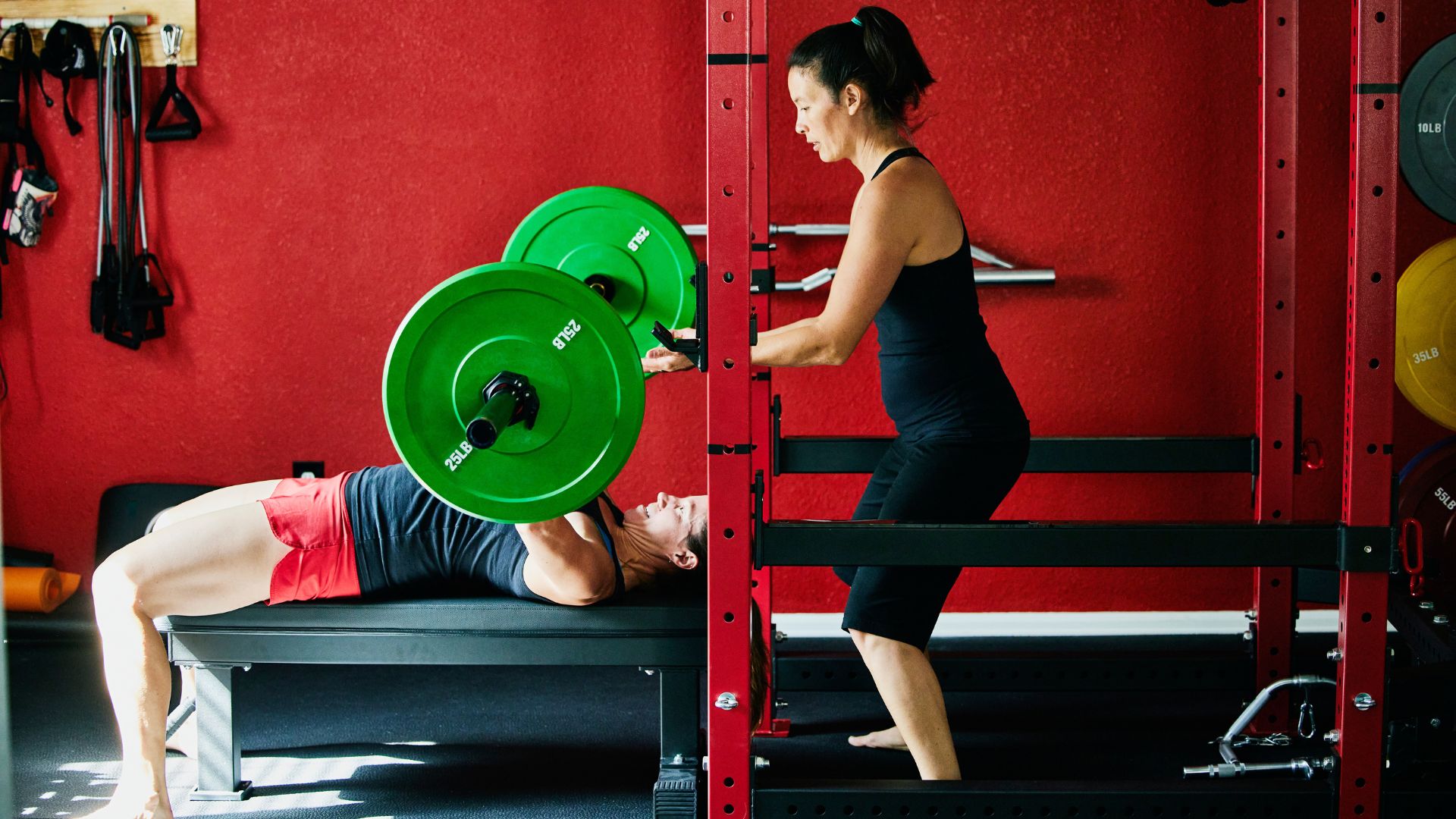
Those who do regular strength training will benefit most from taking creatine, but you don’t need to be someone with years of training behind you. Beginners can benefit, too.
(Image credit: Getty Images)
5. It may reduce tiredness
All this talk of more exercise may make you worry about getting through the week without feeling tired all the time. Well, even just one dose of creatine can help with this, according to new research by Forschungszentrum Jülich. The sleep-deprived participants in this study were given a single dose of creatine monohydrate and asked to complete various cognitive tests. Compared to the placebo group, there were improvements in brain performance and processing speed, meaning participants felt more awake and alert after taking creatine.
Other older research backs this up, too. University College Chichester loaded participants with 5g of creatine monohydrate, four times a day, for seven days immediately before an experiment. They then went through 24 hours of sleep deprivation, and researchers found that the supplementation positively affected their mood and performance in tasks requiring a lot of brain activity compared to the placebo group.
What is the best creatine for women?
When choosing a creatine to buy, you want to look for creatine monohydrate in its purest form. “The market is full of fancy forms (e.g. creatine HCL, buffered creatine, etc), but none have demonstrated meaningful superiority over creatine monohydrate in well-controlled research,” says Tobias Stöckmann, a nutritional research scientist at More Nutrition.
Tablets or powders will be a better form than gummies – at least at the moment. “The manufacturing process can degrade creatine [in gummy form] to inactive creatinine,” says Tobias, and large studies have shown that many popular creatine gummies contained half the amount that they suggested on the packaging.
Here are three tried and tested by the woman&home team that we recommend after using for at least a month:
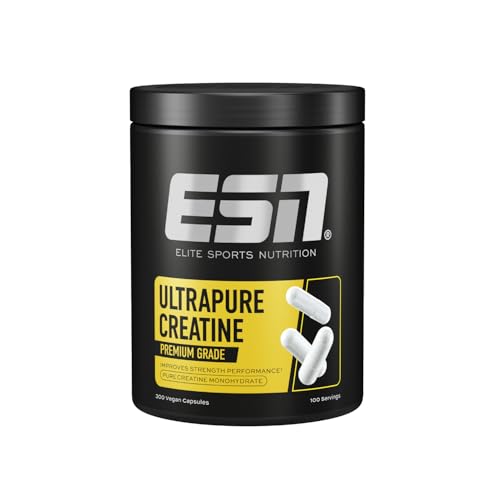
ESN
Creatine Monohydrate, 300 Capsules
Our Editor Kerrie Hughes tried ESN’s Ultrapure creatine in tablet form and found it sat well in her stomach. You take three every day, and it’s an easy way to avoid the grainy texture of creatine powder in a drink, which many people find off-putting.
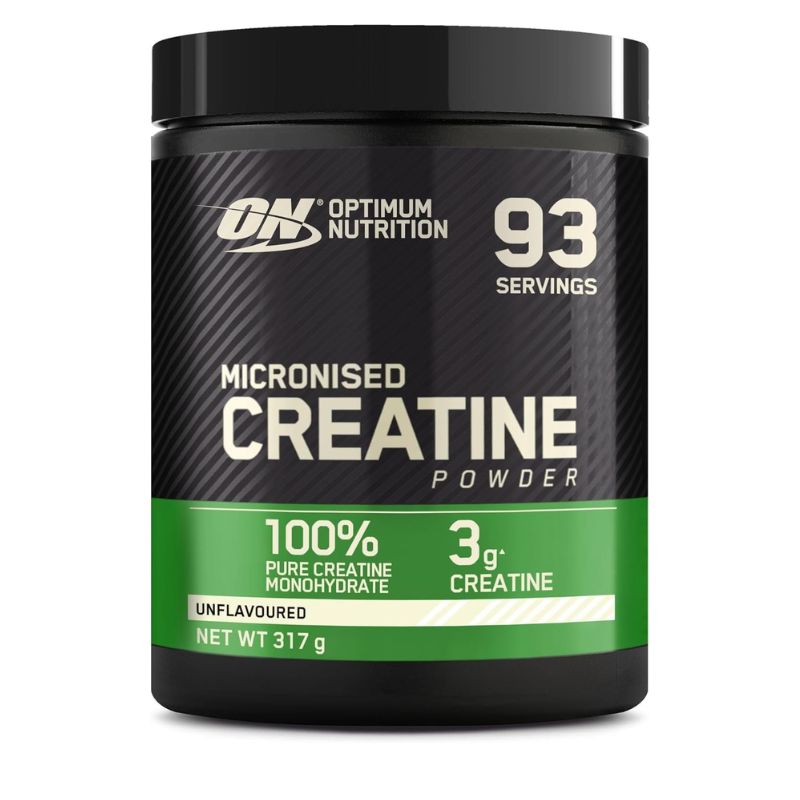
Optimum Nutrition
Creatine Monohydrate Powder, 317 G
Before I started using the fourfive magnesium and creatine combination below, this was my go-to for easy intake and value for money. It offers the basic 3g of creatine every day, which is a great starting point for those new to the supplement.
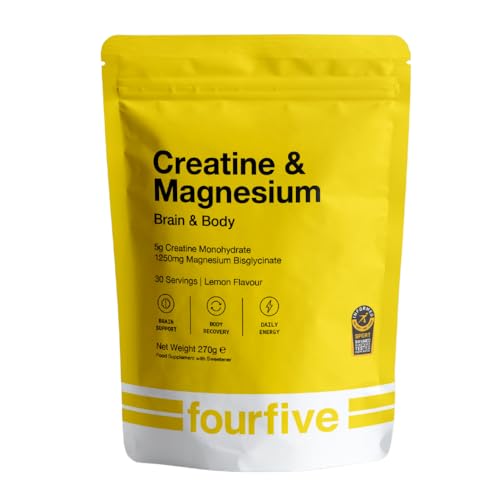
fourfive
Creatine Monohydrate & Magnesium Powder, 270g
While not suitable for everyone (as not everyone needs or wants to take a magnesium supplement and the lemon flavour is an additional artificial ingredient), this is one of my favourites. I add it to my blueberry smoothie every morning, and it’s delicious, serving 5g of creatine and 1250g of magnesium in one go.
How do you take creatine?
Creatine can be taken any time of day (regardless of when or if you do any exercise) with or without food. It needs to be taken every day to build up in your body, and this is the most important part about taking the supplement, says Tobias.
“First and most importantly, consistency beats optimisation. Missing a day or having one suboptimal absorption window is irrelevant in the bigger picture,” he tells us. “Creatine works by saturating muscle stores over time, so daily habitual intake is the single most impactful factor.”
That being said, he notes: “Taking creatine with some carbohydrates or a balanced meal could make sense for some, as creatine uptake into muscles is partly insulin-mediated. Also, avoid dissolving it in hot liquids. Creatine degrades to creatinine under prolonged heat or acidic conditions. Cold or lukewarm water is the straightforward fix.”
How much creatine should you take?
The most researched and widely recommended daily dose is 3 to 5g of creatine monohydrate per day. “This is consistent across hundreds of clinical trials and supported by major sports nutrition and exercise science bodies,” says Tobias.
If you want to get specific about it, he says: “Take 0.1g per kg body weight per day. Meaning a 60kg woman would target 6g per day. This accounts for individual differences in muscle mass and body composition and is increasingly referenced in more recent research as a more precise dosing direction.”
Should you take creatine on rest days?
Yes, you should take creatine every single day – and that includes the days when you don’t exercise at all. Unlike other fitness supplements, creatine does not have an immediate effect so you need to keep the load up in your muscles constantly for it to be effective over time.
Creatine is very similar to vitamin supplements in this way – you wouldn’t take a single vitamin D tablet and expect an immediate result. The same goes for creatine.
But again, it doesn’t matter what time of day you take it. Some people take their creatine monohydrate in the morning to get it out of the way, while others supplement it with their meal in the evening to reduce the chance of any digestive discomfort throughout the day.
What happens if you take too much?
If you take slightly too much creatine, you’ll likely experience a little discomfort – such as bloating, dehydration, dry mouth, and muscle cramps. However, if you continue to take above the recommended amount over a long period, you could experience more serious side effects, like hair loss and liver and kidney damage.
Only take as much creatine as is recommended on the packet. If you are unsure how much to take, consult your doctor or another certified health professional and start with a lower dosage of up to 3g daily.
Some people also experience side effects even when they take the recommended dose – especially at the beginning.
Typical side effects include:
Gastrointestinal discomfortHeadachesMuscle crampsDehydrationDiarrhoeaDizzinessWeight gain due to water retention