





What originally began as a joke between two comedians has unexpectedly evolved into one of the most unique fitness-centered community events in entertainment. According to Tom Segura, part of what made the 2 Bears 5K resonate with fans so quickly was the sheer absurdity of the idea itself. At the time, neither Segura nor longtime podcast co-host Bert Kreischer was exactly known for being an elite athlete, which made the entire concept feel more approachable for everyday people who may have never considered participating in a race before.
“Probably that two middle-aged fat guys known for not being fit decided to do this,” Segura says. “And that it inspired a lot of other people who had never done it to try it.”
Over time, the event grew into something much larger than either comedian initially expected. What started as podcast banter eventually transformed into a full-scale experience blending fitness, comedy, celebrity appearances, fan interaction, and live entertainment. Looking back now, Segura says there’s very little he would change about how the event developed, aside from wishing they had committed to the idea much sooner.
“I don’t know that I’d change much,” he says. “Other than I wish we had started it years earlier.”
 2 bears 5k
A Structured Approach to Training
While Kreischer often embraces a more spontaneous style of preparation, Segura admits he approaches the physical side of the event much differently. For him, completing the race and improving his performance year after year requires months of preparation and a much more disciplined approach to training.
“Bert is more of a wing-it guy,” Segura says. “I cannot do that, so I start getting my miles in months in advance.”
Even with the preparation, Segura openly admits that running itself is not something that comes easily or is enjoyable to him. In fact, he says part of the process every year involves mentally working through his dislike of training until the consistency finally feels rewarding.
“I kind of hate it, the running,” he says. “But I slowly start to embrace it as it gets closer.”
That gradual mental shift has become part of his annual routine leading into the event. While the training may not always feel exciting, Segura says racing the calendar gives him a concrete goal to work toward, which ultimately helps him stay accountable with both his conditioning and overall fitness.
This year, Segura says his primary goal is simple: finish the race in under 30 minutes while continuing his tradition of improving on his previous year’s performance.
Reset Due to Recovery
Segura’s current approach to fitness was heavily shaped by the serious basketball injury he suffered in 2020, an accident that resulted in extensive damage to both his leg and knee and forced him into a lengthy recovery process. The experience, he says, completely changed the way he thinks about health, training, recovery, and long-term physical longevity.
“It made physical health a priority,” Segura says. “It also makes me listen to my body in a way I never did before.”
Before the injury, Segura admits he often approached fitness with a mentality centered around pushing through discomfort without paying close attention to recovery or mobility. But after being forced to rebuild physically from the ground up, he developed a much greater appreciation for balance, consistency, and functionality rather than simply chasing heavier lifts or aesthetic goals.
“I’m more into mobility and circuit training now more than ever,” he explains. “I don’t think about ‘big’ lifts like when I was younger.”
The recovery process also revealed how important mental discipline becomes during difficult physical setbacks. According to Segura, one of the biggest revelations throughout rehab was realizing how much mindset ultimately determines whether someone follows through on their goals.
“It’s so mental,” Segura says. “We’re all capable of more, but you have to have the right mindset to prepare and to go through with it.”
That realization now shapes much of how he approaches both fitness and life in general. Rather than relying on motivation alone, Segura believes consistency and mental discipline are often what separate people who make lasting progress from those who continually struggle to stay committed.
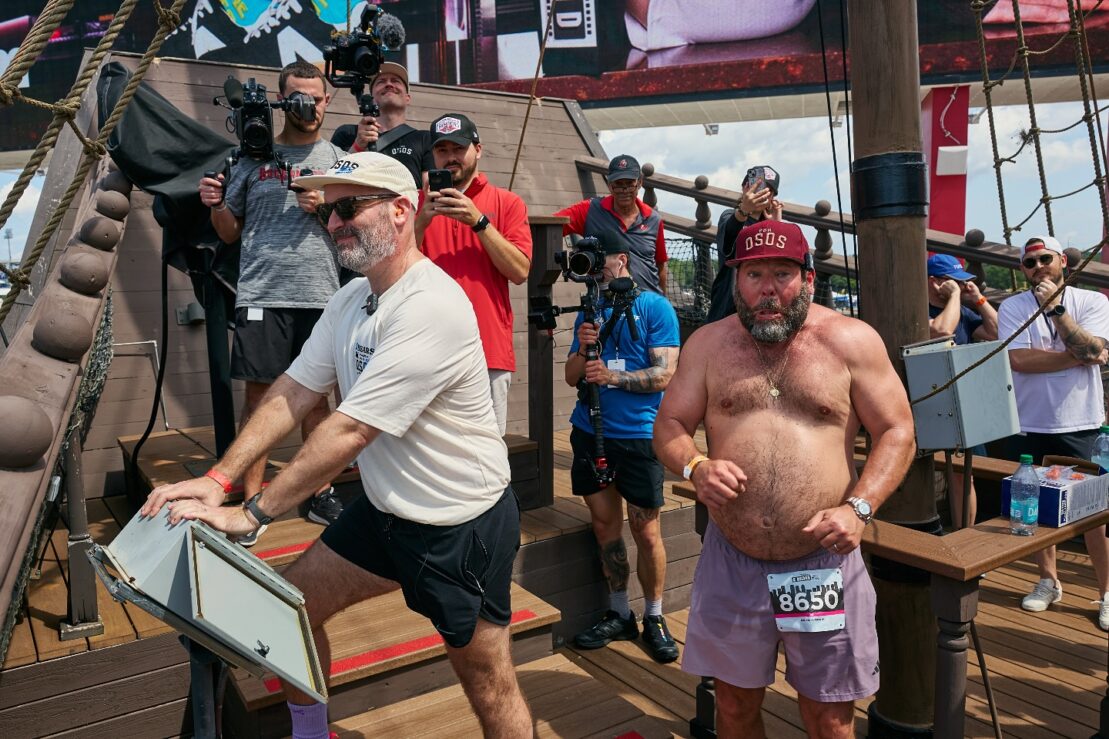 Shaun Nix Photography
A Fitness Routine: Consistency and Longevity
These days, Segura’s training routine revolves far less around extremes and much more around building sustainable habits that fit into the demands of touring, work, family life, and recovery. Most mornings begin early with a trip to the gym before the rest of the day becomes consumed with responsibilities.
“I wake up around 6:30 or 7 and go to the gym,” he says. “Most mornings I run a mile and then have a workout that is more circuit-based lately, so I get cardio and resistance in.”
Rather than rigidly scheduling recovery days in advance, Segura says he has learned to pay much closer attention to how his body feels on a day-to-day basis. Some days require pushing harder, while others require stepping back and prioritizing recovery.
“I take days off as I feel I need them,” he says. “I don’t plan for them.”
Sleep has also become one of the biggest priorities in his overall health routine, especially while balancing the physical demands of travel with the realities of parenting and life on the road.
“Eating clean isn’t that hard,” Segura explains. “Sleep can be a real challenge with travel and kids, but you can’t perform well in any physical activity if you don’t prioritize sleep.”
 2 bears 5k
The Most Ignored Fitness Advice
Although the modern fitness industry often overwhelms people with complicated routines, conflicting advice, and unrealistic expectations, Segura believes most people would benefit from simplifying the process and focusing on consistency over perfection.
“Don’t overthink it,” he says. “Just get it done. It doesn’t have to look good for it to count.”
That same philosophy also became essential during his recovery process following his injury. Segura credits physical therapists and occupational therapists with helping him return safely to training and says too many people underestimate how important the smaller rehabilitation exercises truly are.
“Do the little mundane stuff you think is a waste of time,” he says. “It’s the difference between making a full recovery and having lingering issues.”
As for race day itself, Segura expects the same mix of competitiveness, comedy, and complete unpredictability that has defined the event since its creation.
“I think we all want to beat each other,” he says. “But we’re also old enough to know we could hurt ourselves.”
And once the race is finally over?
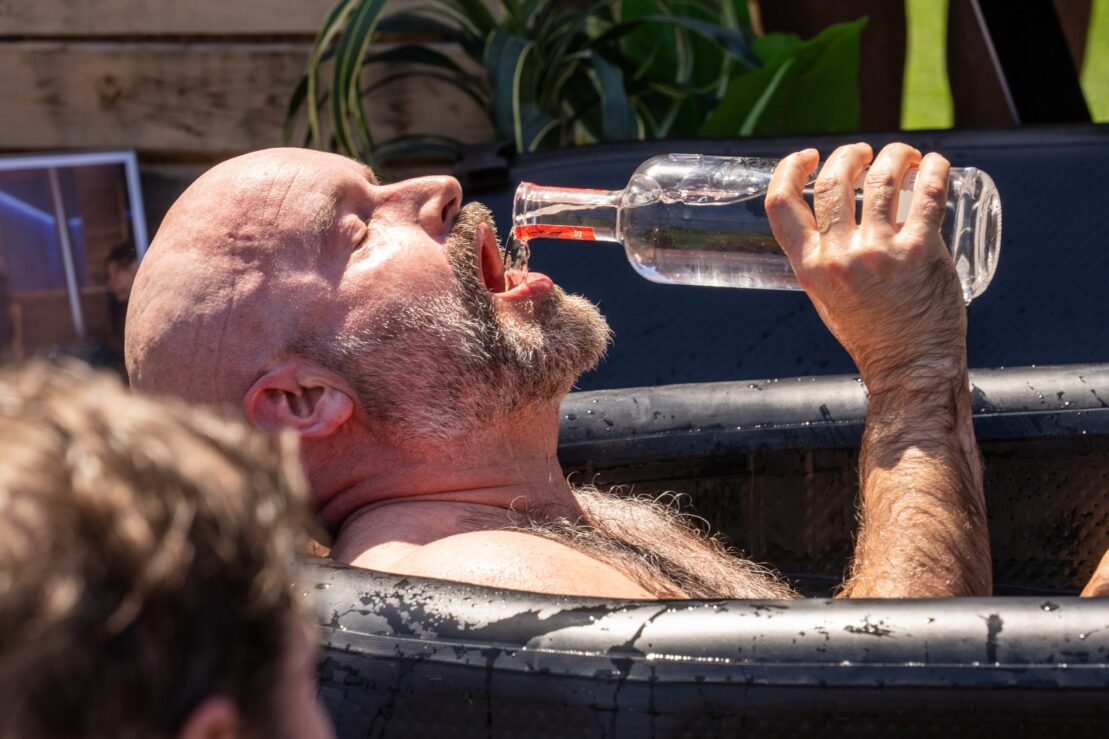
“Drinking Por Osos straight up,” Segura says. “Then cold plunge.”