




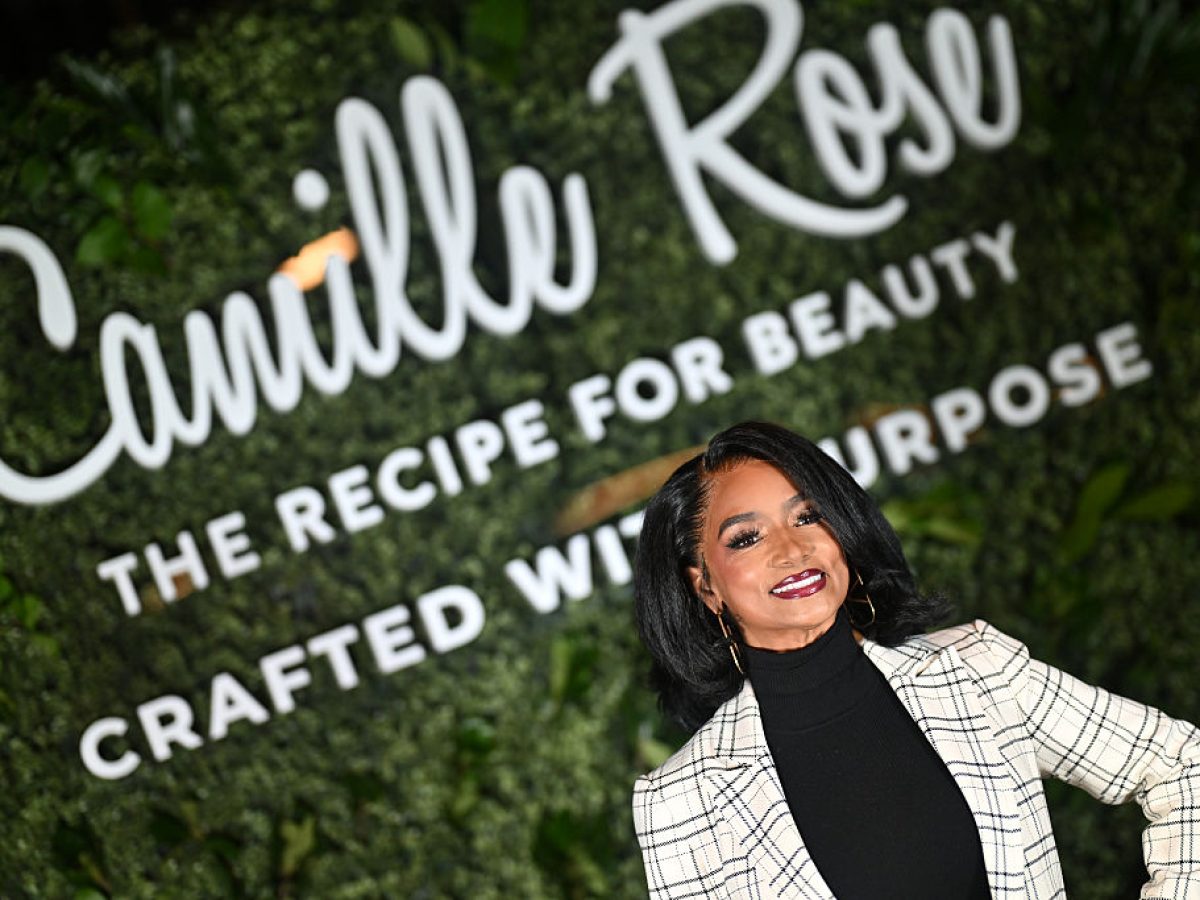
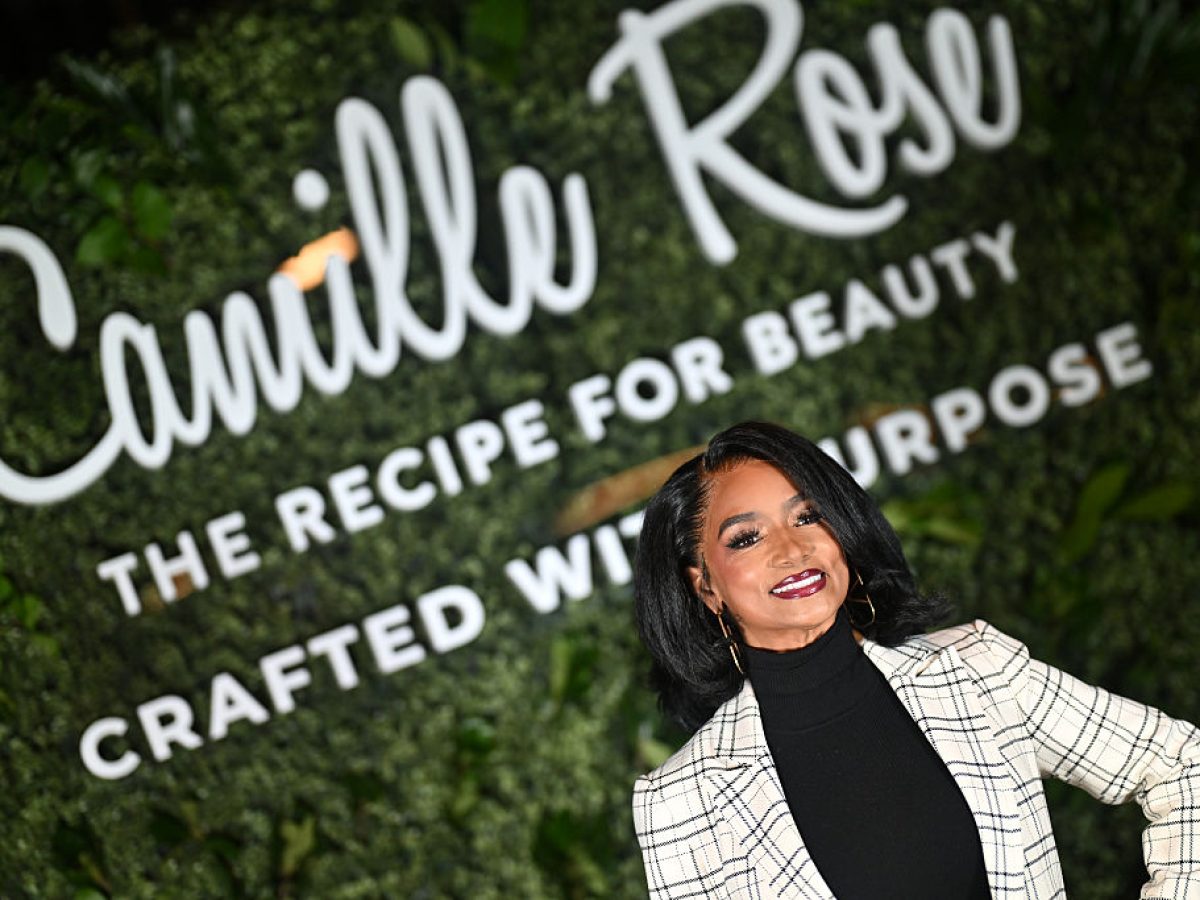
ATLANTA, GEORGIA – JANUARY 08: Janell Stephens, CEO of Camille Rose, attends the Camille Rose private dinner at RETREAT by The Gathering Spot on January 08, 2026 in Atlanta, Georgia. (Photo by Paras Griffin/Getty Images)

The Black beauty industry is booming and has been for years (decades, even).
Black consumers outspend nearly every other demographic on beauty products per capita, and the market built around their needs is projected to nearly triple in value by 2034. But the founders building that market have historically had to do it with less capital, less access, and fewer institutional resources than their counterparts.
That gap between consumer power and founder support (which we’ve seen more recently with the closing of Ami Colé, and the struggles of Adwoa Beauty) is the context that makes a platform like Ulta Beauty World worth paying attention to. The second annual event, held last month in Orlando, drew more than 3,000 attendees and over 220 brands, and the Black founders who showed up had a lot riding on it.
The April 15-16 event brought together household names like Cécred, Fenty Beauty, and Pattern Beauty to emerging indie labels like Juvia’s Place, still building their footprint in retail. The sold-out expo doubled its attendance from the inaugural 2025 event in San Antonio and introduced a brand-new Masterclass Day featuring founders including Miss Tina Knowles of Cécred and Sir John of Medicube.
A few weeks out, the founders who were there are still feeling it.
“Showing up at Ulta Beauty World was a defining moment for our brand,” Octavia Morgan, fragrance expert and founder of OCTAVIA MORGAN Los Angeles told ESSENCE.
“It signaled that we’re not just building something beautiful, we’re building something scalable and worthy of national attention. That kind of platform puts you in front of buyers, press, and consumers all at once, which is incredibly powerful. The visibility translates into real growth through increased brand awareness, stronger retail conversations, and immediate consumer feedback. It also builds trust, when people see you in that space, it validates your brand in a way that opens doors much faster.”
Ulta has made concrete moves to address that gap: the MUSE Accelerator, launched in 2022, selects underrepresented founders each year for financial support and retail mentorship. It’s yet to be known if they’ll be bringing it back for 2026, but in the past, the company also committed $50 million toward diversity and inclusion and signed the Fifteen Percent Pledge, which calls on retailers to stock Black-owned products in proportion to the Black share of the U.S. population. The receipts, in other words, exist, however uncertain they may be at the moment.
Janell Stephens, founder of Camille Rose Naturals, has built one of the most recognized natural hair care brands in the country over more than a decade in business. When Camille Rose joined Ulta’s shelves, it was because Ulta’s own customers had been asking for it by name. Not many brands get pulled into a retailer by the customers themselves, and that history informed how Stephens showed up at Ulta Beauty World this year. For her, the event was about reinforcing the human connections that keep a brand alive inside a retailer long after the launch excitement fades. “Showing up at Ulta Beauty World is always meaningful because it gives us a chance to connect directly with the people who represent the brand in stores every day,” Stephens said.
She continued, “They are the ones educating customers and helping them discover Camille Rose for the first time. When they understand the story, the ingredients, and the intention behind the products, that excitement carries into the stores. That is what really drives growth. When the people on the ground believe in what you are building, the business follows.”
Staying power in retail is a different skill set than breaking in. After the launch excitement dies down, a brand has to earn its place on the shelf every single week.
“Getting into retail is one thing, but staying there takes consistency,” Stephens said. “For us, it’s always come down to making sure the products actually perform and continuing to innovate. You have to keep listening to your consumer, keep improving, and keep bringing something meaningful to the shelf. Over time you build trust, with the customer and with the retailer, and that’s what really sustains a brand.”
Morgan, who is still in the earlier stages of that journey with OCTAVIA MORGAN Los Angeles, had her own version of that story. “The biggest learning curve has been understanding the level of preparedness and infrastructure required to support retail at scale,” Morgan said.
“It’s not just about having a great product, it’s about supply chain, margins, consistency, and being able to meet demand without compromising quality. You also learn quickly that retail is a partnership; it requires clear communication, flexibility, and the ability to align your brand vision with the retailer’s expectations while still maintaining your identity.”
Morgan didn’t sugarcoat the harder parts either.
“What people don’t see is the weight of doing it with fewer resources and less room for error,” she said. “There’s often an unspoken pressure to not just succeed, but to overperform. Scaling requires constant problem-solving whether it’s funding, production timelines, or navigating spaces where representation is still limited. Behind the scenes, it’s a balance of resilience, strategy, and faith. But it’s also deeply intentional because we’re not just building a brand, we’re creating legacy and expanding what’s possible for the next generation.”
Ulta Beauty World sold out in Orlando, the photos made the rounds, and the swag bags got unpacked. And then the Black founders who were there went home and got back to work.