




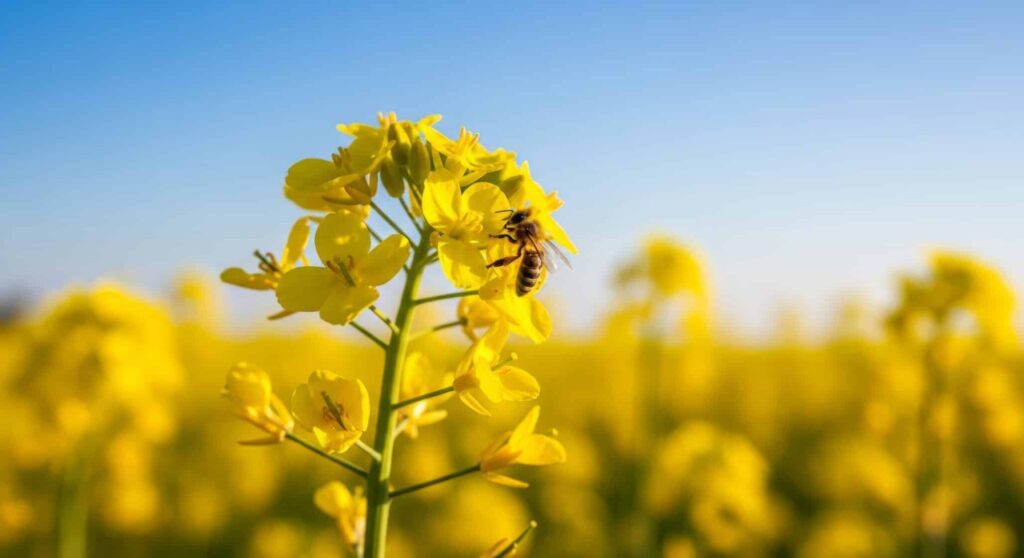
Biodiversity loss is directly threatening human health and livelihoods, according to new research led by the University of Bristol.
The study, published in Nature on May 6, found that declining insect pollinator populations are undermining ecosystem services that support food production, nutrition and farm incomes. The findings also reinforce the broader role biodiversity plays in public health and economic resilience.
While insect pollinators are widely recognized as essential for producing fruits, vegetables and pulses rich in vitamins and minerals, evidence directly linking pollinator decline to human health outcomes has been limited.
To examine those links, researchers worked in 10 smallholder farming villages and surrounding landscapes in Nepal. Over the course of a year, the team tracked diets, crop nutrients, pollinator activity and crop yields to understand how wild pollinators support farming households, according to a press release.
The study found that pollinators were responsible for 44% of farming income and contributed more than 20% of people’s intake of vitamin A, folate and vitamin E.
According to the researchers, declining pollinator populations can increase the risk of poor nutrition, illness and deeper cycles of poverty. They noted that about one quarter of the global population already suffers from “hidden hunger,” or deficiencies in essential nutrients.
The findings also showed that practical actions can help reverse the trend. Measures such as planting wildflowers, reducing pesticide use and supporting native bee populations can improve pollinator numbers, strengthen food production and support farm incomes.
Although the research focused on Nepal, the study said the same connections apply globally, including in industrialized countries where food systems still rely heavily on pollinators and healthy ecosystems.
“Our study shows that biodiversity is not a luxury — it is fundamental to our health, nutrition and livelihoods,” Dr. Thomas Timberlake, Post-Doctoral Research Associate and lead author, who carried out the study while at the University of Bristol and is now at the University of York, said. “By revealing how species like pollinators support the food we eat, we highlight both the risks of biodiversity loss for human health, but also the powerful opportunities to improve human lives by working with nature.”
Researchers said the findings provide a framework for policymakers and farmers seeking to develop more nature-positive farming systems. With around 2 billion people relying on smallholder agriculture worldwide, protecting ecosystems that support nutritious food production remains critical for sustainable development.
The international research team, which includes universities and non-governmental organizations in Nepal, the UK, the U.S. and Finland, is now working with farmers, local organizations and government partners in Nepal to restore pollination systems and encourage pollinator-friendly farming practices.
The study is also helping inform a new National Pollinator Strategy for Nepal aimed at integrating pollinator protection into everyday agriculture. Researchers said the work demonstrates how scientific evidence can support practical changes that improve food security, livelihoods and resilience through biodiversity restoration.