




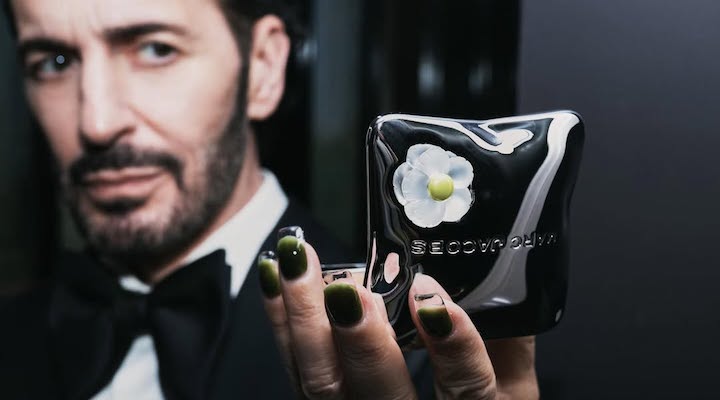
Last week, all eyes were on the Metropolitan Museum of Art’s well-known annual fundraiser, the Met Gala. While most media coverage centred on the celebrities’ outfits, particular attention was paid to Rachel Sennott’s makeup. The I Love LA actress wore a striking lilac eyeliner from Marc Jacobs Beauty – a brand that shut five years ago despite gaining a cult following. The look and subsequent Instagram posts confirmed that the label was indeed making a comeback later this month under a f
resh licensing agreement. But after its first run struggled to make a mass-market breakthrough, the question now is whether its new custodian, Coty, can harness the hype to build a profitable product line.
Saved from the beauty graveyard
Marc Jacobs Beauty was born out of LVMH’s beauty incubator Kendo, which was also responsible for the creation of Rihanna’s brand Fenty Beauty, in 2013. The range quickly gained a loyal following for its unique formulas and stylish packaging, but it never matched the commercial success of its pop star sibling.
Yet, in 2017, Marc Jacobs Beauty was estimated to have made just US$20 million in sales, though some insiders believe sales may have peaked at double that amount. Even so, the brand became known for popular products like Velvet Noir mascara and Beauty Highliner Gel Eye Crayon. By 2021, Kendo decided to stop making Marc Jacobs Beauty after its licensing agreement ended, and started selling off the remaining products that year.
However, two years after Kendo said it would close Marc Jacobs Beauty, fans were still buying leftover products on sites like Ebay. Soon after, beauty company Coty stepped in and announced a possible comeback. Fast forward to August 2023, and the French beauty company revealed it had signed a new long-term license agreement to take over Marc Jacobs Beauty, adding to its 20-year partnership with the brand for fragrances.
More than a brand launch
Beauty fans are excited about the brand’s return, but the bigger story is how Marc Jacobs Beauty’s comeback could affect the business and change the industry. Even with lots of media attention and loyal fans, the Marc Jacobs brand has faced challenges in recent years. During restructuring in 2025 and early 2026, reports said LVMH might sell its licensing business to Authentic Brands Group. The deal did not happen, but it showed Marc Jacobs needed to boost its brand value.
Coty has faced its own problems, including weak sales, the resignation of CEO Sue Nabi, the loss of the Gucci brand, and several class-action lawsuits. If Marc Jacobs Beauty relaunches successfully, it could not only bring back the favourite makeup line but also help both the fashion label and Coty improve their reputations and market positions at a key moment. But as the struggles of big brands like Pat McGrath Labs and smaller ones like Ami Colé show, it is tough to stay successful in today’s beauty industry.
How can Marc Jacobs Beauty stand out
Kimber Maderazzo, professor of marketing at Pepperdine Graziadio Business School and a beauty industry expert, explained that Marc Jacobs Beauty developed a strong cult following by delivering elevated branding, fashion credibility and products that resonated emotionally with consumers.
But as Maderazzo pointed out, having loyal fans is no longer enough. The cosmetics market is now much more crowded and focused on innovation, so brands need to stay relevant and connect with their communities.
“The timing for a return makes sense because prestige beauty consumers continue to gravitate toward brands with authenticity, heritage and a strong founder or fashion identity,” said Maderazzo. “There is also renewed consumer interest in brands that feel distinctive and emotionally connected versus purely trend-driven.”
Still, the beauty expert said the brand’s main challenge will be reaching younger consumers, who now discover and interact with beauty brands in new ways. As Maderazzo concluded, for Marc Jacobs Beauty to truly succeed, it must go beyond nostalgia by evolving its identity, engaging a new generation of consumers, and still reflecting its iconic aesthetic.
Further reading: Why the “stars are aligning” for a successful return of Marc Jacobs Beauty