



If the rise of peptides in popular culture were a pro sports team, BPC-157 would be its star forward.
Evocative anecdotes about BPC-157, Short for “body protection compound 157,” have flooded the internet over the past two years. There are claims that it can heal old and new injuries, including soft tissue, muscle, tendon and ligament injuries, as well as repair gastrointestinal issues, reduce inflammation across the body, and more.
As previously reported by Glossy, these anecdotes come from movie stars, famous podcasters, fitness influencers and more sources often deemed as trustworthy by consumers. In short, BPC-157 is touted as a miracle cure for what ails you and, understandably so, has captivated wellness consumers online.
But these claims by thought leaders are despite the fact that BPC-157 has very little safety data and no rigorous human clinical trials — an aberration of sorts for something commonly injected into the body by its users. Meanwhile, U.S. Health Secretary RFK, Jr. is actively working to roll back regulations on BPC-157 to allow more companies to distribute it to consumers.
Now, wellness business insiders are left scratching their heads on how to approach this cultural shift. Ahead, Glossy highlights FAQs about BPC-157, and what you need to know about the past, present and future of the popular peptide.
What is BPC-157?
Like many peptides, BPC-157 is a short chain of amino acids that is found naturally in the body. It’s found in our gastric juices and, like most peptides, is believed to act as a signaling molecule that tells the body how to use its energy and resources.
On his podcast, Andrew Huberman, MD, professor of neurobiology and ophthalmology at Stanford University’s school of medicine, shared a potential, and slightly gory, origin story for BPC-157. In short, soldiers who lost fingers or hands in battle would have them stored in gastric juices to allow for more effective reattachment in a hospital later on, which led to an understanding of the gut’s ability to heal soft tissue.
Fast forward to the 1990s, and Croatian researchers, led by Dr. Predrag Sikiric, isolated and synthesized BPC-157 at the University of Zagreb as part of their research. The team also published several studies.
How does BPC-157 work?
BPC-157 is believed to accelerate bodily repair through enhanced fibroblast proliferation and collagen synthesis, according to the National Institute of Health, when reviewing existing studies in August of 2025.
In animal studies, it’s shown to increase blood flow to a given area through angiogenesis, or the formation of new capillaries. “So basically, it promotes the development of new blood vessels to the entire injury site,” said Dr. Huberman. Blood vessels carry the things the body needs to heal, like growth factors, but it’s more complex than this, and we only understand parts of its process.
Since BPC-157’s discovery in the early 1990s, the medical community has learned a lot about it. But there are still many things that are not understood, like how BPC-157 travels from the gut to various injury sites, for example.
How do people use BPC-157 today?
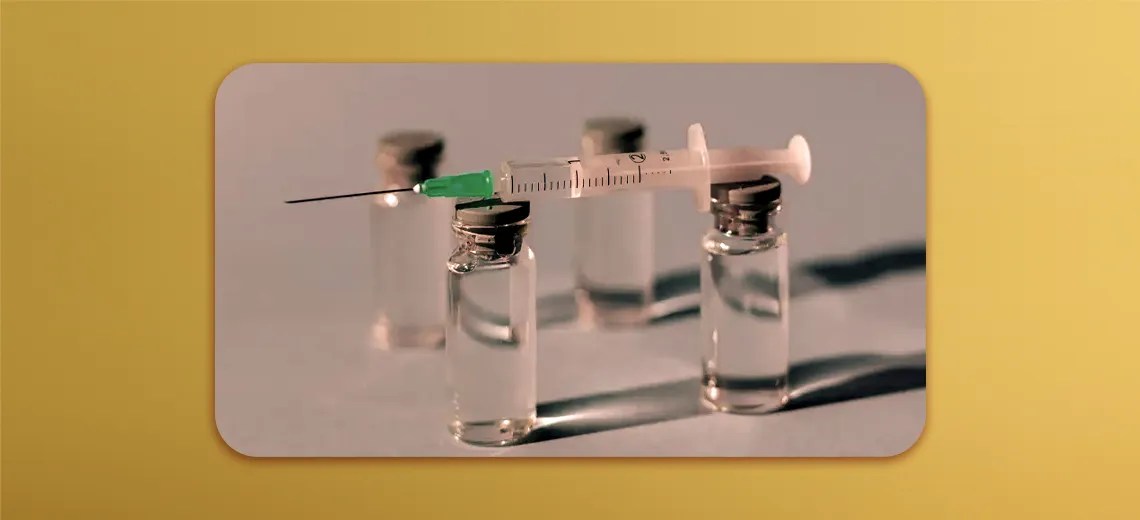
BPC-157 is injected, either into subcutaneous fat on the belly or directly into the targeted area, like an injured knee or shoulder. BPC-157 can also be taken orally to heal the gut. Meanwhile, new formats are coming to market, including skin patches and nasal sprays.
Where do users get BPC-157?
While technically not approved by the FDA for human use, consumers can purchase BPC-157 through a labeling loophole, called the “research peptide loophole,” on e-commerce sites or through compounding pharmacies that make rarer drugs with raw ingredients. Some longevity doctors also sell BPC-157 to patients, but there is no universal way in which they procure it.
What is a “research peptide”?
BPC-157 is considered a “research peptide,” or “research chemical,” which means it’s not actually legal to sell BPC-157 for human use in the U.S. or Canada, so it’s sold through a gray market labeling loophole. Since BPC-157 is not approved by the FDA, distributors sell it as a chemical meant for in-lab research, or animal experimentation in a scientific setting, by researchers. By labeling it as a “research peptide,” sellers believe they can limit or fully circumvent liability for human use. This prevents any universal or required safety standards.
Why has BPC-157 become so popular?
“Outside of GLP-1 peptides, BPC-157 is the most popular peptide in the world,” said Jay Campbell, a leading voice in the U.S. peptide community, author of five longevity-focused books and co-founder of BioLongevity Labs, an e-commerce seller of peptides and bioregulators. Campbell estimates that between hundreds of thousands and millions of people are using BPC-157 today.
He told Glossy that a mix of cultural shifts led to this growth, including its popularity among athletes (despite being banned in Olympic competition), an avalanche of positive reviews from famous individuals and everyday people on social media, and a decline in trust in the medical community that began during the Covid-19 pandemic. It also aligns with the MAHA movement, which promotes provocative wellness practices like stem cells and raw milk, and the rise of biohacking by tech industry leaders who’d like to live forever.
Meanwhile, consumers are becoming more aware and comfortable with the term “peptides,” thanks to an influx of peptide skin care, like copper peptides, and oral offerings, like collagen peptide protein powder or gummies.
On Google, searches for BPC-157 began to appear in the Trends tool around 2016, but it wasn’t until late 2023 that the search term started to show growth. Between 2023 and 2026, BPC-157 began to show hockey-stick growth. On Google’s scale from 1 to 100, BPC-157 ranked an 8 in January 2023 and a 100, which denotes its peak popularity, in April of this year.
Then there is the amplification of the trend by the media. It may seem that nearly every publication has chronicled the rise of BPC-157 in its peptide trend coverage. In just the past month, stories have been published by PBS, Axios, AARP, Men’s Health, The Hill, The New Yorker, MSN, NPR, The Washington Post, Los Angeles Times and Reuters, among others.
Is BPC-157 safe and effective?
This one depends on who you ask. While Reddit, TikTok and X users have raved about their results, medical providers are more skeptical due to a lack of safety data and a lack of oversight into its murky supply chain. For example, in February, “Futurism” published a story about consumers buying BPC-157 on Temu for just $12 per vial.
According to Dr. Nayan Patel, PharmD, longtime peptide expert, professor at USC’s School of Pharmacy and founder of Auro Wellness, a line of topical peptides sold DTC and through doctor offices, no good safety data exists.
“If there’s no safety data that’s been published, and they have not been evaluated by the FDA, then I don’t care if it’s efficacious; it needs to be safe first,” Dr. Patel told Glossy. He told Glossy that the FDA recently told him that no safety data has been submitted for BPC-157, which is the first step toward approval. Dr. Patel estimates that hundreds of thousands of people are using BPC-157 bought on the gray market today.
“It is kind of a buyer-beware market,” said Campbell. “In the research chemical market, there are a lot of grifters … who are not spending money on the things they should be doing when they manufacture.”
According to the NIH, BPC-157 “demonstrates therapeutic potential across a broad range of musculoskeletal injuries through its angiogenic, anti-inflammatory, cytoprotective and tissue-regenerative properties … However, despite this promise, and growing interest in athletic and online communities, human data is exceedingly sparse.”
As of August 2025, only three pilot studies had been conducted on the human use of BPC-157. “No adverse effects were reported, but rigorous, large-scale trials are lacking,” according to NIH.
So far, the largest risk understood by doctors is linked to BPC-157’s angiogenesis and cancer risk. That’s because angiogenesis is known to grow tumors, so if a user has an existing tumor or is at risk for cancer, BPC-157 can cause negative health outcomes, according to Dr. Huberman.
“There’s no good data and no information, and there’s also no reputable source [to buy them],” Dr. Nancy Samolitis, MD, founder of Facile skin care and board-certified dermatologist practicing in Los Angeles, told Glossy. “[So many people are] scared of vaccines and pharmaceuticals, but then we’re like, ‘Oh, I want this peptide,’ even though it says ‘Not for human use’ on the bottle.”
Are there new business opportunities for BPC-157?
As referenced above, health czar RFK, Jr., is working to deregulate a small list of peptides to grow their availability, including BPC-157. In late July of this year, RFK, Jr.’s team will meet with the FDA’s Pharmacy Compounding Advisory Committee to review his request.
“My assumption is that, within the next 12-18 months, we will get something from [big] pharma and the FDA stating that a select amount [of peptides] will most likely be deemed Class 1 [from their current Class 2], which will mean that they’re legal to compound [in the U.S. again],” Campbell told Glossy. “And then you’ll have a flood of people … in a mad dash into peptides to sell them.”