




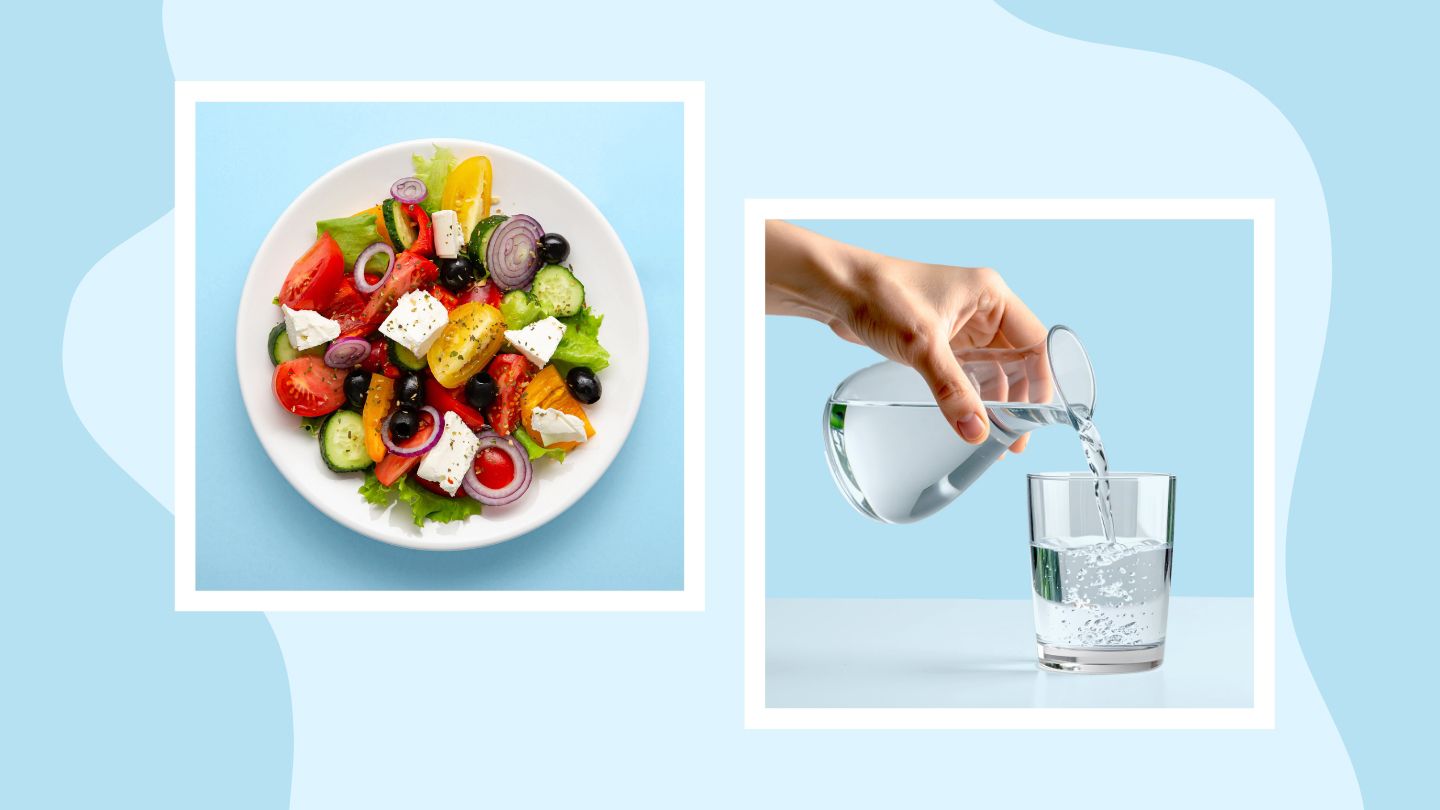
You should try to stay below the recommended limit of 2,300 milligrams (mg) of sodium per day, but don’t aim for a super low sodium diet unless you’ve been instructed to do so by your care team.
“Too much sodium can increase blood pressure and fluid retention, potentially worsening shortness of breath or heart strain,” says Behram Mody, MD, the director of the hypertrophic cardiomyopathy program at UCI Health in Orange, California. But “too little sodium, especially combined with dehydration, can reduce blood volume and worsen outflow obstruction, leading to dizziness or fainting.”
One of the best ways to keep your salt intake in check: Limit the amount of processed and packaged food you eat. Processed meats and cheeses, boxed noodle or rice dishes, canned soups, frozen dinners, and extra condiments or sauces are some of the most common offenders, Barney says.