



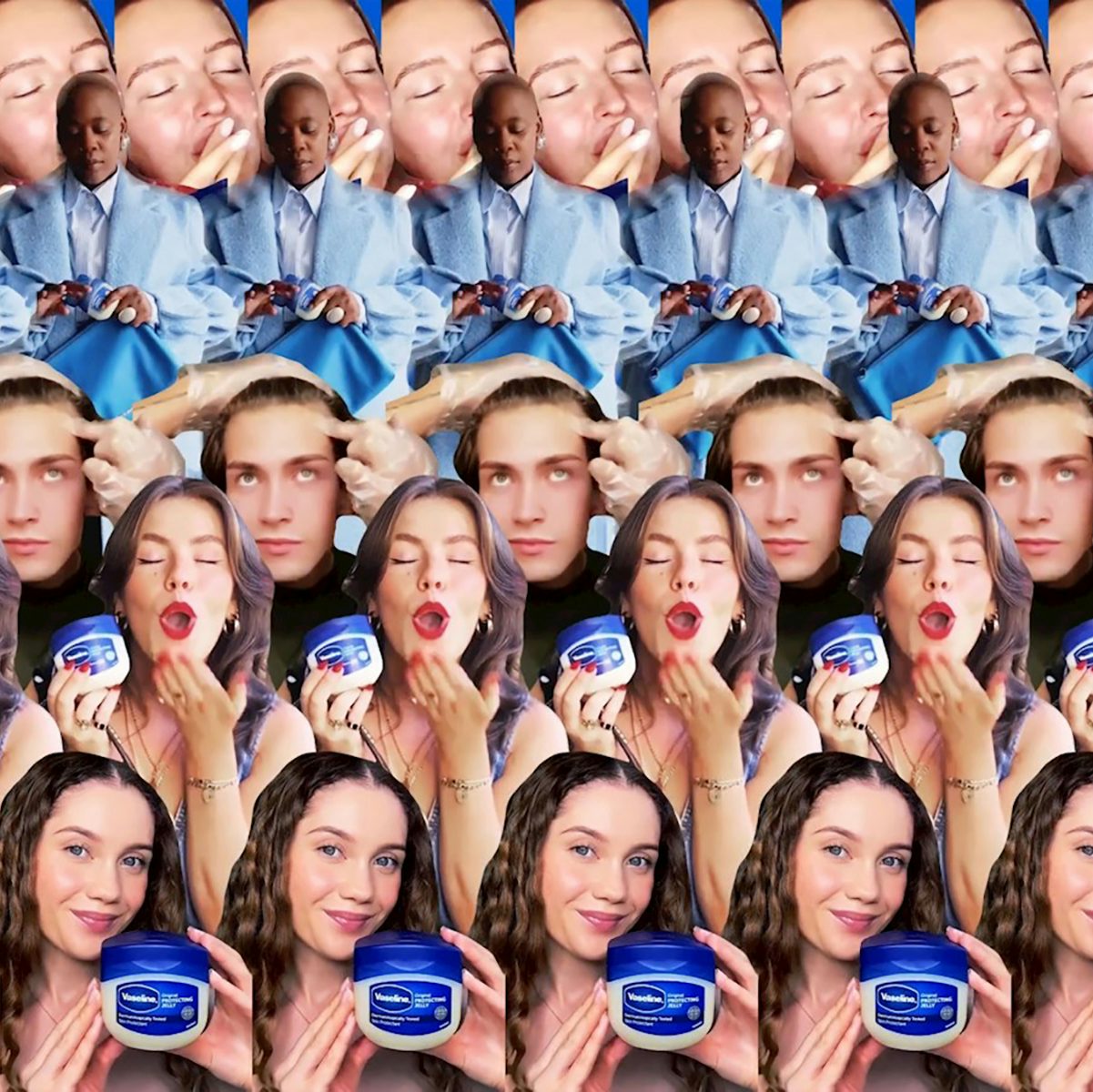
Beauty advertising has long traded on aspiration. For decades, the formula was relatively fixed with polished imagery, flawless skin, celebrity endorsements and carefully controlled brand narratives. But the industry has shifted and increasingly, consumers are less interested in perfection than proof. They want to know whether a product works, who genuinely uses it, and whether the people talking about it can actually be trusted.
That shift has forced beauty brands to rethink not just what they say, but how they say it. “Proof shows up largely as believability,” says Marina Mansour, president of beauty, wellness and luxury at influencer marketing agency Kyra. “And I think that is woven together via a couple of things. First and foremost it’s trust. And that’s powered by an element of consistency as well.”
Kyra’s recently launched State of Beauty 2026: Beauty After Virality report, informed by over 500 Gen Z consumers, suggests that beauty has entered a new “proof era”, where efficacy, utility and believability matter more than spectacle alone. But this is not simply a rejection of aesthetics. Rather, aspiration has been redefined through visibility, routine and results. The brands winning attention are those that understand how audiences now consume beauty content – as a source of information, validation and advice.
Sign in