



“The dead fly I keep on the windowsill,” I said.
He then suggested maybe it had fallen off when he tidied up the previous day. He didn’t notice a dead fly in the process. And if he did see it, he wouldn’t have known to save it, he said as kindly as a person could, seeing as he hadn’t been aware of its existence. Let alone importance. He offered to help me look for it. Again, like this was a normal thing.
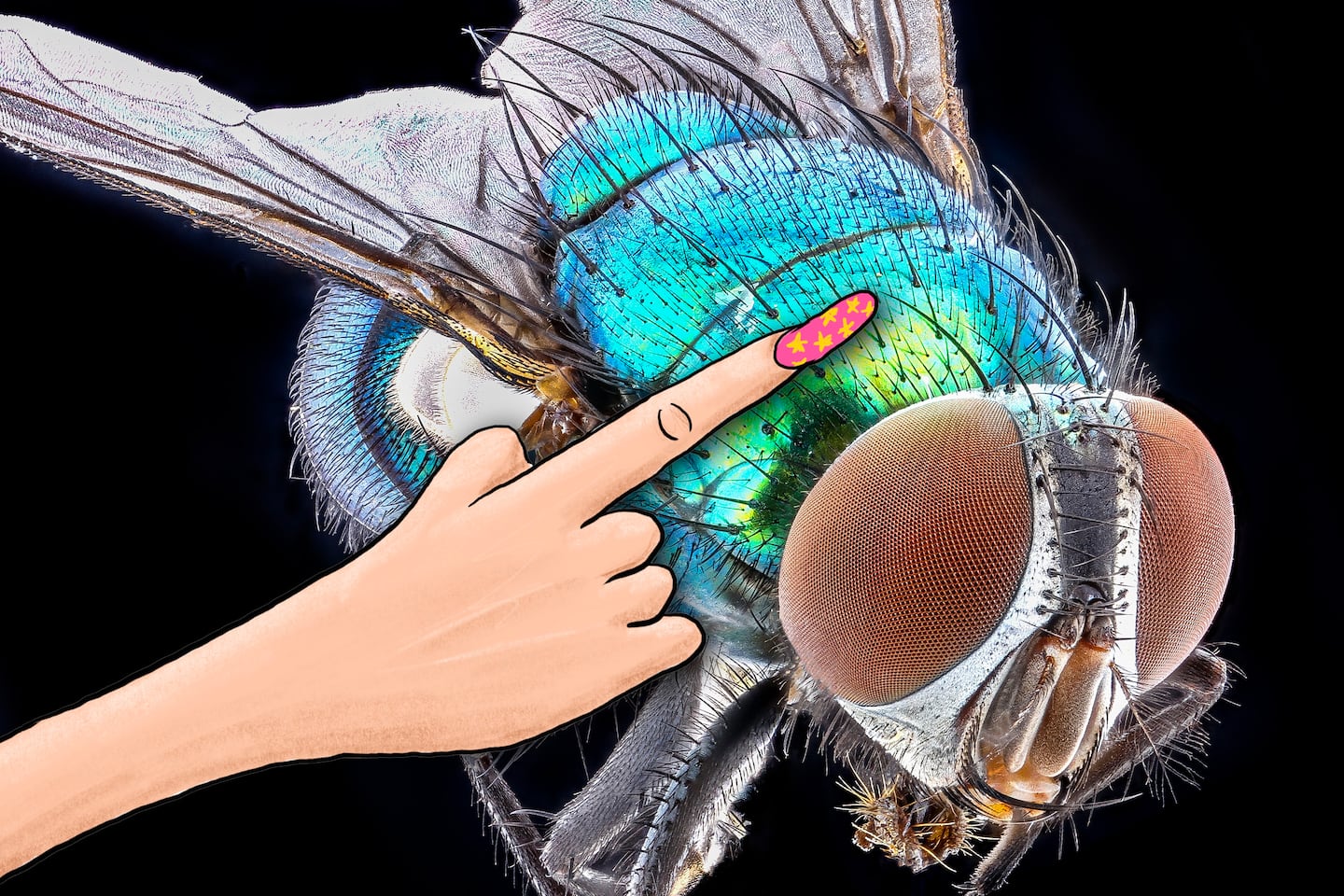
It was already dead when I found it nearly two years ago, legs folded upward on the bathroom counter, classic dead bug posture. It was regular housefly size, maybe slightly smaller, but when I picked it up to throw it away, I gasped; its entire body displayed the most beautiful array of blues I have ever seen. Azure to cyan, a hint of emerald green, aggressively iridescent. I think about colors for a living, and I had never seen such perfection. No mineral, no treasure, no museum jewels could approach how gorgeous this fly was. I put it carefully on the tongue of a ceramic creature one of our children made in middle school. And there it lived on the windowsill. Nearly every morning I looked at the fly, swam in those colors, took a deep breath, and felt good.
Get The Gavel
A weekly SCOTUS explainer newsletter by columnist Kimberly Atkins Stohr.
I have been in chronic, sometimes debilitating pain off and on for years. The pain is a constant companion, poking and clawing and gnawing. It is a serpent with moods and seasons, it shifts and hunts and screams in fury. A steroid shot puts it to sleep for a bit, but I can feel its anger even then. It comes with whispers about aging, about life as an inevitably narrowing tunnel where pain defines the edges. It is voracious. It has chewed me into a hard sharp stick.
And that fly, that dried-up hollow carcass of a literal rotten flesh-eating, disease-encrusted nuisance with actual maggots as offspring, that fly was my respite. It was soul-cleansingly beautiful. When I looked at that fly, the pain felt further away, or at least the world felt bigger than the pain. All the beauty and glory of the natural world was in that dead fly.
Louise Erdrich wrote in “The Painted Drum,” “And when it happens that you are broken, or betrayed, or left, or hurt, or death brushes too near, let yourself sit by an apple tree and listen to the apples falling all around you in heaps, wasting their sweetness. Tell yourself that you tasted as many as you could.”
That fly was my apple tree, its blues the apples.
We located the missing fly where it had fallen on the floor in the dusty gap between the sink cabinet and the wall. It had broken into several pieces: wings, abdomen, thorax, head. Which isn’t terribly surprising; you’d expect a two-year-old fly body to be fragile. The abdomen was salvageable and carefully placed back on the ceramic creature’s tongue.
I’m pretty sure it’s a bottle fly. Common, though I hadn’t seen one before. Considered a pest. Attracted to dead things. Maybe in life it was a hopeful vulture, circling me unnoticed for days while I grunted and lumped my way around and complained, before it realized I am very much alive and it just gave up, starved, and died.
That’s right: I am very much alive. The doctors have said the pain is not a sign that I’m causing injury to myself. It is a ghost, but I am not. My fly abdomen and I may get through this together yet.
Heather Hopp-Bruce is director of visual strategy for Globe Opinion. Follow her on Substack at heatherhoppbruce.substack.com or email heather.hopp-bruce@globe.com.globe.com.