


Maintaining strength and mobility as you age is key to reducing fall risk and staying independent, and while sarcopenia – age-related muscle loss – can begin as young as 30, with the right training, much of that is reversible. And typically, it’s never too late. One study found that a twice-weekly exercise programme combining muscle power training, balance work and gait retraining (modifying walking or running patterns) significantly improved muscle mass, strength and power in frail adults in their 90s – and participants also had fewer falls during the study period.
So, if you want to get ahead before you hit your 90s, what specific muscles should you be training? Orthopaedic surgeons Dr Paul Zalzal and Dr Brad Weening have the answers, which they explain in their recent YouTube video.
1. Glutes
‘Number one is the single biggest muscle in the body – the gluteus maximus,’ says Dr Weening. ‘There’s good evidence to show that as your glutes get weaker as you get older, you have slower gait, increased fall risk and loss of independence,’ he adds, which is why strengthening them is crucial.
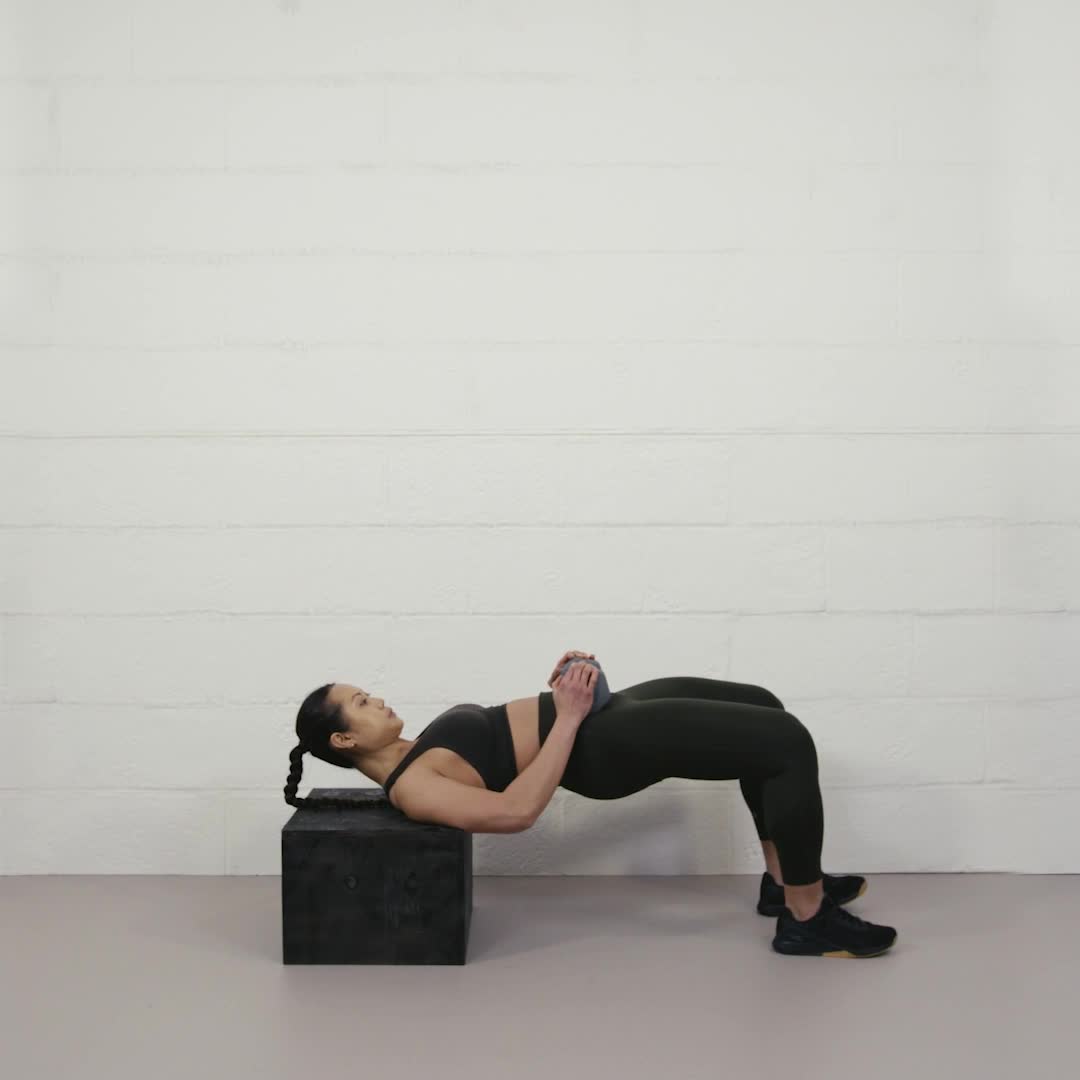
One of the best exercises for this, the surgeons agree, is a glute bridge, where, ‘lying on the ground, [you] arch your back and thrust your pelvis up into the air before lowering down again’, says Dr Zalzal.
Dr Weening adds that the hip thrust is also effective if it’s a movement that feels comfortable for you. ‘Your back is supported by a bench, and you put a barbell, dumbbell or plate on your pelvis before arching your back, following the same principle [as the glute bridge].’
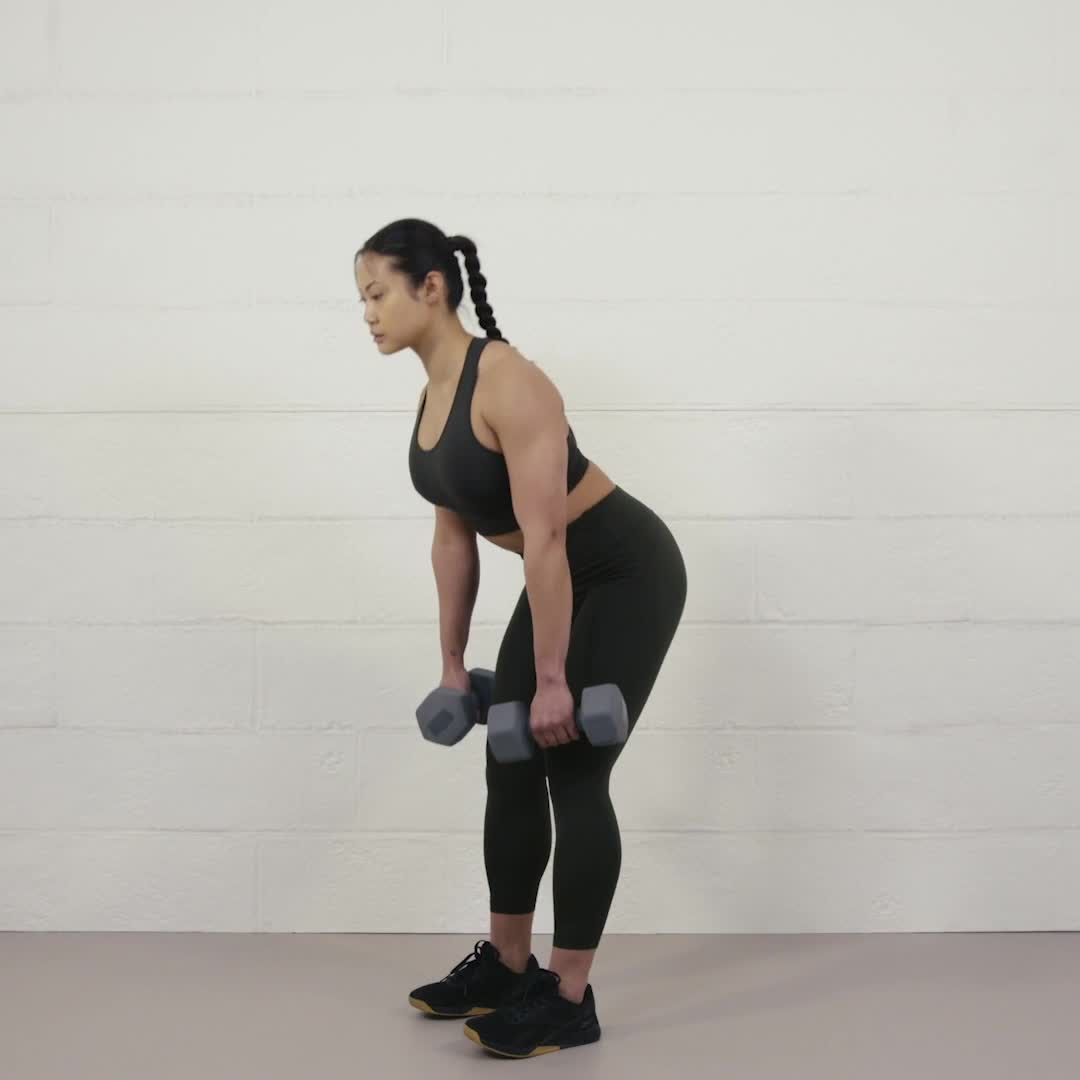
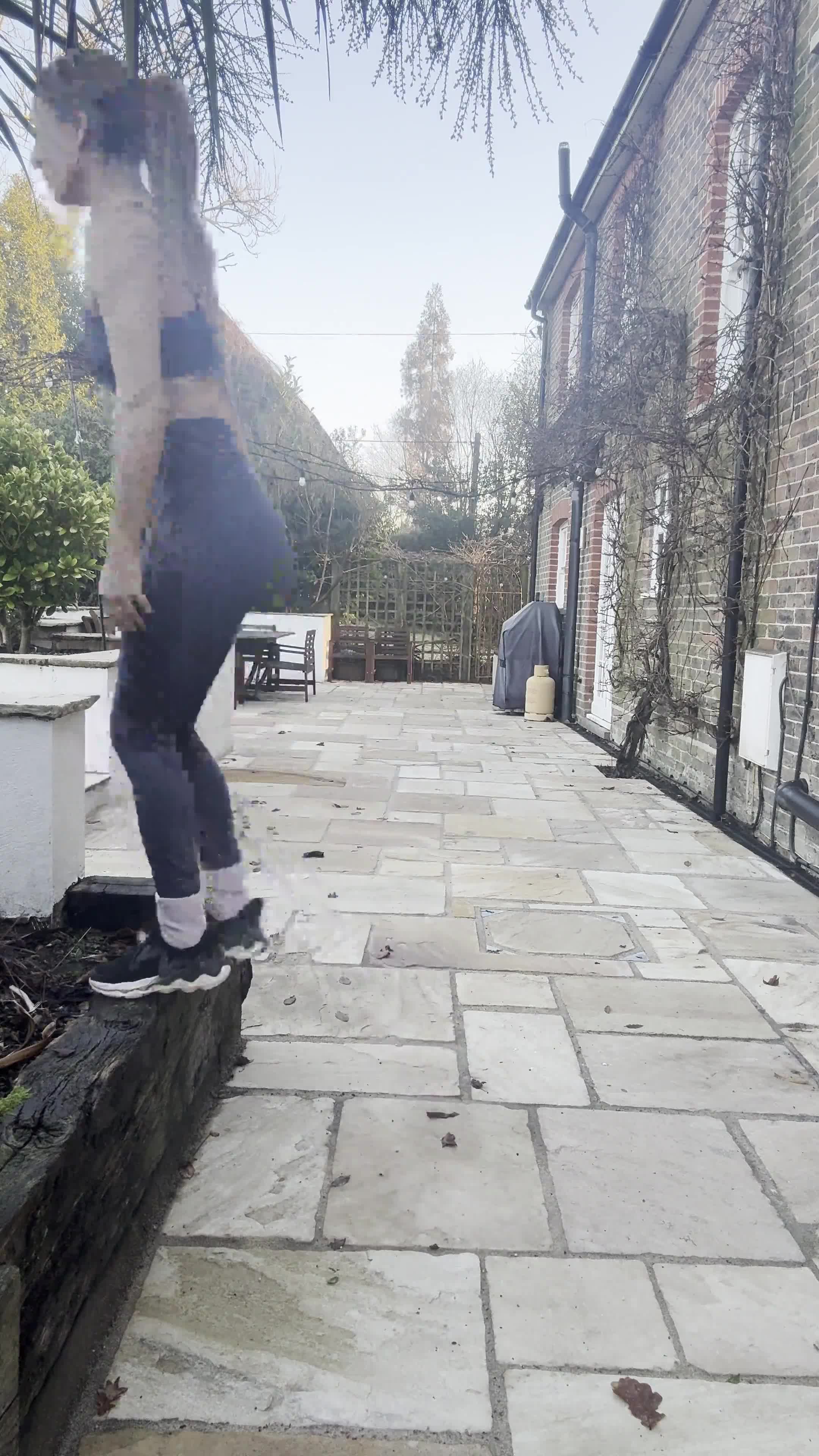
Other good options, they add, include Romanian deadlifts and simple step-ups.
Glute bridge 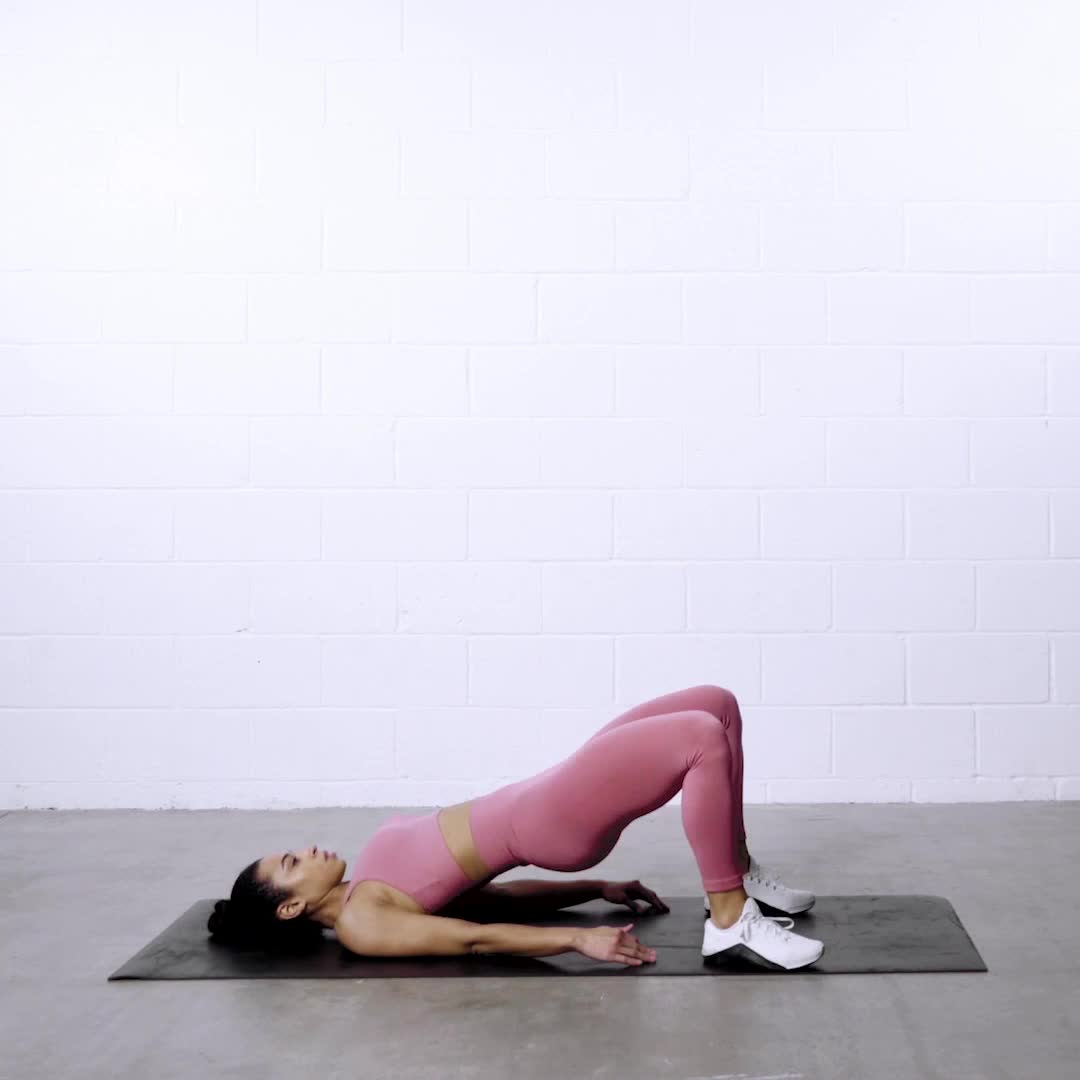 Hip thrust
 Romanian deadlift
 Step-up
 2. Quadriceps
Second on the list? Your quads (front thighs). ‘These are your stability muscles when you’re walking,’ says Dr Zalzal. ‘They stop you from falling and help you walk and get up from a chair.’
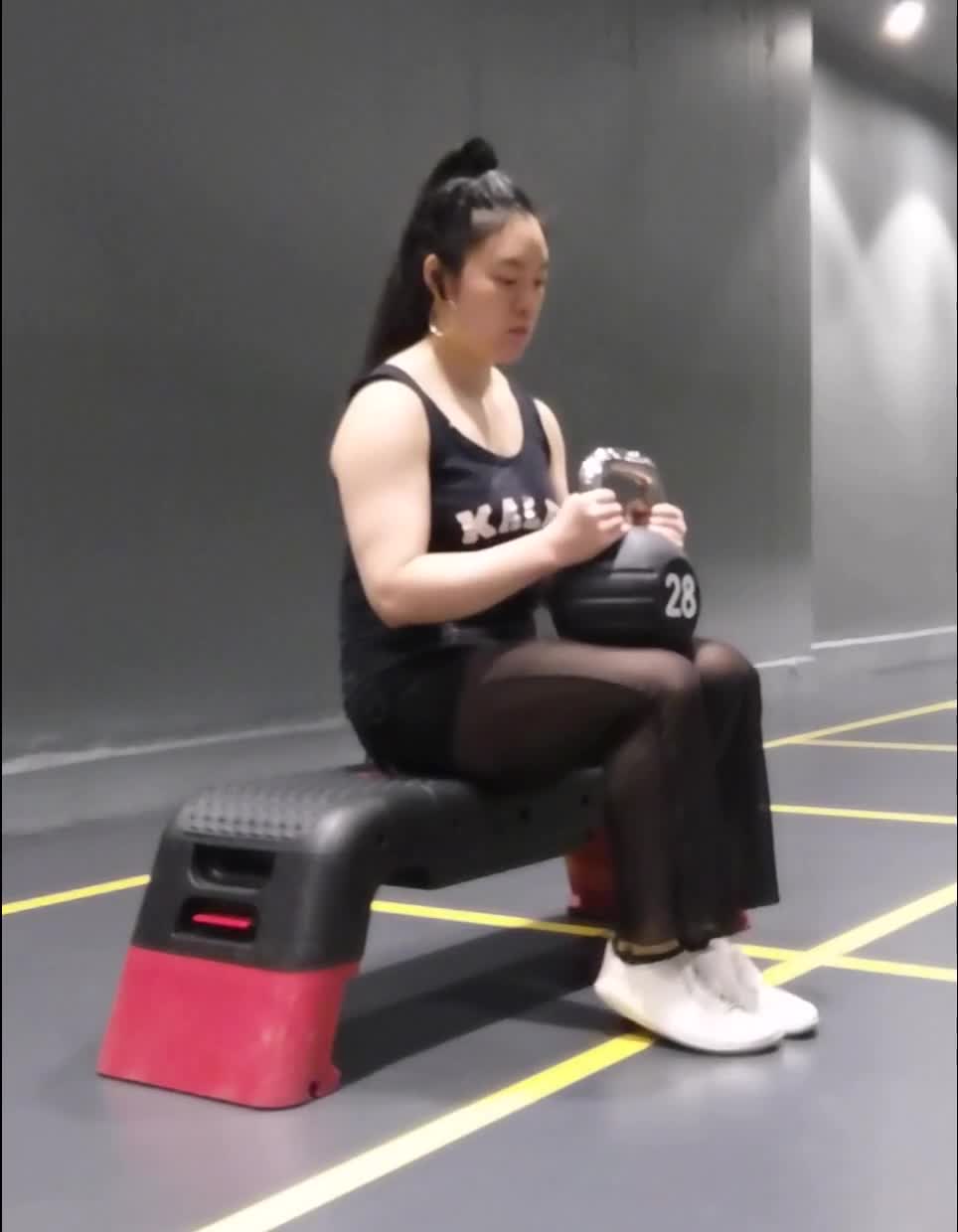
That’s why, he highlights, the simple sit-to-stand exercise – a key longevity test – is a really effective way to build quad strength. As are, adds Dr Weening, squats – including chair, bodyweight, weighted, and regular and Bulgarian split squats.
Sit-to-stand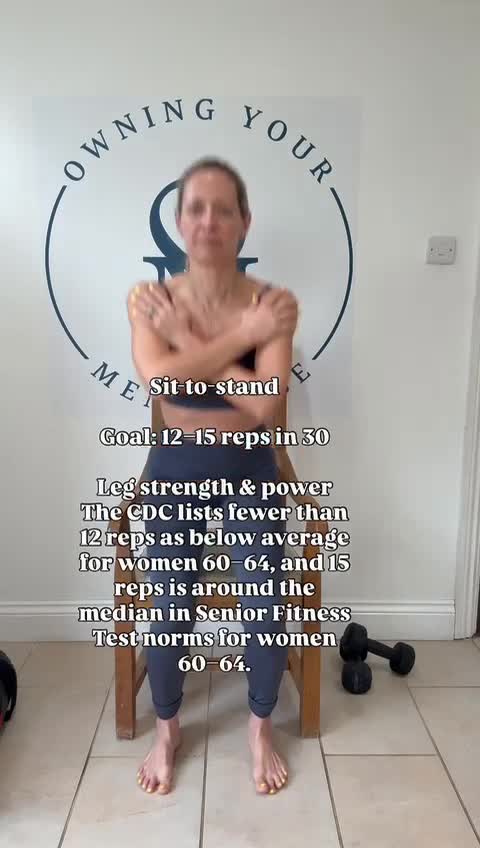 Squat
Squat 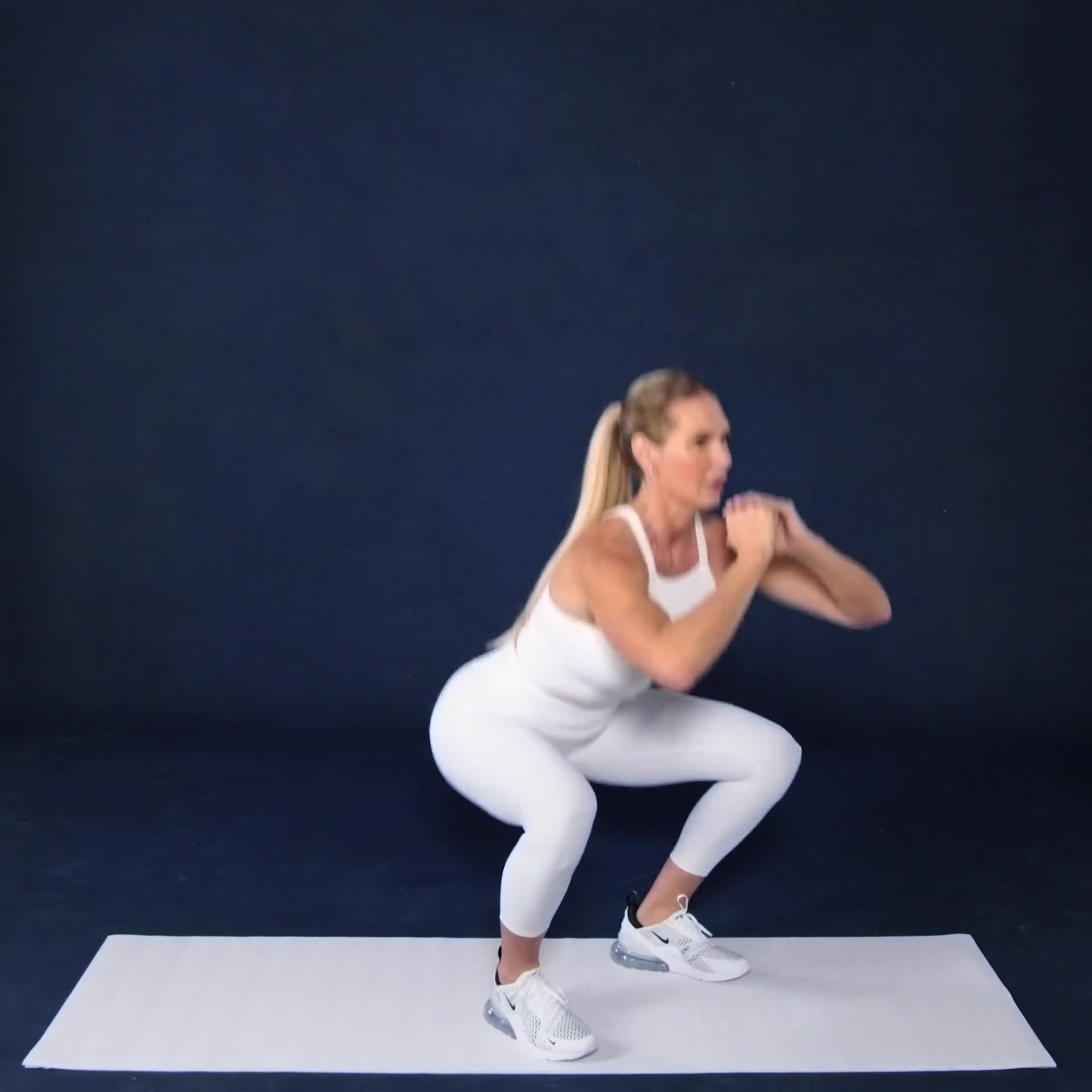 3. Calves
Your calf muscles – which include the gastrocnemius (used more for power) and soleus (used more for endurance) – ‘are responsible for pushing off [when walking and running]’, says Dr Weening, who adds that ‘your ability to walk quickly can predict your frailty and fall risk, as well as your mortality’.
The easiest way to engage your calf muscles, advises Dr Zalzal, is with calf raises, which involve simply ‘standing, going up on your toes and coming down again’. You can progress the movement by going hands free and also by doing single-leg calf raises, which double up as good balance training. To target your soleus more, Dr Weening recommends weighted, seated calf raises.
Calf raise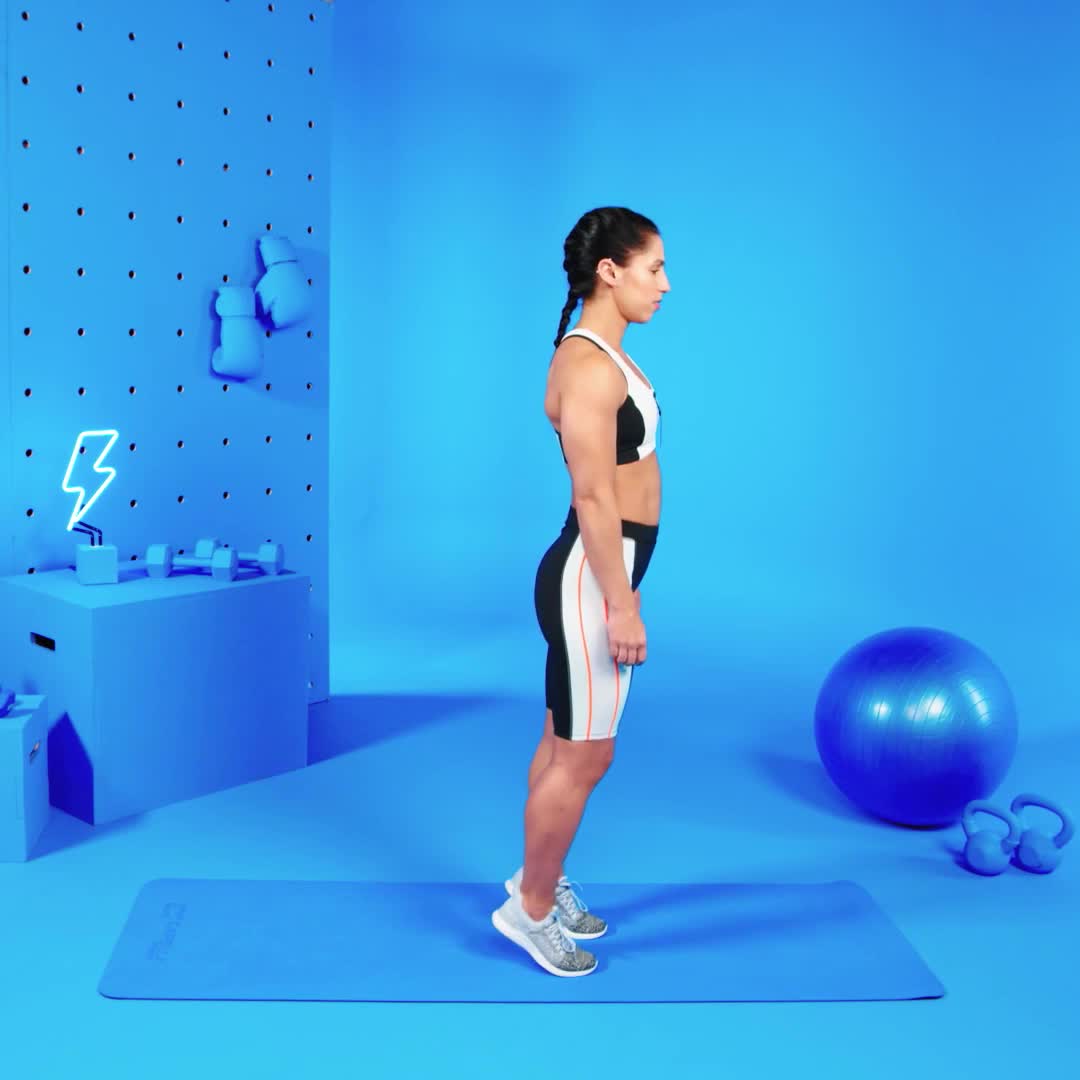 Seated calf raise
 4. Back extensor muscles
These are the posture muscles along your spine that help you extend your back. ‘If you’ve seen some elderly people walking, they have what we call kyphosis, where they’re hunched over,’ says Dr Zalzal. But to avoid trip hazards, you need to be able to hold yourself up straight, he adds, which is where your back extensor muscles come in.
These include your erector spinae (main posture muscles) and multifidus (deep spine stabiliser), and the best exercise to start with, says Dr Weening, is typically the deadlift, where ‘you’re hinging at the hips with your knees bent and then straightening up’.
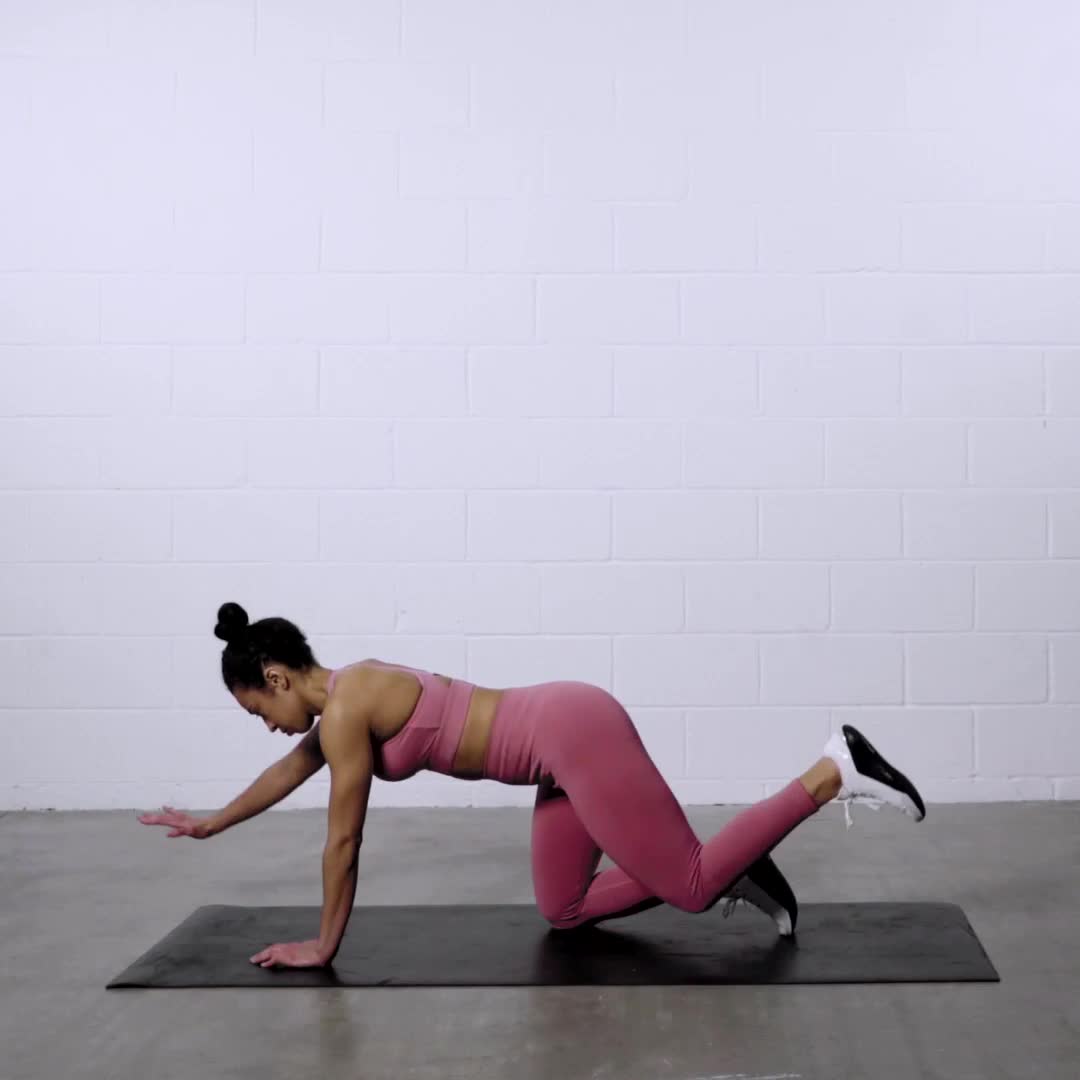
A great no-equipment option, adds Dr Zalzal, is the bird dog, which involves being on all fours and lifting your opposite arm and leg, holding the position for as long as possible.
Deadlift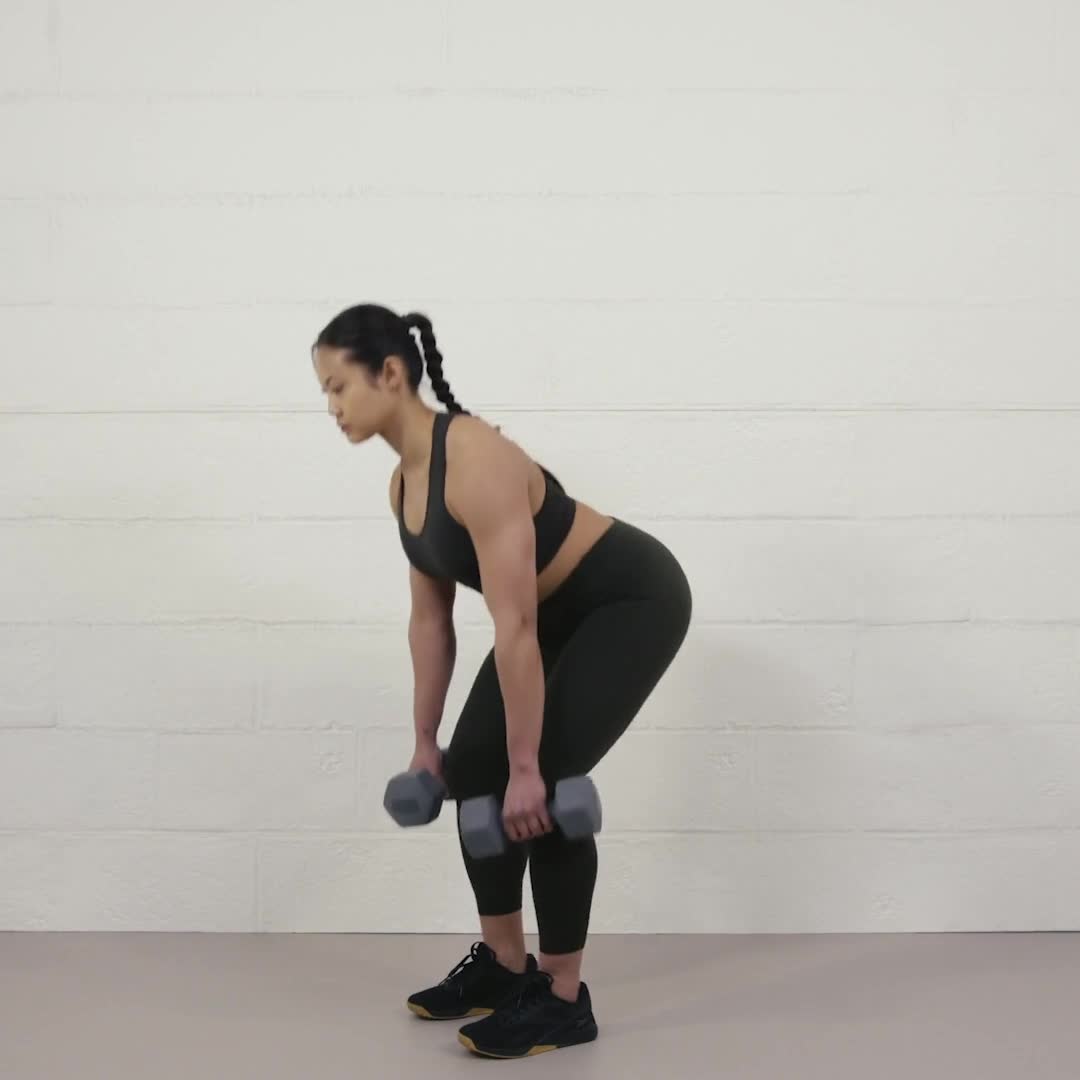 Bird dog
 5. Core
‘We’re not talking about your core as in your six-pack – not your rectus abdominis, but rather the deep core muscles – your transverse abdominals and obliques,’ says Dr Weening. ‘The core is important because it keeps you balanced in all of the things you do – getting out of a chair, walking, twisting, picking something up off the floor,’ adds Dr Zalzal.
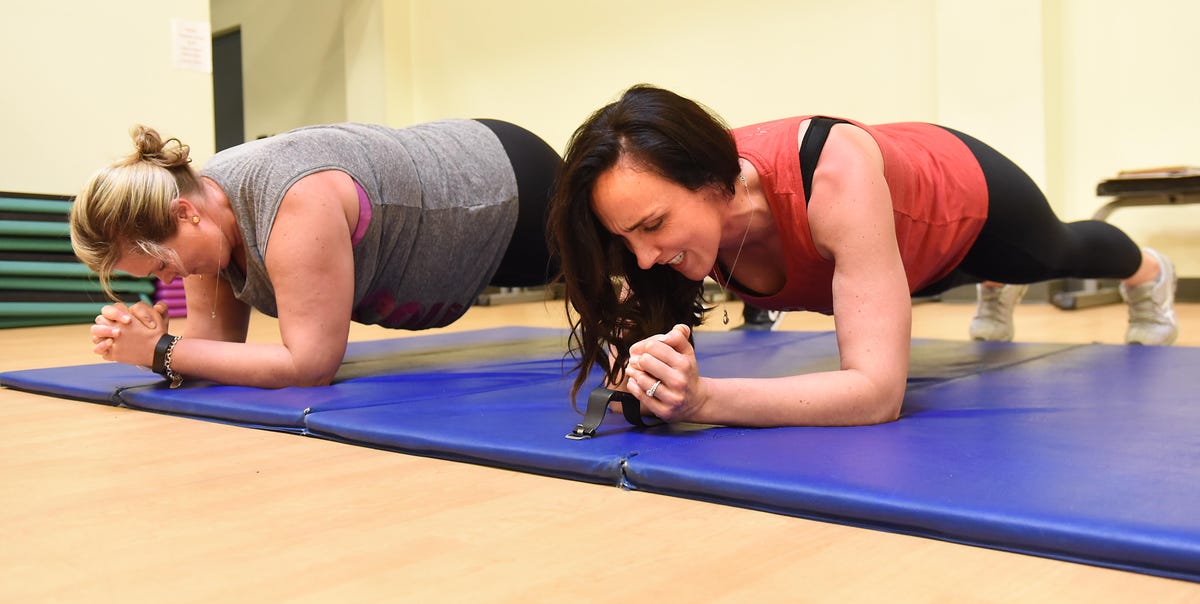
The best core exercise you can do at home? The humble plank. ‘Your body should be straight and you don’t want your bum hanging too low or high,’ flags Dr Weening. Each day, aim to increase the intensity by holding it a little longer – and if you get sore wrists, try going down onto your elbows.
The Pallof press – an anti-rotational exercise that involves slowly extending your arms while resisting the pull of a resistance band tied to the side – is another good option, says Dr Weening, as well as the farmer’s carry, which helps stabilise your core while also benefitting grip and shoulder strength.
Plank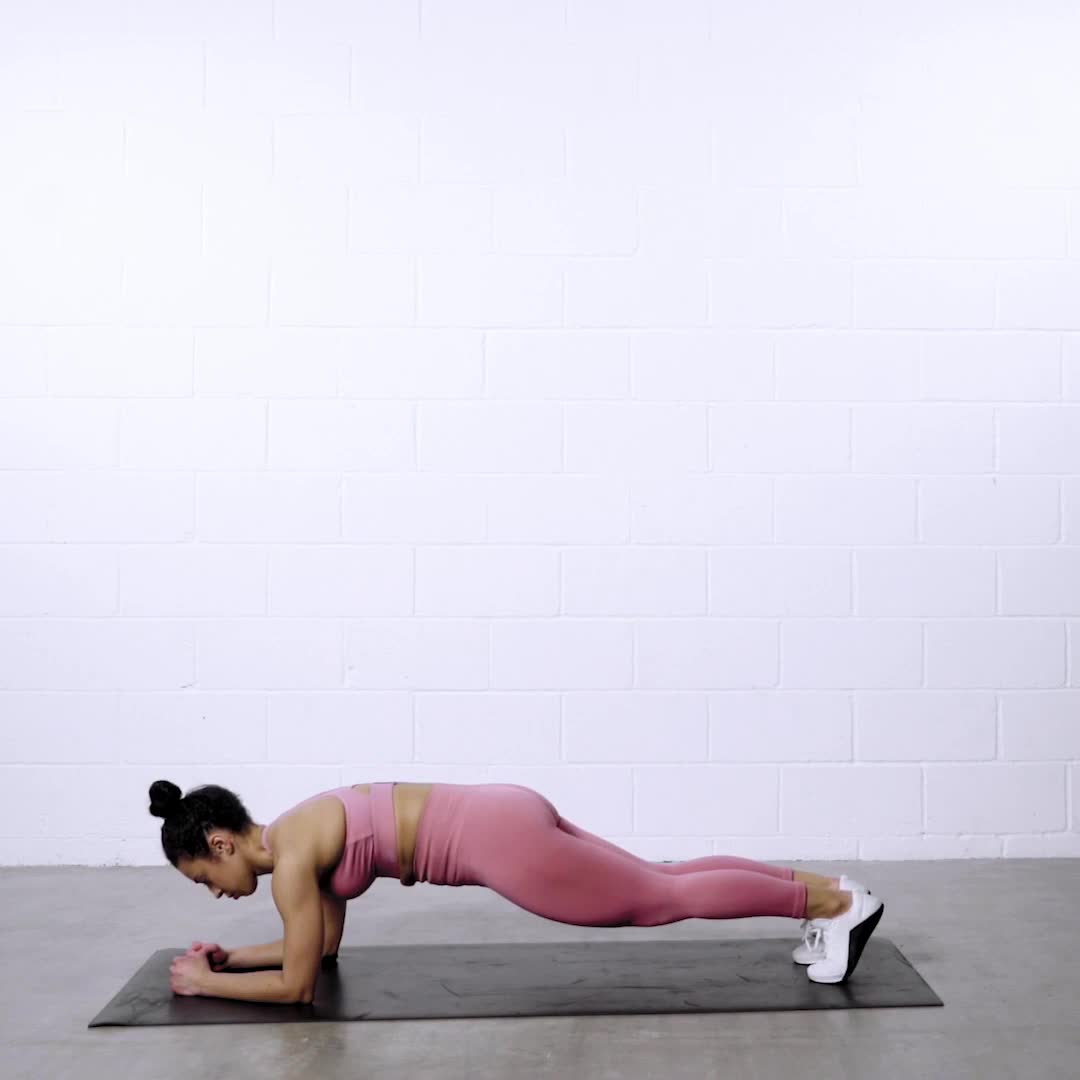 Pallof press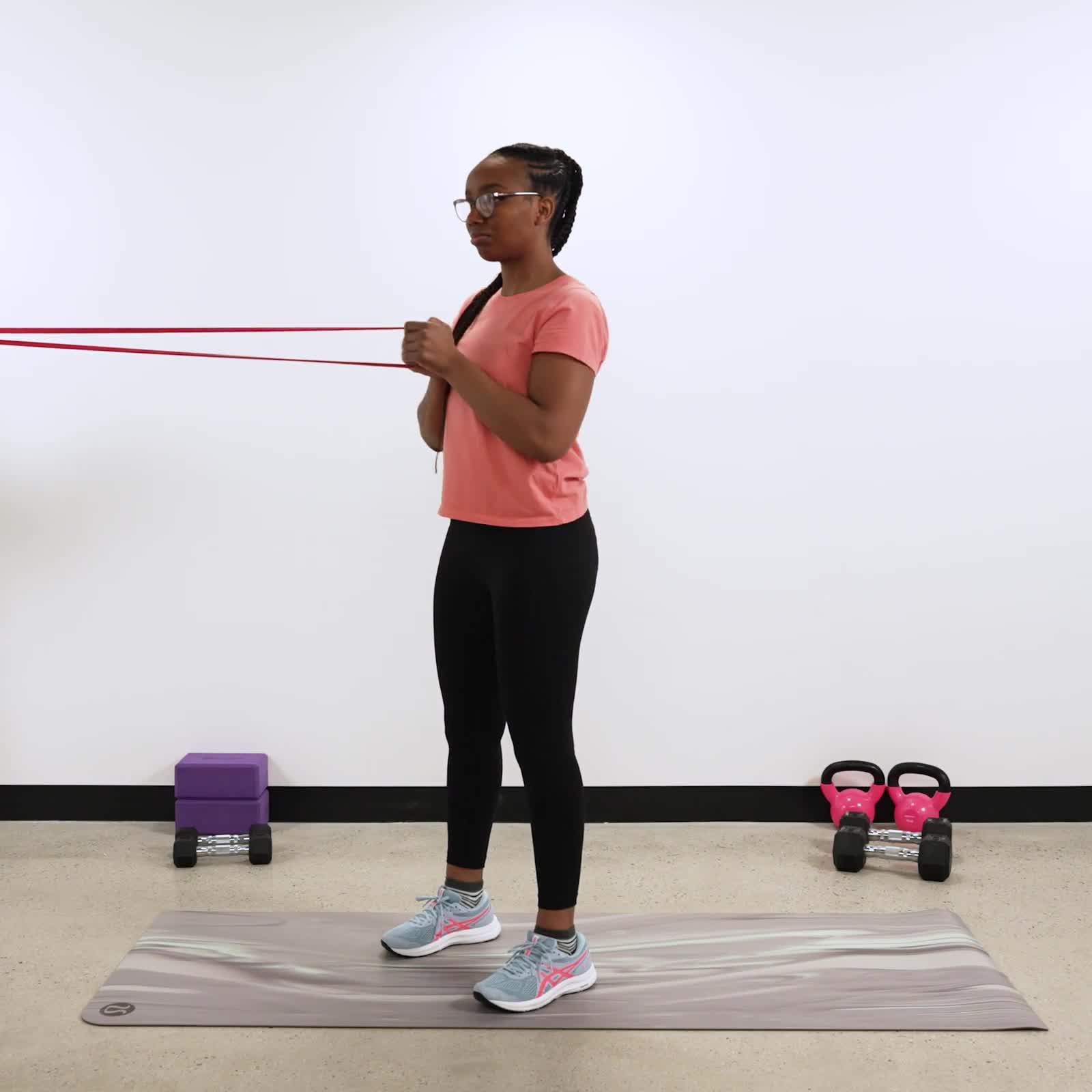
Having a strong core is about far more than sporting a six-pack. Build functional mid-section strength – while also improving your power, posture, coordination and balance – with WH COLLECTIVE coach Izy George’s 4-week core challenge. Download the Women’s Health UK app to access the full training plan today.
 Related Stories
Hannah Bradfield is a Senior Health and Fitness Writer for Women’s Health UK. An NCTJ-accredited journalist, Hannah graduated from Loughborough University with a BA in English and Sport Science and an MA in Media and Cultural Analysis. She has been covering sports, health and fitness for the last five years and has created content for outlets including BBC Sport, BBC Sounds, Runner’s World and Stylist. She especially enjoys interviewing those working within the community to improve access to sport, exercise and wellness. Hannah is a 2024 John Schofield Trust Fellow and was also named a 2022 Rising Star in Journalism by The Printing Charity. A keen runner, Hannah was firmly a sprinter growing up (also dabbling in long jump) but has since transitioned to longer-distance running. While 10K is her favoured race distance, she loves running or volunteering at parkrun every Saturday, followed, of course, by pastries. She’s always looking for fun new runs and races to do and brunch spots to try.