




Every spring, without fail, we always think we’ll have more time (not to mention motivation) to work out, once the days are longer and brighter. But guess what? Here we are, almost halfway through May, and we’re still time-poor. So, rather than waiting for the hours in the day to magically stretch, we’re all about those quick, simple habits that we can realistically fit around our everyday commitments.
We’re talking (literally) a few minutes each day, dedicated to certain key wellness habits, that over time, really add up. And, you probably won’t be surprised to learn that these are often the classics; while wellbeing trends come and go, there really is no substitute for good old sleep, nutrition, movement and rest.
Our favourite habit? The five-minute workout. Now, you’d be forgiven for thinking that five minutes isn’t enough to make any kind of gain, fitness wise, but hear us out: sometimes, less really is more. Recently, there’s been a plethora of research into these so-called exercise ‘snacks’, and the findings are clear: five minutes can be magic.
You may like
Take this study, for example. Published in the European Journal of Applied Physiology, it shows that a five-minute daily exercise routine can significantly improve both physical fitness and mental health, while further studies (such as this one, published in The Lancet) reveal that just five extra minutes of exercise each day reduces our risk of premature death by 10%.
And one workout that is always worthwhile, no matter how limited you are on time, is a solid core session. There are a myriad of ways – and reasons to – train your midsection (more on this, below) but it turns out that there’s one move we shouldn’t overlook – and it might surprise you. Trust us when we say you’ll be feeling the burn way before your timer goes off.
Keep scrolling to find out what top coaches believe is the GOAT core move, but while you’re here, take a look at our wealth of core-related content: all the benefits of a strong core, the best lower ab exercises, the best deep core exercises – plus, find out how one Health Writer got on when she tried dead bugs every day, here.
Want a stronger core but don’t have hours to workout? Try this one PT-approved functional core move for all over ab gains What are functional core moves?
You might think you know everything there is to know about a core workout, but there’s a subtle difference between tacking a few crunches onto your HIIT workout and truly training a functional core, as senior personal trainer at Ultimate Performance, Reid Stafford, explains.
“Many people confuse ‘abs’ workouts with ‘core’ workouts, and while there is some crossover, it’s important to differentiate between strengthening your core and simply training to target your abdominal muscles only,” he tells MC UK. “Your abdominal muscles are, in effect, a subset of your core. Your core encompasses not just your abdominal muscles, but also the muscles in your spine. Together, these muscles work together during compound exercises and daily life to keep your spine rigid and your body stable.”
So, a core move is any exercise that works to strengthen and stabilise any and all the muscles of the core, from the pelvic floor to back, and more, rather than aiming to target the abdominals in isolation.
“Core moves, then, are exercises that train the muscles responsible for stabilising and moving the trunk of the body,” continues Stafford. “While the abdominals are often the focal point, the core is a broader system made up of the rectus abdominis, obliques, transverse abdominis, and spinal musculature, including the erector spinae.”
What to read next
As for the ‘functional’ part, this simply means that you’re training your core to move in the ways that it would in your day-to-day life: think twisting, reaching, standing, sitting – you name it.
What are the benefits of functional core moves?
While functional core moves might not sound like the most exciting training, it might just be the most important session you do – and they only take five minutes.
1. It makes everyday life feel easier
We can’t promise that a 5-minute core move will sort out your never ending to-do list (sorry!) but it will make your everyday movements feel easier: the definition of functional strength.
“Developing a strong core is vital for several reasons,” notes Stafford. “Whether we are running, lifting, or simply walking, the ability to stabilise the trunk allows the limbs to move more effectively. This translates to improved performance and reduced energy expenditure, as well as better, more fluid overall movement.”
Since the core protects and stabilises the spine, it follows that keeping these muscles strong and mobile will benefit our posture.
“A strong core supports proper posture by maintaining the natural curvature of the spine, thereby alleviating strain on other muscles and joints,” agrees Stafford.
“If your core is weak or poorly coordinated, you’re more likely to lose balance, move inefficiently, or struggle with tasks that require stability and force transfer,” explains personal trainer Monty Simmons. “A good core can improve posture, balance, coordination, and body awareness. It helps with everyday tasks like carrying shopping, running, lifting, shifting your weight from side to side, and staying stable on one leg.”
And being able to stand on one leg isn’t reserved for the gymnasts among us: studies show that the ability to balance is strongly associated with improved longevity, too.
4. It reduces the risk of injury
Think about it: a more stable centre of gravity means you’re less likely to overbalance, tumble, trip or fall – or, if you do, you’re better equipped to stop yourself really wiping out, no matter how clumsy you are (guilty).
“A stronger core can improve balance and stability, support better posture, make movement more efficient, and help create a more resilient base for the spine,” notes personal trainer Kate Rowe-Ham. “It may also help reduce the risk of falls and lower-back strain, which is why good core training is so important for long-term function, not just fitness.”
5. It improves athletic performance
Keen to improve your running/team sports/gym performance? Building a stronger core may not turn you into an Olympic athlete overnight, but it’s a great place to start.
“In the gym or sport, a stronger core helps you transfer force more efficiently and stay more stable under heavy loads,” advises Simmons. “It can also help you learn movements quicker because you’ve got a stronger base to stabilise from. In many cases, good core strength can compensate for a lack of movement skill by helping you stay controlled and connected through the body.”
This is the best 5-minute core move we should all be doing, according to top coaches
Now for the part we’ve all been waiting for: the one move that our experts unanimously hail the best core move, if you only have five minutes to workout. A small caveat, here though: we’ve selected one move for beginners to strength training, and another for more advanced exercisers.
First up, the beginner’s winner: the dead bug. “If I had to pick one functional core move above all others, I’d choose the dead bug,” advises Rowe-Ham. “It’s functional because it mimics real-life patterns, ensuring stability through the core when we reach, walk, climb, and lift. The dead bug is free, accessible, low-impact, and easy to regress or progress at home.”
How to do a dead bug with good form
Key, always, to getting the most out of any move is form and technique. Rowe-Ham suggests the following:
Lie on your back with your knees stacked over your hips and your arms reaching up to the ceiling.Gently brace through the midsection, keep the ribs down, and slowly lower one heel toward the floor as the opposite arm reaches overhead.Return to the centre, then switch sides.
As for the more advanced move, it may surprise you to learn that our experts chose the humble sit up, with or without a twist. Now, we know that crunches don’t get an awful lot of love anymore, but hear us out: a well-executed crunch with oblique twist covers all bases, as Simmons explains.
“A sit-up with an elbow-to-opposite-knee twist is my favourite home core move,” he says. “Primarily because it trains both the six-pack muscles and the obliques, while also introducing rotation, which is something a lot of people neglect.
“Most gym training is very straight-line and bilateral, but real life involves twisting, reaching, rotating, and transferring force across the body.
“That twisting component helps strengthen the obliques and improves rotational force transfer between the upper and lower body. It’s not the single most complete exercise in the world, but it’s accessible, free, scalable, and very effective for building real-world trunk strength.”
And Stafford agrees. “Despite its simplicity, the abdominal crunch remains one of the most effective core exercises you can do,” he notes. “It directly targets spinal flexion, one of the primary functions of the abdominals. When executed with proper technique, it allows for controlled movement, measurable progression, and a strong mind-muscle connection.”
How to do a crunch with good form
“To maximise the effectiveness of the abdominal crunch, good technique is essential,” cautions Stafford. “Try the following:
Begin by lying on your back with your knees bent and feet flat on the floor. If available, placing a small pad or support under the lower back can increase the range of motion, allowing for greater muscle activation.Position your hands lightly across your chest or at the sides of your head, avoiding pulling on the neck. From this position, initiate the movement by flexing the spine, rather than driving through the hips.Focus on bringing the ribcage towards the pelvis, thinking specifically about shortening the distance between the sternum and the navel. As you lift, exhale fully to encourage maximum contraction of the abdominal muscles.At the top of the movement, pause briefly (typically for two to three seconds) to reinforce the contraction. Then, slowly lower back to the starting position, maintaining tension throughout. The descent should be controlled, allowing the muscles to lengthen under load.Common errors include using momentum, engaging the hip flexors excessively, or reducing the range of motion. Each of these diminishes the effectiveness of the exercise.
How To Do Crunches | The Right Way | Well+Good – YouTube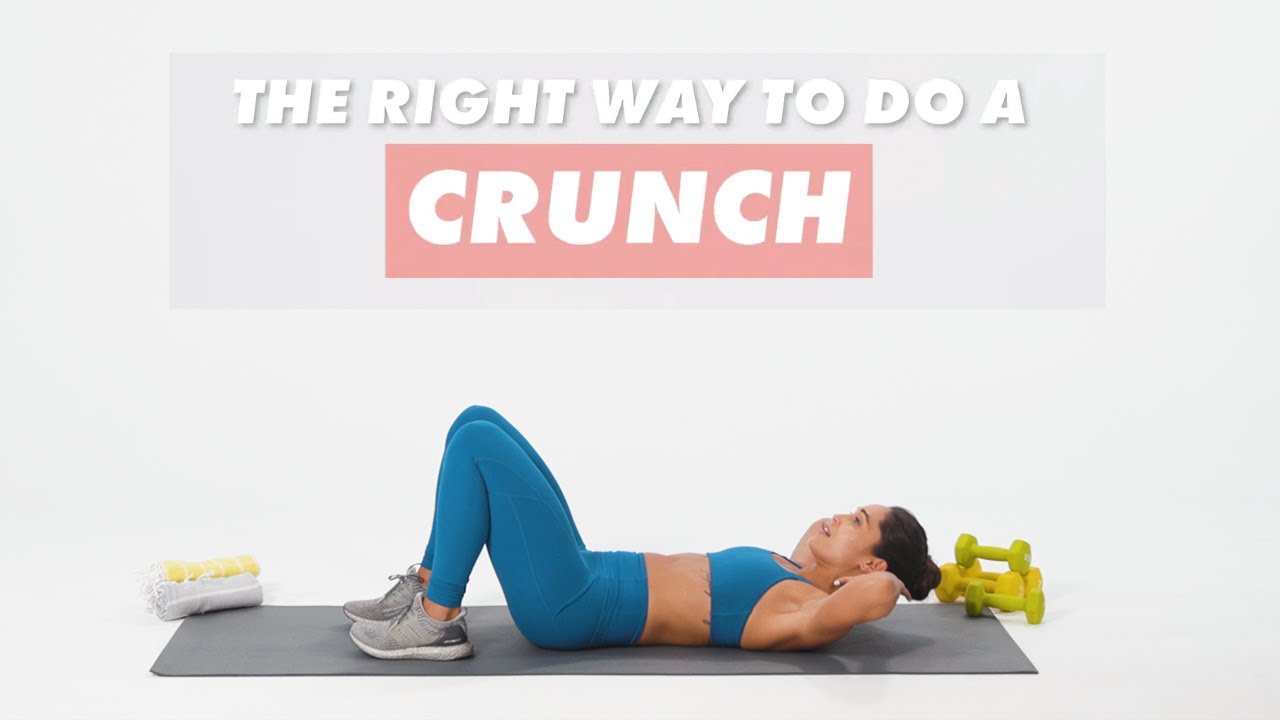
Watch On
Shop MC UK’s essential core strength kit now:
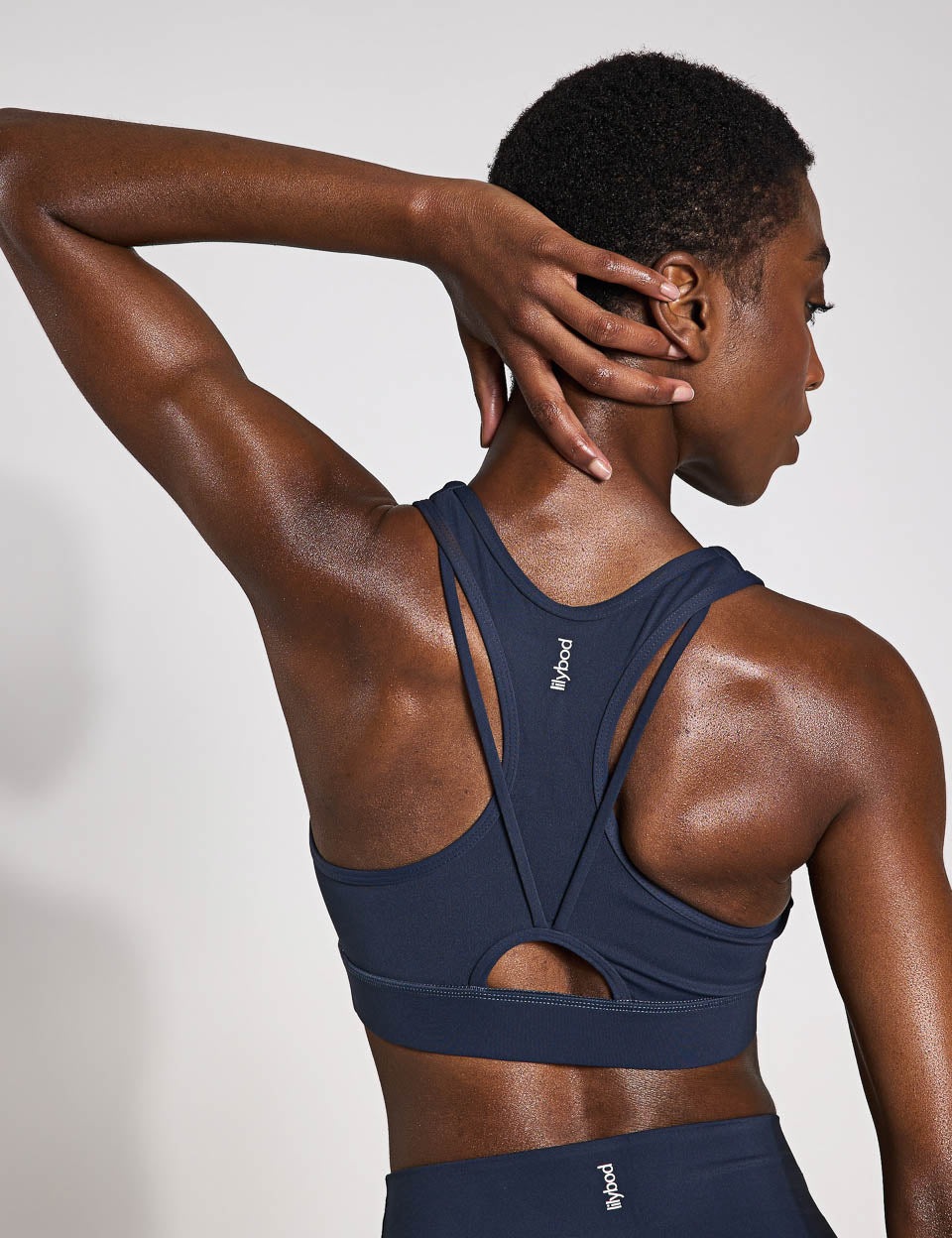
Frankie Cloud-Core Sports Bra
This Lilybod bra has been on our wishlist forever: its wide straps, butter-soft material and removable padding cups make it a dream for anyone over an A cup.
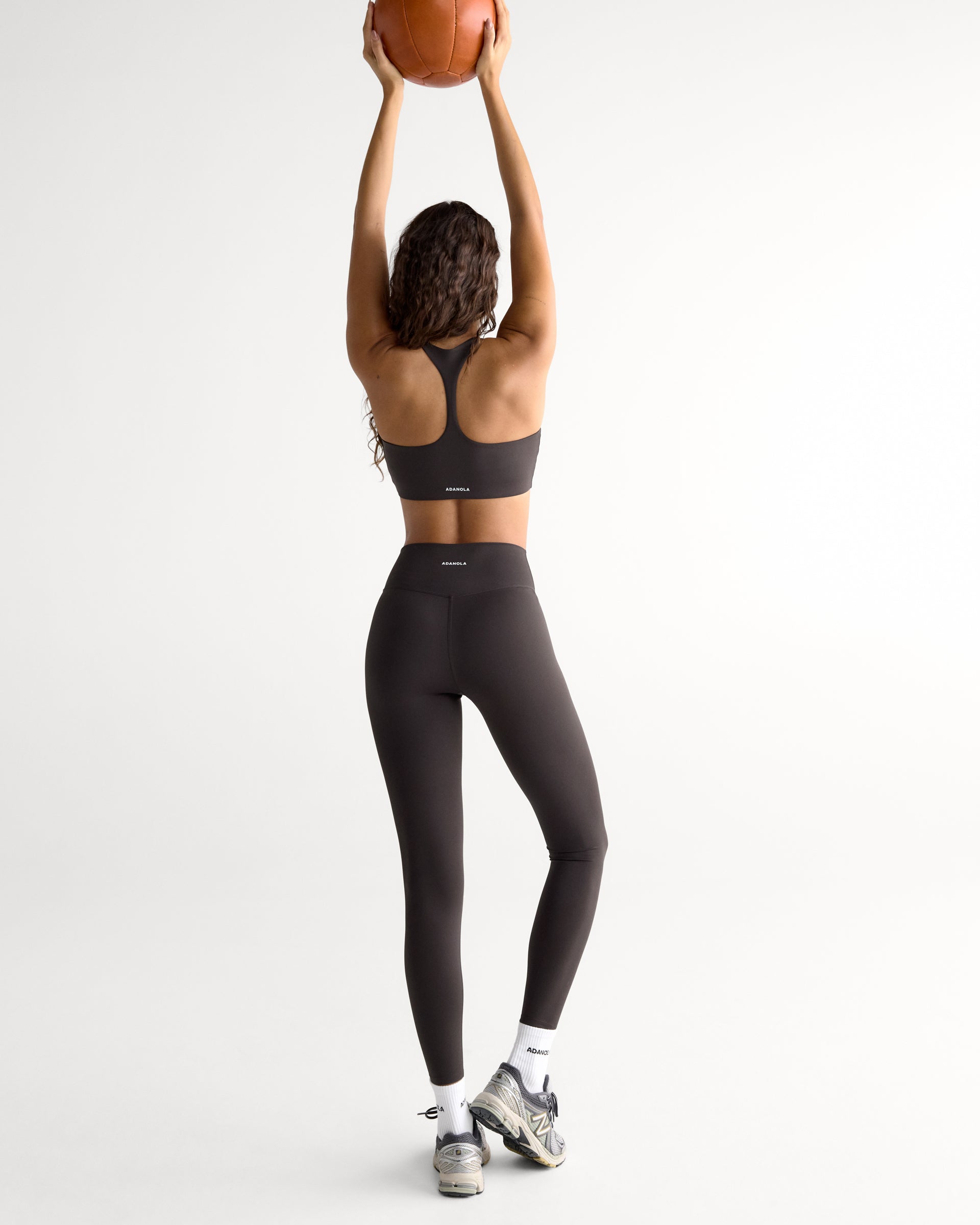
Adanola Ultimate Leggings
We know we go on about Adanola leggings, but trust us: for the price point (and even beyond), they’re fabulous. We love that there’s an extended range of colours now, too.
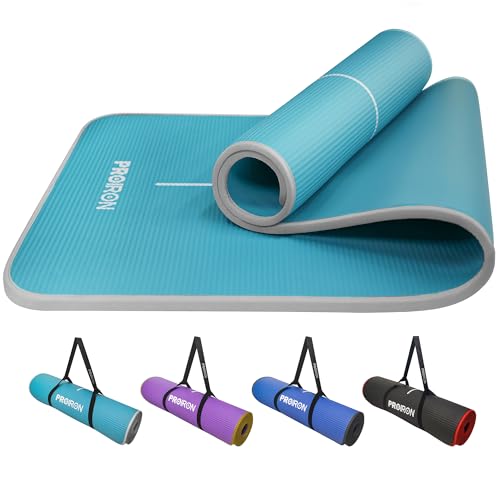
Proiron Pilates & Yoga Mat
While you don’t need a workout mat for core moves (an old towel can work just fine), if you’re in the gym or away from home, you’ll probably want one. This Pro Iron mat is one of the best we’ve tried – soft, padded and grippy.
Can a 5-minute move really build strength and endurance?
“Yes, absolutely, five minutes can genuinely make a difference, especially if you do it consistently and with enough effort,” reassures Simmons.
“If you focus properly and concentrate that effort into one or two exercises, you can create a really good strength stimulus in a short amount of time. Over weeks and months, those small sessions add up massively.
“Core muscles respond very well to regular training because they’re involved in posture and movement all day. Small daily sessions can noticeably improve strength, stability, endurance, coordination, and body awareness.
“You’ll feel more connected, more supported, and generally more activated throughout the day. Consistency matters far more than occasionally doing one massive ab workout.”