




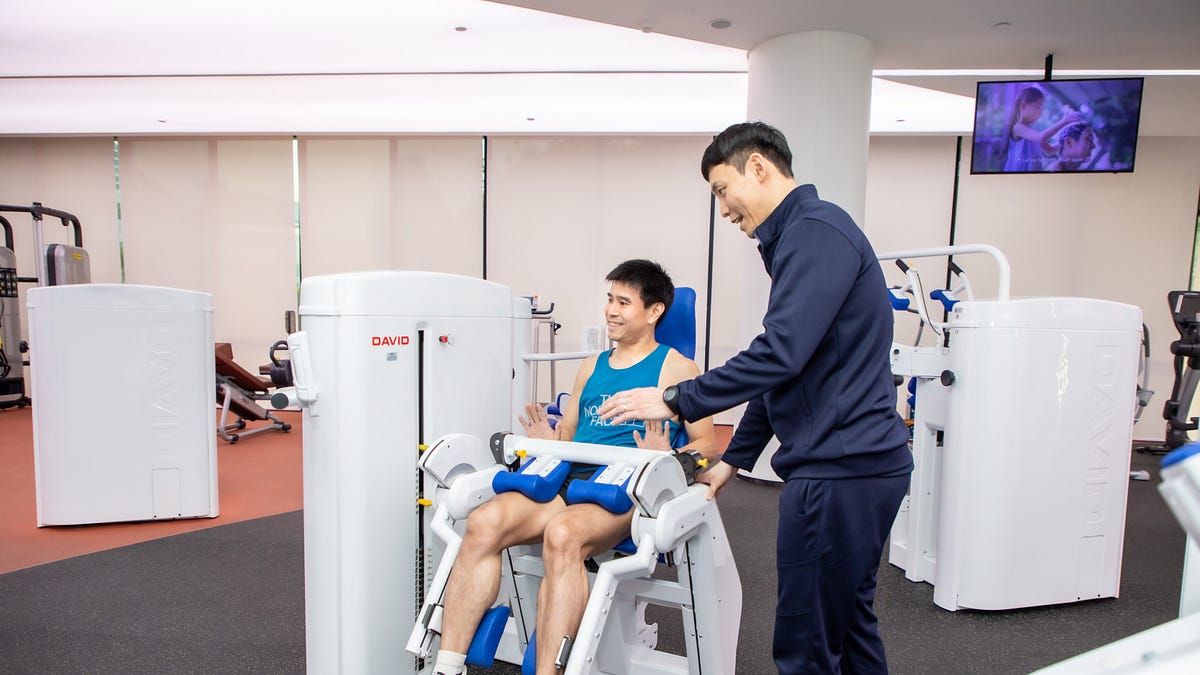
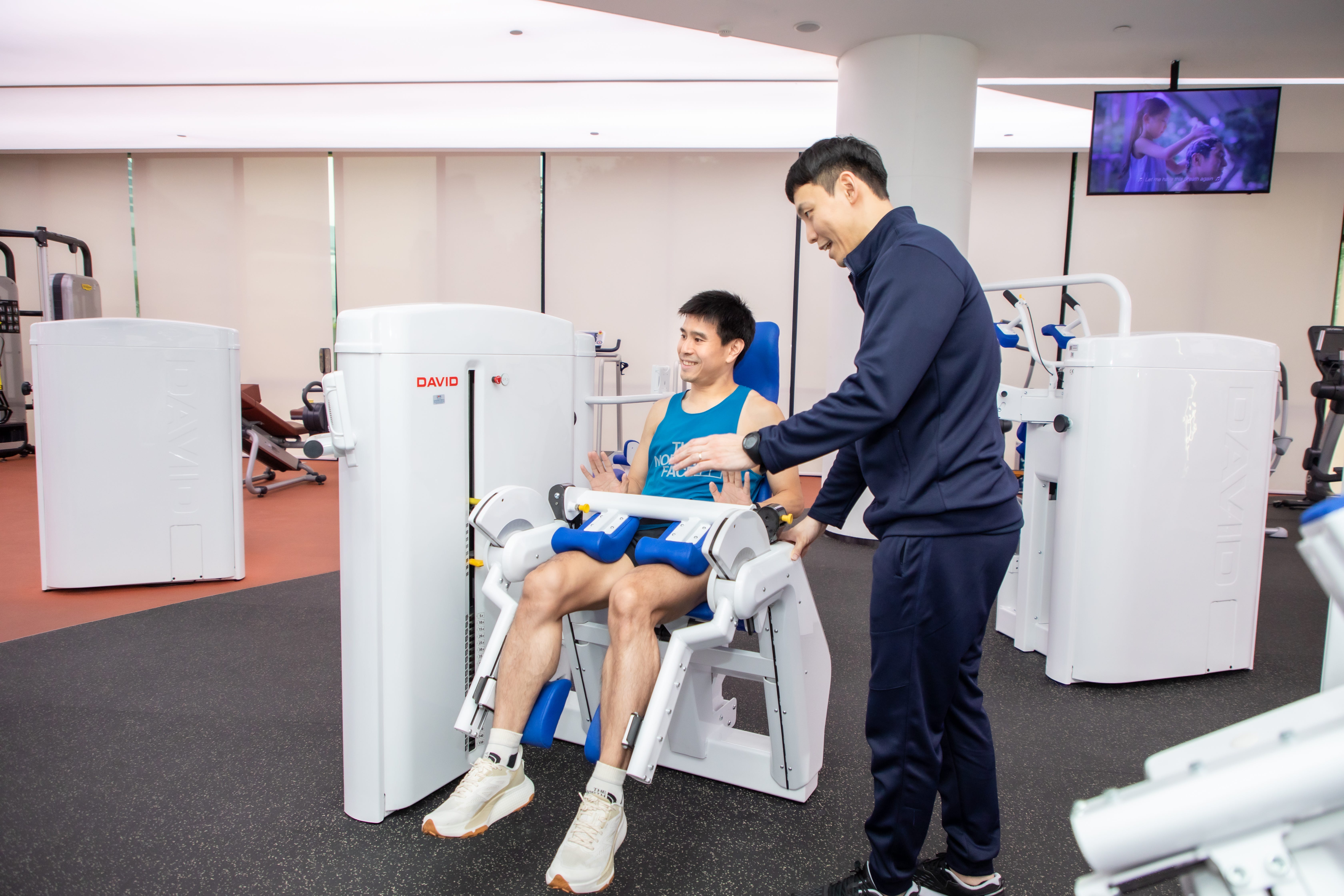
 Illustration of a customer receiving musculoskeletal rehabilitation treatment at BDMS Wellness Clinic in Thailand. (Photo: Bangkok Dusit Medical Services)
Thailand is preparing to strengthen its partnership with Indonesia in the healthcare sector, especially in the growing wellness industry.
The collaboration aims to promote knowledge sharing in preventive healthcare, lifestyle medicine, and science-based wellness to help shape the future of healthcare in the region.
This initiative is also aligned with “Indonesia Emas 2045”, Indonesia’s long-term national vision, which focuses not only on medical treatment but also on disease prevention, healthier lifestyles, and better long-term quality of life.
💡 What is Wellness?
Wellness refers to the active pursuit of a healthy and balanced life by maintaining physical, mental, and emotional well-being through positive habits, preventive healthcare, proper nutrition, exercise, and stress management.
There are several reasons why wellness has become increasingly important for individuals, businesses, and governments worldwide:
🍔Obesity epidemic: Global obesity rates have nearly doubled since 1980, increasing the risk of serious health problems.
☠️ NCD-related deaths: Around 74% of global deaths are caused by non-communicable diseases (NCDs), such as cardiovascular problems, diabetes, and cancer.
🩸Diabetes crisis: Nearly 11% of the world’s adult population is living with diabetes, making it one of the fastest-growing health challenges.
😫Rising stress: More than half of the global workforce has experienced rising workplace stress in recent years, affecting both productivity and mental health.
💸Increasing costs: Healthcare spending in OECD countries is projected to more than triple, reaching around USD 10 trillion between 2002 and 2020.
👴Aging population: The global population aged 60 and above is expected to double between 2000 and 2050.
“NCD can be prevented with wellness, but most people don’t understand that they wait until they are old, they get many diseases, and then they die suffering. When you get sick, it’s more expensive than you ever know, because of the drug supply, the fuel, and many other things. So everything in this life is wellness. It’s just like the policy of every country in the world today. So wellness is a must.” – Dr. Tanupol Virunhagarun, Chief Executive Officer, BDMS Wellness Clinic and BDMS Wellness Resort.
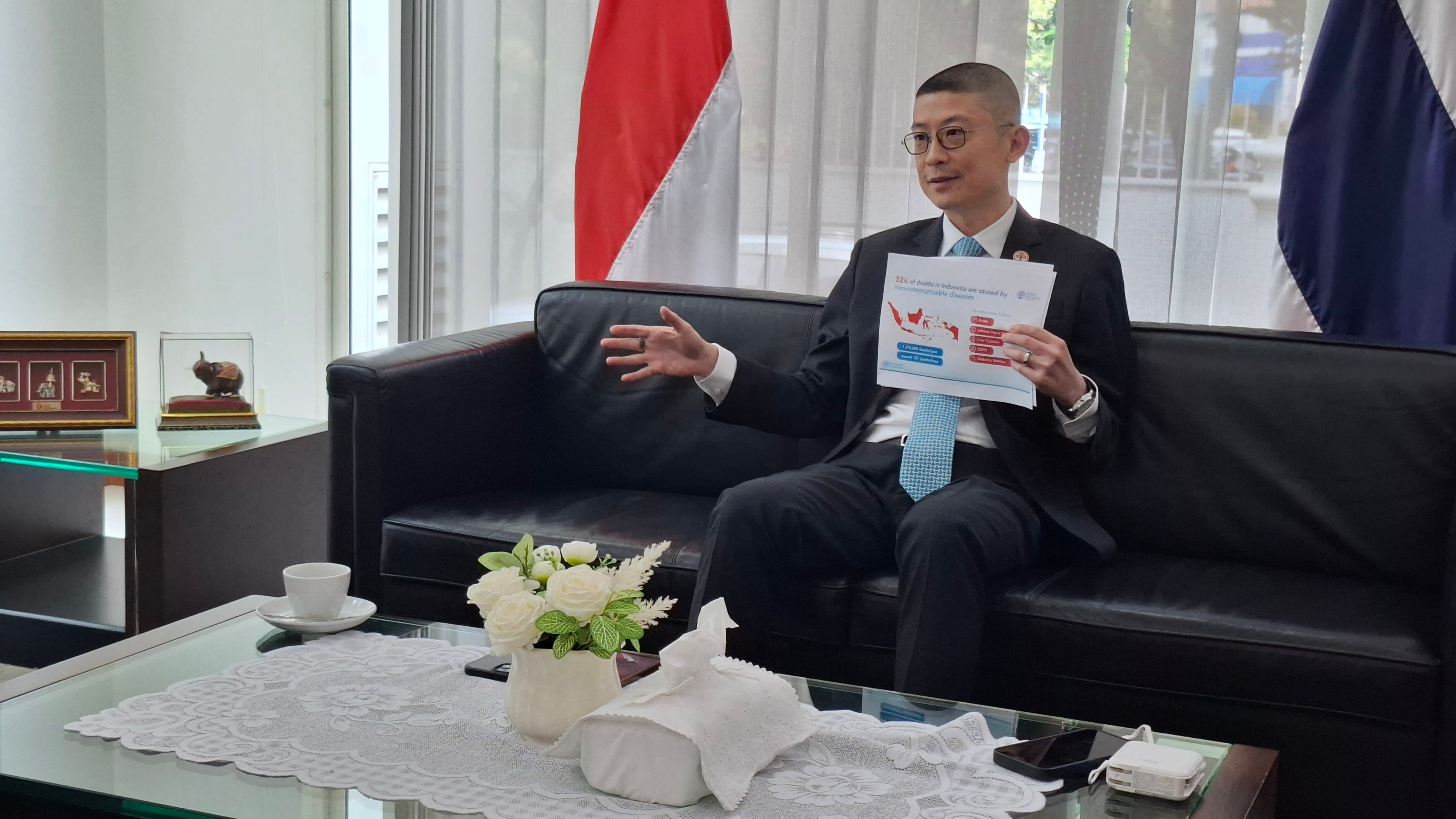 Dr. Tanupol Virunhagarun, the CEO of BDMS Wellness Clinic and BDMS Wellness Resort, explained Indonesia’s health challenges to media partners at the Royal Thai Embassy in Jakarta on Tuesday (5/5). (Photo: The Southeast Asia Desk/ Nugrahanto Margo Raharjo)
There are several reasons why Thailand chose to expand its services to Indonesia:
📈 Largest GDP: Indonesia recorded a GDP of around USD 1.4 trillion in 2025, making it the largest economy in Southeast Asia and a major driver of regional growth.
⚖️ Economic stability: Indonesia has maintained steady GDP growth of around 5% over the past 4 years, demonstrating consistent economic resilience.
👨🏻👩🏻👧🏻 Large population: With a population of more than 280 million people in 2025, Indonesia offers a massive and expanding market for the wellness industry.
As a result, Indonesia is widely recognized as one of Asia’s leading emerging economies, with strong potential to shape the global economy in the future.
According to research by BDMS Wellness Clinic and the World Health Organization, Indonesia faces several major health challenges, including:
👩🦳Aging population: Around 12% of Indonesia’s population was aged 60 and above in 2025, and this figure is projected to rise to approximately 16% by 2035.
⏳Lower lifespan: Indonesia’s average lifespan is 71.4 years, below the global average of 73.6 years.
💪Shorter health span: The country’s average health span is 63.1 years, slightly lower than the global average of 63.6 years.
⚰️ NCD death rate: Indonesia recorded around 1.38 million deaths in 2025, with 52% caused by non-communicable diseases (NCD) such as stroke, heart disease, liver cirrhosis, COPD, and diabetes.
⬆️ Rising obesity: Around 38.9% of Indonesians are overweight or obese. This condition can reduce life expectancy by up to 8.8 years and increase the risk of serious diseases, including cardiovascular disease, respiratory disorders, and cancer.
🍟Unhealthy lifestyle: Many Indonesians face an imbalanced lifestyle that increases the risk of NCDs. This is mainly caused by unhealthy eating habits, lack of physical activity, high stress levels, and insufficient rest and sleep.
“I want to have the same number of lifespan and health span, okay. If you have the same number, it means you die peacefully, you sleep dead; if you have a longer number, you suffer. The mission is to increase the health span, not only the life span, because we believe in wellness that prevention is better than cure.” – Dr. Tanupol Virunhagarun, Chief Executive Officer, BDMS Wellness Clinic and BDMS Wellness Resort.
 Several wellness treatments provided to customers at BDMS Wellness Clinic in Thailand. (Photo: Bangkok Dusit Medical Services)
Thailand has developed a strong wellness ecosystem with the concept of ‘The Land of Life’, to support holistic well-being and the growth of the wellness industry. The ecosystem includes several key areas:
💆 Healing: Thai herbs, traditional medicine, saunas, spas, and hot springs.
🩺 Health services: Medical, dental, and wellness tourism, advanced therapy products, scientific wellness clinics, and wellness resorts.
🌱 Return to nature: Adventure activities, hiking, trekking, forest bathing, cycling, and nature experiences.
🧑 Personal restoration: Yoga, meditation, mindfulness, wellness aromatherapy, community interaction, and aesthetic medicine.
🌟 Thai uniqueness: Traditional Thai massage, healthy food, Muay Thai boxing, cultural experiences, and spiritual Buddhist tourism.
According to the Global Wellness Institute, Thailand ranked 24th worldwide and 9th in the Asia-Pacific region in 2024, making it one of the leading players in the global wellness industry.
Thailand’s wellness economy reached USD 42.7 billion in the same year, driven by its rich natural resources, traditional cultural wisdom, and strong healthy lifestyle practices, which have become the foundation of the country’s wellness industry.
📰 The Big Picture
With its advanced wellness ecosystem and strong regional experience, Thailand has become one of the leading wellness destinations in Asia, and has great potential to become a strategic partner for Indonesia in developing preventive healthcare and wellness services.
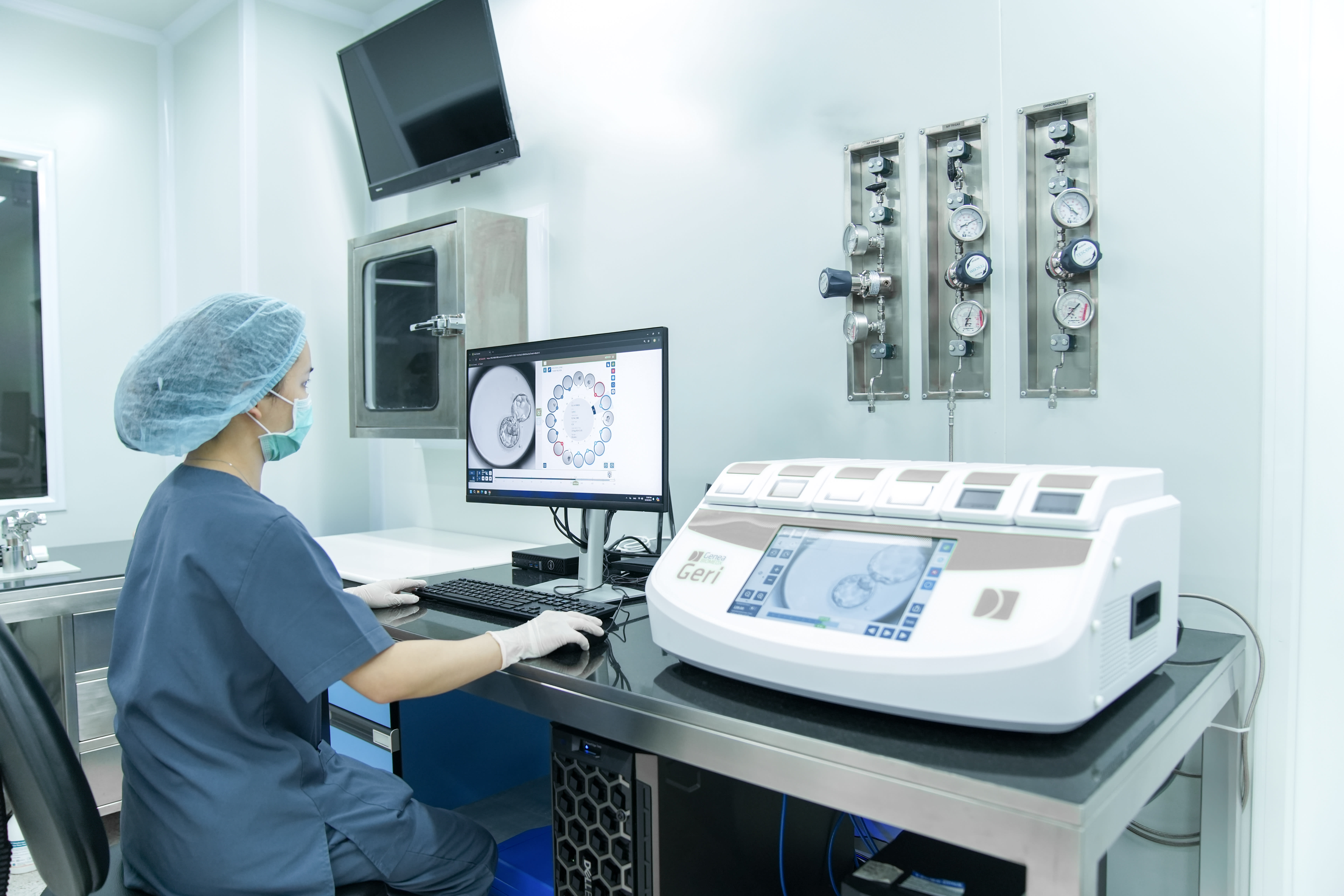 Illustration of an operator checking a customer’s fertility at BDMS Wellness Clinic in Thailand. (Photo: Bangkok Dusit Medical Services)
Indonesia needs to take stronger measures to reduce the risk of NCDs, increase life expectancy, and improve overall health span. In this area, Thailand offers several solutions to help achieve these goals, including:
🛡️ Preventive healthcare: Focusing on early detection, regular health screenings, and disease prevention to reduce long-term health risks.
🏃 Healthier lifestyles: Encouraging balanced nutrition, regular exercise, stress management, and better daily habits to improve overall quality of life.
🛎️Wellness services: Providing programs, treatments, and ecosystems that support physical, mental, and emotional well-being.
These solutions can help Indonesia build a healthier population while reducing future healthcare costs and improving long-term productivity.
“We want to be seen as one of the important places where you can come and get the wellness treatment. We want you to see Thailand as a trusted partner that you can work with. We provide very high-quality treatment, high-quality service, and, of course, we are open to collaboration with other countries. I think if Thailand benefits, then the whole region benefits as well.” – Prapan Disyatat, Thai Ambassador for Indonesia.
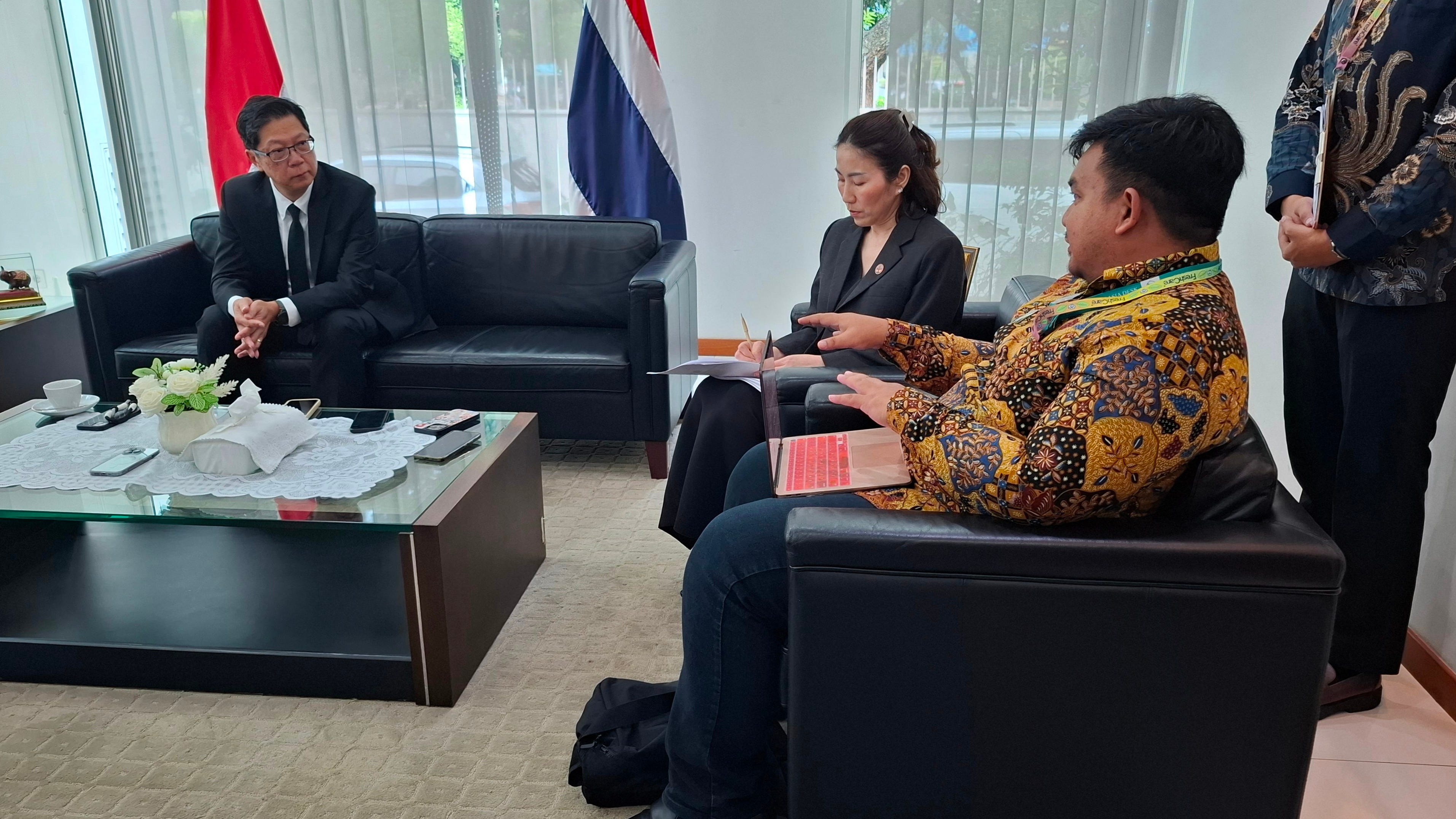 Prapan Disyatat, the Thai Ambassador for Indonesia, spoke with media partners about Thailand’s wellness industry and its potential partnership with Indonesia at the Royal Thai Embassy in Jakarta on Tuesday (5/5). (Photo: The Southeast Asia Desk/Nugrahanto Margo Raharjo)
According to Thai Ambassador for Indonesia Prapan Disyatat, Indonesia and Thailand can work together in several ways to grow the wellness industry, including:
✈️ Joint wellness tourism: Both countries can create joint wellness travel packages for international tourists, such as visiting Bangkok and other cities in Thailand, before continuing to Bali in Indonesia, all in one trip.
📚 Knowledge and technology sharing: Thailand plans to offer scholarships and short training programs for Indonesians in Thai universities, especially in tourism, preventive healthcare, and wellness. The partnership may also expand to Indonesian universities for Thai students.
“We, from the Thai government, already provide scholarships and either a master’s degree or short-term training in terms of tourism and sustainable development. And we would be most happy to continue this proposal to offer scholarships for Indonesians. But not just between Thailand and Indonesia, but we can work with third countries as well.” – Prapan Disyatat, Thai Ambassador for Indonesia.
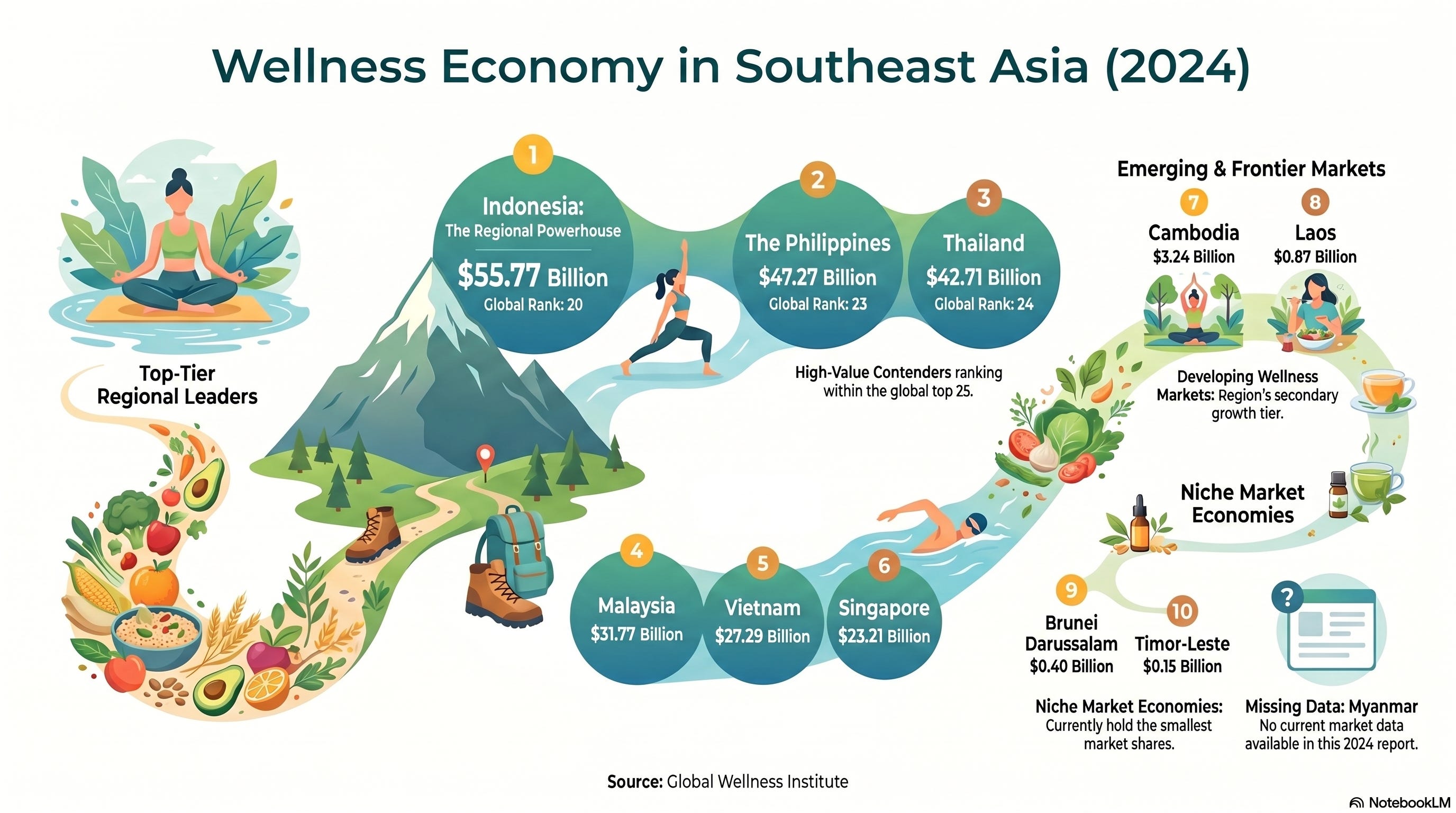 The Global Wellness Institute report on Southeast Asian countries, ranked by wellness economy market size in 2024. (Illustration: NotebookLM)
In Southeast Asia, the wellness economy has continued to grow steadily, with the market size increasing from USD 186.75 billion in 2022 to USD 211.95 billion in 2023 and reaching USD 232.68 billion in 2024.
🇮🇩 Indonesia leads the industry with a market size of USD 55.77 billion, followed by 🇵🇭 Philippines at USD 47.27 billion and 🇹🇭 Thailand at USD 42.71 billion.
Each Southeast Asian country also has different strengths in the wellness industry:
🏢 Wellness real estate: Singapore leads the market with USD 3.84 billion, followed by Vietnam with USD 2.13 billion.
🧠 Mental wellness: Indonesia leads the regional market with USD 1.74 billion.
🧳 Wellness tourism: Thailand leads the region with tourist spending reaching USD 14.1 billion, followed by Indonesia with USD 7.3 billion.
💆 Spa industry: Indonesia ranks first with USD 2.55 billion, followed by Thailand with USD 1.88 billion and Vietnam with USD 1.74 billion.
These figures show that Southeast Asia has strong potential to become one of the fastest-growing wellness markets in the world.
According to the Global Wellness Institute, the global wellness economy has experienced strong growth over the past five years, increasing from USD 4.7 trillion in 2019 to USD 6.8 trillion in 2024. The industry is also projected to reach USD 9.8 trillion by 2029.
The largest sources of wellness industry revenue in 2024 came from:
💄 Personal care and beauty services — USD 1.35 trillion
🏋️ Healthy eating, nutrition, and weight loss services — USD 1.15 trillion
🏃 Physical activity services — USD 1.14 trillion
🏝️ Wellness tourism services — USD 894 billion
💊 Public health, prevention, and personalized medicine services — USD 676 billion
In addition, the institute predicts that the global wellness economy will grow by around 7.6% annually between 2024 and 2029. This growth rate is significantly higher than the global GDP growth forecast by the International Monetary Fund (IMF), which is estimated at around 4.5% during the same period.
These trends show that wellness is becoming one of the fastest-growing industries in the global economy, driven by increasing public awareness of health, prevention, and quality of life.
The wellness industry is no longer just about relaxation and luxury; it has become a major solution for preventing disease, improving quality of life, and driving future economic growth in Southeast Asia.
Global Wellness Institute 2025 Global Wellness Economy Monitor
Global Wellness Institute The Global Wellness Economy: Country Rankings (Data for 2019-2024)
Statistics Indonesia Indonesia’s Economic Growth in 2025 was 5.11 Percent
(NGO/QOB)