




 7 min read
For years, I’ve seen AG1 everywhere—featured in influencer morning routines, podcast ads, and wellness TikToks promising better energy and digestion. It’s also the supplement I’m asked about most as a dietitian.
Now, AG1 is becoming even harder to miss: The brand is launching in more than 1,500 Ulta Beauty stores nationwide starting today.
As someone who evaluates supplements for a living, I wanted to know whether AG1 actually deserves its cult status (especially considering the steep price tag). So I reviewed the greens powder myself and took a closer look at everything from the ingredient quality to the taste to whether the formulation makes sense nutritionally.
Our registered dietitians in the Good Housekeeping Institute Nutrition Lab review and evaluate every single supplement we recommend in accordance with our dietary supplement methodology. We then have a registered dietitian on our Medical Review Board review each article for scientific accuracy. A supplement should do just that: supplement the diet, not replace high-quality, nutritious food and important healthy lifestyle practices. Check with your healthcare provider before starting any dietary supplement regimen.
What is AG1?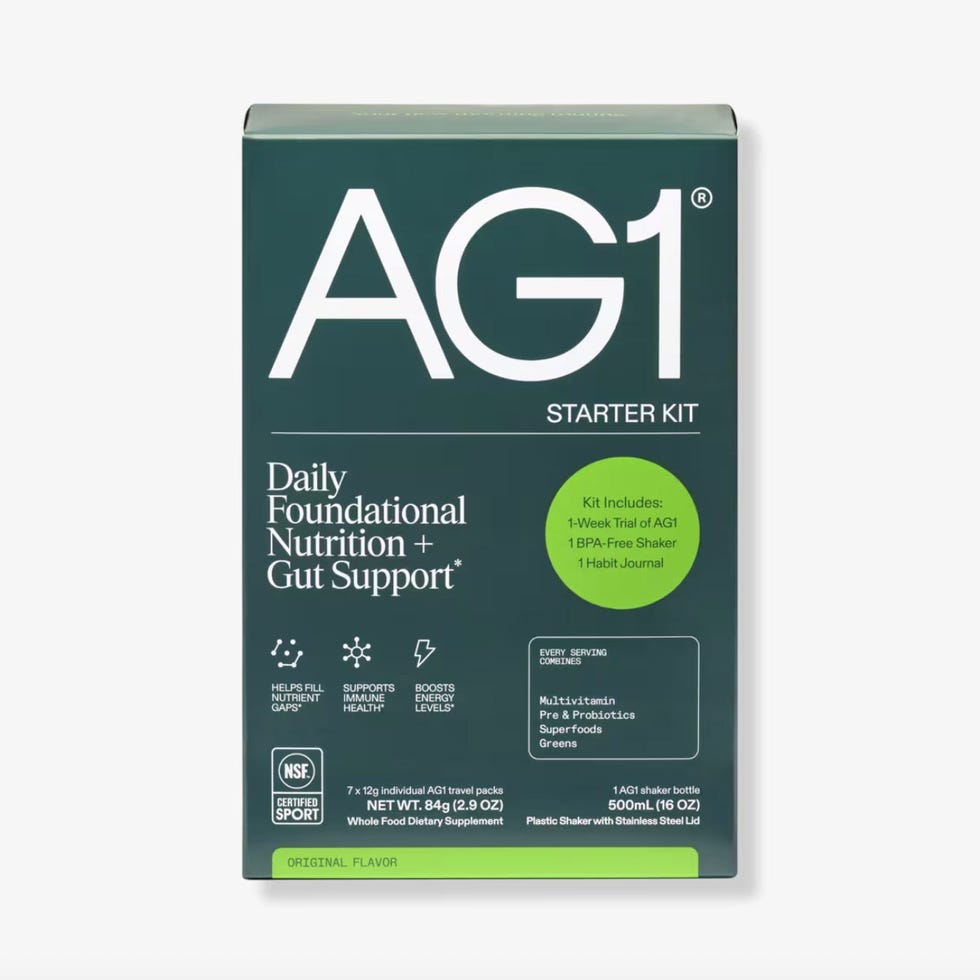
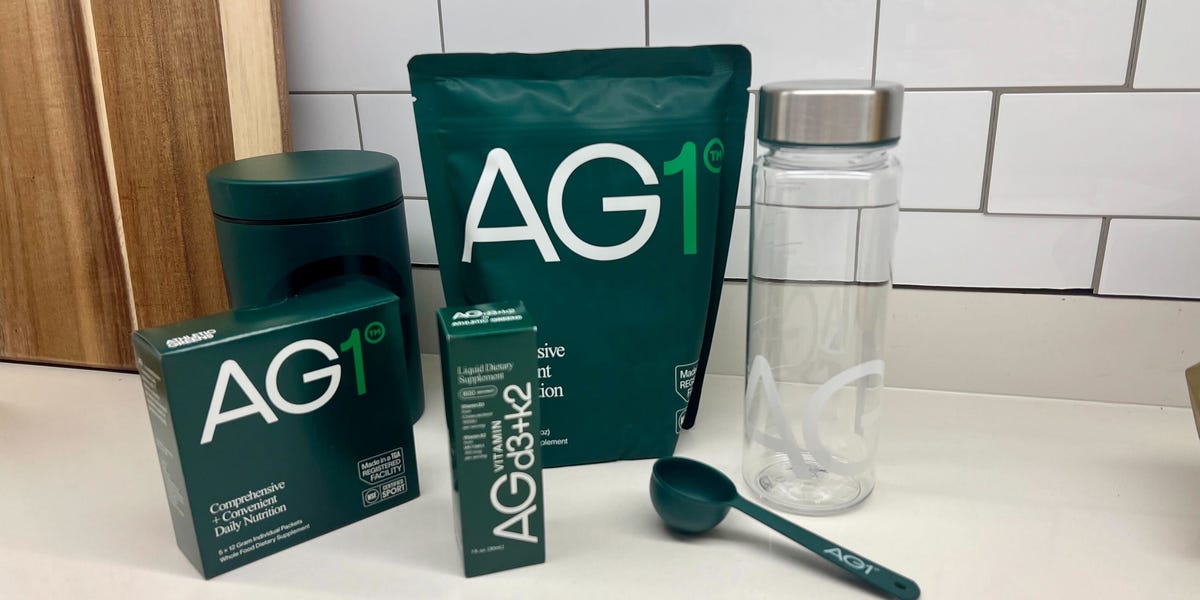
AG1 (formerly known as Athletic Greens) is a daily greens powder supplement designed to provide vitamins, minerals, probiotics, and other nutrients in one scoop. It was developed in 2010 by a team of doctors, scientists, and researchers and has undergone dozens of product iterations to incorporate the latest research and higher-quality ingredients.
The product contains a total of 75 ingredients, including a blend of essential vitamins and minerals, greens like spirulina and chlorella, probiotics and digestive enzymes, adaptogens and herbal extracts, as well as antioxidant-rich fruit and vegetable powders.
The idea behind AG1 is convenience: instead of taking multiple supplements separately, the powder aims to combine key nutrients into one daily drink.
To use it, mix one scoop with cold water or blend it into a smoothie. Since the formula contains live probiotics and ingredients sourced from whole foods, the powder needs to be refrigerated after opening. The brand suggests taking AG1 ideally 10 minutes before a meal, on an empty stomach, to optimize absorption.
Pricing
AG1 is one of the more expensive greens powders on the market. Previously, it was only available through the brand’s website, where a one-time purchase cost $99 for 30 servings, with a discounted rate available through a monthly subscription.
Now, AG1 is also available at Ulta Beauty, offering a more flexible way to try the product without committing to a full monthly supply. Ulta sells a starter kit that includes a shaker bottle and a one-week supply, for $34.99. It also offers smaller trial sizes, including 7 travel packs for $29.99 and a 14 travel packs for $49.99.
Nutrition highlights
One serving contains:
40 calories2 grams of fiber2 grams of proteinhigh levels of B vitamins and vitamin Cprebiotics and probiotics for digestive supportzinc and antioxidants
One thing that stood out to me is that AG1 does not contain vitamin D, a nutrient many adults commonly need more of. But the brand does make a vitamin D3 and K2 drop to complement the powder. It also contains natural flavors and soy, since certain ingredients are soy-derived.
Who is AG1 is best for?
In my opinion, AG1 makes the most sense for people who struggle to consistently eat enough fruits and vegetables, travel frequently, or already spend money on multiple supplements. It’s especially appealing for those who want a convenient “all-in-one” option that simplifies their daily routine.
I can also see it being useful for busy people who want nutritional backup during hectic periods when their diet isn’t ideal, like medical students juggling demanding schedules. Plus, it’s suitable for a variety of dietary lifestyles and preferences, including vegan, vegetarian, keto, and more.
That said, I don’t think most healthy adults with balanced diets necessarily need a product like AG1. And it’s definitely not a replacement for eating real, whole foods.
Is AG1 worth it?
Short answer: yes for some people, but the value is mostly in convenience rather than any major nutritional breakthrough.
After evaluating AG1 myself, I was impressed by its quality standards, including rigorous third-party testing and thoughtful ingredient sourcing. It also stood out for having a relatively decent taste compared to competitors, along with a strong convenience factor that makes it easy to incorporate into a daily routine.
I also understand why people like the simplicity of combining multiple supplements into one routine. But I don’t think AG1 is a magic solution, and I’m not convinced most people need to spend close to $100 a month on a greens powder if they already eat a fairly nutrient-dense diet.
Compared to many greens powders on the market, AG1 is one of the better options I’ve tried. I just think the value depends on how much convenience matters to you personally.
How we reviewed AG1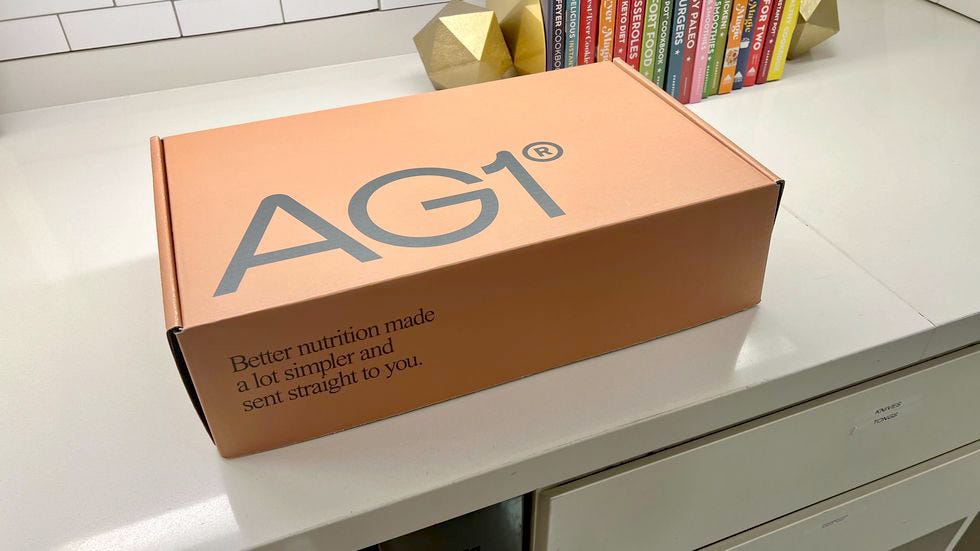 Open Gallery
As director of the Good Housekeeping Institute Nutrition & Fitness Lab, I reviewed AG1’s ingredient quality, nutrition profile, certifications, taste and texture, and overall value.
I tried the supplement myself and gathered feedback from GH staffers who’ve used AG1 consistently for longer periods.
Taste and texture
I’ve tried quite a few greens powders over the years, and AG1 was honestly one of the better-tasting options.
The flavor is earthy but slightly sweet, and I found it much more drinkable when mixed with about 12 ounces of liquid rather than the recommended 8. It also paired well with coconut water.
Some staffers liked the taste more than others, but overall, we found it mixed relatively well with similar products. AG1 is now available in several flavors on the brand’s website, including citrus and berry, but only the original can be purchased at Ulta.
Quality and testing standards
I was pretty impressed with AG1’s product standards, from research to sourcing to manufacturing. AG1 first researches bioavailable ingredients, then sources high-quality versions of those ingredients, manufactures the products at FDA- & TGA-registered facilities, and uses third-party testing to test and certify each batch.
The product is NSF Certified for Sport, meaning it has undergone third-party testing for purity and contaminants. Those standards help distinguish AG1 from many lower-quality greens powders on the market. You can even see the most recent testing results on the AG1 website.
Results
Our staffers reported mixed experiences after using AG1 consistently. One noticed improvements in digestion and regularity, while another reported slightly better energy and focus. Others didn’t notice dramatic changes.
That honestly wasn’t surprising to me. Nutrition supplements affect everyone differently, and it can be difficult to separate the effects of a greens powder from someone’s overall diet and lifestyle habits. Personally, I did feel a bit more energy when taking it, which could be related to the mix of B vitamins it provides.
As a registered dietitian, I liked that the powder essentially replaces a multivitamin, probiotic, and other supplements that you may be taking. It allows you to drink the liquid just once a day, which is more convenient than taking multiple supplements.
It even contains a hefty dose of folate, an important nutrient, especially for women of reproductive age, to help prevent neural tube defects. Also, the travel packets were very convenient and don’t have to be refrigerated, which is a bonus.
Things to considerIt’s expensive
This is easily one of AG1’s biggest drawbacks. At roughly $80 to $100 per month, AG1 costs significantly more than many traditional multivitamins and greens powders.
The ingredient blends aren’t fully transparent
AG1 uses proprietary blends, which means the brand lists the ingredients but doesn’t disclose the exact amounts of each. As a dietitian, I like to see more transparency here, but I also understand that the brand doesn’t want competitors to copy it.
It’s not a replacement for whole foods
One thing I kept coming back to while trying AG1: No greens powder should replace actual fruits and vegetables. Whole foods provide fiber, hydration, and beneficial plant compounds in ways supplements simply can’t fully replicate. It’s the synergy of these nutrients working together in whole-food form that makes it so healthy for us. We can’t pluck one nutrient from broccoli, for instance, put it into a pill, and expect it to perform the same.
More isn’t always better
One thing to keep in mind is how AG1 fits in with any other supplements you’re already taking.
Some of the nutrients in AG1 are quite high compared to the daily values (DVs), which are the general recommended intake targets. That’s usually less of an issue with water-soluble vitamins like vitamin C and the B vitamins, since your body typically pees out what it doesn’t need.
But it becomes more important with fat-soluble vitamins (like vitamins A and E), which can build up in the body if you consistently take high amounts. AG1 does contain a relatively high level of vitamin E, but it’s still below the established upper limit for most healthy adults.
Still, this is exactly why I’d recommend being mindful about stacking supplements. If you’re already taking a multivitamin or other fortified products, it’s worth checking for overlaps so you don’t unintentionally double up on certain nutrients.
Some nutrients are missing
Despite the extensive ingredient list, AG1 still doesn’t include vitamin D. Depending on your individual needs, you may still require additional supplementation.
Certain people should avoid it
AG1 isn’t recommended for children or for individuals who are pregnant or nursing. Because the product contains adaptogens and herbal ingredients, it may also interact with certain medications. As always, check with your healthcare provider before starting any supplement regimen.
Final verdict
If you’re looking for a convenient, high-quality greens powder and don’t mind the price, AG1 is one of the better options I’ve tried.
I was impressed by the sourcing of ingredients, third-party certifications, and overall taste compared to many competitors. I also understand the appeal of replacing several supplements with one daily product.
But I don’t think most people need AG1, especially if they already eat a balanced diet rich in fruits, vegetables, and other nutrient-dense foods.
Ultimately, I see AG1 as a convenience product more than a nutritional necessity. For some people, that convenience may absolutely be worth paying for. For others, the high price tag probably won’t justify the benefits.
Why trust Good Housekeeping?
As director of the Good Housekeeping Institute Nutrition Lab, Registered Dietitian Stefani Sassos, MS, RDN, CDN,handles all nutrition-related content, product testing, and evaluation. She stays up to date on the latest research to provide evidence-based reporting on all things diet and nutrition. Stefani oversees supplement analysis for Good Housekeeping and has evaluated categories including multivitamins, joint health supplements, and vitamin D.

Stefani (she/her) is a registered dietitian, a NASM-certified personal trainer and the director of the Good Housekeeping Institute Nutrition and Fitness Lab, where she oversees all nutrition and fitness-related content, testing and evaluation. She holds a master’s degree in clinical nutrition from New York University, as well as advanced certifications as a Women’s Fitness Specialist and a Behavior Change Specialist. Stefani is dedicated to providing readers with evidence-based content to encourage informed food choices and healthy living. She is an avid CrossFitter and a passionate home cook who loves spending time with her big fit Greek family.

Laura Iu, R.D., is a registered dietitian nutritionist, certified intuitive eating counselor, yoga guide, and owner of Laura Iu Nutrition, a private practice in New York City. She earned her Bachelor of Science in Nutrition and Dietetics from New York University and completed her internship in dietetics at Weill Cornell & Columbia Medical Center of New York-Presbyterian Hospital. She went on to work in New York City’s top hospitals, including Mount Sinai Hospital and NYU Langone Health. She believes that true health is all encompassing — physical, emotional, and mental wellbeing — not an external measure via shape or size.