



K-Beauty is no longer a niche pursuit. Now the go-to for anyone chasing a calm, hydrated, glass-like complexion, Korean skincare has gone from hard-to-find hero to beauty aisle staple. Veteran beauty editor Nadine Baggott unpacks the cultural moment behind the boom, the regenerative ingredients now reshaping aesthetic treatments (PDRN, spicules, snail secretions, cica) and why Korean formulas are the perfect post-procedure partner. Plus, her edit of the 10 K-Beauty buys worth a permanent place in your bathroom cabinet.
How K-Beauty Skincare Took Over The UK
I have been a beauty editor for 35 years and the extraordinary takeover of Korean Beauty is unlike anything I have ever seen. K-Beauty sales have risen five-fold in the past year and a K-Beauty skincare item is sold once every 11 seconds in Boots. There has been a Korean cultural zeitgeist from Squid Game to K-pop to Korean Beauty and food, something known as ‘Hallyu‘ or the Korean wave.
Just four years ago I was filming with Dr Christine Hall, an Anglo-Korean aesthetic doctor and pharmacist, tracking down the cult K-Beauty buys. We had to frequent dark alleys in London’s Theatre District to find the must-have products. Now you can walk into any Superdrug or Boots and see dedicated aisles stacked high and surrounded by customers three-deep sharing notes. Why?
K-Beauty is the perfect reaction to the previous trend in skincare: the dreaded multi-step routine based on strong acids and active ingredients. The result was an outbreak of sensitive skin prone to flare-ups and dermatitis. The solution? Look at skincare that repairs, calms and soothes – and that is essentially what Korean skincare is all about.
‘My mother is Korean, and I was raised to double cleanse my skin morning and night, to hydrate and moisturise and to wear sunscreen every day. These were non-negotiable,’ explains Dr Hall. Her eomma (Korean momma) not only has the beautiful skin which bears testament to this simple routine, but she also raised the perfect daughter to put her cultural attitude to skin into action. ‘I knew from the age of about 11 that Korean skincare was the best, I just had to convince the British.’
Korea is a culture with a strange dichotomy of beauty ideals. ‘It is not unusual for parents to pay for cosmetic surgery procedures like double eyelid surgery or a nose job to celebrate a teenage girl or boy’s 16th or 18th birthday. And pale, beautiful skin is still revered,’ explains Dr Hall. ‘But Korean skincare is the opposite of invasive; its hallmarks are cool, soothe, hydrate, repair. This makes it perfect for me to use and recommend to my own patients post procedures.’
That’s not to say K-Beauty isn’t at the cutting edge of regenerative ingredients. Where we in the West are obsessed with vitamins C and A to brighten and repair our complexions, in Korea they are obsessed with PDRN, spicules, exosomes, snail secretions and cica. ‘Any trending ingredient in skincare right now originated in Korea, and they are not only on the high street, they are revolutionising aesthetic treatments too,’ says Dr Christine.
PDRN (Polydeoxyribonucleotides)
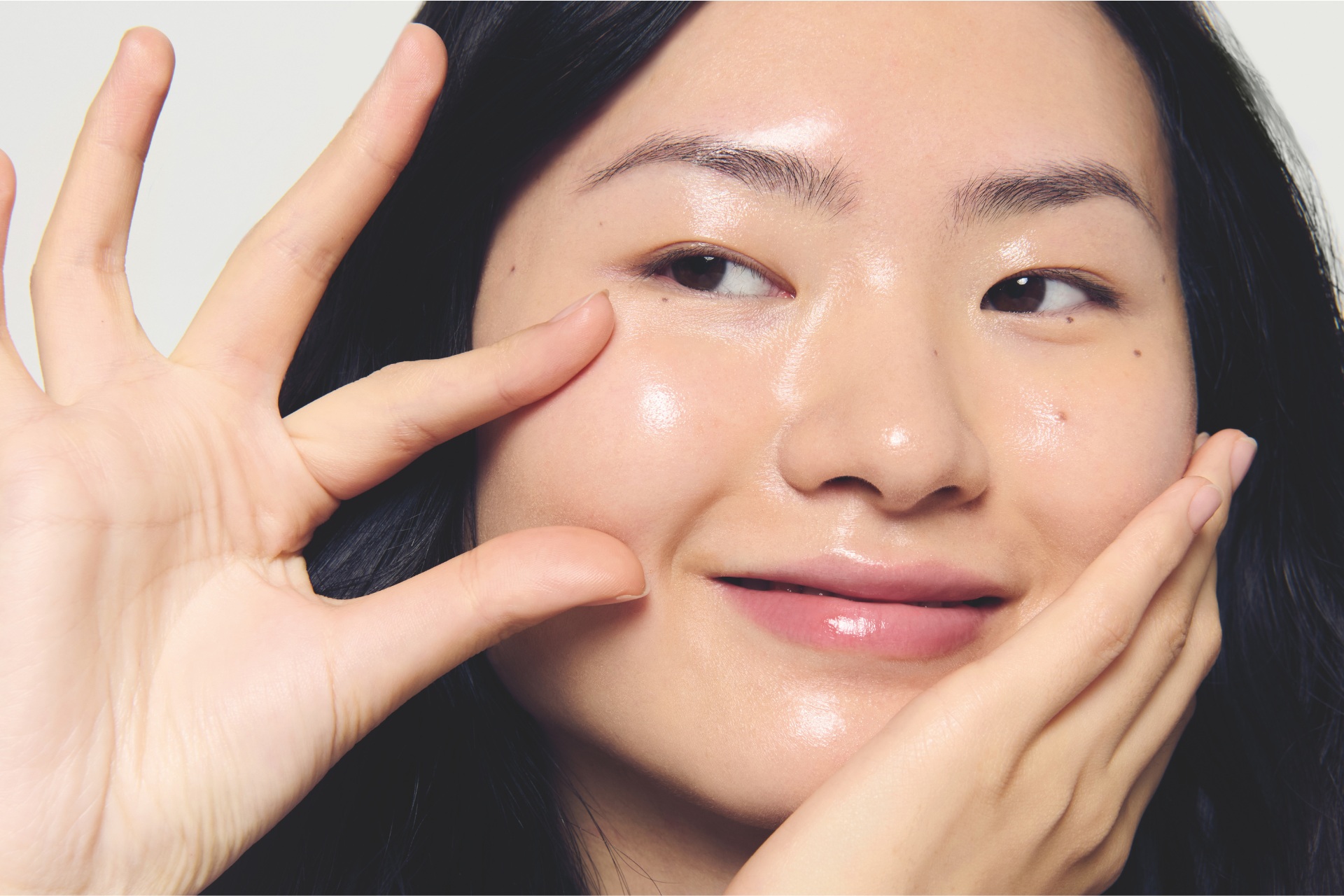
Usually derived from salmon or sturgeon sperm – yes, really – these tiny particles contain DNA repair messengers thought to trigger your skin to repair itself. They can be injected into the skin in clinic but are also available in serums and creams. The truth is that they are large molecules which cannot penetrate the skin, but, like collagen, they appear to supercharge your skin’s hydration to give the much-vaunted ‘glass skin’. This is known as Chok Chok skin in Korea, i.e. healthy hydrated skin that bounces back light.
Snail Secretions
Put simply, snails secrete a slime that is wound healing. The slime carries peptides, humectants and signalling molecules telling snail-skin to heal. In K-Beauty, the secretions are cleansed and used to hydrate skin. As a side note, if you can’t stand the thought of your snails being ‘milked’ of their secretions, vegan versions are available.
Spicules
These are tiny shards of a sea sponge which act like minuscule microneedles. In skincare they can penetrate the outer layer of your skin (the stratum corneum), making tiny tears so skincare ingredients can penetrate more effectively. Think of them as a safer, more gentle version of at-home micro-needling.
Cica / Centella Asiatica
In Korea and Japan the most valued plant extracts are those for sensitive skin, and nothing is better researched than cica or centella asiatica. Cica repairs your skin’s barrier function (its ability to keep water in and irritants out), calms redness and is anti-inflammatory. It’s ideal post-procedure and for everyday use on stressed skin.
Do You Really Need The 12-Step Routine?
So, should we be using every one of these sci-fi ingredients in every product? ‘No, the myth of the 12-step glass skin routine is US marketing stamped over K-Beauty ideals to sell more products,’ warns Dr Christine. ‘Instead, try introducing one or two hydrating, soothing products and see how you get on.’ You should also consider Korean sunscreens. They are some of the best and have revolutionised western sunscreen formulations to become lighter, fresher and nicer to use.
Finally, in addition to great products for sensitive skin (Brits are especially susceptible to this thanks to the frequent weather changes), the rise of K-Beauty is also about representation. Founder of Yepoda (Korean for Pretty), Sander Joonyoung van Bladel, a Korean-Dutch entrepreneur, told me: ‘I grew up in Holland looking different and being castigated for that. Now I get to see my skin and my looks celebrated.’ Dr Hall agrees: ‘I was raised in the Cotswolds where no one looked like me. I was bullied at school for looking the way I did. Now I not only see someone who looks like me in K-Beauty campaigns, I have the satisfaction of knowing that 11-year-old me was right all along: Korean Beauty products and routines are better for everyone.’
The Edit: K-Beauty Skincare Starter Kit
Skin should be treated with care and respect. Here are my favourite K-Beauty cabinet musts…
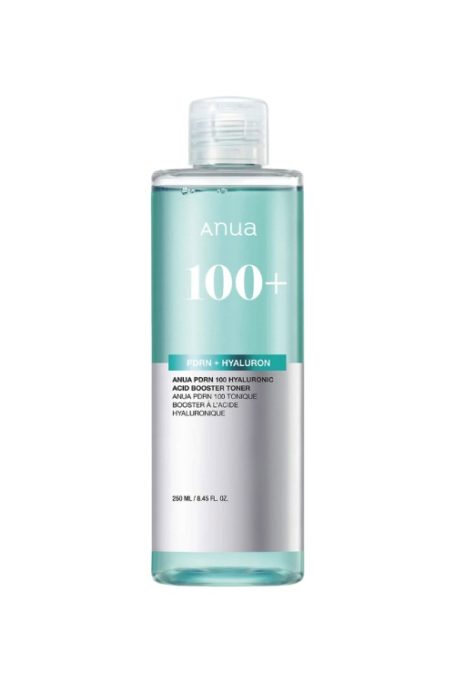
ANUA
PDRN 100 Hyaluronic Acid Booster Toner, £20
The OG PDRN product and a great hydrating serum. There is now a brilliant moisturising cream to go with it too.
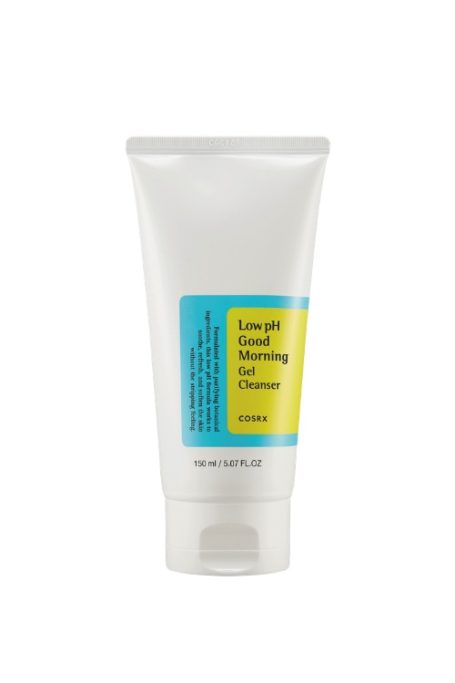
COSRX
Low pH Good Morning Gel Cleanser, £9
This formulation makes for a great second cleanse at night or a single step in the shower in the morning.
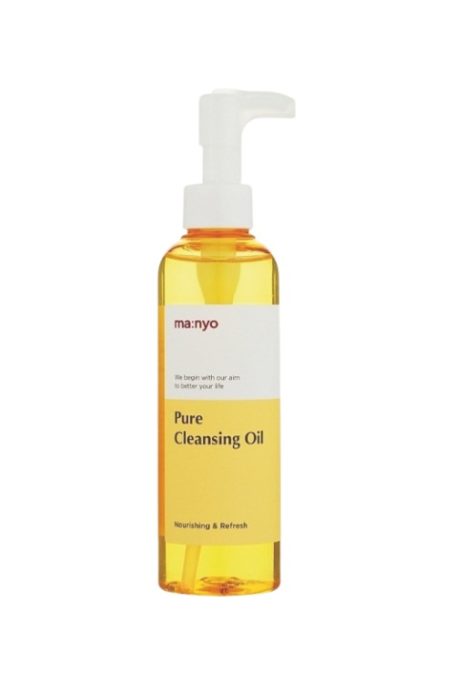
MA:NYO
Pure Cleansing Oil, £21
Cleansing oils are the staple of K-skincare. As a single or first step they emulsify in water to turn to a milk that rinses away.
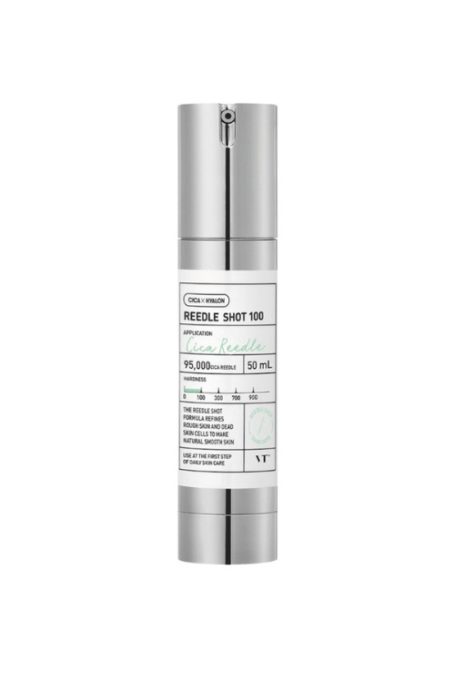
VT Cosmetics
Reedle Shot 100, £27
The original spicule cream with those plant ‘microneedles’, this one has cica as well. They come in varying strengths from 50 to 1,000.
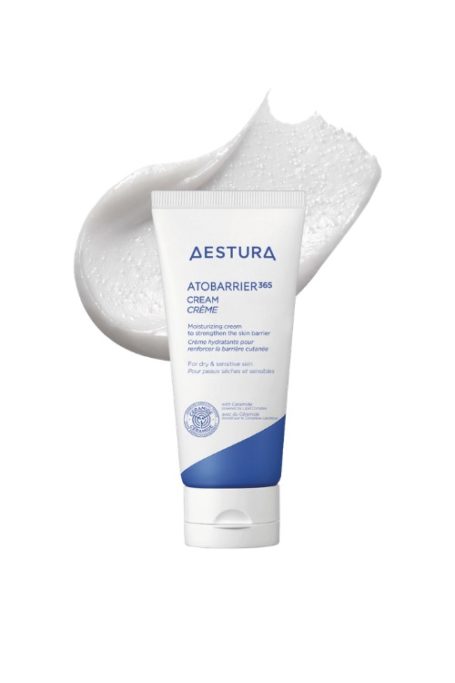
Aestura
Atobarrier 365 Cream, £17
When I had a recent laser treatment, this range saved my skin. Every product is formulated to repair your barrier.
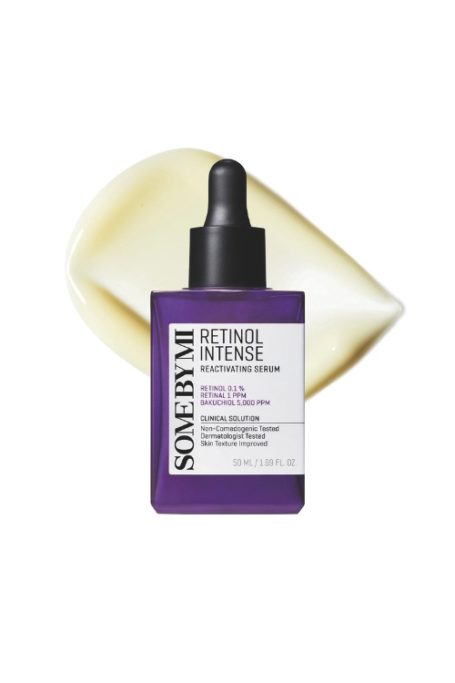
Some By Mi
Retinol Intense Reactivating Serum, £29
Having said that Koreans are not as obsessed with vitamins A and C as we are, we have in turn influenced them.
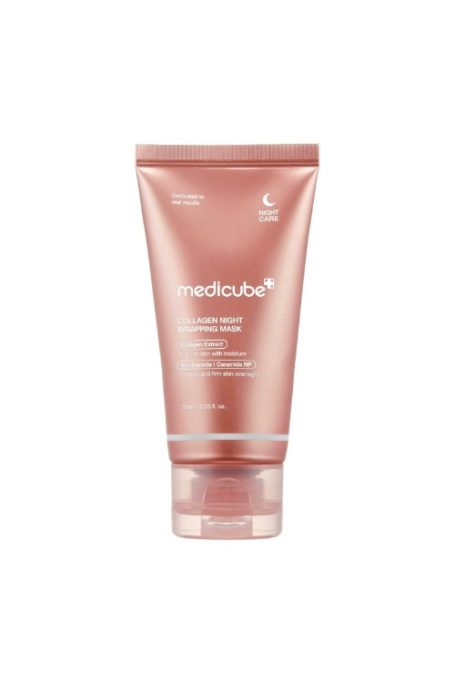
Medicube
Collagen Night Wrapping Mask, £25.99
Apply a thin layer, let it dry and then sleep in it, peeling off in the morning. Wake to plump, glowy skin.
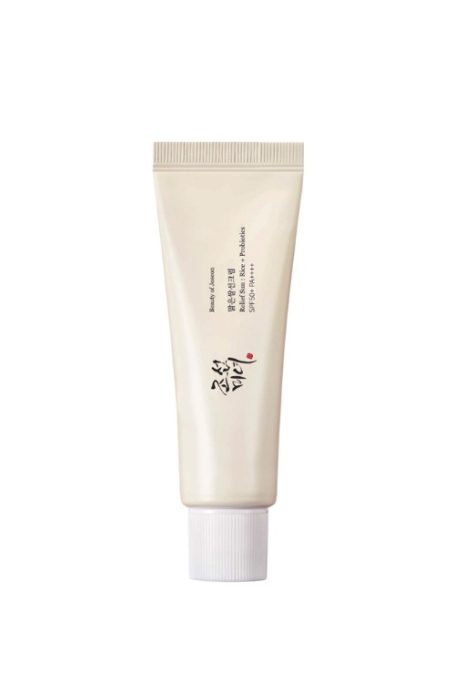
Beauty Of Joseon
Relief Sun Rice + Probiotics SPF50+, £15.50
This, I promise you, is sublime. It goes on beautifully, sits under makeup, protects perfectly and gives a soft-focus finish.
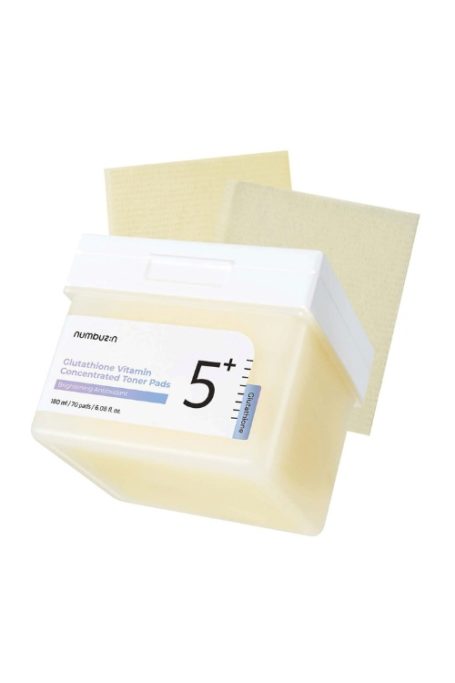
Numbuzin
No.5+ Vitamin-Niacinamide Concentrated Pads, £20
Think of them as mini sheet masks, hyper-hydrating and delivering actives in double-quick time.