



The cadence of the bleep of the self-service scanner. The tone of the voice that tells you there’s an unexpected item in bagging area. The widening of your eyes as you clock the double-digit total of the five items in your basket. Yes, inflation-based anxiety now feels as familiar an emotion as queue-jump rage and dinner indecision. And if there’s a macro leaving more of a dent in your budget than any other, it’s the one that health-conscious women like you have been primed to prioritise.
The cost of UK food and non-alcoholic drinks rose by nearly 40% between 2020 and 2025, according to the Office for National Statistics, with major sources of dietary protein among the items that saw the biggest spikes. And that was before the shock to the global food supply caused by the US-Israel conflict with Iran.
The situation has sent shockwaves around the world, and the crisis has left those who are charged with putting food on the British table concerned. ‘Even in the best-case scenario, the conflict is likely to prolong the timeline for recovery from the cost of living crisis,’ warns Michael Freedman, head of economic and consumer insight at the Institute of Grocery Distribution, adding that a severe energy shock could see food inflation rise to over 8% by June and add more than £150 a year to the average household grocery bill.
But while the experts WH spoke to for this piece confirmed that you’re most likely to feel inflation in animal products such as meat, dairy and eggs – all of which are more exposed to rising feed, energy, labour and regulatory costs than other diet staples – being priced out of some products doesn’t have to mean compromising on nutrition.
‘Many plant protein sources, such as beans and pulses, haven’t risen as sharply in price as animal products have,’ says sports performance nutritionist Kate Neudecker. ‘There are also certain types of meat and dairy that aren’t so expensive. The key is choosing the right animal-and-plant-based quantities and combinations so that you’re shopping within your budget, while still getting the full spectrum of amino acids needed to support muscle growth.’
Here, Neudecker scours the shelves to bring you the best-value protein sources to reach for on your next shop…
The best affordable high-protein foods to buy now
Savany
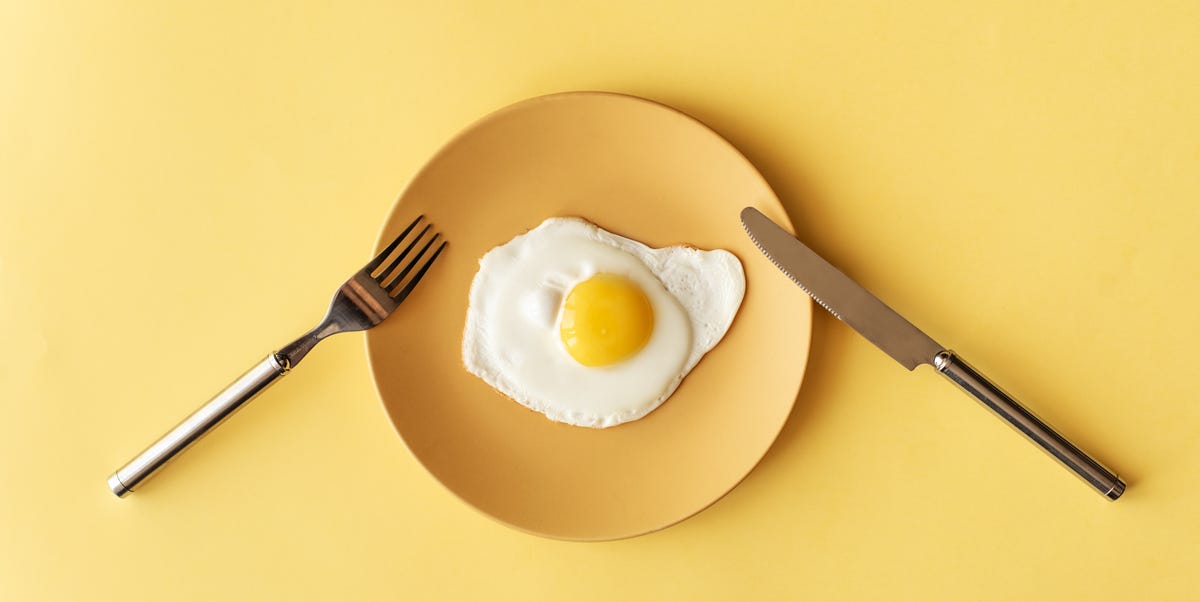
1. Eggs
Approximate cost: 2p to 4p per gram of protein
They might typically be associated with breakfast, but eggs remain a bargain choice for any meal, such as WFH lunches (frittatas and omelettes are great options) and dinners, too. ‘They also have a high leucine content, to support muscle-protein synthesis,’ adds Neudecker.
‘And because eggs provide a full amino acid profile, they’re an easy on-the-go protein, so you don’t have to sacrifice your gains.’

Vladimir Mironov
2. Greek yoghurt
Approximate cost: 3p to 5p per gram of protein
‘Greek yoghurt offers a higher protein density than standard yoghurt as it’s strained,’ says Neudecker, adding that the straining process removes lots of water, lactose and minerals, leaving behind a higher concentration of protein. This fridge staple is also a complete protein, meaning it contains all nine essential amino acids. Neudecker suggests it as a breakfast base, with fruit, or to make curries and stews creamier.

Natalia Samorodskaia
3. Lentils (dry or tinned)
Approximate cost: 1p to 2.5p per gram of protein
‘Lentils are one of the most affordable protein sources going, especially if you’re cooking them from dry,’ notes Neudecker, adding that they also overdeliver on both fibre and iron. She recommends cooking them in curries, daals and stews, or adding them to salads. ‘Like other pulses, lentils aren’t a complete protein on their own, so combine them with grains or dairy to cover your amino acid needs.’

amenic181
4. Chicken thighs and mince
Approximate cost: 2p to 4p per gram of protein
It’s a protein cliché for a reason. ‘Chicken thighs and mince are cheaper than breast meat, but still deliver high-quality protein, so they’re ideal for cutting food costs,’ says Neudecker. ‘As complete proteins, they are also reliable diet staples for supporting muscle gain.’ She notes that thighs are full of flavour, while mince, of course, works well in chillies, bolognese and batch-cooked meals.

Getty Images
5. Milk
Approximate cost: 1.5p to 3p per gram of protein
The lifters of yesteryear were on to something when they popularised the GOMAD diet (a gallon of milk a day). And while we don’t recommend necking it in such huge quantities, milk is ‘one of the cheapest sources of complete protein per gram and provides whey and casein, supporting muscle repair and recovery’, confirms Neudecker. Add it to porridge, blend it into smoothies or drink it on its own after a training session.

Brian Klutch
6. Turkey
Approximate cost: 3p to 5p per gram of protein
Popular among those seeking to manage their body composition, it’s also a solid choice for those in the market for muscle. ‘Use turkey mince as a substitute for beef in burgers, chillies, meatballs or pasta sauces, or add it to wraps and rice bowls,’ suggests Neudecker. While it can be slightly pricier than chicken, she notes, it still offers good value compared with many other meats.

xamtiw
7. Tofu
Approximate cost: 3p to 6p per gram of protein
Cheaper than most meat (it’s much more price-stable) and very versatile, tofu is worth having in the fridge for midweek meals. ‘It’s one of the most affordable plant-based proteins that provides a complete amino acid profile, thanks to its soya base,’ says Neudecker. ‘It absorbs flavour well, especially when fried, baked for meal prep or in stir-fries and curries. It’s a more sustainable option, too.’

Martin Keiler
8. Tinned beans
Approximate cost: 2.5p to 4p per gram of protein
‘Tinned beans are one of the most cost-effective ways to add protein to meals, while also delivering fibre, complex carbs and key minerals,’ observes Neudecker. They last for ages in your cupboard, so you can throw them into batch-cooked soups and stews. ‘They don’t provide a full amino acid profile on their own, but pairing them with grains or dairy across the day easily fills the gaps.’

Oksana Ermak
9. Chickpeas
Approximate cost: 2.5p to 4p per gram of protein
Perhaps more renowned for their fibre content, chickpeas are also a great source of protein – one you can build whole meals around. ‘They’re not a complete protein on their own, but pairing them with grains or yoghurt makes them a solid option for supporting training,’ says Neudecker, who roasts them as a salad topper and blends into hummus to elevate the protein content of other snacks and meals.

Magone
10. Pork loin or pork mince
Approximate cost: 2.5p to 5p per gram of protein
So much more than just Sunday roast fodder, pork’s complete protein status and affordability means it’s a smart option for other days, too. ‘Choose pork loin and mince to cut costs while keeping calorie content low,’ advises Neudecker. She puts pork loin into stir-fries and wraps and uses pork mince for meatballs, burgers or in a bolognese sauce.

zlyka2008
11. Peas (fresh or frozen)
Approximate cost: 2p to 3p per gram of protein
Often overlooked and frequently underrated, peas are an inexpensive and convenient way to increase your protein intake while also adding fibre. ‘Although they aren’t a complete protein, peas work really well alongside protein sources such as eggs, dairy or grains,’ says Neudecker. Stir them into pasta, risotto or fried rice, blend into soups or add to omelettes.

Josep Curto
12. Tinned sardines or mackerel
Approximate cost: 3p to 6p per gram of protein
Tinned fish is now back in vogue. ‘Tinned sardines and mackerel are much cheaper than fresh fish and deliver both high-quality protein and omega-3 fats,’ adds Neudecker, who notes that they are also complete proteins. Toss tinned fish through pasta with olive oil and garlic, or mash them on to toast with lemon and chilli for a fast protein hit.

Azure-Dragon
13. Cottage cheese
Approximate cost: 3p to 5p per gram of protein
There’s a reason this is a regular feature in the dietary advice of nutrition professionals. ‘Cottage cheese is a budget-friendly protein that will bolster your muscle-gain goals,’ says Neudecker, remarking that it’s high in slow-digesting casein, so it’s a useful snack for between meals or before bed. Spread it on toast, stir it into pasta sauces or eat it on its own as a quick snack.
Related Stories