




Grupo Bimbo reported that 98% of its daily consumption products now meet its Positive Nutrition standards, as the company accelerates portfolio reformulation amid growing regulatory and consumer pressure over the nutritional quality of processed foods.
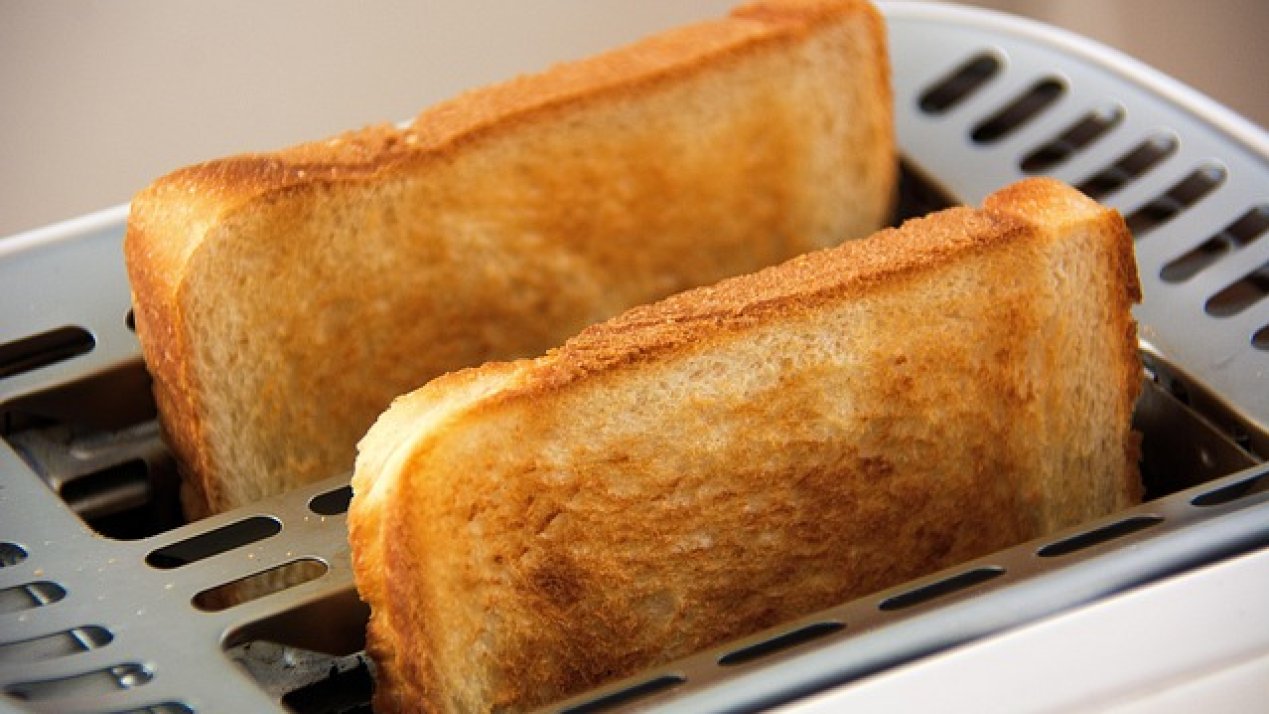
The company said products including bread, pastries, English muffins and savory bagels now offer improved nutritional profiles through higher fiber, protein, whole grain and vitamin content, while reducing sodium, added sugars and saturated and trans fats. Group Bimbo added that 48% of its total net sales already come from products classified as having optimal nutritional quality.
To evaluate nutritional quality, the company uses the Health Star Rating methodology, an official system developed by the governments of Australia and New Zealand that assesses packaged foods on a scale of 0.5 to 5 stars based on their full nutritional profile. Products rated at 3.5 stars or higher are considered to have verifiable optimal nutritional quality.
“Since 2008, we began a process of transforming our recipes with the goal of continuing to offer nutritious and delicious products that respond to the evolving needs, tastes and expectations of our consumers. The results we now see in Positive Nutrition reflect that process of continuous improvement,” said Patricia Villalobos, Director of Global Research and Development, Grupo Bimbo.
The company also reported that 100% of its daily consumption portfolio is free from artificial colorants, while 99% does not contain artificial flavorings. Grupo Bimbo aims for its entire global portfolio to be free from artificial colorants by 2026. The nutrition-related results were included in the company’s Integrated Annual Report, Celebramos lo que nos une (Let’s celebrate what unites us) which outlines sustainability progress through the end of 2025.
Grupo Bimbo was also ranked as the fourth-highest-rated food company globally by the Access to Nutrition Initiative (ATNi), an independent Dutch foundation that evaluates the world’s 30 largest food companies. The company received the highest score in the Accessible Nutrition category, based on criteria including portfolio nutritional quality, governance, marketing practices, labeling and accessibility.
Beyond nutrition, Grupo Bimbo reported sustainability progress across agriculture, renewable energy, transportation and packaging.
The company promoted more than 500,000ha under regenerative agriculture practices for wheat, corn and potato crops across Mexico, the United States, Canada, Brazil, Paraguay, France and the United Kingdom.
Grupo Bimbo also stated that 100% of its electricity consumption, relative to its 2020 baseline, now comes from renewable sources. The company operates more than 4,000 electric vehicles, making it the food company with the largest electric fleet in Latin America.
In packaging, Grupo Bimbo said 99% of its packaging meets recyclability standards, while the company achieved 100% water reuse relative to 2020 levels.
The report also highlighted social impact initiatives. Grupo Bimbo currently operates 270 Buen Vecino (Good neighbor) community projects across 32 countries, benefiting more than 1.7 million people. Moreover, In 2025, more than 164,000 runners participated in the Bimbo Global Race, resulting in the donation of more than 3 million slices of bread to food banks worldwide.
“Since our origins 80 years ago, we have worked every day guided by a very clear philosophy: to build a sustainable, highly productive and fully human company. Today, through our Annual Report, we share the progress that reflects that commitment and the continuous effort to generate a positive impact on people, communities and the planet,” said Alejandra Vázquez, Global Sustainability Director, Grupo Bimbo.