




Reviewed by Dietitian Casey Wing, RD, CD

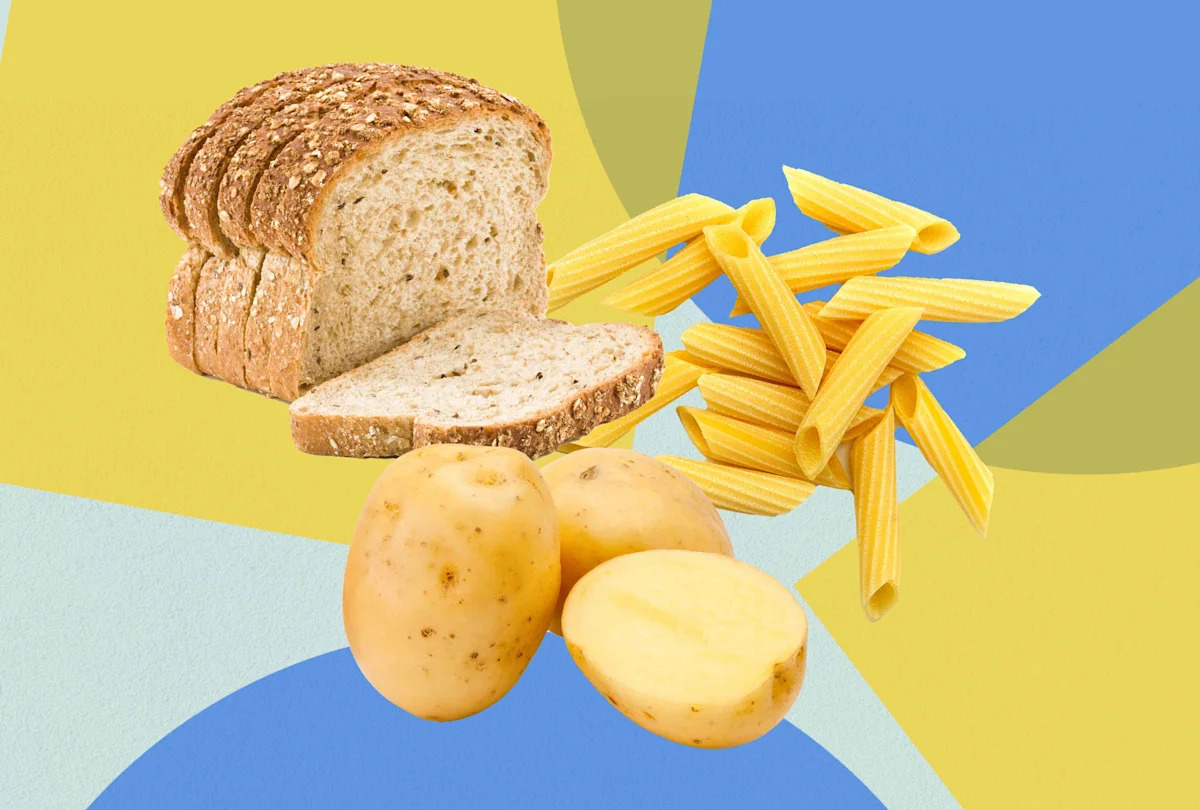
Credit: Getty Images. EatingWell Design.
Key Points
Potatoes, especially with skin, offer soluble fiber and resistant starch to help lower LDL cholesterol.
Whole-grain bread provides fiber and nutrients that support heart health.
Beans are rich in soluble fiber, resistant starch and plant protein, which help manage cholesterol.
If you’ve ever pushed a potato to the side of your plate or taken the bread off your sandwich because you thought it would wreck your health goals, you’re not alone. Carbs have been cast as villains in countless diets, and certain carb-rich foods have taken an especially unfair hit. But when it comes to cholesterol, lumping all carbs into one shunned category could mean you’re missing out on some seriously powerful heart-protective nutrients.
Many of the carb-rich foods we’ve been told to avoid are rich in soluble fiber, resistant starch and other compounds that research shows can actively help lower LDL (“bad”) cholesterol.We asked dietitians to weigh in on which often-avoided carbs actually deserve a starring role in a heart-healthy diet. Their answers might surprise you.
1. Potatoes
Few foods have been as unfairly maligned as the humble potato. Yes, it’s starchy and no, that doesn’t make it bad for you. “Part of the bad rap also comes down to how potatoes are typically prepared and served,” says Samantha Cassetty, M.S., RD. Potato prep certainly matters, as well as the company it keeps. “A plate of french fries is a very different nutritional situation than a baked potato loaded with broccoli and cottage cheese,” Cassetty explains.
A medium potato with the skin on provides about 2 grams of fiber, along with potassium and vitamin C, two nutrients that support cardiovascular health. And here’s a potato benefit that most people don’t realize: Potatoes contain soluble fiber, the kind that dissolves in water and forms a gel-like substance in your small intestine. That gel traps bile acids (which are made from cholesterol) and helps escort them out of your body before they can be reabsorbed, which can help reduce cholesterol absorption while also helping to regulate blood sugar levels.
And potatoes have another cholesterol-lowering strategy up their sleeve. “When you cook and cool a potato (or even cook, cool and reheat it), some of the starch converts to resistant starch, which your small intestine can’t digest. Instead, it travels to the large intestine where it acts as a prebiotic, feeding your beneficial gut bacteria,” says Cassetty. She highlights that since it’s not fully digested, the potato may also have less impact on blood sugar levels.
Sweet potatoes bring their own unique set of cholesterol-friendly nutrients to the table. “These potatoes are rich in the antioxidant beta-carotene, a precursor to vitamin A, which creates the rich orange color and plays a role in immune function, skin health and reducing oxidative stress on the cardiovascular system,” says Cassetty.
Try roasting potato wedges with olive oil and herbs, or make a chilled potato salad dressed with a mustard vinaigrette to maximize the resistant starch benefit and minimize extra calories. You can also bake sweet potatoes whole and stuff them with black beans and avocado for a cholesterol-friendly meal that checks lots of boxes at once.
2. Whole-Grain Bread
Bread seems to be the single most guilt-inducing carb, yet Alexandra Turnbull, RDN, LD, tells us, “Whole-grain bread can actually play a meaningful role in a balanced diet that helps [highlight] other nutrient-dense foods, such as vegetables.” Turnbull looks at bread as a “carrier food”—a whole-grain sandwich can hold lean protein, lettuce and tomato, for example. Since bread is an affordable and accessible way to build a meal, she recommends, “Instead of cutting bread out, think about what you’re pairing with it: add protein, healthy fats, or fruits and vegetables to make it more satisfying and supportive for overall health.”
But not all breads are alike. Whole-grain bread contains all three parts of the grain including the bran, germ and endosperm. That means you get fiber (including soluble fiber), B vitamins, minerals and phytonutrients that refined bread has been stripped of. These nutrients may reduce total cholesterol, LDL cholesterol and triglyceride levels. Because there are so many options when it comes to choosing bread, that aisle of the supermarket may feel overwhelming. Turnbull advises us to look for a bread with “100% whole grain” or “100% whole wheat” as the first ingredient, and aim for at least 2 to 3 grams of fiber per slice. If you see “enriched wheat flour,” or just “wheat flour,” first, that’s refined.
Whole-grain bread can make a decent dent in the recommended 25 to 34 grams of fiber per day, which most Americans fall short of.Toast it with avocado and a squeeze of lemon, use it for an open-face sandwich loaded with lean protein and vegetables, or pair it with a bowl of lentil soup for a fiber-rich meal that supports your cholesterol goals from multiple angles.
3. Beans
Beans might be the most underrated food. They’re packed with soluble fiber, plant-based protein and resistant starch—a trifecta that makes them one of the most effective whole foods for managing cholesterol. A 2021 randomized, controlled crossover study published in The Journal of Nutrition found that adults with elevated LDL cholesterol who ate 1 cup of canned beans daily (rotating through black, navy, pinto and kidney varieties) experienced a significant reduction in both total and LDL cholesterol after just four weeks compared to a white rice control.
“Beans contain potassium, magnesium and antioxidants, which are known to improve cholesterol levels and support overall heart health,” says Chelsey Amer, M.S., RDN. “Beans get fermented by gut bacteria to produce short-chain fatty acids, which help lower overall cholesterol production in the liver.”
Beans are an excellent source of nutrients, but when it comes to cholesterol, what matters just as much is what they’re replacing. As Amer notes, beans offer plant-based protein that can take the place of proteins higher in saturated fat in your diet, and lowering saturated fat intake can help reduce cholesterol, too.
So if they’re so important, what keep us from eating more beans? “Beans can be difficult to digest for some individuals, but this is typically short-lived for a couple of weeks max when adding beans to your diet. Plus, many people don’t know how to prepare beans, making it challenging to eat them regularly,” Amer explains.
Yet beans are one of the easiest foods to prepare. Canned beans are already cooked. Just rinse and drain them to reduce the amount of the sodium, then toss them into pasta sauce, salads, soups or whatever you’re already making.Whether it’s a main dish (think chili) or snack (like hummus), beans can be an easy add-on to your day.
4. High-Protein Pasta
The newer wave of legume-based pastas made from lentil, chickpea or black bean flour go beyond being “better-for-you” swaps because they’re concentrated sources of the same soluble fiber and plant protein that makes whole beans such a powerhouse for cholesterol management, in a form that looks and cooks like the penne or rotini you’re already familiar with. And because these pastas are made from ground legumes, you’re also getting the resistant starch and phytonutrient benefits that come with the whole bean.
A 2-ounce serving of chickpea pasta, for example, can deliver around 14 grams of protein and 8 grams of fiber, compared to roughly 7 grams of protein and 2 grams of fiber in the same amount of traditional semolina pasta. However, Amer points out, “It’s much easier to eat a larger portion of legume-based pasta (it is pasta, after all!) than whole beans, which is important to keep in mind for overall energy balance.”
“These pastas became popular years ago as a gluten-free alternative, and some are even grain-free, which was a popular trend when the paleo diet was thriving, but they’re also a great way to add more plant-based protein to your diet,” Amer says. With the recent surge in GLP-1 medication use, “high protein” claims on food labels have soared, and that includes legume-based pastas.
A few tips to make the switch seamless: Cook legume-based pasta just until al dente (it can get mushy faster than wheat pasta) and toss it with a good olive oil–based sauce and plenty of vegetables. If you want to proceed slowly, you might want to try mixing half regular pasta with half legume pasta to boost fiber and protein content without changing the texture or flavor dramatically.
Other Tips for Managing Cholesterol
Beyond adding these carb-rich foods to your plate, here are additional strategies that can help support healthy cholesterol levels:
Focus on healthy fats. Replace saturated fats from full-fat dairy, fatty meats and tropical oils with unsaturated fats from olive oil, nuts, avocados and fatty fish. This swap can help lower LDL while supporting HDL (“good”) cholesterol.
Eat more omega-3-rich seafood. Salmon, sardines, mackerel and trout provide omega-3 fatty acids, which are consistently associated with a lower risk for cardiovascular disease. Aim for at least two servings per week.
Move your body regularly. Consistent physical activity (even 30 minutes of brisk walking most days) may help raise HDL cholesterol and improve your overall lipid profile.
Limit added sugars and refined carbs. While the seemingly “bad” carbs on this list are actually good for you, the truly problematic carbs are the ultra-refined ones: sugary drinks, packaged sweets, pastries and high-fat snack foods. These can raise triglycerides and contribute to an unfavorable cholesterol pattern.
Don’t underestimate the power of plant sterols. Found naturally in nuts, seeds, vegetable oils and some fortified foods, plant sterols can block the absorption of cholesterol in the gut and may lower LDL levels when consumed in adequate amounts.
Talk to your health care provider. Diet is one piece of the puzzle. If your cholesterol remains elevated despite lifestyle changes, medication may be warranted. Don’t consider medication to be a failure. It might be a powerful assistant to your diet efforts.
Our Expert Take
Carbs aren’t the enemy, and when it comes to cholesterol, certain carb-rich foods are actually among the most effective tools in your dietary toolkit. Potatoes, whole-grain breads, beans and legume-based pastas all provide nutrients like soluble fiber, resistant starch and antioxidant compounds that research shows can help lower LDL cholesterol and support heart health. The key is choosing whole, minimally processed versions of these foods, preparing them in heart-healthy ways (roasting, baking, boiling and air-frying rather than deep-frying) and making them a consistent part of your eating pattern. Instead of fearing carbs, choose the ones that work for you and enjoy them knowing they’re doing your heart a favor.
Read the original article on EatingWell