




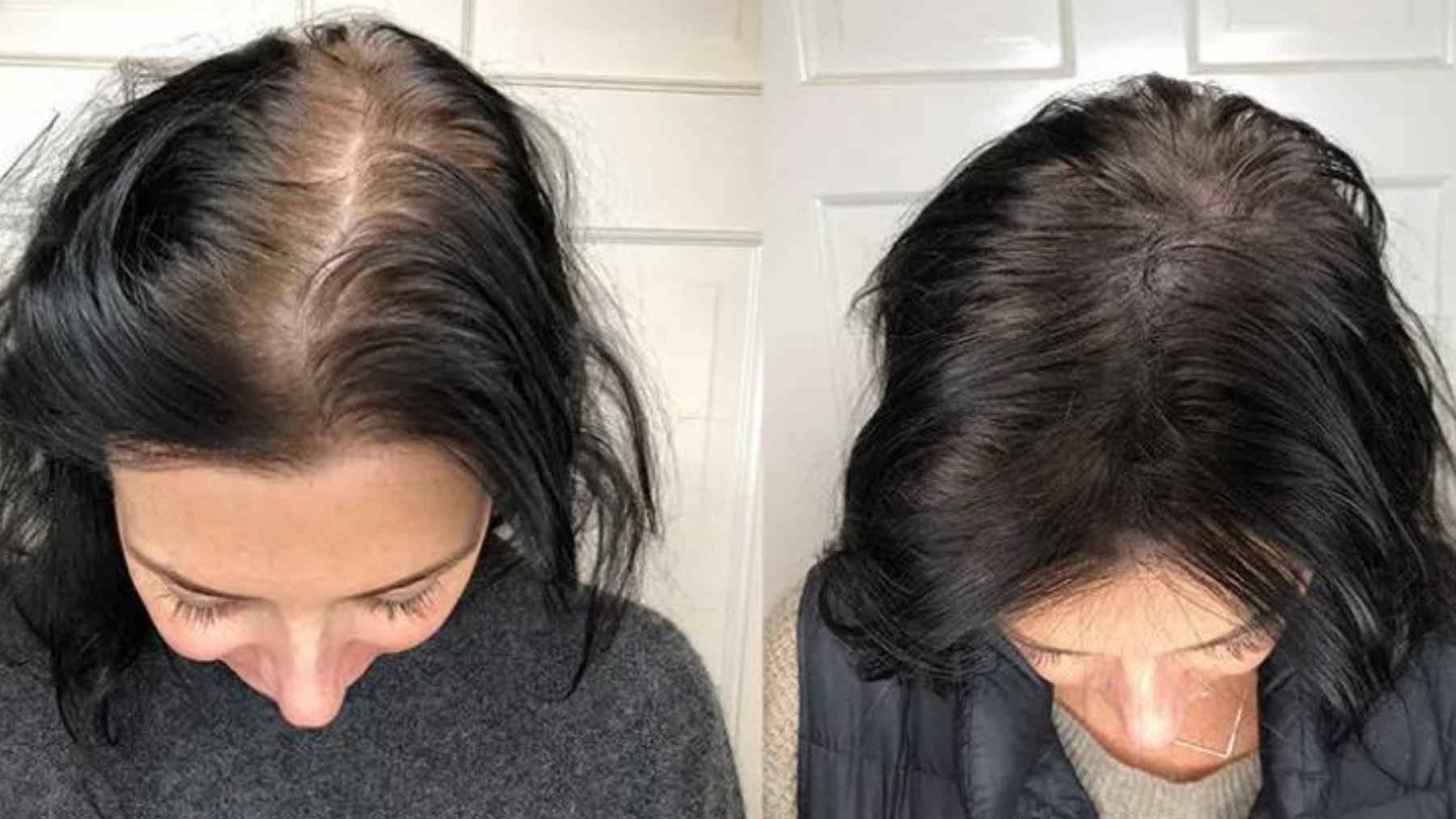
Gray hair has a way of showing up at the worst possible time, often right before a family photo, a first date, or a busy week when a salon visit is the last thing on the calendar. That is why a simple coffee rinse, made with strong brewed coffee and a bit of conditioner, is getting so much attention as a low-cost way to soften the look of silver strands.
The catch matters. Coffee may temporarily tint gray hair and add shine for some people, but the evidence does not show that it restores melanin or reverses gray hair at the follicle. In practical terms, it is a cosmetic stain, not a cure for the biological process behind graying.
Why hair turns gray
Hair color comes from melanin, the pigment produced by melanocytes in the hair follicle. As graying develops, pigment loss is linked with reduced melanin content and fewer active pigment-producing cells in the hair bulb, according to a 2026 dermatology review.
Genetics plays a major role, but researchers also associate premature graying with oxidative stress, ultraviolet radiation, smoking, nutritional factors and emotional stress. That does not mean one bad week turns a head of hair silver. For the most part, gray hair builds slowly, strand by strand, as the pigment system loses strength.
What coffee can really do
Coffee is rich in natural brown pigments formed during roasting, including melanoidins, which may explain why a concentrated rinse can leave a warmer tone on light or gray strands. A systematic scoping review of coffee in personal care products noted that natural organic colorants can be less persistent than conventional dye, which is important for anyone expecting salon-level coverage.
In a small pre-pilot study, researchers tested a concentrated instant coffee solution on two adults over seven months. The result was not a uniform dark brown finish, but a darker overall impression, with partial coverage and a more “nuanced” look.
That finding is useful because it keeps the trend grounded. Coffee may make gray hair look less stark, especially on brown or dark blond hair, but it is unlikely to hide every white strand. After a few washes, the effect can fade.
The simple recipe
The home method usually starts with one cup of very strong brewed coffee, cooled to room temperature. Many people mix it with two tablespoons of conditioner or rinse-out cream so it spreads more easily through dry hair.
Apply the mixture from roots to ends, paying special attention to the areas where gray strands are most visible. Leave it on for 20 to 30 minutes, then rinse with cool water. The cool rinse may help the hair feel smoother, even if it does not lock in color the way a professional dye system would.
Two or three weekly applications may gradually deepen the cosmetic effect, but more is not always better. Coffee can feel drying on some hair types, especially curly, bleached, or already fragile hair, so softness after rinsing matters as much as color.
A natural option, not magic
Calling coffee a “chemical-free” dye sounds appealing, but it is not quite accurate. Coffee contains natural compounds, and conditioner also contains ingredients that do real work on the hair fiber. The more precise claim is that this method avoids many synthetic permanent dye ingredients.
Also, there is no good evidence that putting coffee on hair can rebuild melanin inside the follicle. Researchers still describe graying as a complex biological process, with limited evidence-based options for truly changing it once a strand grows in without pigment.
So, what is the realistic benefit? Shine, softness, and a temporary darker cast. That may be enough for someone who wants a gentler-looking refresh before work, dinner, or the school run without committing to a permanent color appointment.
Who should be careful
A kitchen remedy can still irritate skin, especially when it sits on the scalp. Anyone with eczema, psoriasis, scalp wounds, recent bleaching, or a history of product reactions should be cautious and consider checking with a dermatologist first.
The FDA warns that some hair dyes can cause allergic reactions and sensitization, and it recommends a skin test before using dye products. Even though coffee is not a standard commercial dye, the same common-sense rule applies. Test a small amount behind the ear or inside the elbow, and avoid applying it to irritated, sunburned, or damaged skin.
Do not use the mixture on eyebrows or eyelashes. That area is too close to the eyes, and even ordinary hair dye rules draw a hard line there. Simple is good. Risky is not.
How it compares with regular dye
Permanent dyes are designed to change the hair fiber more deeply and last longer. That is why they can cover gray hair more consistently, but it is also why people worry about scalp irritation, dryness, and repeated exposure.
Coffee sits on the gentler, less permanent end of the beauty shelf. It may suit someone with a few scattered grays, especially if their hair is already brown, but it will not create a dramatic color shift on white, silver, or very dark hair. If the goal is full coverage for weeks, a salon formula or a tested commercial product will usually be more predictable.
At the end of the day, the coffee trick is less about ending gray hair and more about managing the way it looks. That distinction is small, but for readers trying to make a safe choice, it changes everything.
What to remember
The smartest way to approach this trend is with realistic expectations. Brewed coffee can act like a mild temporary tint, and it may leave hair looking glossier, but it does not turn back the clock on melanocytes or guarantee full gray coverage.
For anyone who enjoys a low-cost beauty experiment, the method is simple and generally easy to try. Just keep the claims modest, watch your scalp, and remember that gray hair is not a failure to fix. Sometimes it only needs a little blending.