




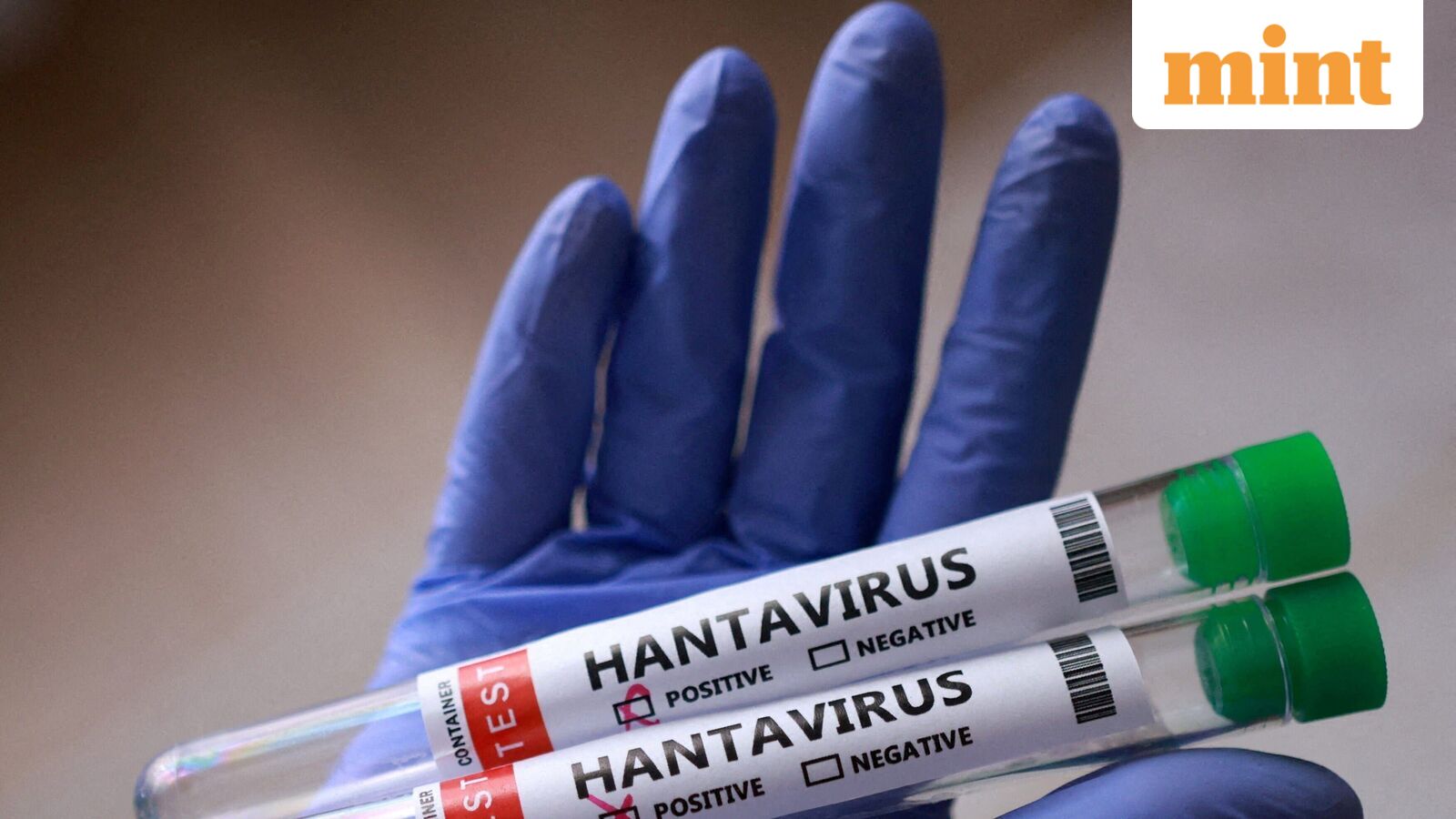
The outbreak of Hantavirus on the cruise ship ‘MV Hondius’ triggered panic across the world. The outbreak led to the death of three people.
Meanwhile, the World Health Organisation (WHO) said on May 15 that 10 cases of hantavirus had been reported to date. Eight people were laboratory-confirmed for Andes virus infection, it added.
The WHO said the risk of the hantavirus outbreak on the cruise “to the global population is low,” and even ruled out the possibility of it becoming “COVID 2.0.”
Also Read | Here’s what science tells us about the risks of hantavirus
Amid the hantavirus outbreak on MV Hondius, several questions were asked, including its long-term impact and transmission through sex.
Here’s what a study revealed in this regard in 2023:
Scientists studying the long-term impact of the Hantavirus viral load detected traces of Andes virus RNA in semen samples even 2188 days (nearly 6 years) post-infection.
The study presents the follow-up of a male patient who recovered from hantavirus cardiopulmonary syndrome (HCPS) six years ago. “When infecting humans, Andes orthohantavirus (ANDV) may cause a severe disease” called HCPS, the study explains.
Also Read | Hantavirus explained: How it spreads, key symptoms and pandemic risk
The 2023 research titled, ‘Presence and Persistence of Andes Virus RNA in Human Semen’, stated that the viral RNA was detectable in the blood, urine, respiratory and semen sample during the acute phase of disease.
It revealed that “viral RNA was undetectable in the urine, respiratory samples, and blood samples 15, 54, and 172 days after the onset of symptoms. RNA remains detectable until the present time (2188 days post infection) in semen samples.”
Also Read | Hantavirus explained: How it spreads, key symptoms and pandemic riskThe impact
The presence of hantavirus RNA in semen could mean a long-lasting, strong neutralising antibody response.
“Taken together, our results show that ANDV has the potential for sexual transmission,” the study adds.
What is ANDV of Andes Virus?
As per the study, Andes orthohantavirus (ANDV) may cause a severe disease called hantavirus cardiopulmonary syndrome (HCPS). It is endemic in Chile and Argentina, the 2023 study stated.
The primary source of ANDV is the long-tailed pygmy rice rat, it says, adding that transmission to humans occurs primarily via the inhalation of virus-containing aerosols from rodent excretions such as urine, feces and saliva.
Person-to-person transmission of hantavirus infection is very rare. So far, ANDV is the only hantavirus for which person-to-person transmission has been documented, the study says.
Also Read | Hantavirus explained: How deadly or contagious is it? Should you be worried?Can hantavirus be transmitted through sex?
The study claims that being a sex partner of, or sleeping in the same room as, a patient and exposure to body fluids from a patient are risk factors for secondary infections.
Even after full recovery from ANDV HCPS, scientists believe the virus persists at low levels in the body. But this does not mean that the virus remains contagious.
“Although transmission via sexual contact has not been documented, high viral loads and extensive contact among people may contribute to a higher likelihood of transmission,” the study said.
Also Read | Hantavirus-Hit Cruise Ship Begins Evacuation in Canary Islands
Meanwhile, David Safronetz, chief of special pathogens at the Public Health Agency of Canada, said is difficult to say conclusively if the presence of the virus in semen hints at the possibility that it may be capable of sexual transmission, Scientific American reported.
Steven Bradfute, an immunologist at the University of New Mexico, said many viruses can persist in semen for years and whether the pathogen remains infectious can vary from virus to virus.
The study highlighted that its limitation is the small sample size. “It remains to be determined whether persistence occurs in a larger population of long-term Andes virus disease survivors,” it stated.
Powerful immune defence, life-long protection
The study showed that even six years, the patient had extremely high levels of antibodies — the body’s specialised “soldiers” that block viruses
Researchers believed that the small amount of virus present in the body years after the infection might have kept the subject’s immune system constantly “reminded” and on high alert.
“We detected high neutralising titers in the blood 6 years after the onset of the disease, implying a long-lasting immune response,” the study read.
Also Read | 6 confirmed Hantavirus cases tied to cruise; Trump says situation ‘seems okay’
It adds, “Repeated symptomatic infection with hantaviruses have not been observed, suggesting life-long protection.”
The study further clarifies that its finding of very “high nAb titers does not seem to be an exceptional case, as it has been reported previously.”
However, “further studies addressing the persistence of ANDV will be needed to confirm this hypothesis.”