




100
For decades, the global beauty industry operated under a rigid, top-down formula. “Luxury” was defined by exclusivity, high price tags, and the “velvet rope” of department store counters. The prevailing assumption was that a higher price point served as a direct guarantee of a superior product. However, as we move through 2026, that mindset is undergoing a seismic shift. Driven by rising living costs, increased price transparency, and sophisticated shopping habits, modern consumers are no longer accepting the traditional “prestige markup.” Instead, they are prioritizing performance and utility over the psychological lure of a luxury logo.
This shift is not merely a change in consumer sentiment; it is a massive economic movement. Data from the global dupes beauty products market highlights this transition. The sector was valued at approximately $4.1 billion in 2025 and is estimated to reach $4.6 billion by the end of 2026, tracking a compound annual growth rate (CAGR) of 12.4%. By 2036, the market is projected to reach $14.8 billion. This growth is fueled by a global preference for high-performance, value-engineered alternatives that mirror the aesthetic and sensory experience of high-end brands at a fraction of the cost.
The Emergence of the “Frustration Gap”
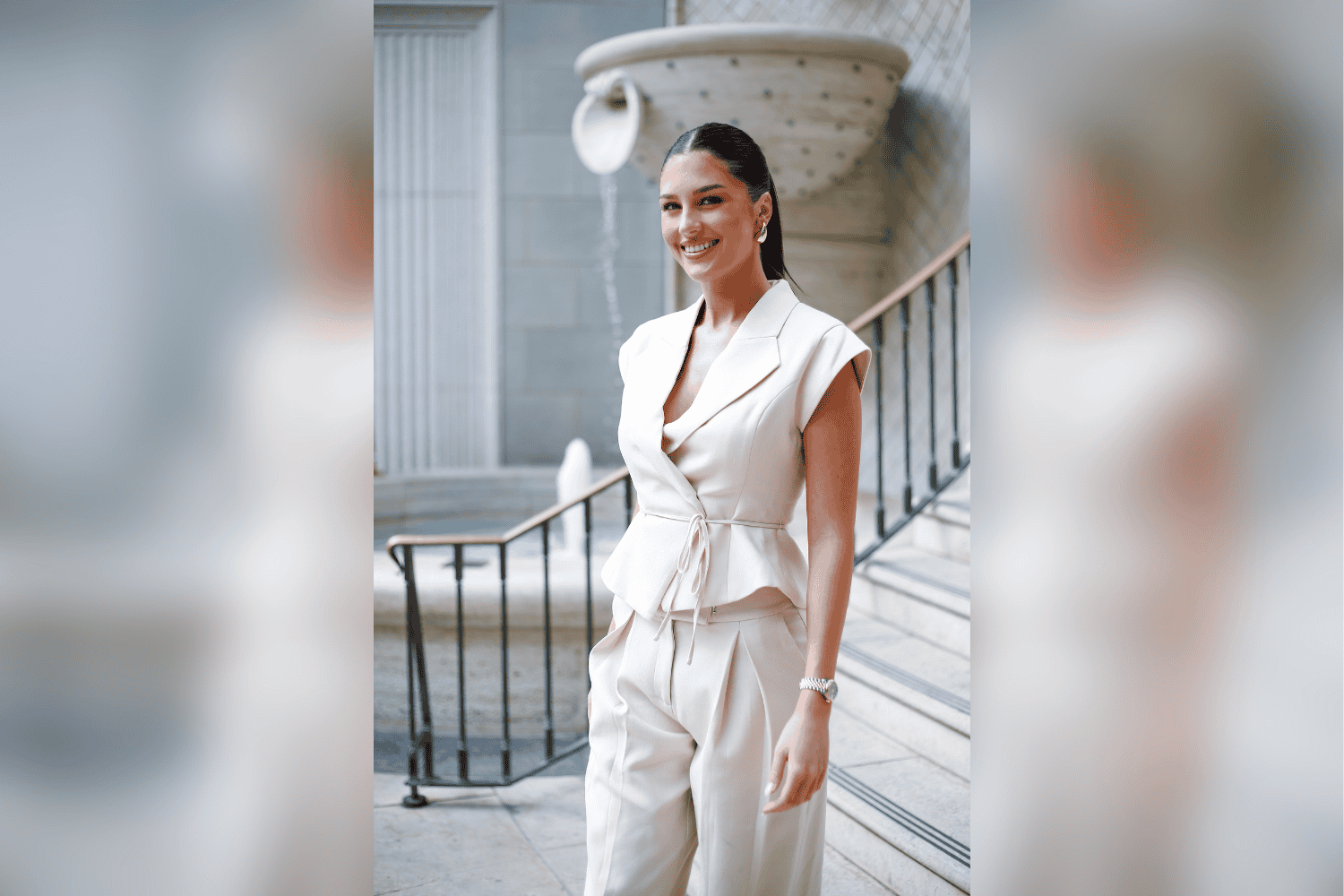
Among brands responding to this industry evolution is Chloe Hardy, the founder and CEO of Dupes & Co. Her entry into the market was not the result of a traditional corporate career path, but rather a response to a specific logistical frustration. After purchasing a high-end fragrance for nearly $900, she was forced to discard it at airport security due to carry-on liquid limits. This experience highlighted a fundamental disconnect in the luxury market: the extreme cost of these items often makes them too “precious” for daily use or travel, despite their high utility as personal care products.
This realization led to the identification of what industry analysts call a “frustration gap,” a space where consumers feel underserved by existing market options. In the fragrance sector, this gap was particularly wide. While the global fragrance ingredients market was valued at $18.28 billion in 2025, many affordable alternatives were sold in small, travel-sized volumes that lacked the longevity or sophistication of high-end scents. By developing a brand that utilized high-quality eau de parfum concentrations in larger volumes, Chloe Hardy showed how improving the customer experience within an existing category can create room for new entrants.
The Fragrance Industry as a Strategic Anchor
Fragrance remains one of the most emotional and expensive segments of the beauty category. It is a sector defined by identity and memory, yet it has traditionally maintained high barriers to entry. The U.S. market, in particular, is characterized by a strong demand for quality, safety, and traceability. As consumers shift toward clean-label and sustainable ingredients, the opportunity for agile, digital-first brands has expanded.
The growth of value-focused fragrance brands suggests that many consumers increasingly view luxury in terms of performance and experience rather than price alone. If a scent delivers confidence and lasts throughout the day, consumers may see it as a premium experience regardless of retail price. This shift indicates that purchasing decisions are becoming more tied to perceived value than status signaling.
The Bottom Line: A Guide to Affordable Luxury

(Courtesy)
The success of this model suggests that market disruption doesn’t require reinventing the wheel, but rather addressing specific “frustration gaps.” Hardy didn’t need a scientific breakthrough to find her footing; she simply noticed that affordable fragrances were sold in tiny, unsatisfying bottles with little staying power. By addressing that specific annoyance and offering a more generous value proposition, the brand illustrates how overlooked consumer frustrations can become business opportunities.
This also reflects a broader shift in how some shoppers define premium products. While higher prices can still signal quality, growing interest in value-driven alternatives shows that consumers are increasingly willing to judge products on results rather than branding alone.
The New Power Dynamic
Dupes & Co. reflects a broader shift in the beauty industry, where consumers are playing a more active role in shaping market demand. As shoppers become increasingly confident in comparing ingredients, reviews, and price-to-performance ratios, established prestige brands are facing growing pressure to justify premium pricing beyond branding alone. Greater transparency has also helped create a more competitive landscape where consumers have access to more information, more alternatives, and higher expectations.
One of the clearest takeaways from this movement is that shoppers no longer feel they must choose between personal style and financial practicality. As the market continues to evolve, accessibility, performance, and value are becoming more central to how many consumers define luxury. Whether selecting a signature scent or launching a new business, the same principle is emerging across categories: prestige is no longer determined solely by price, but by the quality and value delivered.
In partnership with APG