


HELENA — The state of Montana has gotten approval from the federal government to stop people who are receiving Supplemental Nutrition Assistance Program (SNAP) food benefits from using that money to buy soda or certain high-sugar processed foods.
“The people that rely on food stamps are now going to get higher-nutrition food,” Gianforte told MTN Tuesday. “What that means is, there’s a direct correlation between high-sugar-content foods and cardiovascular disease and obesity, so these people on food stamps are going to be healthier.”
(WATCH: Montana to ban certain sugary foods from SNAP benefits)
Montana will ban certain sugary foods from SNAP benefits
In March, Gianforte’s administration announced it was asking the U.S. Department of Agriculture for a waiver to allow the state to restrict SNAP from being used on high-sugar beverages, candy and packaged desserts. On Tuesday, the department approved the request.
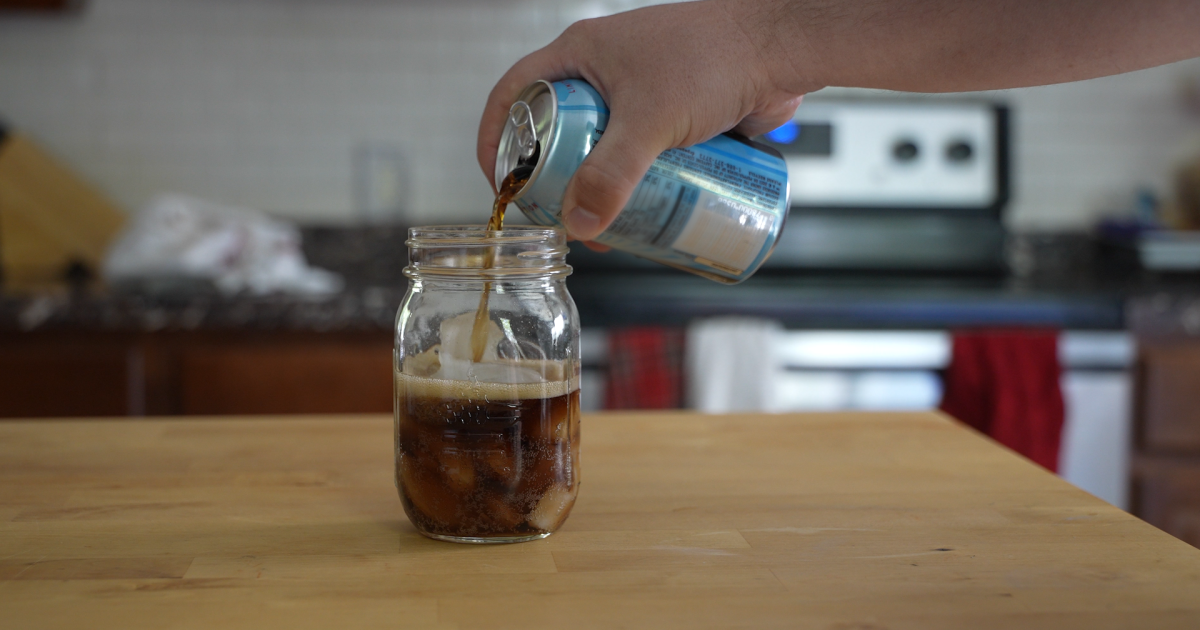
State leaders say the waiver is intended to direct SNAP recipients to more nutrient-dense food options. It restricts them from using benefits to buy beverages with more than 10 grams of sugar per 8 fluid ounces, but it exempts milk and drinks with more than 50% fruit juice. Energy drinks are included in the restrictions, but coffee and tea are not. Recipients won’t be able to buy processed sweets, but protein bars and store-baked goods will be allowed.
“We tried to draw pretty bright lines, and DPHHS is doing a great job of getting the information out to the retailers to know what’s included and what’s not included,” said Gianforte.
Gianforte told MTN the changes will be implemented later this year, but did not announce a specific date.
The federal government spends $99.8 billion per year on SNAP nationwide, and Montana sees an average of $12.8 million in SNAP benefits spent per month.
The state pointed to a USDA report estimating 20% of SNAP spending is on unhealthy food and drink, and Gianforte said he expects that number is similar in Montana.
Montana joins 22 other states across the country now implementing this type of restriction. State leaders argue these products contribute to obesity, diabetes and other health issues – and therefore to higher costs for Medicaid and for the public health system in general.
Opponents of these restrictions have said they stigmatize low-income families, that they’re based on stereotypes about SNAP recipients misusing their benefits, and that SNAP recipients may be buying these foods not out of choice but because they’re less expensive or easier to get in the areas where they live.
“Montanans can buy any food products they want; we just don’t think taxpayer dollars should be used for energy drinks, candy and prepared desserts,” Gianforte said.
During last year’s Montana legislative session, lawmakers considered two bills that would have directed the administration to seek this type of waiver. One, Senate Bill 354 from Sen. Daniel Zolnikov, R-Billings, passed through the Senate but died in the House.
EDITOR’S NOTE: This story has been updated to include additional data and a link to the state’s full waiver documentation.