




According to market research firm Spherical Insights and Consulting, which has been working in the beauty, personal care, and cosmetic wellness industry for the last 10 years, their market study predicts the Hair Growth Serum market size to be worth around USD 4.82 billion in 2025 and is projected to grow to around USD 9.73 billion by 2035, at a CAGR of 7% annual growth year by year.
Increasing exposure to hard water, pollution, heat styling tools, and stressful urban lifestyles is significantly boosting demand for restorative and protective hair growth serums globally.
Consumers are increasingly preferring non-greasy, lightweight, and leave-in serum formulations that provide both cosmetic shine enhancement and long-term scalp nourishment benefits.
The rise of dermatologist-recommended and clinically tested hair serums is reshaping purchasing behavior, especially among consumers facing hair thinning and early-stage hair loss concerns.
E-commerce platforms and social media beauty influencers are accelerating the popularity of DIY scalp-care routines and ingredient-focused hair wellness products, particularly among Gen Z and millennial consumers.
Manufacturers are introducing advanced formulations featuring biotin, caffeine, rosemary oil, peptides, keratin, and plant stem cells to differentiate products in the increasingly competitive premium haircare market.
Serum That Regrows Hair: Scientists develop plant-based serum that regrows hair within weeks
A new experimental hair-loss treatment has drawn global attention after researchers reported encouraging early results from a plant-based scalp serum. Scientists in Taipei, led by Dr Tsong Min Chang of Schweitzer Biotech Company, found that volunteers using the formula for eight weeks showed measurable improvements in hair density and thickness compared with a placebo group. The serum combines plant-derived compounds from Centella asiatica with ingredients already used in cosmetic and scalp-care products. While the findings are still preliminary and require larger independent trials, the study has raised interest because many current hair-loss treatments can take months to show results and do not work equally well for every user. If future studies confirm its effectiveness, this plant-based approach could offer a faster and more accessible alternative for individuals seeking safer hair-loss solutions. This promising experiment suggests a shift toward more natural, efficient therapeutic options for those navigating the challenges of hair thinning today. Further rigorous validation remains necessary to ensure long-term safety and efficacy for widespread clinical adoption.
Ready to lead the hair growth serum industry?
Discover the regional trends and growth factors shaping the industry. We’re here to assist with expert, personalized data.
Call +1 303 800 4326 or Send us a message for a personalized consultation.
The plant-based serum that shows hair regrowth
The research involved 60 adults aged between 18 and 60 who took part in a randomised, double-blind, placebo-controlled trial. Participants applied 1 millilitre of the serum to the scalp each night for 56 days.
Researchers tracked changes in hair density, thickness, length and shedding at regular intervals using standardised imaging tools. Researchers monitored changes in hair density, strand thickness, growth length and daily shedding using high-resolution imaging and standardised measurement techniques. By the end of the eight-week period, participants using the most advanced formulation showed consistent improvements across multiple indicators, suggesting the serum may be associated with changes in follicle activity and scalp health within a relatively short timeframe. By the end of the study, the group using the most advanced formula showed the strongest improvements, suggesting the treatment had measurable biological effects over a short period.Randomised, double-blind trials are considered the gold standard in clinical research because they reduce bias and improve reliability of results. However, early-phase trials like this are primarily designed to assess trends rather than confirm definitive effectiveness.The product used a multi-ingredient formula designed to support scalp and follicle health. It contained plant-derived extracellular vesicles from Centella asiatica, along with caffeine and panthenol, both common ingredients in cosmetic products.The formula also included Fibroblast Growth Factor 7 (FGF-7) and Insulin-like Growth Factor 1 (IGF-1), two biological signals linked to follicle function and hair growth. Researchers believed the combined ingredients might help stimulate follicles and improve the scalp environment.Centella asiatica, sometimes known as gotu kola, is a tropical plant widely used in traditional medicine and skincare products.It has attracted scientific interest for its possible anti-inflammatory properties, wound-healing effects and support for tissue repair. In this study, scientists focused on microscopic vesicles derived from the plant, which may carry cell signals useful for scalp health and follicle activity.Plant-derived extracellular vesicles are an emerging area of research, as they may help deliver bioactive molecules into human cells without the risks associated with synthetic delivery systems.
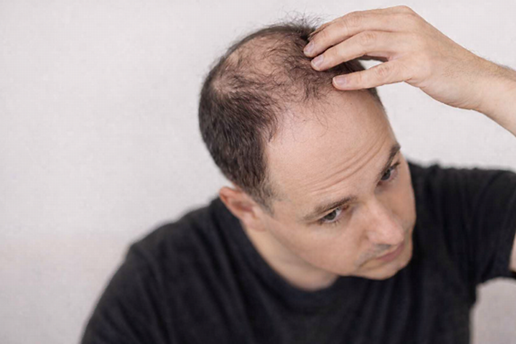
Reported improvements in eight weeks
According to the study authors, participants using the full combination formula recorded close to a 25 per cent improvement in key hair-growth measurements compared with placebo.Researchers also observed that results improved as more active ingredients were added to the formula. This suggested that the treatment may work best when the components are combined rather than used separately.Hair loss affects millions of men and women worldwide and can have a significant emotional impact. Common treatments such as Minoxidil and Finasteride can be effective for some people, but they often require patience and continued long-term use.A topical formula showing measurable progress in under two months is therefore likely to generate strong interest among both consumers and researchers.
Limitations to note
Despite the promising results, the study has several limitations. It involved only 60 participants, making it relatively small by medical research standards.The trial also lasted just eight weeks, which is short when compared with natural hair-growth cycles that often take several months. In addition, the study was linked to those involved in developing the product, meaning independent replication will be important before stronger conclusions can be drawn.
What experts want next
Researchers are likely to call for larger trials involving people with diagnosed pattern hair loss rather than healthy volunteers alone.Future studies would also benefit from direct comparisons with established treatments such as Minoxidil and Finasteride. Longer follow-up periods will be needed to determine whether gains can be maintained after continued use.Safety monitoring will also be essential, especially when formulas contain biologically active growth signals.
Where this leaves people with hair loss
For now, established therapies remain the main evidence-based options recommended by many clinicians. However, the new plant-based serum represents an intriguing direction in hair-loss science.If future trials confirm the early findings, it could eventually provide another topical option for people seeking help with thinning hair.The serum should not yet be viewed as a miracle cure. However, the early data suggest researchers may be moving closer to faster and potentially more effective plant-based treatments for hair loss.For millions of people affected by thinning hair, that alone makes the study worth watching.
Achieve Fuller and Healthier Hair with These Popular Growth Serums
Hair growth serums are rapidly becoming one of the most in-demand categories in the global beauty and personal care industry. Consumers facing hair thinning, excessive shedding, scalp irritation, hormonal imbalance, and stress-related hair concerns are increasingly turning toward targeted scalp-care treatments that support stronger and healthier-looking hair. Unlike traditional rinse-off shampoos, modern hair growth serums are designed to remain on the scalp for longer durations, allowing active ingredients to nourish follicles and improve scalp condition over time.
According to insights published by Shape, modern hair growth serums are gaining popularity due to their ability to combine science-backed ingredients with lightweight and easy-to-use formulations. Dermatologists and hair experts increasingly recommend scalp-focused treatments as part of preventive beauty and long-term hair wellness routines.
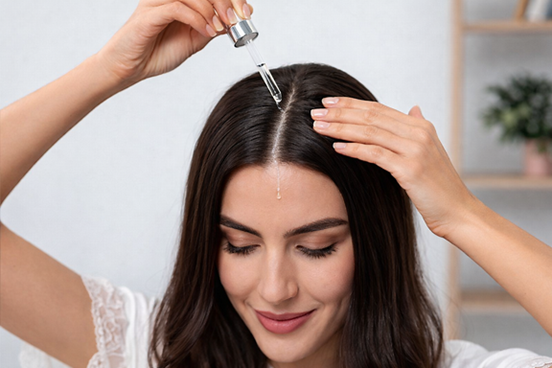
Top Picks Driving the Hair Growth Serum Trend
Stem Cell and Scalp Repair Serums
Hair serums containing apple stem cells, aloe vera, and hyaluronic acid are becoming popular for improving scalp hydration and revitalizing weakened follicles. These formulations focus on reducing scalp dryness while creating a healthier environment for hair growth.
Rosemary and Botanical-Based Growth Solutions
Rosemary oil, caffeine, ginseng, castor oil, and peppermint extracts are emerging as leading natural ingredients in haircare innovation. Consumers are increasingly preferring plant-based serums that support circulation, reduce shedding, and strengthen hair naturally.
Minoxidil-Based Hair Regrowth Treatments
Minoxidil continues to remain one of the most recognized clinically approved ingredients for hair regrowth. Lightweight foam and serum-based formulations are helping consumers address visible thinning while maintaining convenient daily application routines.
Peptide and Protein-Enriched Hair Density Serums
Peptide-based formulas are gaining strong market traction for supporting scalp health and improving hair density. These advanced formulations target weakened follicles and help consumers achieve fuller-looking hair with continued use.
Lightweight Leave-In Serums for Daily Use
Modern consumers increasingly prefer non-greasy and fast-absorbing hair serums that fit easily into everyday routines. Lightweight formulations designed for overnight or daytime application are becoming especially popular among younger consumers.
Growing Consumer Shift Toward Scalp Wellness
The global haircare industry is witnessing a major shift from cosmetic-only products toward scalp-focused wellness solutions. Consumers are becoming more ingredient-conscious and are actively searching for products containing biotin, ceramides, botanical extracts, antioxidants, and dermatologist-recommended active ingredients. Social media beauty trends, influencer recommendations, and personalized wellness routines are also accelerating awareness around scalp health and preventive haircare.
Experts further highlight that consistent application remains essential for visible improvements in hair density and thickness. Healthy nutrition, stress management, scalp hygiene, and supportive haircare routines are increasingly being viewed as important complementary factors alongside topical treatments.
As preventive beauty and personalized wellness continue shaping the future of the beauty industry, hair growth serums are expected to remain one of the fastest-growing and most innovative segments within premium haircare markets worldwide.
Serum Promotes Hair Growth by Mimicking the Effects Of Skin Irritation
Hair growth serums are gaining increasing attention in the global beauty and personal care industry as brands continue exploring innovative methods to stimulate hair follicles and improve scalp health. One emerging approach involves formulations designed to mimic mild scalp stimulation or controlled skin irritation responses, which may help activate dormant follicles and encourage healthier hair growth cycles.
According to industry observations, certain active ingredients used in advanced hair serums work by increasing scalp microcirculation and triggering biological responses similar to the skin’s natural healing process. This controlled stimulation can encourage follicles to enter the active growth phase, helping improve hair density, thickness, and scalp vitality over time. Consumers experiencing stress-related shedding, hormonal thinning, and weakened hair roots are increasingly seeking these targeted treatment solutions.
Growing Role of Scalp Microcirculation
Modern hair growth serums increasingly focus on improving blood circulation around the scalp area. Enhanced circulation helps transport oxygen and nutrients to hair follicles, supporting stronger and healthier hair development. Ingredients such as caffeine, rosemary extract, peppermint oil, and niacinamide are commonly used to encourage this stimulation effect.
Mild Tingling Sensations Becoming a Consumer Trend
Many consumers now associate gentle tingling or warming sensations with effective scalp activation products. Several premium hair serum formulations intentionally create a mild stimulation effect that gives users a feeling of active follicle engagement without causing harsh irritation. This sensory experience is becoming an important part of premium scalp-care branding strategies.
Rise of Science-Backed Haircare Formulations
Beauty brands are increasingly investing in clinically inspired ingredients such as peptides, stem-cell complexes, Redensyl, botanical extracts, ceramides, and growth-supporting proteins. Consumers are shifting toward dermatologist-inspired solutions that combine cosmetic improvement with long-term scalp wellness and follicle support.
Demand for Preventive Haircare Is Increasing
Younger consumers are no longer waiting for severe hair loss before adopting scalp treatments. Preventive beauty trends are encouraging Gen Z and millennial consumers to include scalp serums in their regular self-care and wellness routines to maintain hair strength and reduce future thinning risks.
Personalized Hair Wellness Is Expanding
Consumers are becoming increasingly ingredient-conscious and are selecting products tailored to specific concerns such as postpartum hair fall, hormonal thinning, scalp dryness, dandruff, stress-related shedding, and age-related density reduction. Personalized hair wellness routines are becoming a major growth driver across the premium haircare sector.
Lightweight and Non-Greasy Formulations Gain Popularity
Traditional heavy oils are gradually being replaced by lightweight and fast-absorbing serum technologies. Modern consumers prefer leave-in products that do not weigh hair down or interfere with styling routines, especially for daily or overnight use.
Clean Beauty and Natural Ingredients Influence Purchasing Decisions
Haircare buyers are increasingly attracted toward clean-label formulations containing botanical oils, herbal extracts, biotin, aloe vera, hyaluronic acid, and sulfate-free ingredients. Transparency around ingredient sourcing and scalp safety is becoming an important competitive factor for brands.
Social Media and Influencer Culture Accelerate Adoption
Beauty influencers, scalp-care tutorials, dermatologist recommendations, and before-and-after transformation content are significantly increasing consumer awareness around hair growth serums. Digital platforms are helping brands educate users about scalp health and consistent treatment routines.
Consistency Remains Essential for Visible Results
Industry experts emphasize that hair growth is a gradual biological process that requires long-term consistency. Most serums require regular application over several weeks or months before consumers experience visible improvements in hair thickness, density, and reduced shedding.
Future Outlook for the Hair Growth Serum Industry
As innovation in scalp science and regenerative beauty continues advancing, hair growth serums designed to stimulate follicles through targeted scalp activation are expected to remain one of the fastest-growing segments within the global beauty and haircare market. Companies focusing on clinically tested ingredients, scalp wellness technologies, clean beauty positioning, and personalized solutions are likely to gain strong consumer attention in the coming years.
The Best Hair Serums Are Your Secret Weapon to Healthier Lengths
Healthy hair requires more than just a regular trim and minimizing heat damage. It starts at the root: taking care of your scalp with the best hair serums, thickening shampoos, and leave-in restorative treatments. Though it may seem like some are born with shampoo commercial-worthy hair, chances are they’re investing plenty of time and care into maintaining its beauty behind the scenes. At the very least, they are washing it properly.
“In order to achieve a healthy head of hair, it is mandatory that the hair follicles are kept clean, clear, and well maintained, meaning they aren’t weighed down by serum or products or obstructed by things like dead skin, dandruff, or inflammation,” explains New York City trichologist Bridgette Hill, also known as The Scalp Therapist. “Simply put, our hair-fiber formation and growth begin below the skin by the time the hair protrudes from the hair follicle, it has already been formed.” And so to improve hair quality, you must work to reinvigorate and reawaken the follicle at the scalp which is where hair serums come into play.
Unlock exclusive market insights. Blog news—Download the Brochure now and dive deeper into the future of the Market
Top 10 Global Hair Serum Companies Leading the Future of Scalp Wellness and Haircare Innovation
L’Oreal Group
Founded: 1909
CEO: Nicolas Hieronimus
Last Year Revenue: Above USD 45 Billion (approx.)
L’Oréal Group is one of the world’s largest beauty and personal care companies, dominating the premium haircare and scalp wellness industry through brands such as Kérastase, L’Oréal Professionnel, and Garnier. The company focuses heavily on advanced hair serum formulations featuring peptides, hyaluronic acid, ceramides, and scalp-repair technologies. Its strong investments in beauty science, AI-driven personalization, and dermatological research continue strengthening its position in the global hair growth and scalp-care market.
Procter & Gamble (P&G) Beauty
Founded: 1837
CEO: Jon Moeller
Last Year Revenue: Above USD 82 Billion (approx.)
P&G Beauty remains a major player in the global haircare market through brands like Pantene and Head & Shoulders. The company focuses on scalp-health innovation, anti-breakage serums, and nutrient-rich hair repair technologies. Its research-driven approach toward strengthening damaged hair and reducing hair fall has helped expand its presence across both premium and mass-market haircare categories globally.
Unilever
Founded: 1929
CEO: Fernando Fernandez
Last Year Revenue: Above USD 65 Billion (approx.)
Unilever has established a strong global footprint in hair wellness and scalp-care through brands including Dove, TRESemmé, and Sunsilk. The company continues investing in botanical-based hair serums, clean beauty innovation, and personalized haircare products targeting scalp hydration, frizz reduction, and damage repair. Its sustainability-focused beauty strategy is also attracting environmentally conscious consumers worldwide.
Estée Lauder Companies
Founded: 1946
CEO: Stéphane de La Faverie
Last Year Revenue: Above USD 15 Billion (approx.)
Estée Lauder Companies has expanded its luxury haircare portfolio through premium scalp-care and hair-strengthening solutions. The company focuses on science-backed beauty innovation and high-performance formulations targeting aging hair, scalp nourishment, and moisture restoration. Its luxury positioning continues supporting growth in premium hair wellness markets globally.
Shiseido Company Limited
Founded: 1872
CEO: Kentaro Fujiwara
Last Year Revenue: Above USD 7 Billion (approx.)
Shiseido is recognized globally for combining Japanese beauty traditions with advanced cosmetic science. The company offers premium scalp serums and hair repair treatments designed to improve scalp balance, strengthen follicles, and support healthier-looking hair. Its innovation in clean beauty and regenerative skincare technologies also supports growth within the scalp wellness segment.
Amorepacific Corporation
Founded: 1945
CEO: Kim Seung-hwan
Last Year Revenue: Above USD 3 Billion (approx.)
Amorepacific is a leading South Korean beauty company known for integrating herbal ingredients and biotechnology into haircare innovation. Its premium scalp-care and hair serum products focus on hydration, anti-aging scalp wellness, and strengthening weakened hair roots. The company benefits strongly from the rising global popularity of K-beauty and holistic scalp-care routines.
Henkel AG & Co. KGaA
Founded: 1876
CEO: Carsten Knobel
Last Year Revenue: Above USD 23 Billion (approx.)
Henkel is a major global player in professional and consumer haircare through brands such as Schwarzkopf. The company focuses on salon-grade hair serum formulations designed for repair, hydration, and scalp nourishment. Henkel’s investments in advanced hair technologies and sustainable beauty products continue strengthening its global market position.
Kao Corporation
Founded: 1887
CEO: Yoshihiro Hasebe
Last Year Revenue: Above USD 11 Billion (approx.)
Kao Corporation is known for its premium Japanese haircare and scalp-health products. The company emphasizes gentle formulations, scalp conditioning technologies, and moisture-balancing serums designed for sensitive scalps and damaged hair. Kao continues expanding its global presence through innovation in clean beauty and preventive haircare solutions.
Revlon Inc.
Founded: 1932
CEO: Michelle Peluso
Last Year Revenue: Above USD 1 Billion (approx.)
Revlon remains a recognized beauty brand with growing focus on hair repair, shine-enhancing serums, and affordable premium haircare solutions. The company targets consumers seeking salon-inspired products that improve texture, reduce frizz, and strengthen hair while maintaining accessibility across mass retail channels.
Olaplex Holdings Inc.
Founded: 2014
CEO: Amanda Baldwin
Last Year Revenue: Above USD 400 Million (approx.)
Olaplex has emerged as one of the most influential modern haircare companies through its bond-building hair repair technology. The company specializes in repairing chemically damaged and weakened hair while improving strength and texture. Its premium hair serum and scalp-care innovations have gained strong popularity among salon professionals and younger beauty-conscious consumers globally.
Unlock exclusive market insights. Blog news—Download the Brochure now and dive deeper into the future of the Market
Conclusion
The global hair growth serum industry is entering a transformative phase driven by rising consumer awareness around scalp wellness, preventive beauty, and science-backed haircare solutions. Increasing exposure to pollution, stressful lifestyles, hormonal imbalance, hard water, and excessive heat styling is accelerating demand for targeted treatments that support healthier and stronger-looking hair. Consumers are no longer viewing hair serums as simple cosmetic products; instead, they are increasingly adopting them as part of long-term scalp health and self-care routines.
The growing popularity of lightweight, non-greasy, and ingredient-focused formulations is reshaping the competitive landscape of the premium haircare market. Innovations involving peptides, stem-cell technology, botanical extracts, caffeine, rosemary oil, and clinically inspired growth-supporting ingredients are helping brands differentiate themselves in an increasingly crowded industry. At the same time, the emergence of experimental plant-based treatments and scalp activation technologies reflects how rapidly research and product development are evolving within the sector.Social media influence, dermatologist recommendations, personalized wellness trends, and e-commerce accessibility are further driving market expansion globally, particularly among Gen Z and millennial consumers. In addition, the increasing focus on clean beauty, transparency, and preventive care is encouraging brands to invest more heavily in scalp science and regenerative beauty innovation.