




Catering to the wealthiest individuals has long been a core pillar of luxury fashion brands. According to data from Kearney’s 2026 Global Luxury Industry Outlook, ultra-high-net-worth individuals (UHNWI) continue to grow across core territories such as the UK, the U.S. and China, as does the luxury market itself. Additionally, HSBC anticipated a 5.5% increase in global luxury sales in Q1 2026, and data from the EY Luxury Client Index reports that wealthy clients are maintaining or increasing their spending in luxury brands. All signs point to a booming luxury market, but between shopping for haute couture and Blue Box Hermès bags, where are UHNWIs shopping for their beauty products?
Beauty has long been positioned as an entry point for luxury brands, allowing the masses to buy into a smaller piece of these highly covetable fashion houses; whilst a £40,000 bespoke item is out of reach for the (very vast) majority, a £40 lipstick is more attainable. However, the world’s most affluent beauty shopper is sidestepping the beauty-hall counter altogether. Instead, they’re seeking exclusive, one-of-a-kind and curated shopping experiences that most won’t even know about.

(Image credit: Images courtesy of Harrods)
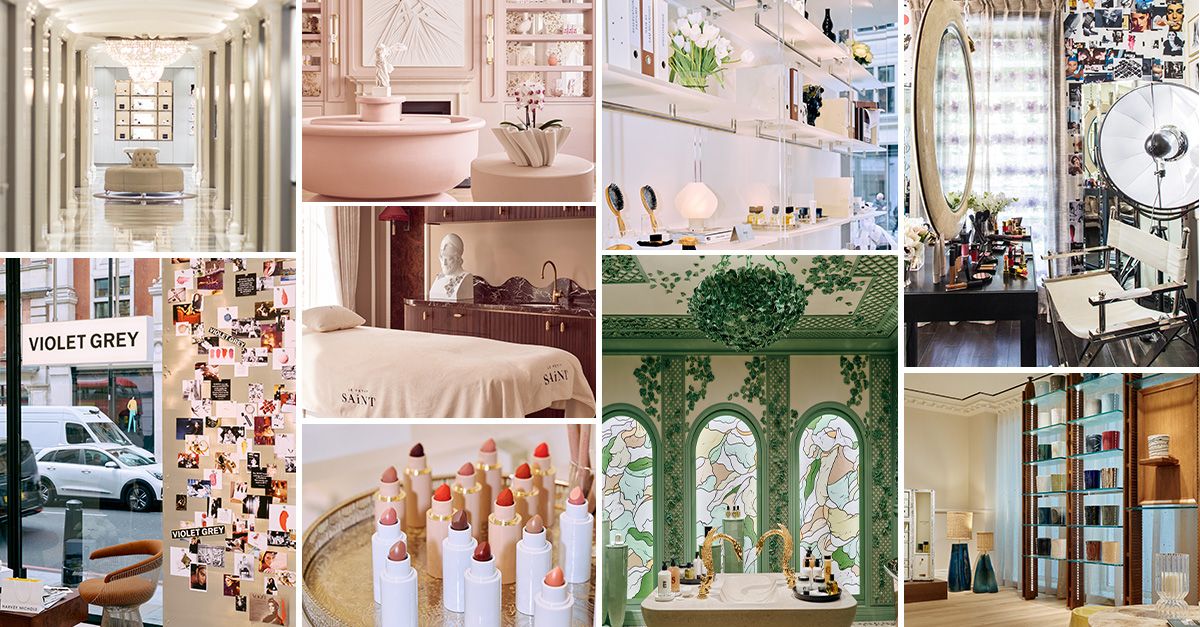
Take Harrods’ esteemed Salon de Parfums, where buying a fragrance is akin to purchasing rare artwork or shopping for fine jewellery. Perched on the top floor of the luxury Knightbridge department store, it’s where UHNWIs buy perfume, with a curated selection of rare, limited-run fragrances and bespoke services inside intimate boutiques.
“We continue to see a strong year‑on‑year increase in demand for bespoke and ultra‑exclusive fragrance projects. Clients are increasingly drawn to creations that extend beyond scent alone and instead sit at the intersection of fragrance, art and craftsmanship,” says Imogen Porter, head of beauty buying at Harrods. “Brands such as Guerlain and Dior are wonderful examples, often collaborating with artists to create exceptional fragrance vessels that act as objets d’art to treasure as much as the fragrance itself. As a result, many brands are now looking to offer their clients truly exceptional pieces that can only be purchased worldwide at Harrods, reinforcing rarity, desirability and a sense of collectability,” she says.
Exclusive fragrance houses such as Henry Jacques and Roja allow VIP customers to create their own custom scent, or even purchase “legacy” perfumes that can then only be re-purchased by them and no one else—it’s exclusively theirs and theirs alone. Or, Ex-Nihlo offers an Osmologue experience, whereby you can tinker or enhance a note in any of its fragrances, making the original scent more personal to the wearer. “The exclusivity itself is a key driver,” says Porter. “The fact that no one else in the world can own the same fragrance makes it feel akin to acquiring a unique piece of art.” It goes beyond just having a signature or one-of-a-kind scent, however; it’s also about gaining access to experiences money cannot buy. “Commissioning a bespoke scent also allows [the buyer] to build a deeper emotional connection with a brand and to become part of its ongoing history and story,” she says.
It’s a concept that originated in Parisian fragrance boutiques, of which you’ll find dozens on Rue Saint-Honoré, a luxury perfume destination for fragrance connoisseurs. And for the most discerning, Maison Francis Kurkdjian offers an ultra-limited-edition blend of Baccarat Rouge 540, Édition Millésime, for a cool $28,000 (around £20,835) a bottle. The original Baccarat Rouge 540 (£265) uses an ingredient derived from clary sage to re-create the ambergris accord that makes the scent so distinctive. However, for Édition Millésime, Francis Kurkdjian used real ambergris, a highly prized ingredient from sperm whales, which is rarer and more expensive than gold, costing upwards of tens of thousands per kilogram. It’s so rare, in fact, that the fragrance house only releases 54 bottles. It comes housed in a vessel with a crystal base, both designed by Baccarat, and topped with a 24-carat gold cap. The small circle of people who own this fragrance become exclusive members of Maison Francis Kurkdjian’s Les Amis du Rouge club, granting them access to special invitation-only events from the maison.

(Image credit: Images courtesy of Le Petit Saint)
Outside of Paris, UHNWIs in the Middle East take their fragrance incredibly seriously. Fragrance is not only a huge part of the culture in the region; it’s also big business, accounting for around 49% of beauty spend, according to the Chaloub Group. Fragrance in the UAE, Saudi Arabia, Qatar and Kuwait is deeply tied to identity, hospitality and social presentation, and fragrance houses and boutiques in this market often feature traditional oud scents, layered to create a bespoke combination that is unique to the wearer. In fact, you’ll find UHNWIs with their own fragrance wardrobes, such as Mona Khattan’s 4000-bottle-strong collection, housed in a temperature-controlled walk-in wardrobe in her Dubai home.
You may like
According to Kearney, luxury beauty overall has become more concentrated in the Middle East, with the Chaloub Group reporting that the GCC region accounts for 43% of the global luxury market. UHNW shoppers here favour both discretion and exclusive experiences, and the launch of the luxury concierge Quintessentially into Abu Dhabi last year allows its clients to gain access to sought-after spas and private, invitation-only beauty services. According to Prideby Asia, per capita beauty spending amongst Middle Eastern UHNWIs far exceeds the global average, with expenditures on beauty and skincare reaching two to three times those of their Chinese counterparts. Additionally, women account for around 70% of UHNW shopping, demonstrating a huge appetite for beauty in this region.
Much like how high-end sales advisors nurture relationships with their VIP clientele in stores, the same goes within the luxury skincare space. However, it’s dermatologists and aesthetic practitioners whom they place their trust in for their skincare investments. “In my experience, the purchase journey is almost always expert-led. A recommendation from a trusted facial plastic surgeon or dermatologist carries far more weight than any campaign or influencer,” says Dr Raul Cetto, medical director of Le Petit Saint in Mayfair, London. The clinic’s interior resembles a stylish private members club, adding to the experiential luxury that this subsection of shoppers continually seeks.
“Critically, this patient group is not shopping online or browsing retailer shelves,” says Dr Cetto. “The most powerful purchase channel for them is a curated, one-to-one consultation with a practitioner they trust—a relationship not unlike that with a private GP, built over years and entirely personal.” And rather than being swayed by marketing or packaging, Dr Cetto tells me there is growing interest in more clinically led skincare brands.
At-home skincare tools and devices also have their place in the routines of the 1% beauty shopper, who is cash-rich but often time-poor, with demanding schedules. “For high-achieving, high-profile individuals, the ability to access the most advanced skincare technology in the privacy of their own home, without scheduling around anyone else, matters enormously,” says Lucy Goff, founder of Lyma, which uses cold laser technology and retails between £2000 and £5000. Ultimately, it’s about buying back time.
From another point of view, investing in skincare is now on par with investing in a watch or a piece of jewellery. “I’ve said before that our competition isn’t another beauty brand. It’s a Birkin, or a vacation. That’s genuinely how our customers think,” says Goff. “They’re allocating the same rigour to their skin that they bring to every other serious decision in their life.”

(Image credit: Images courtesy of Violet Grey)
However, whether in London or NYC, there is still demand for brick-and-mortar beauty experiences for the UHNW shopper. Luxury beauty destination Violet Grey doesn’t just curate its offering with the best in “IYKYK” beauty brands; the stores themselves are like stepping into the dressing room of a beauty connoisseur, dripping in luxurious interiors and artwork. They are intimate places to discover beauty in an unhurried way, removed from the bustle of traditional beauty halls. With existing locations in L.A. and NYC (with neighbours such as The Row and Erewhon), Violet Grey launched its first UK outpost in Harvey Nichols last month, bringing its rigorously vetted products and exclusive beauty brands to London’s 1%, including its own limited-edition fragrance, Madame Grey (£825).
“We earn the [business] of high-net-worth shoppers in two ways: trust and unparalleled service. Violet Grey isn’t just a retailer; it is a discovery centre,” says CEO Sherif Guirgis. The retailer works with a committee of top industry professionals, from red-carpet makeup artists to plastic surgeons, to craft its beauty offering. “We act as a sourcing agent, scouring the extremely vast beauty landscape for the best—and often undiscovered—products, which takes the pressure off the customer to do this research themselves. It’s a service that saves them valuable time,” he explains.
Coupling the in-depth knowledge and expertise of its staff with these tailored curations allows Violet Grey to connect with discerning individuals and cater to their ever-changing travel routines and lifestyles. Guirgis continues, “Because of that, the concept of ‘wardrobing’ remains central to how we curate recommendations. What we recommend for a ski getaway, for example, will be entirely different from what a client needs for a summer vacation or their everyday routine. It’s less about a one-size-fits-all regimen and more about building a highly personalised ‘wardrobe’ that evolves with their lifestyle.” Guirgis tells me brands such as Victoria Beckham Beauty, Eighth Day and Fara Homidi are amongst its customers’ most-loved.
Another brand that has expertly tapped into the selective circles of the luxury beauty shopper is Westman Atelier, founded by renowned celebrity makeup artist, Gucci Westman, whose VIP clientele includes Jennifer Aniston, Anne Hathaway and Gwyneth Paltrow. Its cult Baby Cheeks Blush Stick and Trace Face Contour Stick have become beauty status symbols in their own right.
“The 1% aren’t fundamentally looking for something different; they’re just less constrained by price, which sharpens their expectations. At this level, there’s zero tolerance for compromise. What’s shifted more broadly is that consumers are far more educated and selective,” says Kate Weizman, CMO at Westman Atelier. “They want a real connection to the brands they support, and increasingly rely on trusted circles over traditional marketing. Word-of-mouth, credibility and consistency carry more weight than ever,” she says. The brand, with the expertise of a high-profile MUA and impeccable formulas, is made even more covetable when the products are housed in beautiful yet functional packaging that closes with a satisfying “click” and slips seamlessly into buyers’ makeup and lifestyle routines.

(Image credit: Images courtesy of Diptyque)
From their makeup bags to their fragrance shelf, UHNWIs seek the best in every facet of their lifestyle, and the same goes for how they scent their interiors. French fragrance house Diptyque is where you’ll find those with money to burn (literally) buying candles and home fragrance. London’s Maison Diptyque store on New Bond Street, with its breathtaking interiors, is more than just a store. Instead, it feels like stepping into Diptyque’s history-rich archives. “For our clients, Maison is more than a flagship boutique, but rather an experience, and is designed to engage all the senses through exclusive items, limited-edition releases, an ephemeral pop-up space and private consultations,” says Amanda Morgan, UK managing director of Diptyque.
In-store experiences include Le Salon Privé, where clients can design a bespoke 1500g candle—a beautiful interior object and status symbol that keeps its pride of place long after burning. “There are many possible customisation options, with 25 exquisite finishes for the stoneware candle vessel crafted by the renowned Porcelain du Lot Virebent,” says Morgan.
Similarly, in China, you’ll find luxury brands courting Very Important Customers (VICs) with discreet invitation-only beauty events and private shopping salons reserved for the most important clients to create an intimate shopping experience. Louis Vuitton chose Deji Plaza in Nanjing, East China, for its very first Louis Vuitton Beauté store, which opened last year, cementing its confidence in the luxury beauty shopper, with lipsticks retailing for CNY1200 (or £120 in the UK), and an LV-trunk-inspired lipstick case for £2450.
However, according to research from Agility, the Chinese 1% don’t wish to be seen flaunting their wealth. Instead, they visit Singapore, Osaka and Tokyo to shop for their luxury buys. In fact, China’s share of overseas purchases outweighs domestic spending—proof that discretion is a top priority for UHNWI shoppers in this market. Elsewhere in the continent, Kearney reports that the luxury beauty market in Southeast Asia and India is slated to triple in size over the next decade, with a CAGR (compound annual growth rate) of 11%, making these regions contenders as the next big luxury beauty markets.
Shop the World’s Most Luxurious Beauty Products:
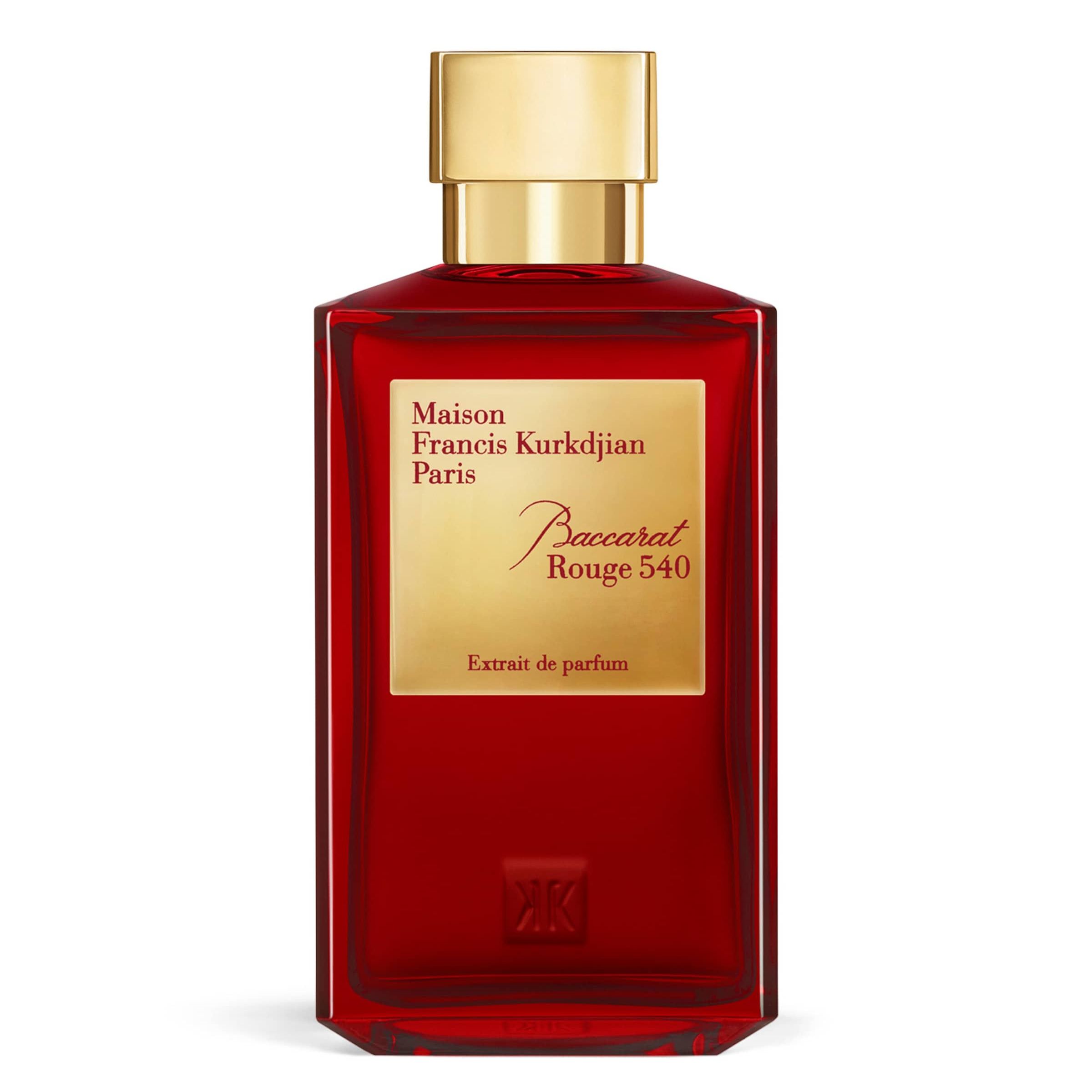
Maison Francis Kurkdjian
Rouge 540 Extrait de Parfum

Lyma
Laser Pro Starter Kit

La Prairie
White Caviar Light Concentrate Pre-Serum

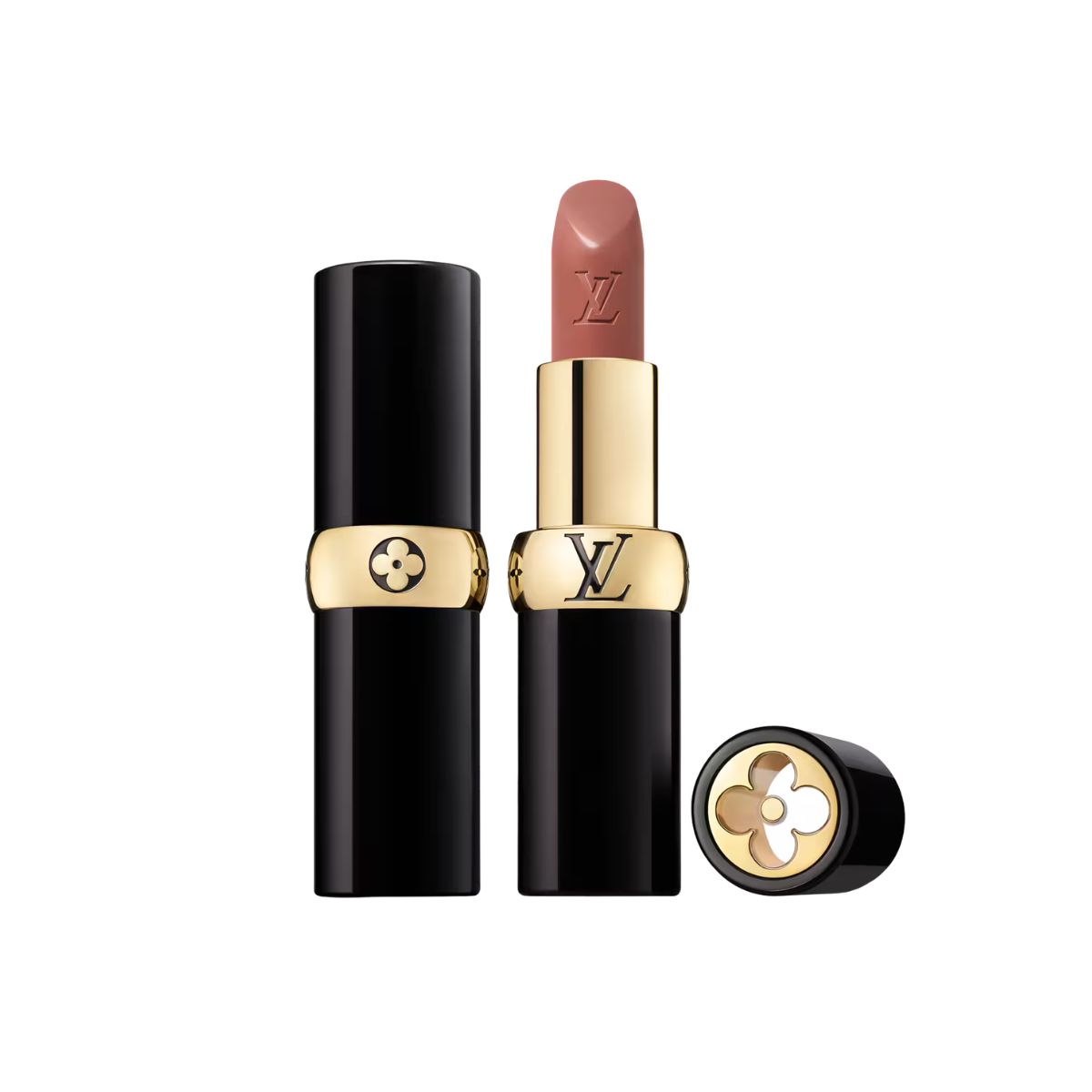
Louis Vuitton Beauty
LV Rouge Satin Lipstick

Diptyque Paris
Baies Very Large Candle

Westman Atelier
Baby Cheeks Blush Stick

CHANEL
Sublimage L’extrait de Crème