




 4 min read
There’s been plenty of buzz about anti-inflammatory diets. But unlike many other social media wellness trends (looking at you, pink salt trick for weight loss!), this one is expert-approved. Dietitians explain what the anti-inflammatory diet plan is, the foods you should and shouldn’t eat, and who can benefit most from this diet.
“There’s no official recommendation around following an anti-inflammatory diet, but it’s generally thought to be beneficial for your health,” says Jessica Cording, M.S., R.D., registered dietitian and author of The Little Book of Game-Changers.
Meet the Experts: Jessica Cording, M.S., R.D., registered dietitian and author of The Little Book of Game-Changers; Scott Keatley, R.D., registered dietitian and co-owner of Keatley Medical Nutrition Therapy; Beth Warren, R.D., registered dietitian and author of Secrets of a Kosher Girl; Kristi Artz, M.D., vice president of UH Connor Whole Health; Keri Gans, M.S., R.D., registered dietitian and author of The Small Change Diet.
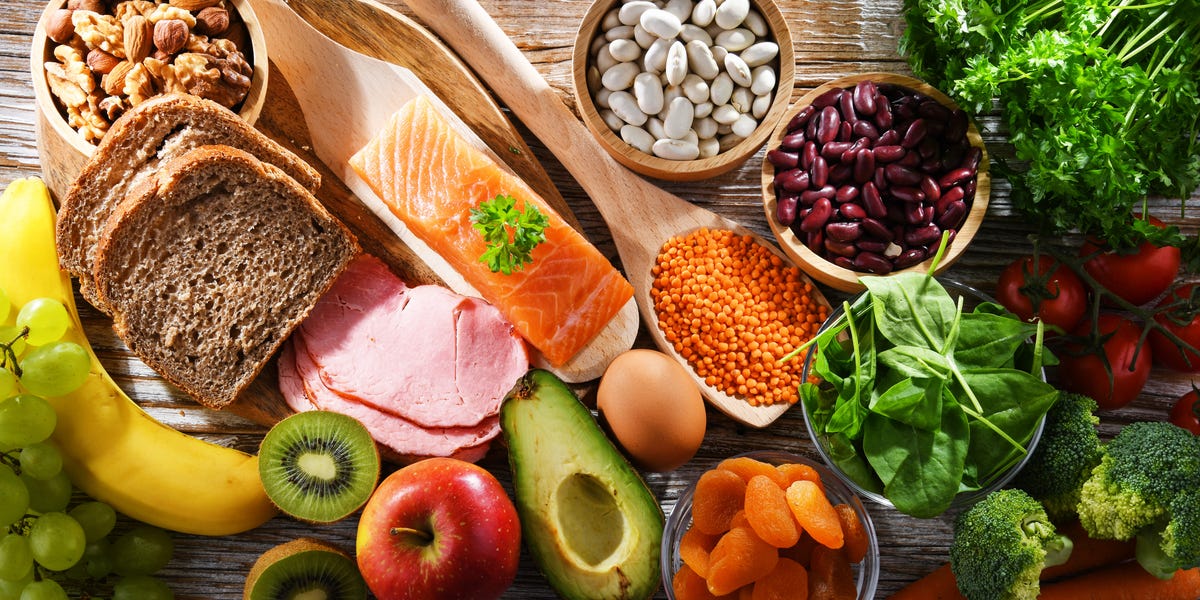
Different people can have different inflammatory triggers, so an anti-inflammatory diet can differ slightly from person to person. For most people, an anti-inflammatory diet includes fresh fruits and vegetables, fatty fish, legumes, lean protein, and whole grains, among other foods. It’s similar to the Mediterranean diet and the DASH diet, both of which are linked to numerous health benefits.
Below, experts explain everything to know about the anti-inflammatory diet and suggest a few meal ideas to get you started.
What is an anti-inflammatory diet?
While you can’t control all of the inflammation in your body, there has been some research to suggest that eating certain foods may help reduce inflammation in your body. That’s where the anti-inflammatory diet comes in. “An anti-inflammatory diet is the selection of foods that reduce the chronic inflammatory response, while at the same time providing the building blocks for use by anti-inflammatory pathways,” says Scott Keatley, R.D., registered dietitian and co-owner of Keatley Medical Nutrition Therapy. “A diet structured to do this has been shown in some human research to help reduce the impact of diabetes mellitus, coronary artery disease, and asthma.”
“An anti-inflammatory diet is typically high in whole foods with a particular focus on whole plant foods due to their high nutrient and low-calorie profile,” says Kristi Artz, M.D., vice president of UH Connor Whole Health. “Whole plant foods provide important micronutrients and healthy omega fats, which are critical for reducing inflammation.”
While an anti-inflammatory diet encourages certain foods, it’s not overly restrictive. “An anti-inflammatory diet is actually not a diet at all in the clinical sense, but a style of eating,” says Beth Warren, R.D., registered dietitian and author of Secrets of a Kosher Girl. “It is one of the best ways to reduce chronic inflammation.”
When your immune system is activated, it triggers a process called inflammation, Cording explains. That can be sparked by a slew of different things, including viruses, allergens, chemicals, and even your own bodily processes, in the case of autoimmune disorders.
Inflammation that happens here and there is important for protecting your health, but when it’s constant, it raises your risk of developing a slew of serious health conditions, including diabetes, arthritis, cancer, and depression, Cording says.
What foods can you eat on an anti-inflammatory diet?
Keri Gans, M.S., R.D., registered dietitian and author of The Small Change Diet, recommends:
FruitsVegetablesOily fish like salmonNutsSeedsLegumesWhole grains (100% whole grains that are rich in fiber)
“One of the main tenets of any anti-inflammatory diet is [a] balance of good fats,” Keatley says. That means doing your best to eat omega-3 fatty acids and eliminating as many sources of trans-fatty acids—which are usually found in fried foods—as possible, he says.
Adding more prebiotics, probiotics, and spices like turmeric, black pepper, and ginger can also be helpful, Keatley says. Even the timing of when you eat can play a role. “Avoiding a huge insulin spike [a hormone that helps regulate blood sugar] should be on your mind when creating an anti-inflammatory diet, which means smaller meals more frequently,” he says. “Six small meals per day should be the goal.”
What foods should you avoid on an anti-inflammatory diet?
Cording recommends avoiding these foods with an anti-inflammatory diet:
Refined carbohydrates like white bread, pastries, and chipsFried foodsSugary drinksRed meatProcessed meatsExcess alcohol
“For some individuals, they may need to go a step further and avoid nightshade veggies, such as tomatoes, eggplants, peppers, and potatoes, since in some people they trigger flare-ups,” Gans says.
Who should consider going on an anti-inflammatory diet?
Nutritionists say an anti-inflammatory diet can be a good fit for a lot of people. “Everyone can benefit from adopting a dietary pattern which is high in whole, mostly plant foods while being low in ultra-processed convenience foods,” Dr. Artz says. “Ultra-processed foods drive inflammation and the development of chronic disease so avoidance of these foods benefits everyone.”
People with autoimmune diseases, arthritis, athletes, “and anyone who wants structure in their diet,” can also benefit, Keatley says.
Overall, Gans says, “there really aren’t any drawbacks” to following an anti-inflammatory diet. So, if you’re looking for a way to lower your bodily inflammation or are just curious, there’s no reason not to try it.
Anti-inflammatory diet sample menu
Want a sample menu to get you started? Gans suggests:
Breakfast
Bowl of oatmeal with sliced strawberries, chia seeds, and natural peanut butter mixed in.
Lunch
Salad with tomato, avocado, chickpeas, and salmon tossed with olive oil and balsamic vinegar.
Snack
Serving of unsalted almonds with a small orange.
Dinner
Grilled chicken with sautéed spinach and a sweet potato.