





In the search for the “perfect protein,” new science by Angel Yeast reveals that blending whey protein — widely considered the gold standard for rapid absorption — with AngeoPro Yeast Protein creates a synergistic effect that surpasses either protein source used in isolation.
Compared to whey protein, AngeoPro features higher levels of certain amino acids, such as leucine (90 mg/g), arginine (60 mg/g), lysine (93.1 mg/g), and threonine (52.6 mg/g). The ingredient also delivers two to three times more phenylalanine and tyrosine than whey.
While both whey and yeast protein are rich in branched-chain amino acids, AngeoPro contains elevated levels of histidine. Blending both proteins can improve an Amino Acid Score by up to 43% compared to using whey isolate alone.
Angel Yeast notes such a blend supports muscle protein synthesis as effectively as pure whey — but with added functional benefits from AngeoPro’s amino acid and micronutrient content.
Nutrition Insight speaks to Jo Chang, global product director of Yeast Protein at Angel Yeast, to learn about how high-performance nutrition lies not in choosing one source, but in “blending for perfection.”
“The World Allergy Organization estimates that around 30% of the global population suffers from some form of food sensitivity. Against this global backdrop of an expanding population with food allergies and intolerances, traditional whey protein — containing allergens like lactose and β-lactoglobulin — can no longer fully meet increasingly diverse dietary needs,” she highlights.
“Through fermentation, AngeoPro yeast protein achieves a ‘zero animal source, zero allergen’ label. This provides a truly safe, high-quality protein option for individuals with lactose intolerance, milk protein allergies, vegan preferences, and religious dietary restrictions.”
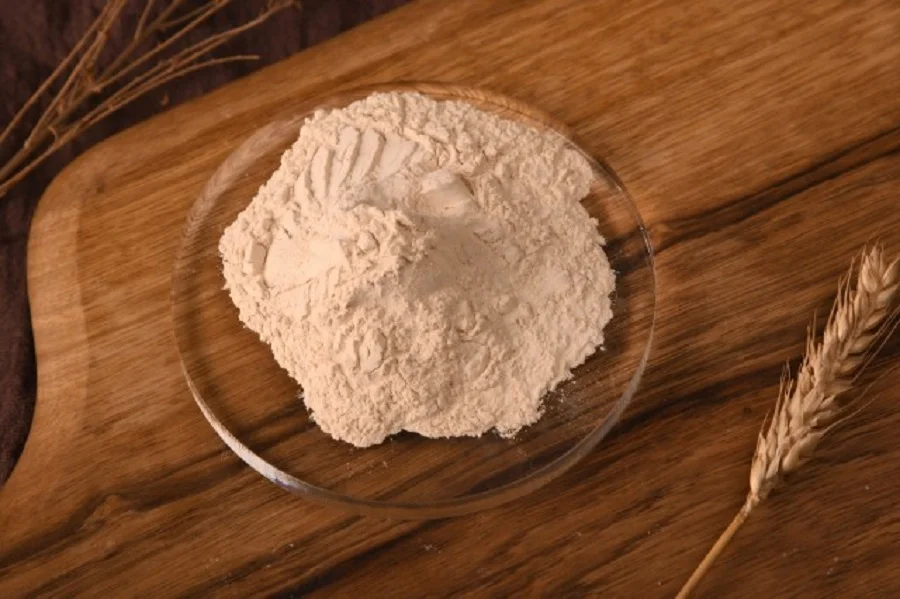 Blending whey and yeast proteins can improve an Amino Acid Score by up to 43% compared to using whey isolate alone.Chang adds that AngeoPro’s “universal inclusivity” across diverse applications allows brands to break through the traditional user boundaries of sports nutrition, expanding their target audience from professional athletes to the broader health-conscious population.
“Furthermore, unlike traditional protein, which is highly susceptible to agricultural volatility and rising market prices, yeast protein is produced via fermentation,” she notes. “This ensures a stable, predictable supply chain and offers brands a better choice to navigate market fluctuations.”
Protein complementarity
Angel Yeast has conducted research into the principle of “protein complementarity,” where essential amino acids from different proteins mutually compensate to enhance overall biological value. Essentially, blended proteins can effectively bridge the amino acid gaps of single-source proteins.
“The Protein Efficiency Ratio of a protein source mixed with AngeoPro is significantly higher than that of single-source proteins — such as casein, whey, and soy,” Chang explains. “This demonstrates that blended proteins offer superior advantages in promoting growth (weight gain) and can more efficiently meet the body’s demand for high-quality protein.”
“Consequently, the industry is increasingly inclined to use blended formulas to elevate the overall nutritional value of protein products.”
As a fermented, high-quality protein source, she notes yeast protein typically offers distinct advantages over whey protein, which may contain lactose, making it unsuitable for lactose-intolerant individuals. It also offers distinct advantages over plant-based proteins, such as soy protein, which may pose allergenic risks or flavor challenges.
“Yeast protein is generally lactose-free, hypoallergenic, and has a neutral flavor, making it easier to meet the needs of special diets — for example, those with lactose intolerance or allergies,” Chang adds.
She says that Angel’s Angeopro yeast protein product contains over 80% protein. Just like whey protein, it achieves a Protein Digestibility-Corrected Amino Acid Score (PDCAAS) of 1.0, representing the highest protein quality and digestibility. “It has an essential amino acid content of 47% (including all nine essential amino acids), classifying it as a premium protein by international standards.”
Micronutrient profile
Additionally, Chang notes that the yeast fermentation process naturally produces micronutrients such as B-complex vitamins and dietary fiber.
AngeoPro is rich in iron (80 mg/kg) and zinc (350 mg/kg), which are nutrients often lacking in modern diets. When blended with whey that is high in calcium and potassium, Angel Yeast says it creates a mineral-fortified “super-protein.”
Furthermore, with negligible sugar and fat, blending allows manufacturers to hit specific macro targets, such as keto and low-sugar claims.
“Ultimately, AngeoPro doesn’t compete with whey; it completes it. By blending at an optimal 7:3 or 8:2 ratio of AngeoPro to whey, you achieve a superior protein matrix,” says Chang.
 AngeoPro can help brands meet claims for zero cholesterol, lactose, and allergens.She says that formulations solely based on AngeoPro can help brands meet claims for zero cholesterol, lactose, and allergens.
Building up consumer appetite
As an emerging category, Chang notes that market education is still required to build trust around yeast protein comparable to whey or soy.
“While neutral, yeast protein can have distinct notes, such as yeasty flavor,” she adds. “We are continuously optimizing our processes to ensure it fits seamlessly into various flavor profiles.”
In terms of regional regulatory differences, Chang adds that the EU and Japan have both categorized yeast protein as a conventional food.
“In the US, it has achieved self-affirmed GRAS (generally recognized as safe) status. Despite this progress, specific compliance requirements for product applications can still vary by region. International brands must navigate these differing regulations during cross-regional expansion, and Angel Yeast is now actively accelerating the formal FDA GRAS registration process.”
Last November, the company kicked off operations at its new yeast protein production line at the Baiyang Biotechnology Park in Yichang, Hubei, China. The facility has an annual production capacity of 11,000 tons of high-purity yeast protein with a protein content exceeding 80%.