



Observed on June 3, Global Running Day celebrates one of the simplest and most accessible forms of exercise. Whether outdoors or on a treadmill, running regularly can deliver a wide range of physical and mental health benefits, helping improve fitness, mood, endurance and overall well-being.

Strengthens Heart Health: Running is an excellent cardiovascular workout that challenges and strengthens the heart muscle over time. Regular runners often experience improved circulation, lower resting heart rates and better blood pressure control. Regular aerobic exercise can also help reduce the long-term risk of heart disease and stroke.
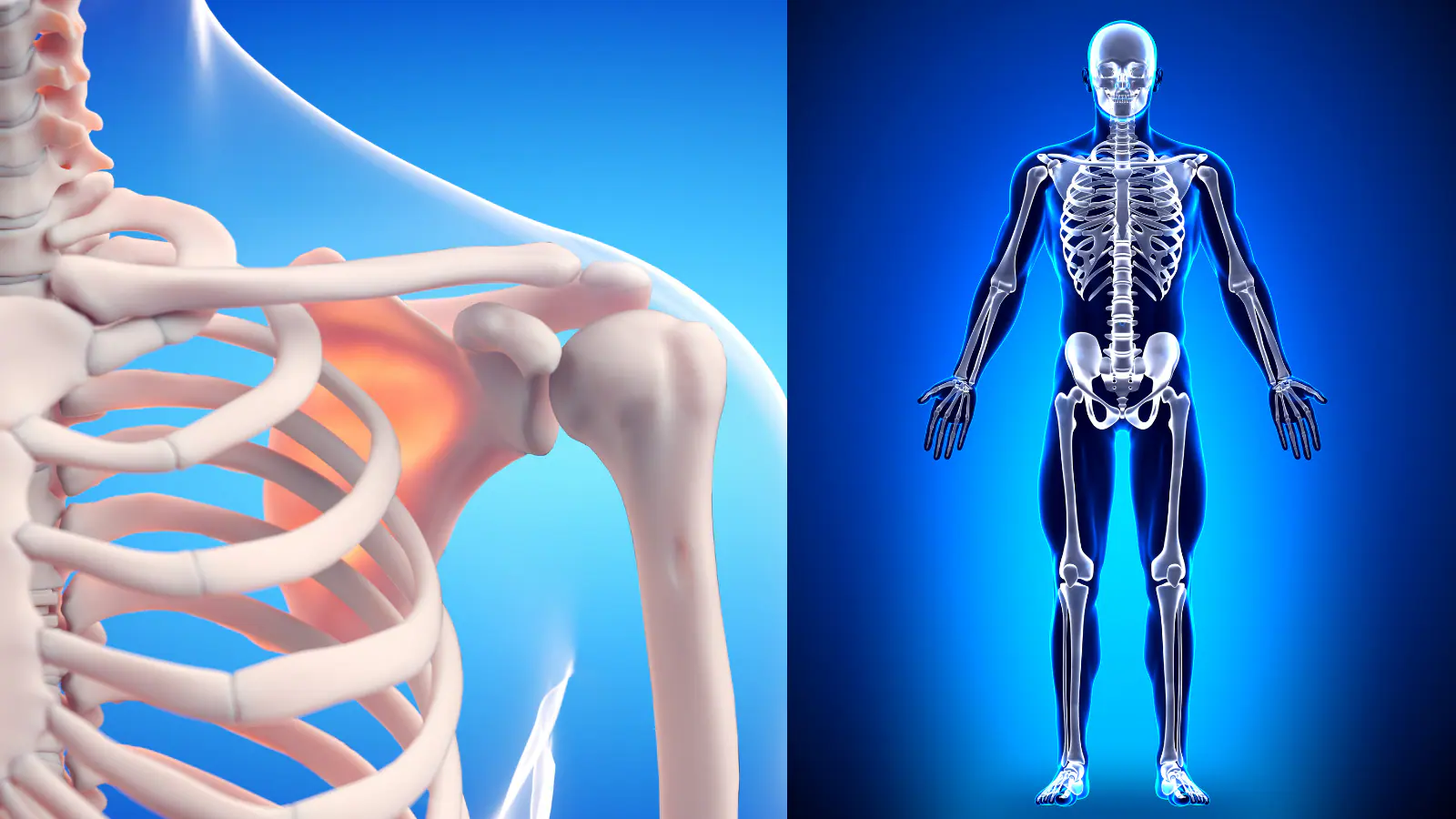
Helps Build Stronger Bones: As a weight-bearing activity, running encourages bones to adapt and become denser. This increased bone strength can help reduce the risk of osteoporosis and fractures later in life. Regular impact through running stimulates bone growth, making the skeletal system more resilient over time.

Supports Healthy Weight Management: Running burns a significant number of calories and helps regulate metabolism. Combined with balanced nutrition, it can support weight loss goals and help maintain a healthy body weight. Daily movement also reduces the likelihood of obesity-related health concerns such as diabetes and hypertension.

Improves Muscular Endurance: A regular running routine engages several major muscle groups, including the calves, hamstrings, quadriceps, glutes and core. Over time, these muscles become stronger and more efficient. Improved muscular endurance can make everyday activities easier while also enhancing athletic performance and physical stamina.

Strengthens The Immune System: Running supports immune function by promoting healthy circulation and improving the movement of immune cells throughout the body while also contributing to the production and maintenance of healthy blood cells, helping the body defend itself more effectively against illness.

Mental Health: Running is widely known for its mood-boosting effects. Physical activity stimulates the release of endorphins, often referred to as “feel-good” hormones. These chemicals help reduce stress, ease symptoms of anxiety and depression, and create a greater sense of emotional well-being and relaxation.

Boosts Brain Function: Regular aerobic exercise has been linked to improved memory, concentration and cognitive performance. Running increases blood flow to the brain, supporting neural health and helping maintain mental sharpness. Studies suggest it may also slow age-related cognitive decline and improve decision-making abilities.

Promotes Better Sleep Quality: People who exercise consistently often experience more restful sleep. Running helps regulate the body’s internal clock, making it easier to fall asleep and stay asleep. Improved sleep quality contributes to better energy levels, mood regulation, recovery and overall physical and mental health.
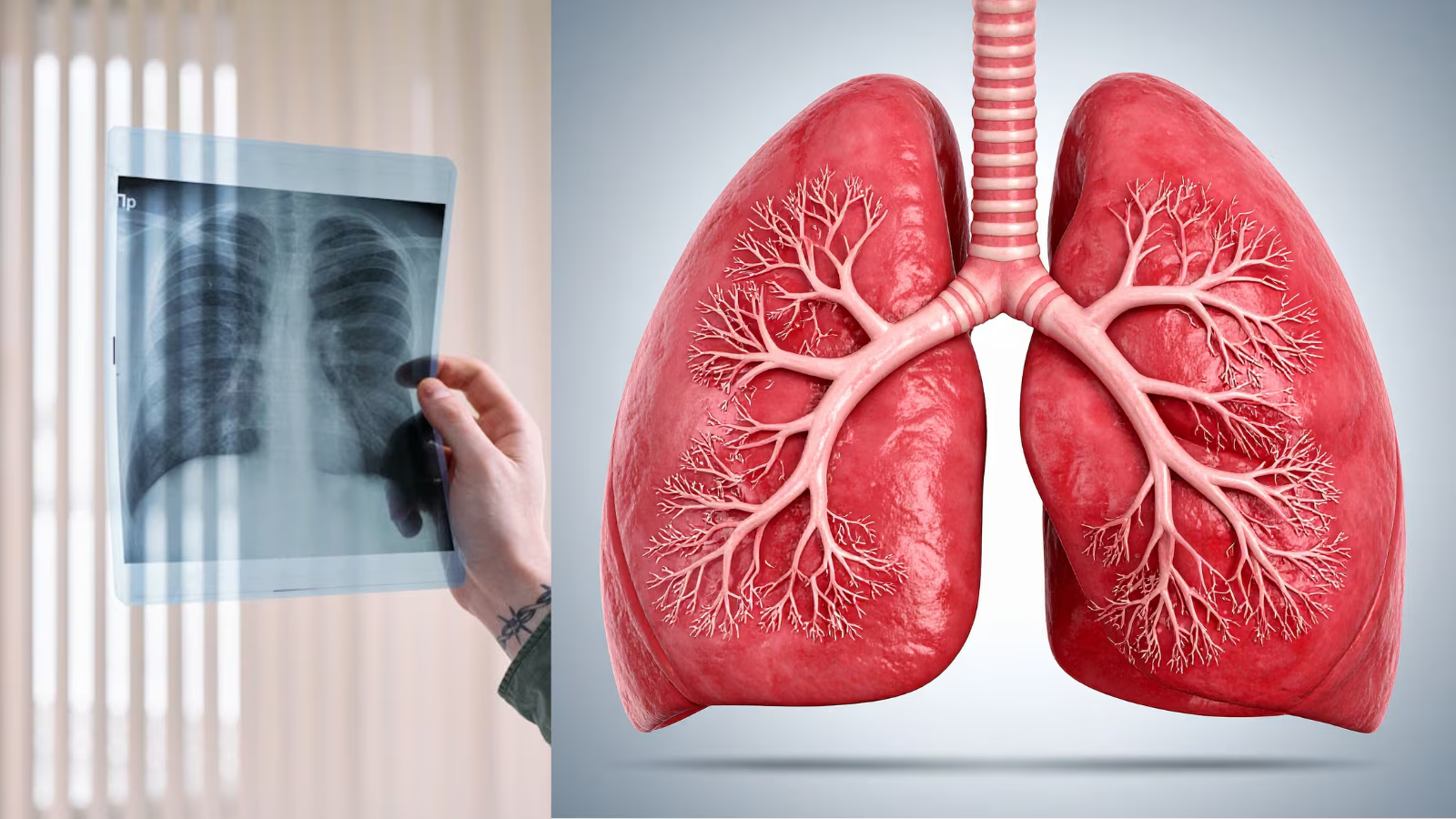
Enhances Lung Efficiency: Running challenges the respiratory system, encouraging the lungs and breathing muscles to work more efficiently. Over time, this can improve oxygen intake and delivery throughout the body. Better lung function supports endurance, physical performance and everyday activities that require sustained energy.

Builds Confidence And Discipline: Maintaining a daily running habit requires commitment and consistency. Achieving personal milestones, whether completing a short jog or a longer distance, creates a sense of accomplishment. This can boost self-confidence, strengthen discipline and foster resilience that extends beyond fitness into daily life.