




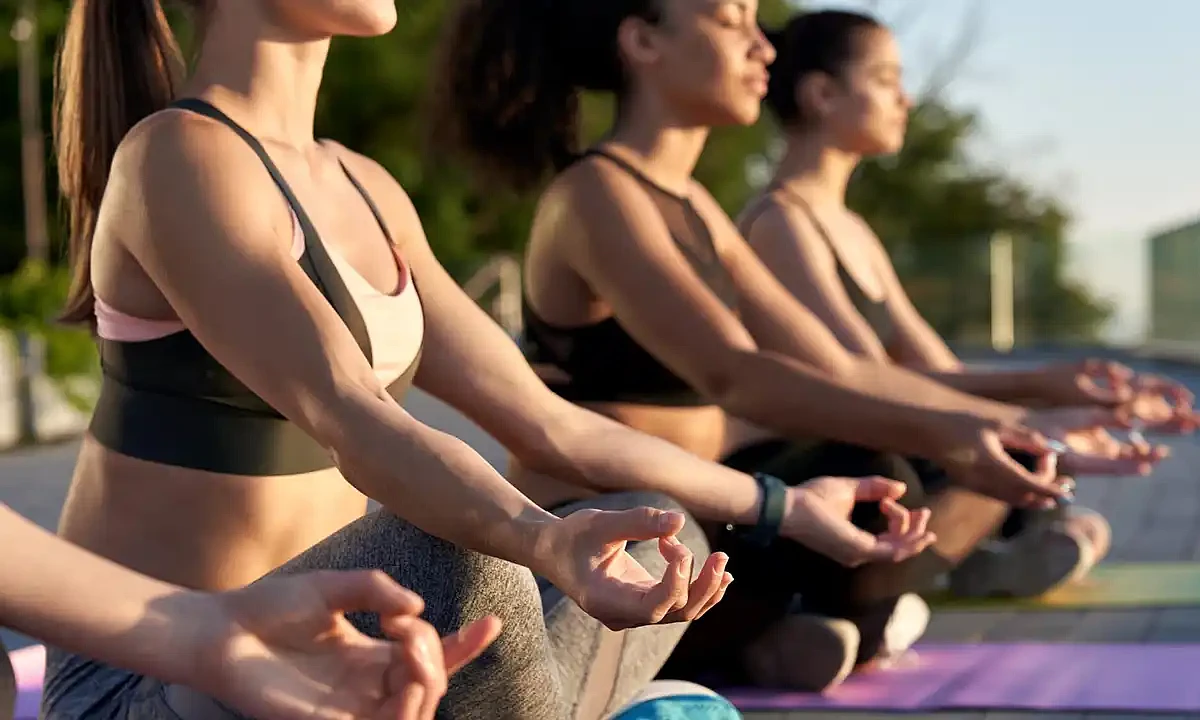
Wellness retreats are no longer just a niche idea. For many adults, they are starting to feel like a real way to deal with burnout because they offer something hard to find in everyday life: real distance from stress and a chance to properly recover.
For many of us, work does not really stop anymore. Emails come in after hours, deadlines keep piling up, and there is that constant sense of having to be available. That is one reason wellness retreats are getting more attention.
They naturally slow things down. Instead of trying to fill every moment, they focus on simple routines, rest, and breathing room. The goal is not to do more, but to help people feel more like themselves again.
The scale of this shift is also clear in the numbers. Wellness tourism is now worth about $893.9 billion globally, which shows just how many people are actively choosing travel that supports recovery and well-being (Global Wellness Institute).
This article takes a closer look at that shift and why wellness travel is becoming a more intentional way for people to support their mental health over the long term.
What Are the Roots of Wellness Retreats?
The idea behind wellness retreats is not new. In ancient Greece, healing temples were used for rest, bathing, and quiet reflection. In India, early Ayurvedic traditions focused on restoring balance through diet, meditation, and lifestyle practices.
Over time, Europe developed spa towns built around mineral springs, where people would travel to rest and recover their health. That became one of the earliest forms of wellness travel.
Modern wellness retreats have taken these ideas and blended them with practices such as yoga, mindfulness, and stress management, shaping the retreats we see today.
Why Are More People Turning to Wellness Retreats?
People are turning to wellness retreats because regular time off no longer feels like real rest. Another reason is that burnout is being recognized earlier. Feeling tired, unfocused, or constantly stressed is no longer seen as normal, so people are looking for ways to reset before things get worse.
Wellness retreats feel different because they create distance. You are removed from your usual environment, routines, and pressure, which helps your mind slow down in a way that is hard to achieve at home.
They also take away the need to plan everything. Instead of deciding how to relax or how to “make the most” of time off, the structure is already there. Guided sessions, calming activities, and simple routines help people ease into rest without overthinking.
There is also a growing interest in mental well-being, not just physical health. A self-care retreat is no longer seen as an occasional luxury. For many people, it is becoming something they actively plan for as they see prevention as more valuable than recovery.
How Do You Decide Which Wellness Retreat Is Right for You?
With so many options available, the best place to start is by asking yourself the following:
What do I need most right now: rest, energy, clarity, or a full reset?Do I want to fully disconnect from my phone and work, or stay partly connected?What pace feels comfortable for me day-to-day?Do I prefer being alone or in a group setting?Am I looking for short-term relaxation or longer-term change?What is my main goal for this retreat?How much time can I realistically take away from my routine?What budget feels comfortable for me?Different Types of Retreats and What to Expect
Some experiences are all about slowing down and resting. You might do gentle yoga, go for quiet walks in nature, or just spend time properly switching off. They are ideal when someone feels mentally drained and needs space to breathe.
Others are more active and energizing. These often include things like hiking, Pilates, fitness sessions, or even surfing. People usually choose these when they want to reset their body and mind and leave feeling stronger and more refreshed.
Some retreats focus heavily on mindfulness and meditation. These tend to be quieter and more reflective, sometimes with less phone use or digital distraction. They are popular with people who want mental clarity or just a break from constant noise and stimulation.
Nutrition-focused retreats take a different approach, emphasizing healthy meals and guidance on eating habits that support better energy and digestion. The goal is to help you feel better from the inside out, with lessons you can carry home into everyday life.
Then there are spa-style retreats, which are more about comfort and relaxation. Think massages, warm pools, and treatments that help the body fully unwind.
Craving a bespoke Texas experience? Google “wellness retreat near Austin TX” for a truly one-of-a-kind destination.
Frequently Asked QuestionsIs Experience Required for Mindfulness Retreats?
No. Mindfulness retreats are designed for all levels. Beginners are often guided through simple techniques such as breathing exercises and basic meditation practices.
What Do People Usually Bring to a Wellness Retreat?
Comfortable clothing, personal essentials, and an open mindset are usually enough. Most retreats provide meals, schedules, and wellness materials.
What’s the Best Retreat Length for Real Benefits?
Even short stays of three to five days can provide noticeable benefits. Longer retreats may offer deeper recovery and more time to build sustainable habits.
Are Wellness Retreats Good for Burnout Recovery?
Yes. Wellness retreats are specifically designed to help with burnout recovery by combining physical rest, mental health practices, and lifestyle coaching. Many attendees report improved focus, better sleep, and reduced stress after attending.
How Much Does Wellness Travel Usually Cost?
Costs vary depending on location and amenities. A local retreat may cost a few hundred dollars, while luxury international wellness travel experiences can cost several thousand dollars.
Are Wellness Retreats Worth It?
The evidence is clear: wellness retreats are becoming the answer to burnout that most adults face. They provide structured recovery, lasting tools for self-care, and a chance to step away from constant demands. Whether you choose a mindfulness retreat or a spa-focused program, the investment pays off in renewed energy and resilience.
Want to learn more about finding balance in your daily life? Head to our website for more information and inspiration to get started.
This article was prepared by an independent contributor which helps us continue delivering quality content to our audiences.