



 8 min read
Confused by weekly nutrition headlines that seem to contradict each other? You’re not alone. From TikTok “experts” swearing off entire food groups to viral posts promising quick fixes, today’s nutrition landscape is overflowing with bold claims and nutrition myths. It’s easy to wonder if you should ban bread, avoid fruit, or shell out for pricey powders just to eat healthy.
Here’s the truth: Most of these so-called “rules” don’t stand up to science. As registered dietitians know, eating well isn’t about strict bans or perfect habits. It’s about balance, variety, and understanding what actually fuels your body best.
To help you dodge the myths and focus on what really matters, we’ve asked top experts to weigh in on the most common nutrition misconceptions.
Below, we’re sharing 10 nutrition myths dietitians wish would disappear for good, along with the reassuring facts you can rely on.
 Myth: All carbs make you gain weight
Truth: Carbohydrates often get a bad reputation, but they’re actually your body’s preferred energy source.
“One nutrition myth I wish would go away is the belief that all carbs make you gain weight,” says Johannah Katz, M.A., R.D.N., dietitian from Consumer Health Digest. “This belief usually comes from oversimplified diet messaging that ignores context, portion size, and overall dietary patterns.”
Instead of cutting them out, focus on the type of carbs you eat, says Katz. “It’s important to distinguish between refined and complex carbohydrates,” she explains. “Refined carbohydrates are processed foods where much of the fiber and nutrients have been removed, like white bread, pastries, and many packaged snacks, which digest more rapidly and have less impact on satiety. Complex carbohydrates are found in whole or minimally processed foods like oats, beans, fruit, and whole grains, and, yes, even vegetables, and they contain more fiber, which slows digestion and supports steadier energy and blood sugar response.”
One study evaluated the relationship between whole grain intake and weight status using data from more than 136,000 participants. Results showed that higher consumption of whole grains, a complex carbohydrate, was linked to lower BMI in observational studies, suggesting that eating complex carbs can be a part of a balanced and healthy diet that supports weight management.
 Myth: Electrolyte supplements are necessary for everyone
Truth: Most people get plenty of sodium and other electrolytes through a standard diet.
“A common misconception is that electrolyte supplements are necessary for everyone, but this overlooks both baseline physiology and actual sodium needs,” says Katz. The American Heart Association recommends an ideal limit of no more than 1,500 mg of sodium per day for most adults, with an upper ceiling of 2,300 mg per day for general population guidelines. “In contrast, some electrolyte products provide 1,000 mg of sodium in a single serving, which can represent nearly half, or in some cases most of a person’s recommended daily intake,” she says.
 Myth: Seed oils are toxic
Truth: You might have seen videos claiming that oils from seeds cause disease, but the evidence points in a different direction.
“One myth that needs to go away is that seed oils are toxic, highly processed, and drive inflammation and chronic disease,” says Lauren Harris-Pincus, M.S., R.D.N., registered dietitian and author of The Everything Easy Pre-Diabetes Cookbook. “Clinical and population evidence shows seed oils have cardiovascular benefit, not harm,” she explains. Linoleic acid, an omega-6 fatty acid found in seed oils, plays a key role in reducing cholesterol levels and supporting heart health. Studies consistently link moderate consumption of linoleic acid to a lower risk of coronary heart disease. Additionally, linoleic acid is vital for cell function, making seed oils a valuable part of a balanced diet.
Point blank: “Perceptions of seed oils are being shaped by social media and wellness narratives rather than by science,” explains Harris-Pincus.
 Myth: Only shop the perimeter of the supermarket
Truth: This rule suggests that the only healthy foods are fresh produce, meat, and dairy, but skipping some of the center aisles can lead to missing out on a treasure trove of nutrients.
“The center aisles of the supermarket contain some of the most nutrient-dense foods that are also shelf-stable, affordable, and accessible to the public at large,” says Harris-Pincus. These aisles also offer foods that are often staples in recipes across various cooking cultures, including things like dried herbs and spices to flavor favorite dishes with less sodium, she adds.
“Some of the most nutritious, affordable, and practical foods in the store are found in the middle aisles, such as canned and dried beans, whole grains, nuts and nut butters, olive oil, canned fish, frozen produce, and dried fruit,” says Malina Malkani, M.S., R.D.N., C.D.N., owner of Malina Malkani Nutrition. Beans are particularly noteworthy, as dietary patterns that are rich in canned and dry beans have been associated with higher diet quality scores and greater intake of key nutrients like potassium.
 Myth: Healthy food is bland
Truth: Eating well does not mean forcing yourself to eat plain vegetables and chicken breast—although, if you love those foods, there’s no reason to stop eating them!
“Healthy meals can be bold, comforting, and full of flavor,” says chef and registered dietitian Sharniquia White, M.S. “Use herbs, spices, citrus, garlic, onions, marinades, and cooking techniques like roasting or grilling to transform nutritious ingredients into satisfying meals.”
Good nutrition should taste good, too. “Flavor and wellness can and absolutely should coexist,” says White.

Oleg Breslavtsev//Getty Images
 Myth: Don’t eat after 8 p.m.
Truth: Your body doesn’t suddenly start storing all food as fat the moment the clock strikes eight.
“The time you eat is really not as important as the quality and quantity of what you eat overall,” explains Lisa Young, Ph.D., R.D.N., author of Finally Full, Finally Slim, and adjunct nutrition professor at New York University.
Especially when it involves small, nutrient-dense, low-calorie foods, snacks in the evening may support muscle protein synthesis and cardiometabolic health, according to data published in Nutrients.
If you find yourself raiding the pantry at night, look at your habits rather than the time. “Mindless late-night snacking is often the real issue—not the hour itself,” says Young. “Paying attention to your hunger cues and making mindful choices is far more effective than watching the clock.”
 Myth: All processed foods are unhealthy
Truth: The word “processed” covers a massive range of foods, and many of them are excellent for your health.
“Many foods go through some form of processing simply to make them safer, more convenient, or longer-lasting,” says Rachael Ajmera, M.S., R.D., founder of Nutrimental. “Some examples include canned beans, frozen veggies, pre-cut vegetables, rolled oats, and whole-wheat flour.”
You can safely include these items in your daily meals. “Many minimally processed foods can still be highly nutritious and provide important nutrients like fiber, protein, vitamins, and minerals,” says Ajmera.
Plus, these foods can make healthy eating more accessible and sustainable by saving time and reducing food waste. The key is to focus on nutrient-dense options and balance them with whole, unprocessed foods for a well-rounded diet.
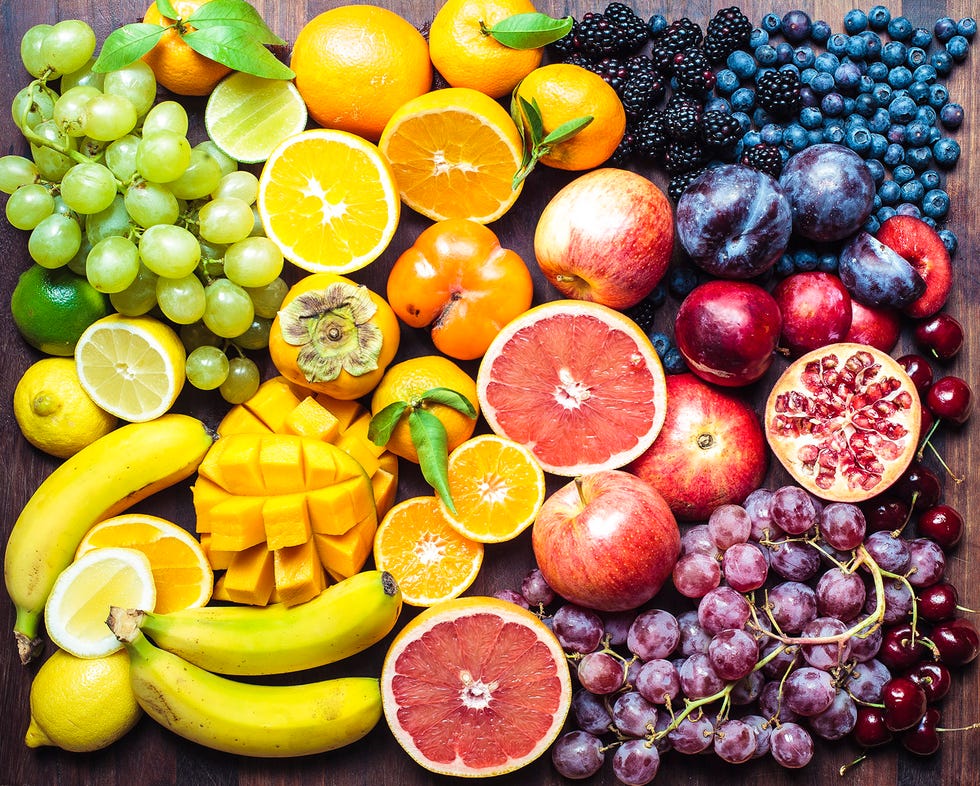
 Myth: Fruit contains too much sugar
Truth: Some diet plans treat fruit like candy, telling people to avoid it because of the sugar content. This ignores the vast nutritional benefits that whole fruits provide.
“Yes, fruit does contain fructose, but it can also be a good source of vitamins, antioxidants, and especially fiber,” says registered dietitian Kimberley Francis, R.D.N., CDCES.
Fiber is crucial for overall health, yet many Americans aren’t meeting the recommended 15 grams per 1,000 calories consumed, according to Francis. The journal Foods further emphasizes that consuming at least 400 grams (or roughly five servings) of fruits and vegetables daily can significantly reduce the risk of noncommunicable diseases including heart disease and diabetes, while also ensuring adequate fiber intake.
Additionally, data published in Critical Reviews in Food Science and Nutrition shows that fruits are not only nutrient-dense but also packed with bioactive compounds that promote health beyond basic nutrition, such as reducing inflammation and supporting cardiovascular health.
Enrique Díaz / 7cero//Getty Images
 Myth: Healthy eating is expensive
Truth: Building a nutritious diet does not require a huge grocery budget.
“Cultures worldwide have built nourishing, healthy diets around plant-based staples for centuries—typically on very modest budgets,” says Brittany Brown, R.D., IBCLC, C.D.E., founder of Feeding Babies Nourishing Souls.
Often, the extra costs are associated with the preparation rather than the nutrition. “One of the biggest drivers of grocery costs today is the convenience of pre-cut produce, packaged snacks, and ready-made meals,” explains Brown. “When you invest a little more time in the kitchen, healthy eating can be both affordable and deeply enjoyable.”
In fact, staples such as beans, lentils, rice, oats, and seasonal produce are some of the most budget-friendly and nutrient-dense foods available. Planning meals around these items, buying in bulk, and cooking at home can significantly reduce costs while improving the quality of your diet. Embracing simple, whole ingredients not only saves money but also reconnects us with the joy of preparing and sharing meals, she says.
 Myth: Detoxing your body is a manual process
Truth: Your liver, kidneys, and digestive tract already work around the clock to filter out unwanted substances. Buying into the hype of a quick-fix cleanse often distracts from the consistent habits that actually keep your organs functioning well.
“There is no evidence that commercial detox programs remove toxins more effectively than your body’s own processes,” says registered dietitian Whitney Stuart, M.S., R.D.N., CDECS. “These programs often lead to calorie deficits, mild dehydration, and empty wallets.” Instead of improving your health, extreme cleanses can leave you feeling fatigued and deprived of essential nutrients.
“To support your body’s detoxification, focus on whole, fiber-rich foods, stay hydrated, get quality sleep, limit alcohol intake, and use anti-inflammatory fats like extra-virgin olive oil,” says Stuart. “The polyphenols in high-quality extra virgin olive oil, such as oleocanthal and oleuropein, have shown significant antioxidant benefits in studies.”
By sticking to these basic habits, you give your organs exactly what they need to thrive without falling for marketing gimmicks.
The bottom line on nutrition myths
In a modern, hyper-online world flooded with nutrition myths and conflicting advice, it’s easy to feel overwhelmed and unsure about what to believe. However, many of these misconceptions are rooted in oversimplified narratives or marketing tactics rather than science.
From the demonization of carbs and seed oils to the myth that healthy eating is expensive or bland, these falsehoods often distract from the core principles of good nutrition: balance, variety, and sustainability.
By focusing on nutrient-dense foods, embracing cultural and affordable staples, and understanding the science behind our food choices, you can build a diet that supports both your health and lifestyle.
Ultimately, healthy eating doesn’t have to be complicated or restrictive. It’s about making informed choices, listening to your body, and finding joy in the process of nourishing yourself. Whether it’s enjoying a bowl of whole-grain pasta, seasoning your meals with bold spices, or savoring a piece of fruit without guilt, the key is to prioritize habits that are both realistic and enjoyable.
By letting go of rigid rules and embracing a more flexible, evidence-based approach, you can cut through the noise of nutrition myths and focus on what truly matters: a diet that fuels your body and enriches your life.

Gillean is a media dietitian with over a decade of experience working with brands through TV, content creation, and consulting. She’s the founder of the What’s for Dinner Club, a resource that provides healthy, easy dinner recipes for busy families. As a mom of 3, she knows how overwhelming it can feel to make your nutrition and priority, so through her work she strives to make nutrition simple and convenient. Gillean is also the co-founder of a media training program called Expert with Influence, with the goal of helping health experts grow in the media space and be a source of reliable, credible nutrition information.