




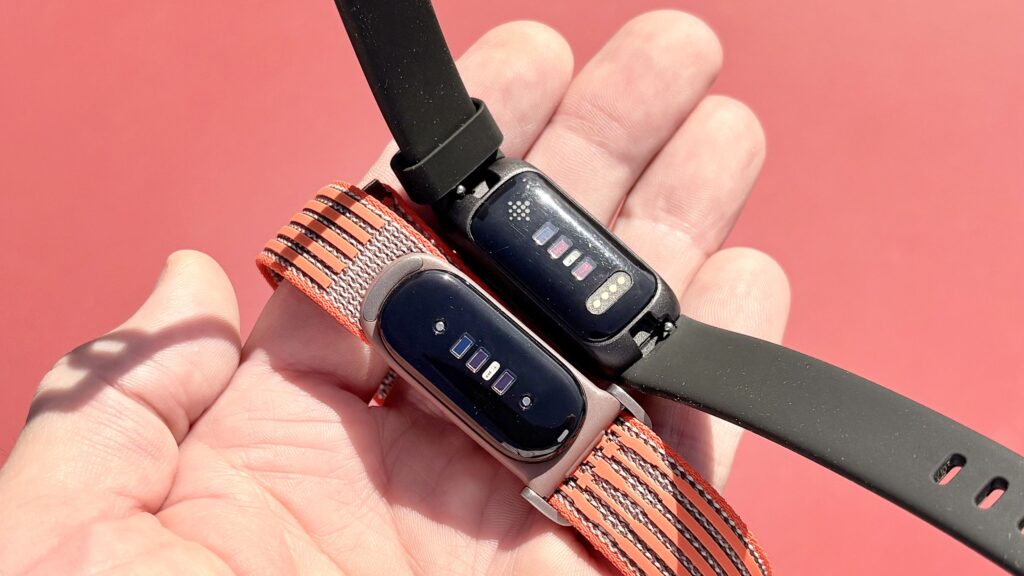
Which fitness tracker is better, 2026’s Fitbit Air or 2022’s Fitbit Inspire 3? Logic might suggest that the newer model has the advantage, but that’s not necessarily the case.
I just reviewed the Fitbit Air and have worn a Fitbit Inspire 3 for several years, and there’s plenty of good reason why both make our list of the best fitness trackers in 2026.
Here’s how these two trackers compare head-to-head across six categories, including cost, design, customization, health and fitness features, smart features, and battery.


The Fitbit Air is a screen-free and distraction-free fitness tracker launched in 2026 for $99. Lightweight, comfortable, and long-lasting (battery life is good for up to a week), the Fitit Air is a competent fitness, health, and sleep tracker. However, it lacks onboard GPS, so you’ll need to carry a smartphone for location data when working out outdoors.

The Fitbit Inspire 3 may have debuted in 2022, but it’s still one of my favorite fitness trackers and a near match for the newer Fitbit Air when it comes to fitness and holistic tracking chops. Smart features are limited, and it similarly lacks a GPS, but unlike the Air, the Inspire 3 boasts a small onboard display and can even mirror smartphone notifications.
Fitbit Air vs Fitbit Inspire 3: Specs comparedSwipe to scroll horizontallyFitbit Air vs Fitbit Inspire 3Header Cell – Column 0
Fitbit Air
Fitbit Inspire 3
Price
$99
$99
Launch date
May, 2026
Sept, 2022
Compatibility
Android, iOS
Android, iOS
Dimensions
34.9 x 17 x 8.9 mm
39.4 x 18.5 x 11.7 mm
Weight w/ strap
12 g
17.7 g
Display
n/a
0.5-inch AMOLED
Sensors
Heart rate, SpO2, Skin temp, Accelerometer, Gyroscope
Heart rate, SpO2, Skin temp, Accelerometer, Gyroscope
GPS
No
No
Battery life
Up to 7 days
Up to 10 days
Water resistance
50 meters
50 meters
Fitbit Air vs Fitbit Inspire 3: Cost
(Image credit: Dan Bracaglia/Tom’s Guide)
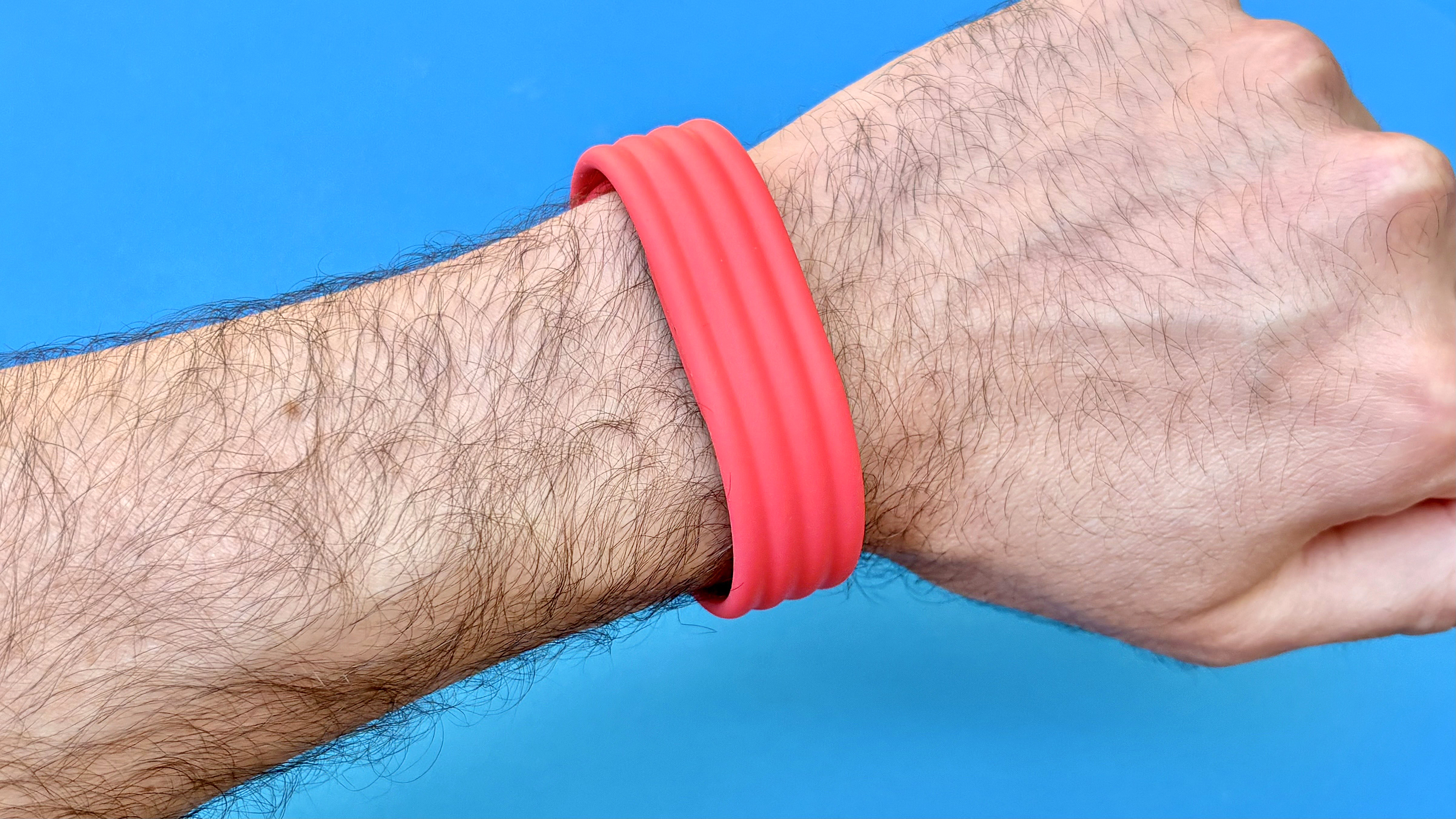
The Fitbit Air and Fitbit Inspire 3 each cost $99. However, the former is much newer and unlikely to see a discount anytime soon, while the latter goes on sale often for up to 30% off.
For example, as of writing, you can pick up the Inspire 3 for just $79 at Amazon.
You may like
Winner: Fitbit Inspire 3
Fitbit Air vs Fitbit Inspire 3: design
(Image credit: Dan Bracaglia/Tom’s Guide)
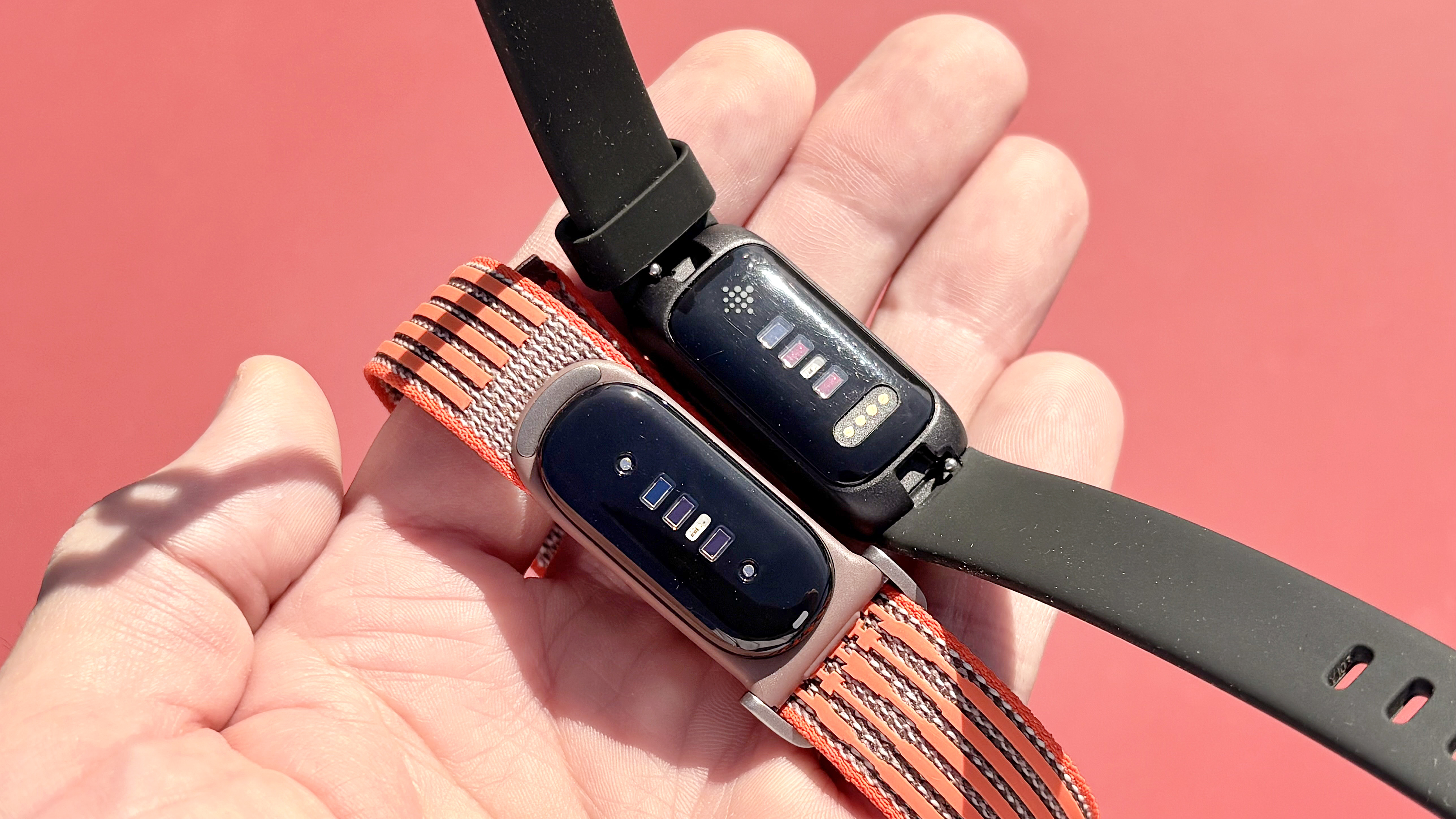
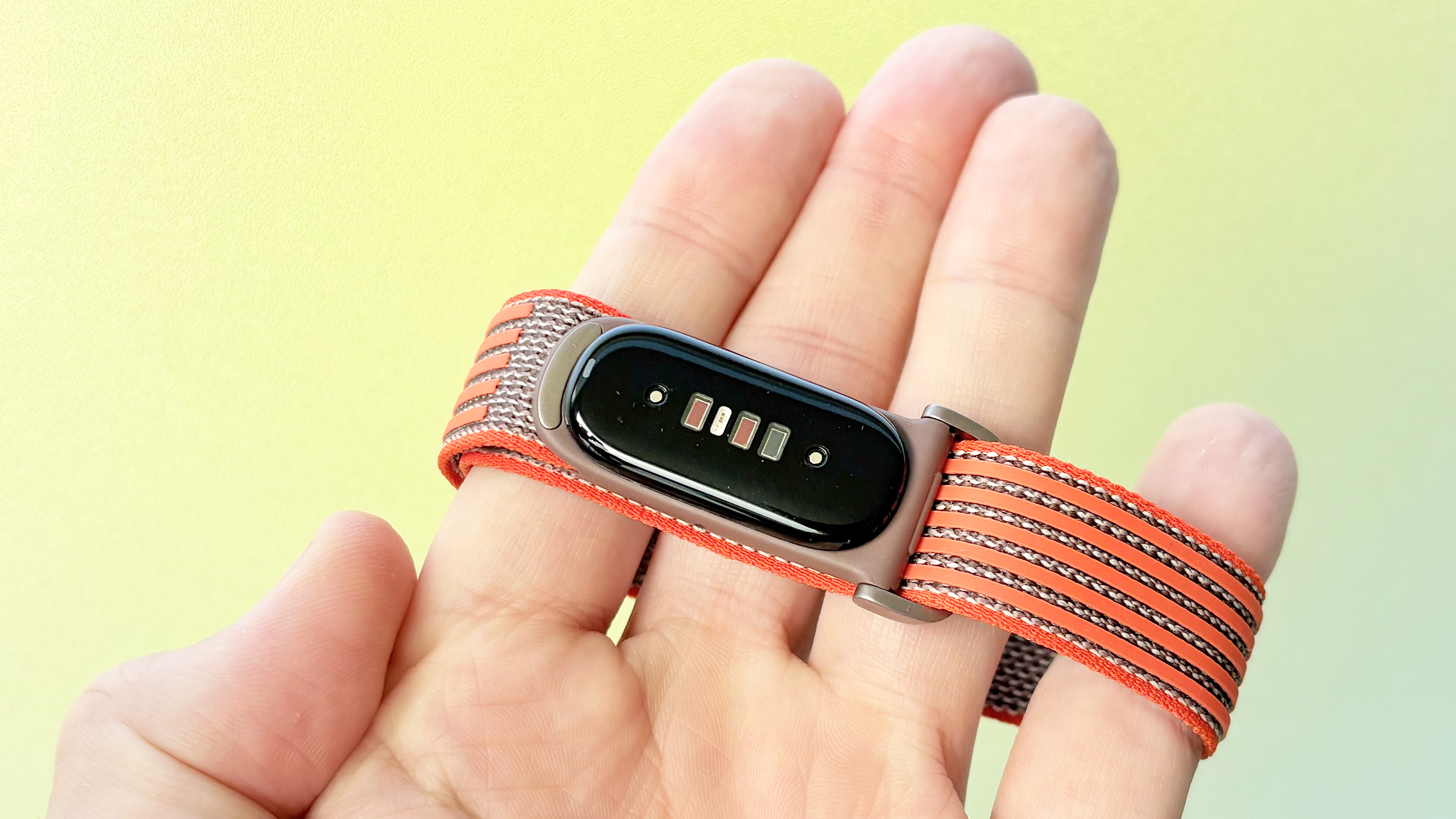
The Fitbit Inspire 3 and Fitbit Air are both small, comfortable fitness trackers that don’t garner much attention or get in the way of daily life. However, the newer Air is both smaller and lighter than the Inspire 3 and offers a wider selection of band materials.
Neither wearable has physical buttons, but the Inspire 3 offers two haptic buttons on either side and sports a small AMOLED touchscreen. Depending on your ability to read tiny text and the daintiness of your fingers, navigating the Inspire 3’s controls is a hit-or-miss affair.
Ultimately, I prefer the simpler, less-distracting design of the Fitbit Air to the fiddly controls and comically small screen of the Inspire 3.
Winner: Fitbit Air
What to read next
Fitbit Air vs Fitbit Inspire 3: customization
(Image credit: Dan Bracaglia/Tom’s Guide)
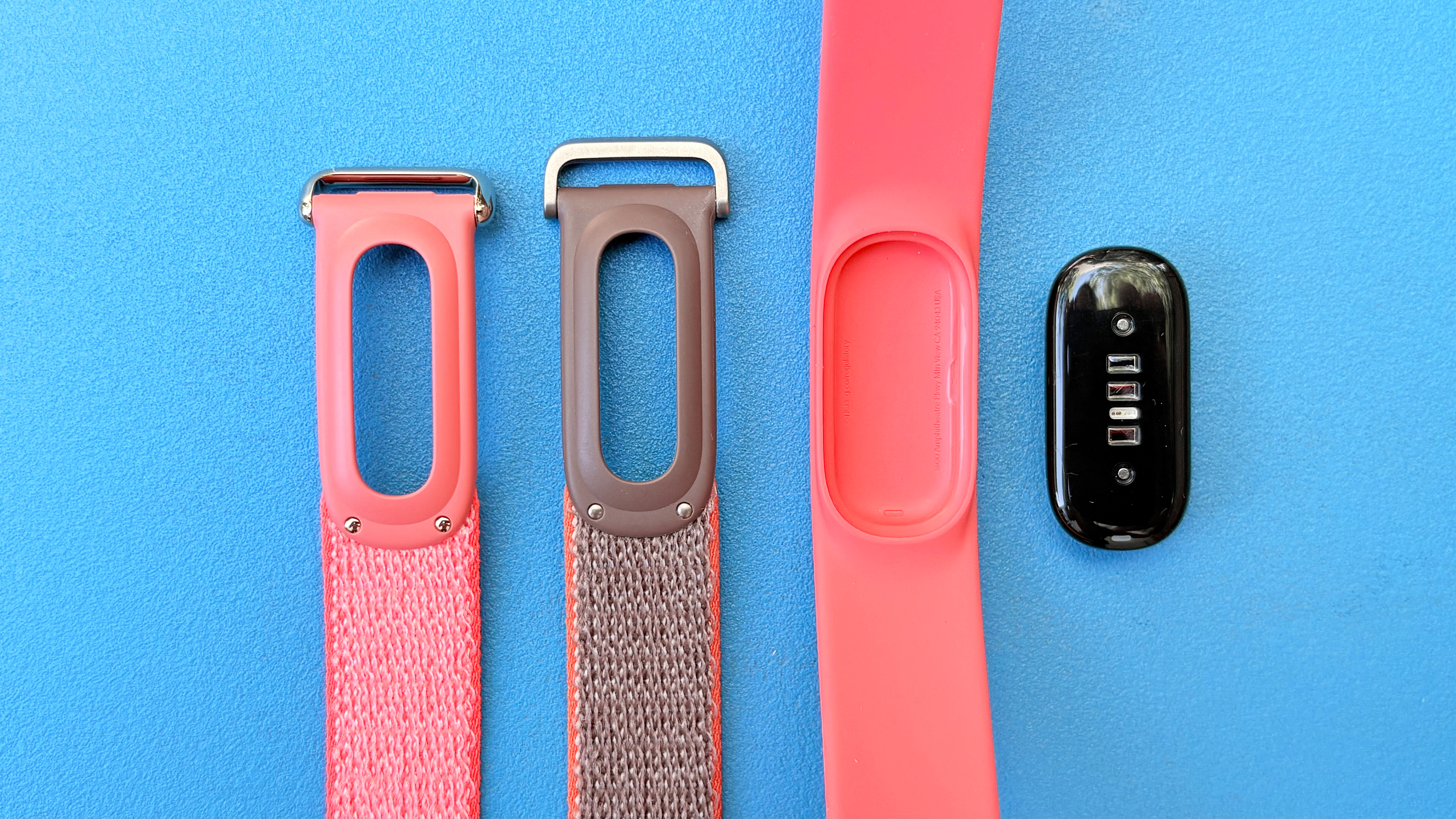
The Fitbit Air is designed for maximum accessory customization. All of the tracking components and battery are contained within a small, pebble-like shell that can easily be popped out of one strap and swapped into another.
Google has a decent selection of accessory bands for the Fitbit Air available; I tried them all, and there’s a clear winner. However, with a starting price of $34.99, I’m looking forward to more affordable third-party options popping up on Amazon and the likes, eventually.
The Fitbit Inspire 3 also supports band swapping, but removing and installing a band is a trickier process. That said, to my surprise, Google sells some pretty cool-looking Inspire 3 bands to replace the standard-issued ones.
Winner: Fitbit Air
Fitbit Air vs Fitbit Inspire 3: Health and fitness

(Image credit: Dan Bracaglia/Tom’s Guide)
The Fitbit Inspire 3 and Fitbit Air boast the same onboard tech, including sensors for tracking heart rate, blood oxygen saturation, movement and temperature. However, it’s unclear whether the Air is using newer sensors or the same generation as the Inspire 3.
Either way, both devices keep tabs on your overall well-being, sleep quality, fitness, and women’s health. However, neither sports an onboard GPS for location tracking data or an altimeter for elevation insights.
This means that you’ll need to carry a paired smartphone along when working out to accurately capture metrics like distance, pace, speed, and elevation gain.
You also get automatic workout tracking for a small selection of common exercises, regardless of which tracker you choose. Meanwhile, more nuanced activities can be manually selected.
Winner: Draw
Fitbit Air vs Fitbit Inspire 3: Smart features

(Image credit: Future)
Neither of these fitness trackers offers much by way of smart features, but that’s the point. Apps like Google Wallet and YouTube Music are reserved for the higher-end Fitbit Charge 6. You also won’t find onboard storage for saving music on either.
The Inspire 3 can mirror smartphone notifications from Android or iOS devices on its tiny screen, but it’s not a great user experience. Meanwhile, both wearables support Google’s lovely Smart Wake haptic alarm feature. And that’s a wrap for smart features.
Winner: Draw
Fitbit Air vs Fitbit Inspire 3: Battery life

(Image credit: Dan Bracaglia/Tom’s Guide)
Battery life is impressive with any tracker you choose, but the Fitbit Inspire 3 lasts a little longer than the Air. In our testing, the Inspire 3 easily meets the ten-day-per-charge threshold, while the Air effortlessly matches the advertised seven days per charge.
Winner: Fitbit Inspire 3
(Image credit: Dan Bracaglia)
In terms of performance, wearability, and cost, the Fitbit Air and Fitbit Inspire 3 are extremely similar. What sets them apart largely boils down to design. Simply put, the Inspire 3 has a small screen for starting workouts, viewing stats, and receiving mirrored smartphone notifications, while the Air does not.
Personally, I prefer the Fitbit Air’s set-it-and-forget-it approach to wellness tracking, with no annoying controls or tiny screens to deal with. I admit, starting a workout session from the Google Health app is a tad annoying, and the Air’s auto workout tracking needs… work, but the overall user experience of the Air feels more refined than that of the Inspire 3.
Of course, at the end of the day, they both log the same health and fitness insights.
Overall winner: Draw

Follow Tom’s Guide on Google News and add us as a preferred source to get our up-to-date news, analysis, and reviews in your feeds. Alternatively, you can read our content on the Tom’s Guide app available now for iOS and Android. Subscribe to Tom’s Guide on YouTube and follow us on TikTok. Finally, you can visit our dedicated Tom’s Guide Savings Squad hub for expert help on getting the best products for less.