




Kirsten Chick MSc is a Brighton-based nutritionist and author of “Nutrition Brought to Life.” She has over 20 years’ experience, is registered with BANT and CNHC, and is available for one-to-one consultations and workshops.
More info: www.kirstenchick.com. Contact: info@kirstenchick.com.
One thing I quickly learned when studying nutrition is how much influence my diet and lifestyle had on my periods. I’d gone through life with monthly episodes of a lot of pain, with very irregular cycles. So it was a revelation to finally be having regular, manageable periods every month, just like the ones I’d been promised in all those glossy sanitary product adverts. Until perimenopause, of course, but that’s a different story.
I was never diagnosed with anything specific, and in fact doctors seemed fairly uninterested. The occasional ultrasound showed nothing untoward, so I was left to put up and shut up. I am sadly far from alone in this experience.
Nutritional approaches to healthy cycles
Nutritional therapy looks at the whole body, and all the mechanical cogs influence each other. And then looks to see which nutrients, ways of eating and lifestyle changes might help all of those cogs to work better together. So when looking at regulating the reproductive hormones that drive periods, for example, we’re also considering what might be going on with stress (adrenal) hormones and the nervous system, with blood sugar and metabolism, with the gut microbiome, with liver detoxification processes (also very much involved in oestrogen metabolism), with inflammation and anything else that looks like it could do with support.
And then we might consider that perhaps:
Some extra cruciferous vegetables, like broccoli and cauliflower, might help support the liver in regulating oestrogen and clear hormone-disrupting toxins.
A broader range of plant-based foods (a rainbow diet) might help create a gut microbiome that can better regulate both inflammation and oestrogen levels.
The fibre that provides, together with plenty of water and some exercise, might help deal with constipation, which might also be contributing to problems.
Regular oily fish might also help counter some of the inflammation causing pain and other symptoms.
Ground flaxseeds sprinkled onto breakfast or in smoothies provide lignans that may help regulate hormonal effects.
Structuring the day around well-timed, protein-rich meals might help reduce the cravings for sugar, snacks and junk food that may also be contributing to inflammation and hormonal imbalance.
Soothing herbal teas, like chamomile and lemon balm, help soothe the nervous system and calm everything down.
This may not be enough to completely sort things out. Some of us have helpful supplements and herbs up our sleeves too, and other tips and tricks. And sometimes it takes more than that to really help, including medication or surgery. But these kinds of nutritional changes are foundational: making sure all of these systems that are involved in menstrual health have the nutrients and energy they need, and that you are eating in a way to help resolve inflammation and keep blood sugar stable.
Polyendocrine Metabolic Ovarian Syndrome (PMOS)
And this is why I am so pleased that Polycystic Ovarian Syndrome (PCOS) has just been renamed Polyendocrine Metabolic Ovarian Syndrome (PMOS). This is long overdue, and a fantastic example of how important language is.
PMOS is a hormonal imbalance, often with high levels of androgens (such as testosterone) and insulin that lead to symptoms like acne, excess facial and body hair, weight gain, type 2 diabetes and infertility. Also pain: chronic pelvic pain, severe menstrual cramps and general inflammation. And yet, it’s estimated that up to 70 per cent of cases go undiagnosed.
What we call something can define how it’s treated. The previous name (PCOS) has meant a focus on whether or not the ovaries appear to have cysts – and diagnoses often missed if those “cysts” aren’t there. Actually they’re not even cysts at all, but eggs whose development have been disrupted by factors involving the whole endocrine (hormonal) system as well as metabolic processes, such as blood sugar pathways. The new name doesn’t just more accurately describe what’s going on. It encourages doctors to look beneath the surface, and think a little more laterally about how best to support the sufferer in front of them.
In Nutritional Therapy we’ve always aimed to work in this way, so the name change comes as refreshing news rather than a revolution. But hopefully the impact on broader treatment and attitudes will mean PMOS sufferers will be supported in a way that makes their lives easier, less painful, less anxiety-inducing and less frustrating. A review of 20 randomised controlled trials reported that nutritional interventions were effective in improving fertility in PMOS. In fact, the anti-inflammatory Mediterranean Diet is associated with a lower risk of having PMOS in the first place.
Where to start
Whether you suspect you have PMOS or have other menstrual or fertility issues, nutritional therapy is a great place to start. I’d strongly suggest seeing someone for a series of consultations if you are able to, and there are some fantastic Brighton and Hove nutritional therapists who specialise in this area. But if that’s out of your budget, here are some tips to get started:
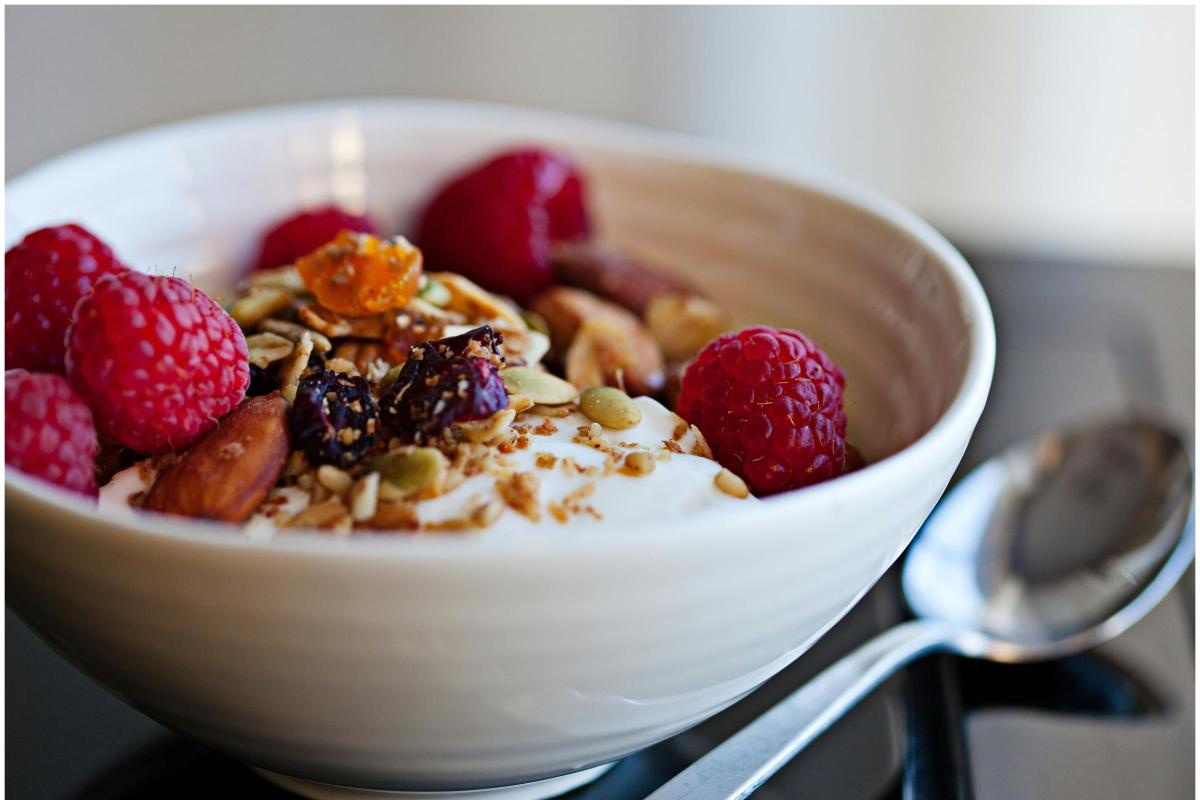
Sprinkle a seed mix – including ground flax seeds – onto your breakfast.
Gradually increase the amount and variety of vegetables in your diet – and regularly include cruciferous vegetables (broccoli, cauliflower, cabbage, kale, Brussels sprouts) if you tolerate them.
Have a fist-sized portion of fish, meat, eggs, tofu, beans, lentils, nuts and/or seeds with every meal – including an early morning breakfast.
Have oily fish, such as mackerel, sardines, salmon and trout, 2-3 times a week.
Aim for 1.5-2 litres of water a day (not all at once!), plus a couple of cups of lemon balm tea.
Keep moving – whether it’s walking, running, dancing or yoga, do whatever you enjoy most for around half an hour every day.
Also see Kirsten Chick’s book “Nutrition Brought to Life” for more on hormone regulation and useful, delicious recipes.
Note that this article is for general information only and does not constitute medical advice, diagnosis, or treatment.